
The American Express Gift Card remains one of the most prestigious and versatile tools in the realm of personal finance. Whether received as a corporate bonus, a holiday gesture, or a personal reward, these cards offer a level of liquidity and flexibility that physical gifts simply cannot match. However, transitioning from holding a physical (or digital) card to successfully completing a transaction in the complex ecosystem of e-commerce requires more than just entering a sixteen-digit number.
In the modern financial landscape, security protocols and merchant processing systems have become increasingly sophisticated. Using a prepaid asset like an Amex Gift Card online necessitates a strategic approach to ensure your funds are accepted and your consumer data remains secure. This guide explores the technical and financial nuances of maximizing the utility of your American Express Gift Card in the digital marketplace.
Preparing Your Amex Gift Card for Digital Transactions
Before you even reach the checkout page of your favorite online retailer, there are critical financial administrative steps you must take. Unlike a standard credit card linked to a permanent line of credit and a verified home address, a gift card is a “non-reloadable prepaid” instrument. This distinction is vital for how online payment gateways perceive the card.
Activation and Registration Essentials
The most common reason for a declined transaction online is not a lack of funds, but a failure in the Address Verification System (AVS). Most online merchants use AVS to cross-reference the billing address provided during checkout with the address on file with the card issuer.
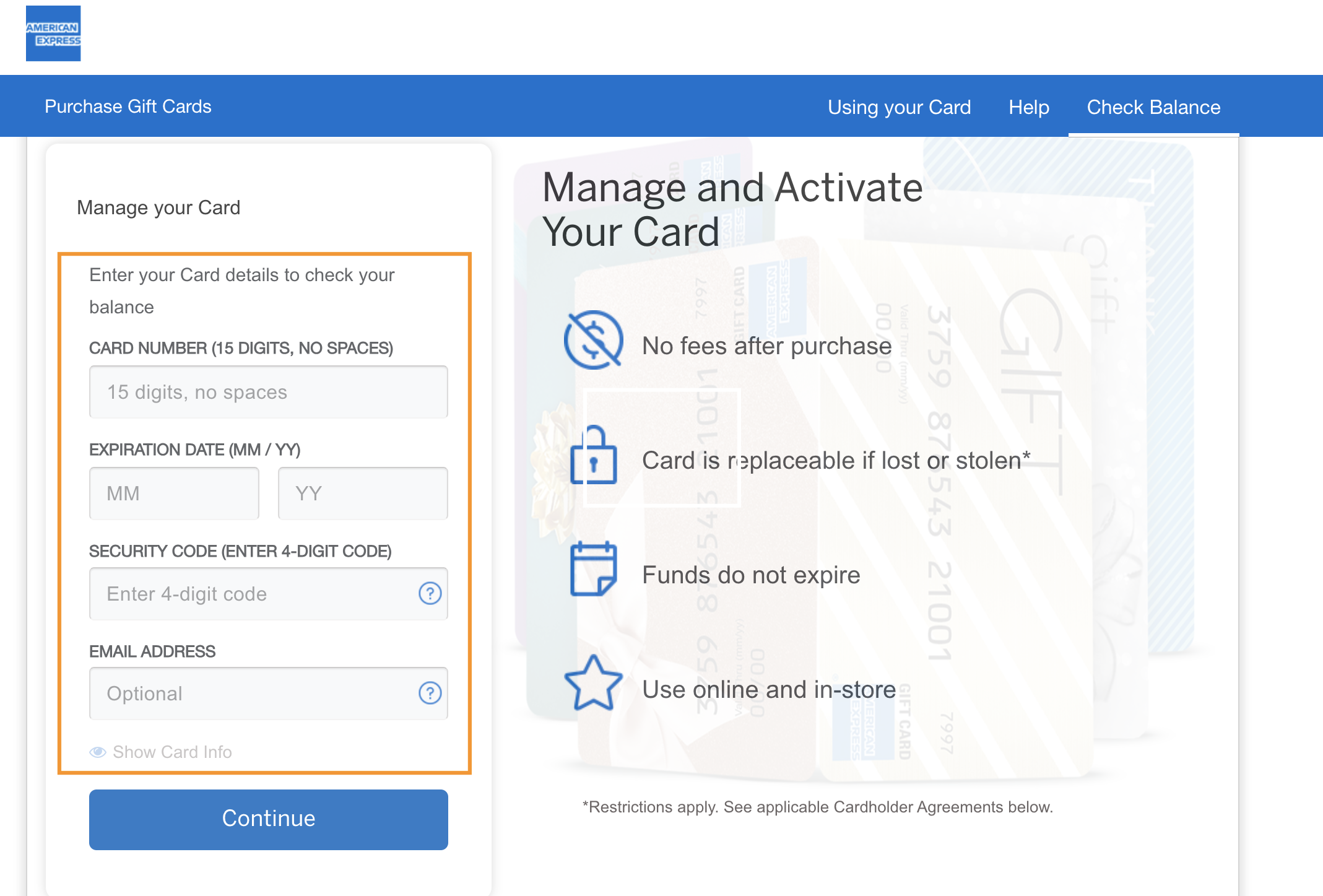
When you receive an American Express Gift Card, your first step should be to visit the official Amex Gift Card website. While many cards are “ready to use” for in-store purchases, online use often requires you to register your zip code or a full billing address. By linking your specific zip code to the card’s metadata, you provide the necessary digital handshake that allows a merchant’s processor to verify the transaction. Without this, the merchant may flag the purchase as high-risk and decline it automatically.
Checking Your Balance and Understanding “Holds”
A fundamental rule of personal finance management is knowing your exact available balance. For Amex Gift Cards, this is particularly important because, unlike a traditional credit card, these cards do not allow for overages. If your total—including taxes and shipping—is $50.01 and your card has exactly $50.00, the transaction will be declined immediately.
Furthermore, you must account for “pre-authorization holds.” Many online service providers, such as gas stations, hotels, or subscription services, may place a temporary hold on funds that exceeds the actual purchase price. For example, a $1.00 “test” charge from a merchant to verify the card’s validity can temporarily reduce your available balance, potentially causing a subsequent larger purchase to fail. Always check your balance online immediately before a purchase to ensure you have a “buffer” for these invisible financial maneuvers.
Navigating the Online Checkout Process
Once your card is registered and your balance is confirmed, the process of using it online mirrors that of a standard credit card, though with a few specific technical requirements unique to the American Express ecosystem.
Entering Card Details Correctly
When prompted for payment at checkout, you should always select “Credit” or “Debit” as the payment type. Although it is a gift card, it functions through the American Express global merchant network.
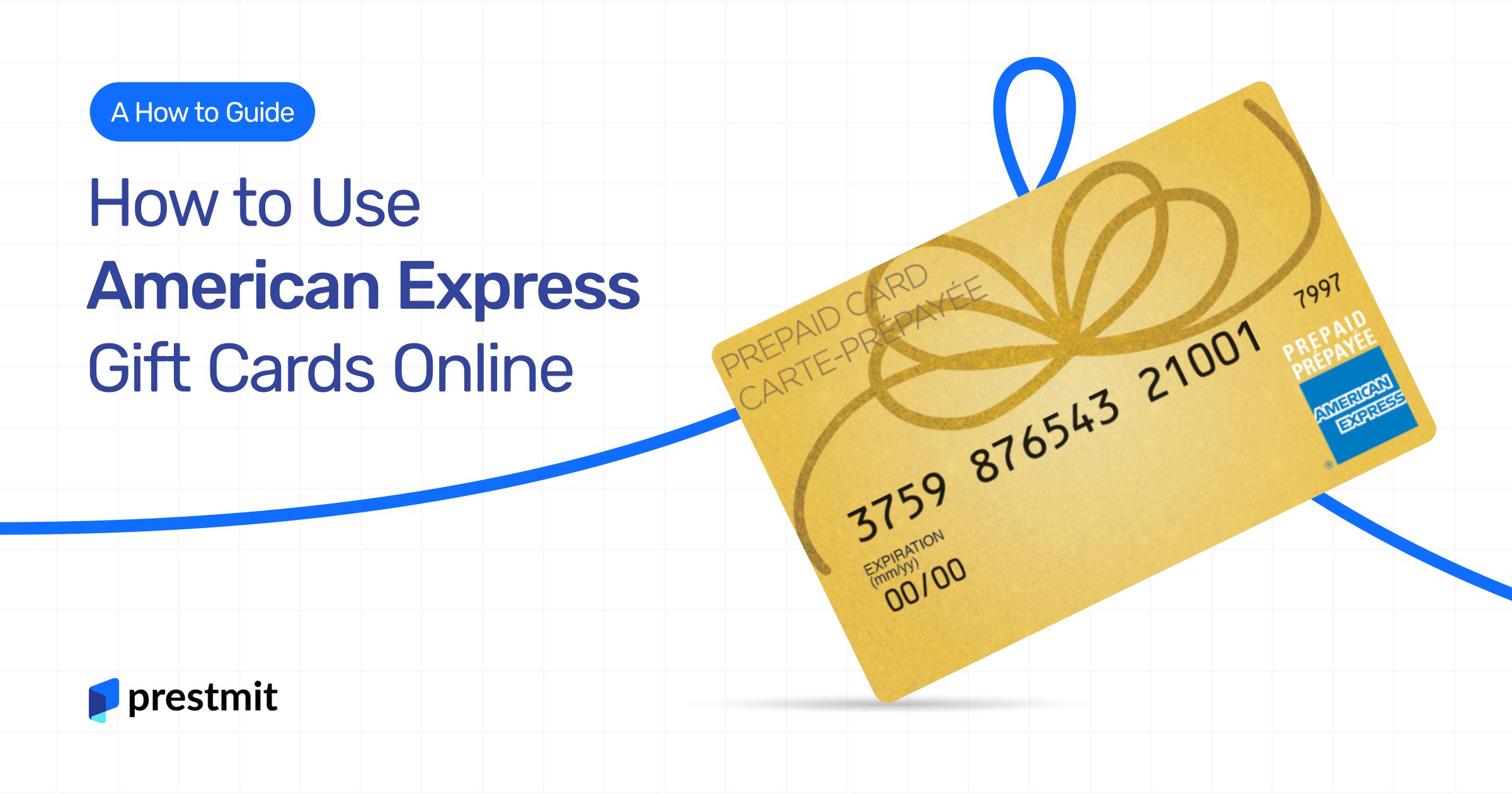
- The Card Number: Enter the 15-digit number on the front of the card. Note that Amex uses a 15-digit format, unlike the 16 digits used by Visa and Mastercard.
- The Security Code (CID): On an American Express card, the security code is a 4-digit number located on the front of the card, usually above the card number on the right or left side. Many users mistakenly look at the back of the card, as is standard for other brands.
- Expiration Date: Ensure the date is entered exactly as printed. While the funds on an Amex Gift Card never expire, the plastic or digital “token” (the card number itself) does. If your card has “expired,” you will need to contact Amex customer service to have the funds transferred to a new number.
Managing Address Verification Systems (AVS)
As mentioned previously, the billing address is the “Achilles’ heel” of prepaid card usage. When an online form asks for a “Billing Address,” use the address you registered on the Amex website. If you did not register a specific street address and only a zip code, use your actual home address but ensure the zip code matches what you provided to Amex. This alignment is the primary security layer used by e-commerce platforms like Amazon, eBay, and specialized boutiques to prevent fraud.

Strategic Financial Management of Pre-Paid Assets
To get the most value out of your American Express Gift Card, you must treat it as a strategic financial asset rather than just a “swipe-and-forget” tool. There are specific maneuvers you can use to ensure you don’t leave “lost” money on the card.
Handling “Split-Tender” Transactions
One of the biggest challenges in using a gift card online is the “split-tender” limitation. Most online retailers do not have the software capability to let you pay with two different credit cards (e.g., $20 from your Amex Gift Card and $30 from your personal Visa).
A professional financial workaround for this is to use your Amex Gift Card to purchase a digital gift card for that specific retailer. For instance, if you have a $27.42 balance on your Amex card, go to Amazon and buy an “Amazon eGift Card” for exactly $27.42. You can then apply that balance to your Amazon account. This effectively “liquidates” the prepaid card and consolidates your funds into a single ecosystem where they can be combined with other payment methods later.
Avoiding Transaction Declines and Common Pitfalls
Understanding the limitations of the Amex network is key to sound financial planning. Amex Gift Cards are generally not accepted for:
- Recurring Billing: Most subscription services (Netflix, gym memberships, etc.) require a card that can be charged monthly. They often block prepaid cards to prevent service interruptions.
- Cash Access: You cannot use these cards at an ATM or to get “cash back” at a register.
- Gambling and Restricted Sites: Many financial institutions block the use of prepaid assets for high-risk categories like online gambling or certain international transfers.
By avoiding these categories, you prevent “pending” charges that can tie up your liquidity for 3–7 business days.
Security and Protection in the Digital Marketplace
In an era of rising cyber-financial crime, using a prepaid gift card can actually be a sophisticated security strategy. Because the card is not linked to your primary bank account or your Social Security number, it acts as a “firewall” between your main wealth and the merchant.
Safeguarding Your Prepaid Funds
If you are shopping at a new or unfamiliar online boutique, using an Amex Gift Card is a prudent financial move. If the merchant’s database is compromised, the hackers only gain access to a finite, non-reloadable balance rather than your entire line of credit or your checking account.
However, this protection works both ways. If you lose the card or the number is stolen, you must act quickly. While American Express offers some protections for lost or stolen cards, they do not carry the same robust legal protections as the Fair Credit Billing Act provides for standard credit cards. Treat your gift card number with the same level of confidentiality as you would your primary banking credentials.
Understanding Consumer Protections vs. Traditional Credit
It is important for consumers to recognize that while Amex Gift Cards are convenient, they lack certain “chargeback” rights associated with premium American Express credit cards. If a product you bought with a gift card arrives broken or never arrives at all, your primary recourse is with the merchant, not the card issuer. From a financial planning perspective, it is often better to use a standard credit card for very high-ticket items (like electronics) to take advantage of purchase protection and extended warranties, while using gift cards for everyday consumables, clothing, or digital media.
Conclusion: Maximizing the Value of Your Amex Asset
The American Express Gift Card is a powerful tool for online commerce when managed with financial literacy and technical precision. By prioritizing registration, understanding the nuances of AVS, and utilizing the “gift card conversion” strategy to avoid leftover balances, you can ensure that every cent of your gift is utilized effectively.
In the broader context of personal finance, these cards represent a bridge between traditional cash and the digital economy. Using them correctly not only simplifies your shopping experience but also enhances your digital security posture. Treat your Amex Gift Card as a discrete financial account: monitor its balance, protect its data, and deploy its value strategically across the vast landscape of the internet. Through these steps, you transform a simple gift into a versatile and secure engine for online purchasing power.
aViewFromTheCave is a participant in the Amazon Services LLC Associates Program, an affiliate advertising program designed to provide a means for sites to earn advertising fees by advertising and linking to Amazon.com. Amazon, the Amazon logo, AmazonSupply, and the AmazonSupply logo are trademarks of Amazon.com, Inc. or its affiliates. As an Amazon Associate we earn affiliate commissions from qualifying purchases.