
In an era defined by hyper-connectivity, the ability to monitor the movement of aircraft across the globe has transformed from a niche hobby for aviation enthusiasts into a vital utility for travelers, logistics companies, and tech aficionados. Flight tracking is no longer just about knowing if a plane is on time; it is a sophisticated intersection of hardware engineering, global data networks, and intuitive software design.
This guide explores the high-tech ecosystem that makes real-time flight tracking possible, examining the tools, data protocols, and digital platforms that bring the complexity of the global airspace to the palm of your hand.
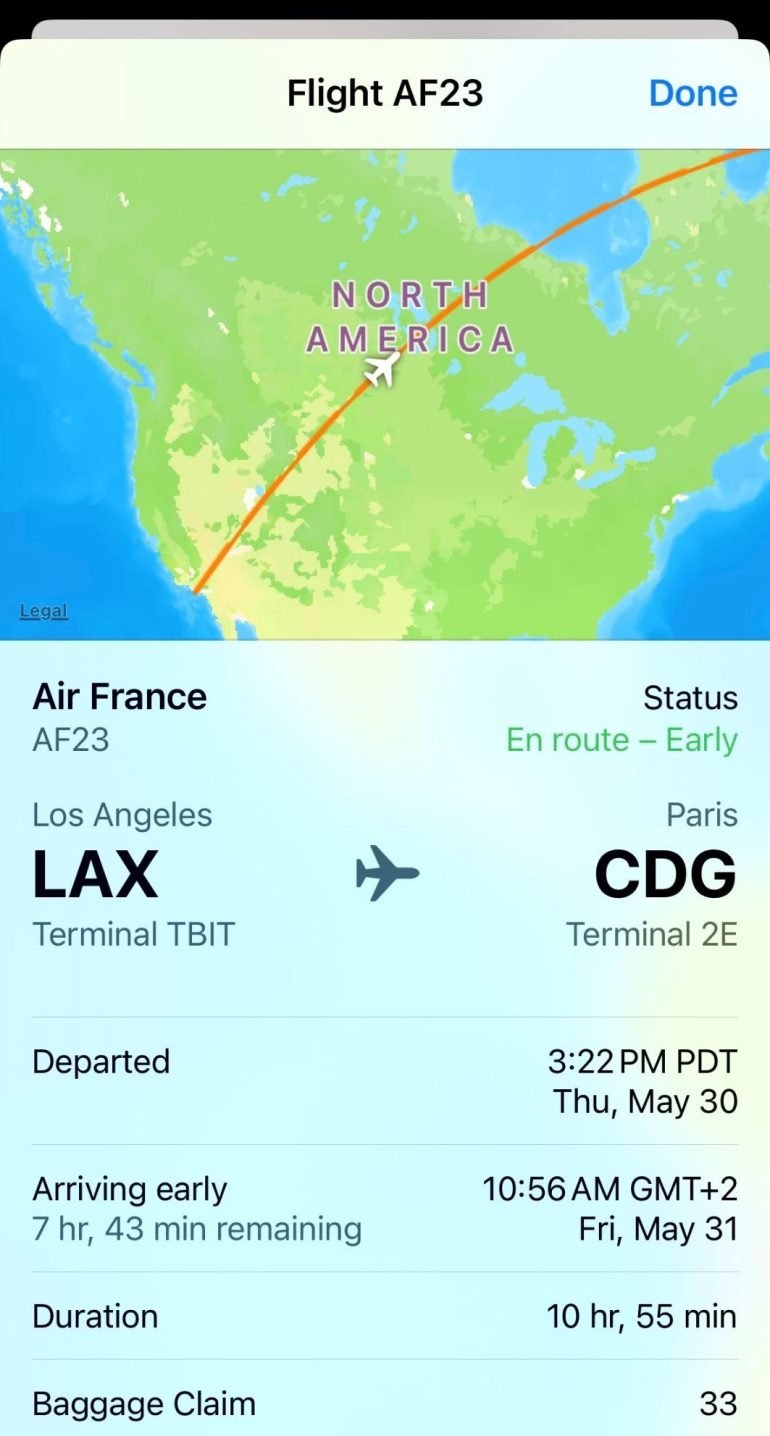
1. The Engineering Core: How Flight Data is Captured
At the heart of every flight tracking app is a complex infrastructure of data collection. Understanding how to track a flight requires an appreciation of the hardware and signals that broadcast an aircraft’s position, speed, and altitude to the world.
Automatic Dependent Surveillance–Broadcast (ADS-B)
The primary technology driving modern flight tracking is ADS-B. Unlike traditional radar, which “interrogates” an aircraft to find its position, ADS-B is “automatic” because the aircraft periodically broadcasts its GPS location, altitude, and velocity without needing an external trigger.
It is “dependent” because it relies on the plane’s own navigation system. For tech-savvy users, the magic happens when these signals are picked up by a global network of ground-based receivers. Because these signals are unencrypted, a massive community of volunteers using low-cost hardware (like Raspberry Pi units) feeds this data into centralized servers, creating the real-time maps we see today.
Multilateration (MLAT) and Radar
While ADS-B is the gold standard, not all aircraft—particularly older models or smaller private planes—are equipped with the necessary transponders. In these cases, flight tracking platforms utilize Multilateration (MLAT). By measuring the “Time Difference of Arrival” (TDOA) of a signal at four or more separate ground stations, the software can calculate the exact position of an aircraft through geometric triangulation.
Furthermore, data from traditional Primary and Secondary Surveillance Radar (PSR/SSR) provided by government aviation authorities (like the FAA in the US) is integrated to fill gaps in coverage, ensuring a comprehensive digital twin of the sky.
Satellite-Based Tracking
In remote areas, such as the middle of the Atlantic Ocean or over the North Pole, ground-based receivers are non-existent. To solve this “black hole” in tracking, tech companies have turned to space. New constellations of Low Earth Orbit (LEO) satellites are now equipped with ADS-B receivers. These satellites capture the signals from above and relay them to ground stations, allowing for seamless, 100% global coverage that was impossible just a decade ago.
2. The Software Ecosystem: Leading Platforms and Their Tech Stacks
Once the raw data is captured, it must be processed, visualized, and delivered to the user. The software layer of flight tracking is where raw telemetry is converted into actionable insights.
FlightRadar24: The Gold Standard of Visualization
FlightRadar24 is perhaps the most recognized name in the industry. Its success lies in its sophisticated visualization engine. The platform uses WebGL and high-performance mapping APIs to render thousands of moving aircraft icons simultaneously without lagging.
For the “prosumer,” FlightRadar24 offers an Augmented Reality (AR) mode. By leveraging a smartphone’s gyroscope, accelerometer, and camera, the app overlays flight data onto the live sky. If you point your phone at a plane in the distance, the software cross-references your GPS coordinates and camera angle with the live flight database to identify the aircraft in real-time.
FlightAware: Big Data and Predictive Analytics
While FlightRadar24 excels at visualization, FlightAware focuses on the depth of data and predictive modeling. Their proprietary “Foresight” engine uses machine learning and AI to predict arrival times more accurately than the airlines themselves.

By analyzing historical flight paths, current weather patterns, and airport congestion, the software can identify potential delays hours before they are officially announced. This makes it an essential tool for travelers who need to manage tight connections or for logistics tech stacks where every minute counts.
Airline-Specific Apps and PNR Integration
Most major airlines have integrated flight tracking directly into their mobile apps. These tools use a different data stream: the Passenger Name Record (PNR). By linking your digital boarding pass to the flight’s live telemetry, these apps provide push notifications regarding gate changes, boarding status, and baggage tracking. This represents the “personalized” layer of flight tracking tech, moving from broad airspace monitoring to individualized user experiences.
3. DIY Tech: Building Your Own Tracking Station
One of the most exciting aspects of the flight tracking niche is the “maker” culture associated with it. You don’t have to rely solely on third-party apps; you can contribute to the global network yourself.
The Hardware: SDR and Raspberry Pi
For tech enthusiasts, building an ADS-B receiver is a popular weekend project. The setup typically involves a Raspberry Pi (a small, affordable computer) and a Software Defined Radio (SDR) USB dongle. The SDR acts as a tuner that listens to the 1090 MHz frequency—the specific band used by aircraft transponders.
The Software Layer: Dump1090 and Pi-aware
To translate the radio waves into readable data, users install open-source software like dump1090. This program decodes the raw hex messages from the aircraft. By connecting this setup to the internet, you can feed your local data to global networks like FlightAware or OpenSky Network. In exchange, these platforms often provide “Enterprise” or “Business” tier subscriptions for free, giving you access to high-level weather layers and historical data archives that usually cost hundreds of dollars a year.
Data Privacy and Filtering
As you dive deeper into the tech, you will encounter the “LADD” (Limiting Aircraft Data Display) program. Not all flight data is public. High-profile individuals or military entities often request that their flight data be masked. Tracking software must incorporate logic to filter these requests while still maintaining the integrity of the overall airspace visualization. Navigating these privacy protocols is a significant part of the backend development for any aviation software.
4. The Future of Flight Tracking: AI, IoT, and Global Connectivity
As we look toward the next decade, the technology used to track flights is set to become even more integrated into our digital lives through the Internet of Things (IoT) and Artificial Intelligence.
Integration with Smart Home Ecosystems
Imagine a world where your smart home system tracks your arriving flight and automatically adjusts the thermostat or triggers a grocery delivery as your plane touches down. Through APIs (Application Programming Interfaces), flight tracking data is increasingly being piped into automation platforms like IFTTT (If This Then That). This allows developers to create “recipes” where a flight’s landing triggers a series of smart-device actions, bridging the gap between aviation data and home automation.
AI-Driven Air Traffic Management
On a larger scale, the massive amounts of data collected by flight trackers are being used to train AI models for NextGen air traffic control. By analyzing millions of flight hours, AI can suggest more fuel-efficient routes or predict “bottlenecks” in the sky before they happen. This shift from reactive tracking (where is the plane now?) to proactive tracking (where should the plane be to save fuel?) is the next frontier in aviation technology.
The Role of 5G and Satellite Internet
The rollout of 5G and global satellite internet (like Starlink) will further stabilize flight tracking. Faster data transfer speeds mean lower latency in flight updates. Currently, there can be a 5-to-30-second delay in some consumer apps. Future tech stacks aim for “true” real-time synchronization, where the digital icon moves in perfect lockstep with the physical aircraft, providing a flawless digital mirror of the skies.

Conclusion: A Triumph of Modern Telemetry
Tracking a flight is a masterclass in modern technology. It represents a seamless collaboration between international aviation standards, sophisticated radio hardware, and elegant software design. Whether you are a casual traveler checking a gate number, a developer building an automation script via an API, or a hobbyist with a Raspberry Pi in your window, you are participating in one of the most transparent and data-rich ecosystems in the world.
As hardware becomes more accessible and software more intelligent, the “how” of tracking a flight will continue to evolve, offering even deeper insights into the complex, beautiful choreography of global aviation. For those who love technology, the sky is no longer the limit—it’s the ultimate data source.
aViewFromTheCave is a participant in the Amazon Services LLC Associates Program, an affiliate advertising program designed to provide a means for sites to earn advertising fees by advertising and linking to Amazon.com. Amazon, the Amazon logo, AmazonSupply, and the AmazonSupply logo are trademarks of Amazon.com, Inc. or its affiliates. As an Amazon Associate we earn affiliate commissions from qualifying purchases.