
For the modern individual, family, or business owner, medical insurance is often the most significant recurring expense outside of housing. Yet, the answer to “how much is medical insurance per month” is rarely a single, static figure. It is a complex calculation influenced by demographics, geography, government policy, and personal financial strategy. In the context of personal finance and wealth management, understanding these costs is essential for maintaining liquidity and ensuring long-term fiscal stability.
To effectively budget for health care, one must look beyond the sticker price and understand the underlying mechanics of the insurance market. This article explores the variables that dictate monthly premiums, the financial tools available to mitigate these costs, and the strategic choices that align health coverage with overall financial goals.

Understanding the Primary Drivers of Monthly Premiums
The cost of medical insurance is determined by actuarial risk—the statistical likelihood that an individual will require medical services. While federal and state laws limit how much insurers can vary prices based on health status, several key factors remain the primary drivers of your monthly bill.
Age and Geography
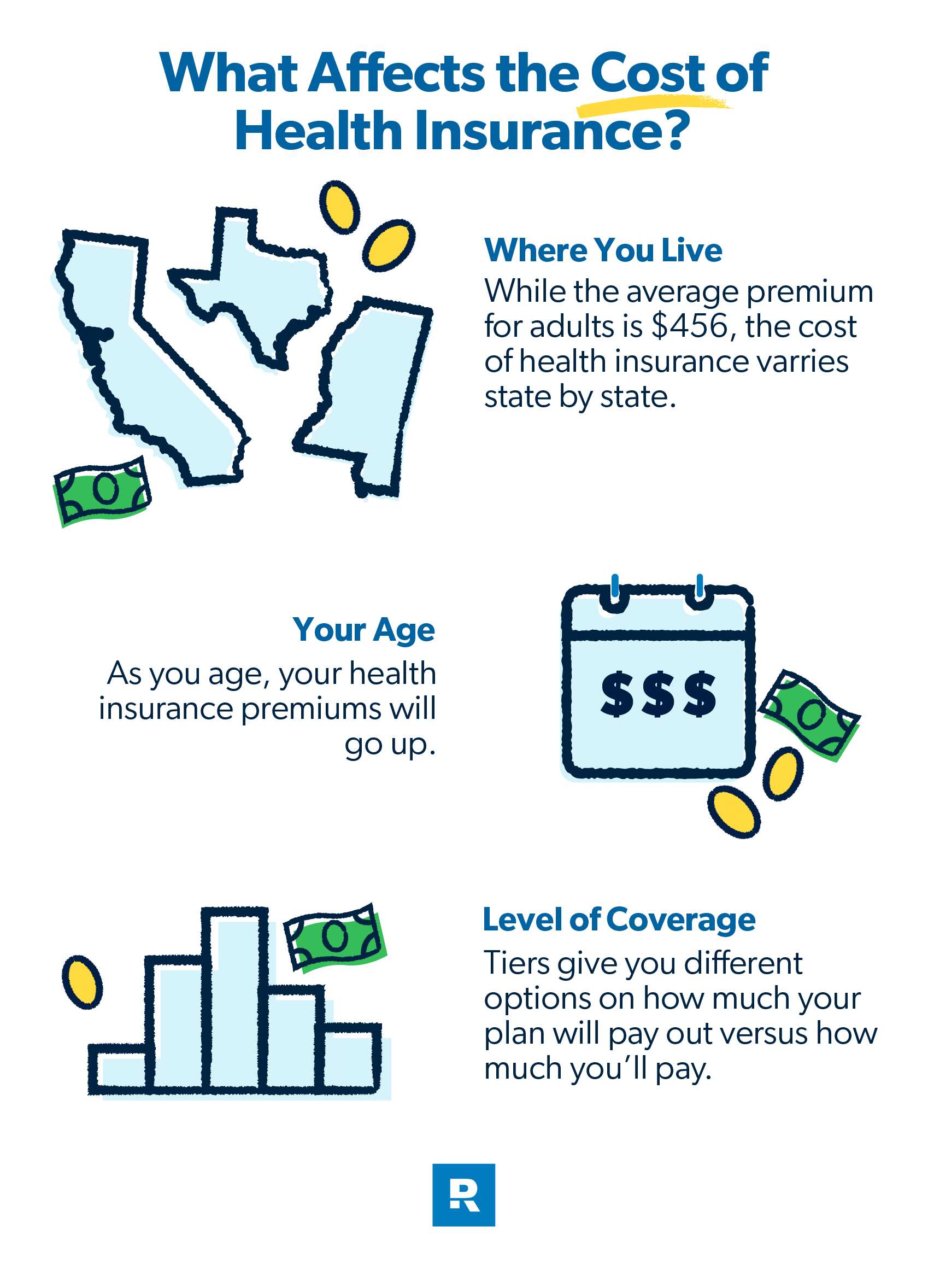
Age is perhaps the most significant legal differentiator in premium pricing. Under current regulations in many regions, insurers can charge older individuals up to three times more than younger individuals for the same plan. This “age rating” reflects the reality that as we age, our utilization of the healthcare system typically increases. From a financial planning perspective, this means that health insurance is an escalating expense that must be accounted for in long-term retirement projections.
Geography plays an equally vital role. Insurance markets are highly localized. A plan in a major metropolitan hub with dozens of competing hospital systems and insurers may be significantly cheaper than a plan in a rural county with only one provider. Local cost-of-living indices and state-level mandates for what insurance must cover also contribute to these regional price fluctuations.
Plan Tier and Actuarial Value
Most modern insurance markets categorize plans into “Metal Tiers”—Bronze, Silver, Gold, and Platinum. These tiers do not represent the quality of medical care, but rather the “actuarial value” of the plan.
- Bronze plans typically have the lowest monthly premiums but the highest out-of-pocket costs when you receive care.
- Gold and Platinum plans command high monthly premiums but cover a much larger percentage of medical bills.
Choosing between these tiers is a classic exercise in risk management: do you prefer a higher guaranteed monthly cost (Premium) to protect against the risk of a high unpredictable cost (Deductible)?
Family Size and Dependents
Insurance is priced per person. Adding a spouse or children will increase the monthly premium linearly. However, many employer-sponsored plans offer “composite rating,” where the cost is averaged across the company’s workforce, potentially making family coverage more affordable than it would be on the private individual market. For families, the monthly cost is often the sum of individual “per-member” rates, meaning the financial burden grows significantly with each additional dependent.
Managing Insurance Costs Within a Personal Finance Framework
Once you understand why premiums cost what they do, the focus shifts to how to integrate these costs into a broader financial strategy. Health insurance is not just a monthly bill; it is a tool for asset protection.
High Deductible Health Plans (HDHPs) vs. Low Deductible Plans
The most common decision point for consumers is choosing between an HDHP and a traditional PPO or HMO. An HDHP offers a lower monthly premium in exchange for a higher deductible. For a healthy individual with a robust emergency fund, an HDHP can save thousands of dollars annually in premiums. However, for those with chronic conditions or low liquid savings, a low-deductible plan—despite the higher monthly premium—provides “budget certainty,” as it prevents large, unexpected medical bills from disrupting cash flow.
Leveraging Tax-Advantaged Accounts: HSA and FSA
One of the most powerful ways to offset the monthly cost of insurance is through tax-advantaged accounts.
- Health Savings Accounts (HSAs): Available only to those with an HDHP, the HSA is often called the “ultimate investment vehicle.” Contributions are tax-deductible, growth is tax-free, and withdrawals for medical expenses are tax-free. By using an HSA, you are essentially paying for your healthcare with “pre-tax” dollars, effectively giving yourself a 20-30% discount based on your tax bracket.
- Flexible Spending Accounts (FSAs): These are employer-sponsored accounts that allow you to set aside pre-tax money for healthcare. Unlike the HSA, FSAs are usually “use it or lose it,” requiring careful annual budgeting to ensure the funds are spent before the year-end deadline.

Employer-Sponsored vs. Individual Market Pricing
Where you get your insurance is often more important than what the insurance covers when it comes to the monthly “net” cost to your wallet.
Group Rates and Employer Contributions
For the majority of professionals, health insurance is an employment benefit. In these “Group” plans, the employer typically pays 70% to 80% of the premium for the employee. If the total cost of a plan is $600 per month, the employee might only see $150 deducted from their paycheck. This hidden subsidy is a major component of total compensation and should be factored in when evaluating job offers or considering a move to freelance work.
The Marketplace and Subsidies (Premium Tax Credits)
For entrepreneurs, early retirees, and those without employer-sponsored coverage, the individual marketplace is the primary source for insurance. On the surface, these plans appear much more expensive because the individual is responsible for the full premium. However, government subsidies (Premium Tax Credits) can drastically reduce the monthly cost. These subsidies are based on Modified Adjusted Gross Income (MAGI). For many middle-income earners, these credits can bring a $1,000 monthly premium down to $200 or less, making the individual market a viable financial option.
Hidden Costs Beyond the Monthly Premium
A common mistake in financial planning is equating “cost” only with the “premium.” To truly understand how much medical insurance is per month, one must calculate the “Total Cost of Ownership.”
Out-of-Pocket Maximums and Co-insurance
Even after paying your monthly premium, you may still face costs like co-payments and co-insurance (where you pay a percentage, such as 20%, of a bill). Every plan has an “Out-of-Pocket Maximum.” This is the most you would have to pay in a calendar year for covered services. From a wealth-protection perspective, your “true” monthly cost should arguably include a monthly “accrual” toward this maximum, ensuring that if a catastrophe strikes, the funds are already set aside.
Network Restrictions and Out-of-Network Costs
The price of a premium is often kept low through a “narrow network.” This means the insurer has negotiated lower rates with a specific group of doctors. If you visit a provider outside this network, the insurance may pay nothing, leaving you with the full bill. When calculating the value of a monthly premium, you must ensure that your preferred providers are “in-network,” or the “cheap” plan will become incredibly expensive the moment you need care.
Strategic Planning for Long-Term Health Expenses
Health insurance costs are not static; they traditionally rise faster than general inflation. A sophisticated financial plan must account for this “healthcare inflation.”
Budgeting for Annual Increases
Historically, medical premiums have increased by 4% to 7% annually. When building a five-year or ten-year financial forecast, it is dangerous to assume your current $500 monthly premium will remain $500. Investors and savers should build a “buffer” into their budgets to accommodate these inevitable increases, ensuring that rising healthcare costs don’t eat into retirement contributions or other investment goals.
Evaluating Life Stages and Changing Needs
The “cheapest” plan is not always the best financial decision. As you move through different life stages—starting a family, managing mid-life health issues, or transitioning to Medicare—your insurance needs will shift. For example, a young professional might prioritize a low-premium HDHP to maximize HSA investments, while a person in their 50s might shift to a Gold plan to minimize the volatility of out-of-pocket costs for specialist visits. Regularly “shopping” your insurance during open enrollment is a critical financial hygiene task that can save thousands of dollars over a lifetime.
In conclusion, the monthly cost of medical insurance is a variable figure that depends heavily on how you leverage tax advantages, employment benefits, and risk-sharing tiers. By viewing health insurance not just as a bill, but as a strategic component of your personal finance portfolio, you can protect your health and your wealth simultaneously.
aViewFromTheCave is a participant in the Amazon Services LLC Associates Program, an affiliate advertising program designed to provide a means for sites to earn advertising fees by advertising and linking to Amazon.com. Amazon, the Amazon logo, AmazonSupply, and the AmazonSupply logo are trademarks of Amazon.com, Inc. or its affiliates. As an Amazon Associate we earn affiliate commissions from qualifying purchases.