
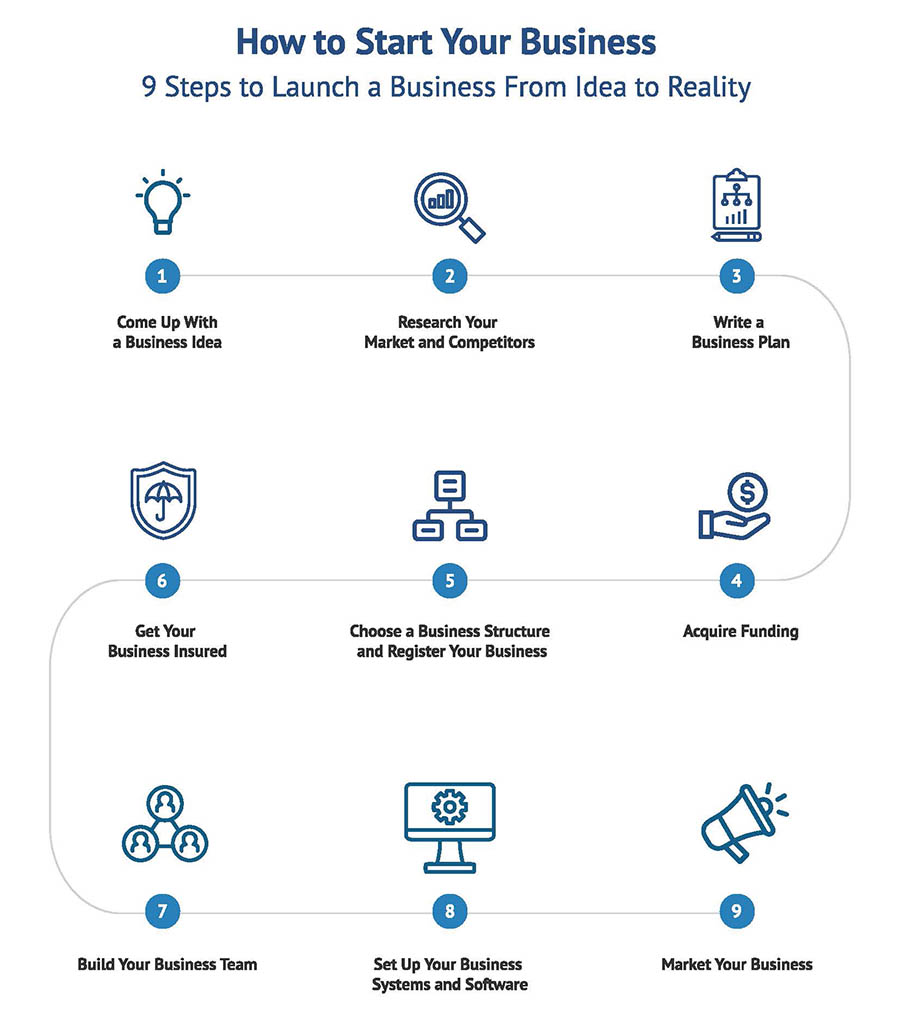
Starting a small business is often viewed through the lens of passion and creativity, yet the foundation of any sustainable enterprise is rooted in rigorous financial management. Transitioning from an idea to a revenue-generating entity requires a shift in mindset from a consumer to a capital allocator. To build a business that survives the volatile first five years, an entrepreneur must master the art of financial planning, capital sourcing, and fiscal discipline. This guide outlines the essential financial pillars necessary to launch and sustain a new venture in today’s economic landscape.
Assessing Capital Requirements and the Cost of Entry
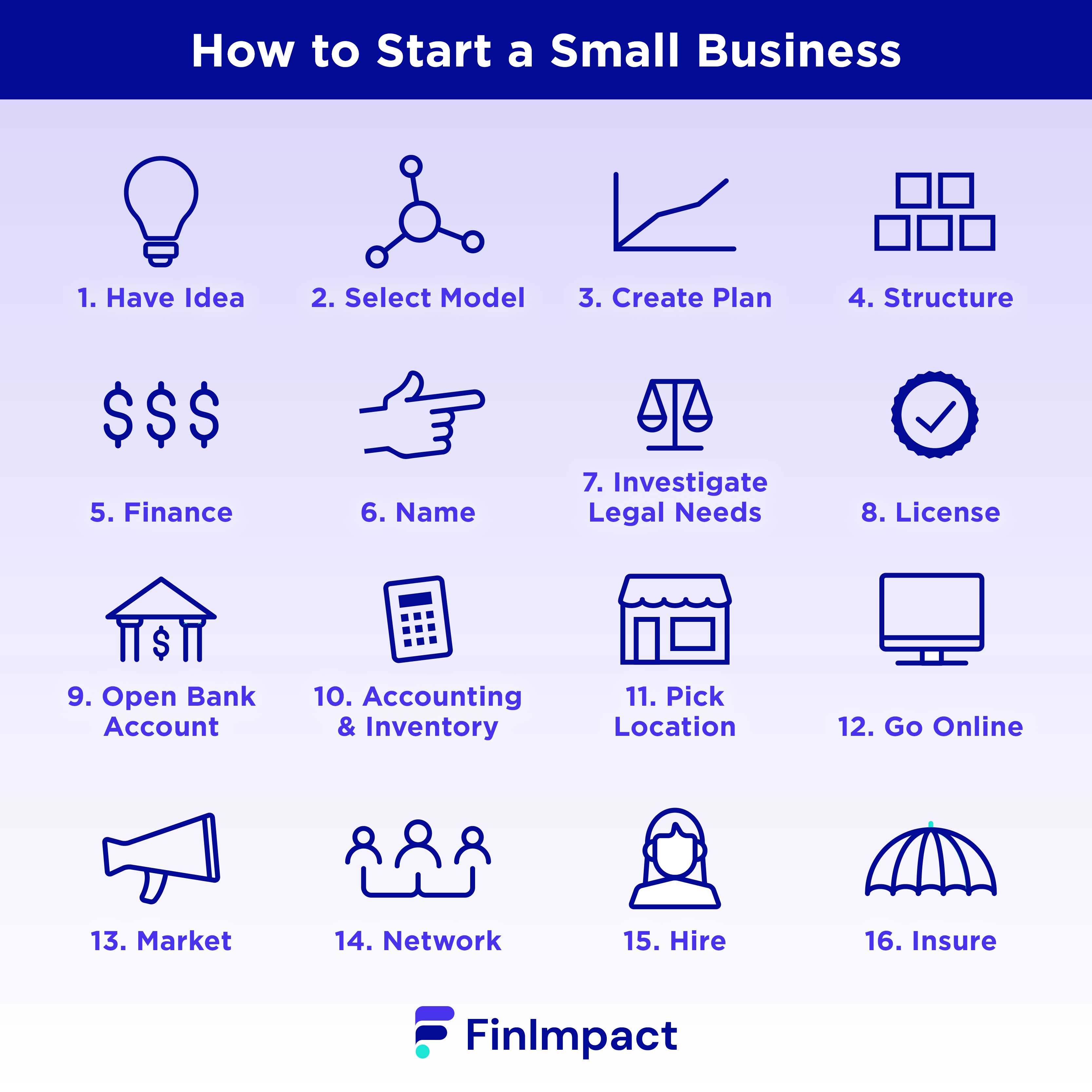
Before a single product is sold or a service is rendered, a founder must quantify the financial barrier to entry. This phase, often called the “capital assessment,” determines the feasibility of the business model.
Calculating Startup Costs
Startup costs fall into two distinct categories: one-time expenses and ongoing operating expenses. One-time costs include legal fees for business incorporation, initial inventory procurement, licensing, and equipment purchases. Operating expenses, or “burn rate,” represent the monthly cash outflow required to keep the lights on—rent, utilities, payroll, and insurance. A common financial mistake is underestimating these figures. A prudent approach is to calculate the total estimated startup cost and add a 20% contingency buffer to account for unforeseen market shifts or supply chain disruptions.
Understanding the Runway
The concept of “runway” is the amount of time a business can remain operational before it runs out of cash, assuming no additional revenue is generated. Calculating your runway involves dividing your total available liquid capital by your monthly burn rate. For a new small business, a six-month runway is the absolute minimum requirement, though a twelve-month cushion is preferred. This financial safety net allows the founder to focus on strategic growth rather than desperate, short-term survival tactics.
Developing a Pro Forma Financial Statement
A pro forma statement is a forward-looking financial document that projects future income and expenses. It is not a guess; it is an educated forecast based on market research and historical data from similar industries. This document helps you identify when the business will reach its “break-even point”—the moment when total revenue equals total expenses. Understanding the timeline to profitability is crucial for maintaining personal financial stability and communicating with potential stakeholders.
Strategic Funding and Capital Sourcing
Once the capital requirements are identified, the next step is determining where that money will come from. The choice of funding is one of the most significant financial decisions a founder will make, as it dictates the ownership structure and the long-term cost of capital.
Bootstrapping and Personal Investment
Bootstrapping is the process of starting a business using personal savings and the initial revenue generated by the company. Financially, this is the lowest-risk method in terms of debt, as it avoids interest payments and equity dilution. However, it places the entirety of the financial risk on the individual. Founders who choose this path must maintain a strict separation between personal and business finances to ensure that their personal net worth is protected from business liabilities.
Debt Financing: Loans and Lines of Credit
Small business loans and lines of credit are traditional methods of injecting capital into a venture. The primary advantage of debt financing is that the founder retains full ownership of the company. However, the cost of this capital is reflected in the interest rate. In a high-interest-rate environment, debt can become a heavy burden that eats into profit margins. When considering a loan, it is vital to analyze the Debt Service Coverage Ratio (DSCR), which measures the business’s ability to use its operating income to pay off its debt obligations.
Equity Financing and Private Investment
For businesses with high scalability, seeking external investors—such as angel investors or venture capitalists—may be appropriate. This involves selling a percentage of the company in exchange for capital. While this provides a significant cash infusion without the obligation of monthly repayments, the “cost” is the loss of equity and a portion of future profits. Financially, this is a trade-off: you are opting for a smaller piece of a potentially much larger pie.
Establishing a Robust Revenue Model and Profitability
A business is only as strong as its ability to generate a profit. Beyond just selling a product, a small business must have a strategic revenue model that accounts for margins, pricing elasticity, and customer lifetime value.
Unit Economics and Margin Analysis
To ensure long-term viability, a founder must understand the unit economics of their business—the direct revenues and costs associated with a single unit of sale. The Gross Margin (Revenue minus Cost of Goods Sold) must be high enough to cover not only the product itself but also the indirect overhead and the desired profit. If the margins are too thin, the business will struggle to scale, as every new sale brings with it a proportionate increase in cost without providing enough surplus to reinvest.
Pricing Strategies for Market Entry
Pricing is a financial lever that directly impacts demand and brand positioning. A “Cost-Plus” pricing model adds a standard markup to the cost of production, while “Value-Based” pricing sets the price according to the perceived value to the customer. For a new small business, penetration pricing (offering lower prices to gain market share) can be effective but dangerous if it leads to a “race to the bottom” where profitability is sacrificed for volume.
Managing Cash Flow vs. Profit
One of the most critical lessons in business finance is that profit is not the same as cash flow. A business can be profitable on paper but still go bankrupt if its cash is tied up in accounts receivable or inventory. Efficient cash flow management involves shortening the time between paying for supplies and receiving payment from customers. Implementing strict payment terms and utilizing digital payment tools can accelerate cash inflows and provide the liquidity necessary for daily operations.
Tax Strategy and Financial Compliance
Navigating the tax landscape is a fundamental part of business finance. Proper tax planning can save a small business thousands of dollars annually, which can then be reinvested into growth.
Selecting the Right Legal Structure
The legal structure of a business—be it a Sole Proprietorship, LLC, S-Corp, or C-Corp—has profound implications for how the owner is taxed. For example, an S-Corp allows owners to be treated as employees, potentially saving on self-employment taxes. Conversely, an LLC offers flexibility and protection of personal assets. Choosing the correct structure is a financial maneuver that should be aligned with the long-term income goals of the founder.
Tax Deductions and Credits
Small business owners have access to a variety of tax deductions that can lower their taxable income. These include home office deductions, travel expenses, marketing costs, and depreciation on equipment. Furthermore, certain industries may qualify for tax credits, such as the Research and Development (R&D) tax credit, which provides a dollar-for-dollar reduction in tax liability. Maintaining meticulous records and utilizing cloud-based accounting software is essential for maximizing these benefits.
Regulatory Compliance and Auditing
Financial integrity is the bedrock of business longevity. This includes staying compliant with payroll taxes, sales tax collection, and annual filings. Establishing an “audit-ready” bookkeeping system from day one ensures that the business can pass scrutiny from tax authorities or potential buyers in the future. Investing in a professional accountant or a fractional CFO (Chief Financial Officer) is often a high-ROI decision for a new business owner.
Scaling, Reinvestment, and Personal Wealth Integration
The ultimate goal of starting a small business is often to create an asset that grows in value. This requires a disciplined approach to how profits are utilized once the business becomes stable.
The Power of Reinvestment
Once a business becomes profitable, the founder faces a choice: withdraw the profits as personal income or reinvest them back into the company. Reinvestment is the engine of compound growth. By funding new marketing campaigns, hiring talent, or upgrading technology, the business can increase its market share and future earning potential. A balanced approach—taking a reasonable salary while leaving enough capital for growth—is the hallmark of a financially savvy entrepreneur.
Diversification and Risk Management
For many small business owners, the business represents the majority of their net worth. This lack of diversification is a significant financial risk. As the business matures, it is wise to take “chips off the table” by investing business profits into other asset classes, such as stocks, real estate, or retirement accounts (like a SEP IRA or Solo 401(k)). This ensures that the founder’s personal financial future is not entirely dependent on the success or failure of a single enterprise.
Building for Exit or Legacy
Even at the start, an entrepreneur should consider the “end game.” Is the goal to build a lifestyle business that provides a steady income, or an entity that can be sold for a multiple of its earnings? A business that is financially transparent, has diversified revenue streams, and operates independently of the founder is an incredibly valuable financial asset. By focusing on the bottom line and building a robust financial infrastructure, you are not just starting a job; you are creating wealth.
aViewFromTheCave is a participant in the Amazon Services LLC Associates Program, an affiliate advertising program designed to provide a means for sites to earn advertising fees by advertising and linking to Amazon.com. Amazon, the Amazon logo, AmazonSupply, and the AmazonSupply logo are trademarks of Amazon.com, Inc. or its affiliates. As an Amazon Associate we earn affiliate commissions from qualifying purchases.