
In today’s increasingly digital financial landscape, the act of cashing a physical check might seem like a relic of the past for some. However, paper checks remain a fundamental part of commerce and personal finance for millions of people. Whether you’ve received a payment from a client, a birthday gift from a relative, or a refund, knowing the most efficient and cost-effective ways to access those funds is crucial. When faced with a check issued from Bank of America, one of the largest financial institutions in the United States, a clear understanding of your options can save you time, money, and unnecessary hassle.
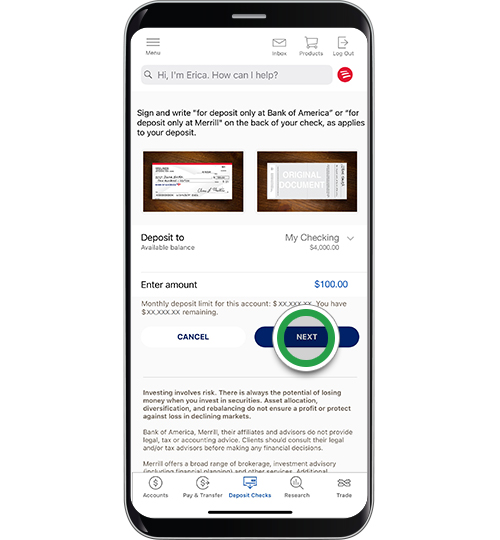
This article delves into the various avenues available for cashing a Bank of America check, offering practical advice for both Bank of America account holders and those who bank elsewhere. We’ll explore the primary routes, detail alternative services, dissect the associated fees, and provide essential tips for a smooth and secure transaction. Understanding these processes is not merely about convenience; it’s about navigating the practicalities of personal finance with confidence and insight.
The Primary Route: Cashing Your Check at Bank of America Itself
For many, the most logical first step when holding a Bank of America check is to approach a Bank of America branch. This option often provides the most straightforward path to accessing your funds, especially if you already have a relationship with the bank.
For Bank of America Account Holders
If you are an existing Bank of America customer, cashing a check drawn on the same bank is typically a seamless process. You can simply visit any Bank of America branch, present your check along with your debit card or account number, and your identification. The funds are usually made immediately available, or deposited into your account, often without any fees.
Beyond in-person visits, Bank of America offers several convenient options for its account holders:
-
ATM Deposits: Many Bank of America ATMs accept check deposits. You simply insert the check, and the machine reads the amount. While the funds might not be immediately available (a hold period may apply depending on the check amount and your banking history), this is a quick way to deposit funds outside of branch hours.
-
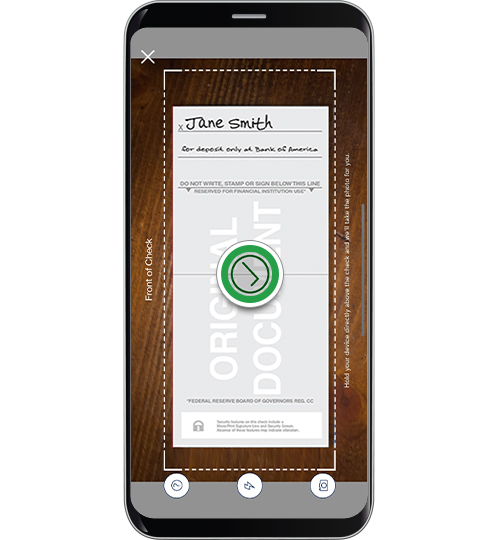
Mobile Check Deposit: The Bank of America mobile app features a robust mobile check deposit function. By simply taking photos of the front and back of your endorsed check, you can deposit it directly into your account from virtually anywhere. This is often the most convenient method, though availability of funds is subject to the bank’s standard hold policies. It’s crucial to endorse the check with “For Mobile Deposit Only at Bank of America” along with your signature.
For Non-Account Holders: A Courtesy Service
Even if you don’t bank with Bank of America, you can often cash a Bank of America check at one of their branches. While banks are generally obligated to honor checks drawn on their accounts, they are also within their rights to charge a fee for this service, especially to non-customers. This is often referred to as a “non-customer check cashing fee.”
When attempting to cash a check as a non-account holder, the teller will verify the check’s authenticity and ensure there are sufficient funds in the issuing account. They will also require robust identification from you. While this service is a common courtesy, it’s important to be prepared for the fee, which can vary but typically ranges from $0 to $8 depending on the state and the bank’s policy. Always inquire about any fees upfront.
Necessary Documentation and Procedures
Regardless of whether you are a Bank of America customer or not, bringing the correct documentation is paramount for a successful transaction:
-
Valid Photo Identification: This is non-negotiable. Acceptable forms typically include a government-issued ID such as a driver’s license, state ID card, military ID, or passport. The ID must be current and clearly show your photo and signature.
-
The Check Itself: Ensure the check is properly dated, made out to you, and signed by the issuer.
-
Endorsement: You will need to endorse the back of the check by signing your name exactly as it appears on the “Pay to the Order of” line on the front. For mobile deposits, specific endorsement phrases may also be required.
Always remember that the bank reserves the right to refuse to cash a check if they suspect fraud, if the identification is insufficient, or if there are any discrepancies with the check.
Exploring External Options: Cashing a BofA Check Elsewhere
While Bank of America branches offer a direct route, numerous other venues can also help you cash a check, providing flexibility, particularly if a BofA branch isn’t conveniently located or if you prefer to avoid their non-customer fees.
Major Retailers with Check Cashing Services
Several large retail chains offer check cashing services, often at competitive rates or even for free for certain types of checks. These can be particularly useful as they typically have extended hours compared to traditional banks.
-
Walmart: Widely known for its check cashing services, Walmart generally cashes payroll checks, government checks, tax checks, cashier’s checks, insurance settlement checks, and MoneyGram money orders. They have limits on the check amount (e.g., up to $5,000 for a fee of $4, and up to $7,500 from January to April for a fee of $8). You will need a valid ID.
-
Kroger Family Stores (e.g., Kroger, Fred Meyer, King Soopers): Many grocery store chains within the Kroger family also offer check cashing, often for a small fee. They typically accept payroll checks, government checks, and sometimes even personal checks from known local banks. Limits and fees vary by location.
-
Other Grocery Stores: Many regional grocery chains and supermarkets also provide this service. It’s always a good idea to call ahead to your local store to confirm their policy, fees, and accepted check types.
The primary advantages of using retailers include convenience and potentially lower fees than dedicated check cashing stores. However, limits on check amounts and types can be a constraint.
Dedicated Check Cashing Stores
For situations where other options are unavailable, or if you need cash immediately and cannot meet traditional bank requirements, dedicated check cashing stores (e.g., ACE Cash Express, Check ‘n Go) offer a solution. These establishments specialize in cashing various types of checks, including personal checks, payroll checks, and government checks.
While they are highly accessible and often have liberal policies regarding check types and amounts, the convenience comes at a higher cost. Their fees are typically percentage-based, meaning the larger the check, the more you will pay. These fees can range from 1% to 12% or more, significantly eroding the value of your check. Always compare rates and understand the total cost before proceeding. They also require valid identification.
Other Financial Institutions (Your Own Bank)
If you have an account at another bank or credit union, you can generally deposit a Bank of America check into your account there. This is often the most cost-effective solution, as most banks offer free check deposits to their account holders.
-
In-Branch Deposits: Simply visit your bank or credit union branch, fill out a deposit slip, and hand the endorsed check and your ID to the teller.
-
ATM Deposits: Similar to Bank of America’s ATMs, your bank’s ATMs will likely accept check deposits.
-
Mobile Deposit: Most modern banking apps offer mobile check deposit, allowing you to deposit the check using your smartphone.
The main consideration with depositing a check at your own bank is the potential for a hold period. While some funds may be immediately available, particularly for smaller checks or established accounts, larger checks or new accounts might have a hold for a few business days while the funds clear between banks. Understanding your bank’s funds availability policy is important to avoid unexpected delays.
Understanding the Costs: Fees Associated with Cashing Checks
Navigating the various options for cashing a Bank of America check also means understanding the potential costs involved. Fees can significantly impact the final amount you receive, making it crucial to be informed.
Fees at Bank of America
-
For Account Holders: Generally, there are no fees for Bank of America account holders to cash or deposit a BofA check into their own account.
-
For Non-Account Holders: As mentioned, Bank of America typically charges a fee for cashing a check if you are not an account holder. This fee can vary, but common amounts range from $5 to $8. It’s essential to confirm the exact fee at the branch before proceeding.
Fees at Retailers and Check Cashing Stores
-
Retailers: Major retailers like Walmart typically charge a flat, low fee for check cashing, often between $4 and $8, depending on the check amount and the specific store’s policy. These are generally transparent and clearly posted.
-
Dedicated Check Cashing Stores: These establishments usually have the highest fees, often calculated as a percentage of the check’s value. This percentage can range widely, from 1% to over 10%, meaning a $1,000 check could incur fees of $10 to $100 or more. While convenient, the cost can be substantial.
Potential Hold Times and Availability of Funds
Even if there are no direct fees, the time it takes for funds to become available can be a “cost” in terms of immediate liquidity.
-
Immediate Availability: Cashing a check at the issuing bank (Bank of America, if you’re a BofA account holder) often results in immediate access to funds.
-
Deposit Holds: When depositing a check at your own bank (different from Bank of America) or via ATM/mobile deposit, a hold period may apply. Federal regulations dictate that banks must make the first $225 of a deposit available by the next business day, but for larger amounts, the hold can extend to two business days or more. For very large checks, new accounts, or checks with red flags, holds can sometimes last up to 7-10 business days. Always ask your bank about their specific funds availability policy.
Essential Preparation: What to Bring and How to Protect Yourself
Ensuring a smooth and secure check cashing experience goes beyond knowing where to go; it involves being adequately prepared and vigilant against potential fraud.
Required Identification and Endorsement
-
Valid Photo ID: This is your primary tool for verification. Ensure it’s current, legible, and matches the name on the check. A driver’s license, state ID, military ID, or passport are generally accepted.
-
Proper Endorsement: Before heading to the bank or store, endorse the back of the check by signing your name exactly as it appears on the payee line. For mobile deposits, add “For Mobile Deposit Only” or similar phrasing. Do not sign the check until you are ready to complete the transaction, as an uncashed, endorsed check is more susceptible to fraud if lost or stolen.
Verifying Check Authenticity
Unfortunately, check fraud is a persistent issue. While banks and retailers have systems to detect fraudulent checks, it’s wise to be aware of red flags yourself:
-
Unusual Check Features: Look for irregular fonts, misspelled words, or poorly printed logos. Most legitimate checks have micro-printing along the border that is tiny and clear, not blurry.
-
Excessive Amounts or Overpayments: Be wary of checks that are for an unusually large sum, or if you are asked to cash a check for more than what you are owed and then asked to return the difference to the issuer. This is a common scam tactic.
-
“Official” Look but Poor Quality: Scammers often try to make checks look official. If the paper quality feels off or if there are any signs of alteration, proceed with extreme caution.
-
Sudden or Unexpected Checks: If you receive a check out of the blue, especially from someone you don’t know or for a service you didn’t provide, be highly suspicious.
If you have any doubts about a check’s authenticity, contact the issuing bank directly (using a number you find independently, not one provided on the check itself) or the person/company who issued it to verify its legitimacy before attempting to cash it.
Security Best Practices and Fraud Prevention
-
Don’t Share Personal Information: Be cautious about providing sensitive personal or banking information to unknown parties when dealing with checks.
-
Secure Your Checks: Treat physical checks like cash. Keep them in a secure place until you’re ready to deposit or cash them.
-
Review Your Statements: Regularly review your bank statements to catch any unauthorized transactions promptly.
-
Know Your Limits: Understand the daily or per-transaction limits for cashing checks at various establishments.
-
Use Reputable Services: Stick to well-known banks, credit unions, and established retailers for your check cashing needs to minimize risks.
Modern Convenience: Digital Alternatives and Future Trends in Check Cashing
While this article focuses on cashing physical checks, it’s worth acknowledging the broader shift towards digital financial tools that often render the need for physical check cashing obsolete. These modern solutions offer unparalleled convenience and security, aligning with current trends in personal finance management.
Mobile Check Deposit: The Digital Solution
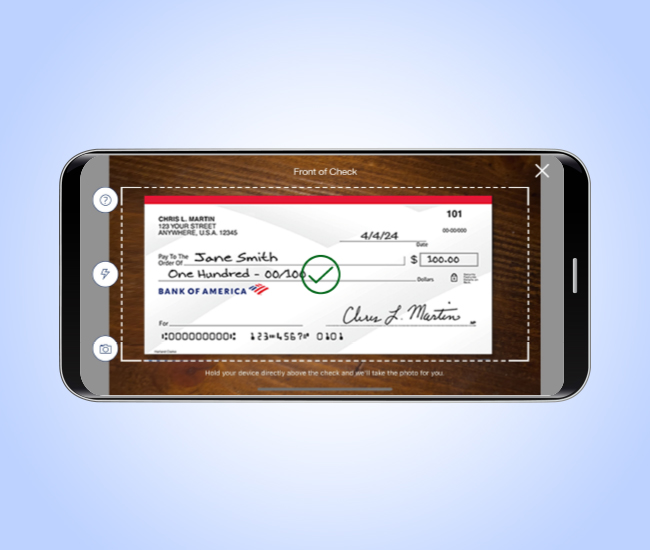
As highlighted earlier, mobile check deposit via your bank’s app is arguably the most convenient method for handling a Bank of America check if you have a bank account. It eliminates the need to travel to a physical location, saving time and transportation costs. The process is simple: endorse the check, open your banking app, select the deposit option, photograph the front and back of the check, and confirm the deposit. Funds are subject to the bank’s availability policy but generally clear quickly. This method aligns perfectly with modern personal finance management, allowing you to manage your money from anywhere.
Peer-to-Peer Payments and Direct Deposit
For recurring payments or transactions between individuals, peer-to-peer (P2P) payment services like Zelle (which is integrated into Bank of America’s app), Venmo, or PayPal have largely replaced the need for physical checks. These services allow for instant or near-instant transfers of funds directly between bank accounts or digital wallets, eliminating the check-cashing step entirely.
Furthermore, for regular income, establishing direct deposit with your employer is the ultimate digital solution. Funds are automatically transferred to your bank account on payday, bypassing physical checks, hold times, and potential fees. This is a fundamental aspect of efficient personal financial planning.
The Evolving Landscape of Financial Transactions
The trend is clear: the financial industry is moving towards faster, more secure, and entirely digital transactions. While physical checks will likely remain in circulation for specific scenarios (e.g., legal settlements, unique payments), their prevalence is diminishing. Understanding how to navigate physical checks remains an essential skill for managing your money effectively, but embracing digital financial tools offers greater efficiency and control over your personal finance. Staying informed about these evolving methods ensures you’re always using the most advantageous and secure ways to access and manage your funds.
In conclusion, whether you’re a Bank of America account holder or not, several viable options exist for cashing a Bank of America check. By understanding the processes, fees, and requirements associated with each, you can make an informed decision that best suits your needs, ensuring secure and efficient access to your money.
aViewFromTheCave is a participant in the Amazon Services LLC Associates Program, an affiliate advertising program designed to provide a means for sites to earn advertising fees by advertising and linking to Amazon.com. Amazon, the Amazon logo, AmazonSupply, and the AmazonSupply logo are trademarks of Amazon.com, Inc. or its affiliates. As an Amazon Associate we earn affiliate commissions from qualifying purchases.