
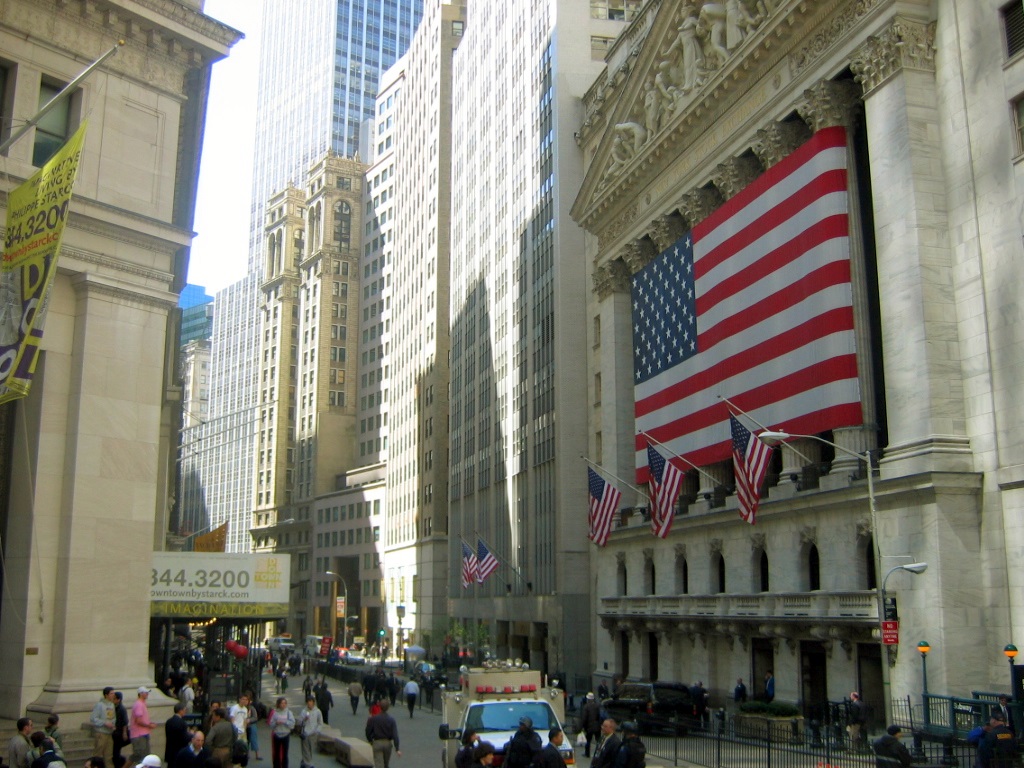
To understand the global financial ecosystem, one must look toward a small, cobblestoned stretch of land in Lower Manhattan. The question “When did Wall Street open?” carries dual significance. It refers to both the historical birth of the street as a center of commerce and the specific daily operational hours that dictate the flow of trillions of dollars in capital. For the modern investor, the history of Wall Street is not merely a collection of dates; it is a blueprint of how modern capitalism was constructed, regulated, and scaled to its current height.
The Physical and Historical Origins of Wall Street
Before it was a global synonym for high finance, Wall Street was a literal boundary. Its name dates back to the 17th century when New York was still the Dutch settlement of New Amsterdam.
The 17th-Century Barrier
In 1653, the Dutch West India Company, fearing an invasion from the English or attacks from indigenous tribes, ordered the construction of a defensive wooden palisade. This wall stretched across the northern edge of the settlement, from the East River to the Hudson River. While the wall was eventually dismantled by the British in 1699, the path it followed became a permanent fixture of the city’s geography.
During this era, Wall Street was a hub for various forms of trade, including the auctioning of commodities, livestock, and, tragically, enslaved people. However, the seeds of a financial market were planted here as merchants gathered to trade imported goods and shares in voyages. This informal marketplace laid the groundwork for the organized exchange that would follow a century later.
From Real Estate to a Financial Hub
Following the American Revolutionary War, the newly formed United States government faced significant debt. To manage this, the First Congress issued $80 million in government bonds. This surge in tradeable securities necessitated a more formal marketplace. Alexander Hamilton’s vision for a centralized financial system transformed Wall Street from a residential and mercantile street into the nerve center of the nation’s credit and capital. By the late 1700s, speculators and merchants began congregating regularly near a specific buttonwood tree to trade these government bonds and bank stocks.
1792: The Defining Moment of Organized Investing
While the street existed for over a century prior, the “opening” of Wall Street as an organized financial institution is officially dated to May 17, 1792. This was the day the Buttonwood Agreement was signed, effectively creating the precursor to the New York Stock Exchange (NYSE).
The Gathering Under the Tree
Twenty-four of New York City’s most prominent brokers and merchants met under a buttonwood tree outside of 68 Wall Street. Their goal was to bring order to a market that was previously chaotic and rife with unscrupulous middle-men. Before this agreement, auctions were disorganized, and there was no standard for commissions or trading conduct.
The Buttonwood Agreement was a simple, two-sentence document. It established two critical rules: the brokers would only trade with each other, and they would maintain a fixed commission rate of 0.25%. This created an exclusive club that fostered trust and liquidity, two essential ingredients for a functioning capital market.
Standardizing the Marketplace
The 1792 agreement moved trading from the sidewalk into more formal settings, most notably the Tontine Coffee House. This was a pivotal shift. By moving indoors, the brokers could curate the list of traded securities and establish a more rigorous set of bylaws. In 1817, the group drafted a formal constitution and renamed themselves the New York Stock & Exchange Board.
This institutionalization was vital for the growth of the American economy. As the country expanded westward, the need for capital to fund canals, railroads, and industrial manufacturing grew. The organized exchange on Wall Street provided a mechanism for companies to raise massive amounts of capital from the public, a process that remains the cornerstone of corporate finance today.
The Institutional Evolution of the New York Stock Exchange
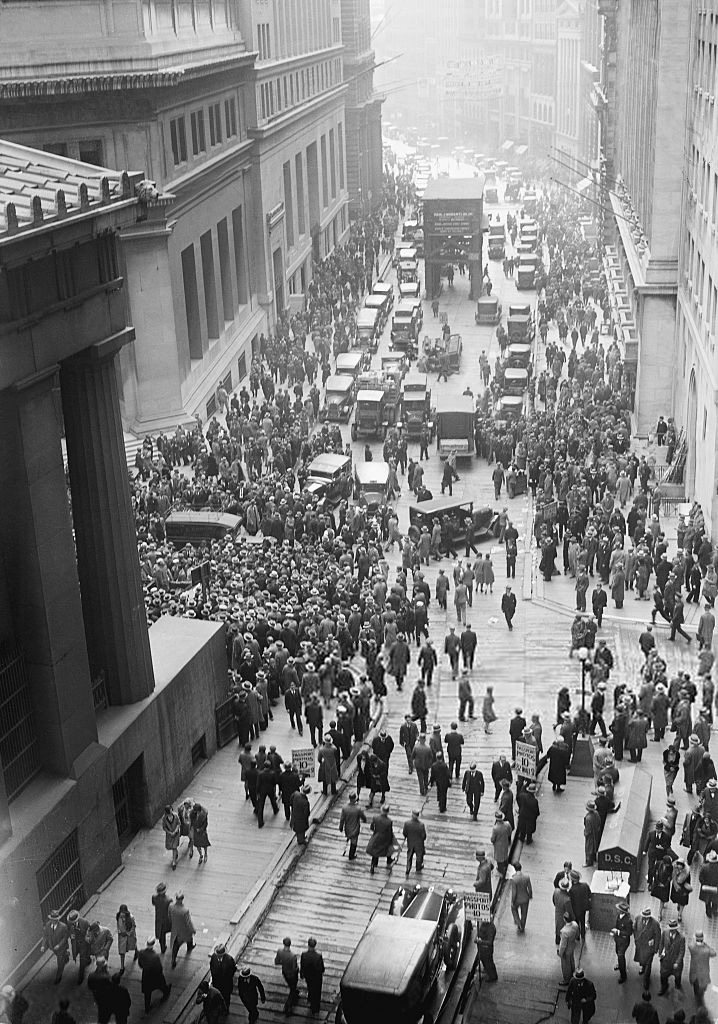
The transition from a coffee house gathering to the “Big Board” was marked by technological leaps and structural changes that defined the “opening” of the modern era of investing.
The Move Indoors and Modernization
In 1863, the organization officially became the New York Stock Exchange. Two years later, it moved into its permanent home at 10-12 Broad Street, just off Wall Street. This location became the iconic face of global finance. During this period, the “opening” of the market began to take on a more rhythmic, daily cadence.
The introduction of the stock ticker in 1867 revolutionized how information flowed. Before the ticker, stock prices were delivered by hand, often resulting in significant delays for investors outside of New York. The ticker allowed for near real-time price discovery, making it possible for a broader segment of the population to participate in the market. This democratization of data was a precursor to the digital platforms used by millions of retail investors today.
The Ticker Tape and the Industrial Revolution
As the 19th century progressed into the 20th, the volume of trading exploded. The “opening” of Wall Street each morning became a major national event, signaled initially by a gavel and later by the famous brass bell. The Dow Jones Industrial Average (DJIA) was created in 1896, providing a benchmark that allowed investors to see, at a glance, how the overall market was performing. This shift toward indexing and performance tracking turned Wall Street from a niche interest for the wealthy into a vital component of the American middle class’s long-term financial health.
Navigating the Rhythms of the Modern Market: Opening and Closing Times
For the modern investor, the question of when Wall Street opens is practical rather than historical. Understanding the current schedule is essential for executing trades, managing volatility, and understanding liquidity.
The Core Trading Session
The New York Stock Exchange and the NASDAQ currently operate on a standardized schedule. The primary trading session opens at 9:30 AM Eastern Time (ET) and closes at 4:00 PM ET. These hours were not always the standard; in the early 20th century, the market often closed earlier, and for many years, the NYSE was open for half-days on Saturdays. The current five-day, 6.5-hour schedule was finalized in 1985 to better align with international markets and the needs of institutional traders.
The “Opening Bell” at 9:30 AM is more than just a tradition. It marks the moment of price discovery, where overnight news and international market movements are finally priced into American equities. This first hour of trading is often the most volatile, as a high volume of orders is processed simultaneously.
After-Hours and Pre-Market Dynamics
In the digital age, Wall Street never truly sleeps. While the physical floor may have set hours, electronic communication networks (ECNs) allow for extended-hours trading.
-
Pre-Market Trading: Usually occurs from 4:00 AM to 9:30 AM ET.
-
After-Hours Trading: Usually occurs from 4:00 PM to 8:00 PM ET.
While these sessions provide flexibility, they come with significant risks. Liquidity is much lower than during the core session, meaning price swings can be more dramatic and the “spread” (the difference between the buy and sell price) can be wider. For the retail investor, understanding these “opening” dynamics is crucial for avoiding unnecessary losses during periods of low volume.
Why the History of Wall Street Matters for the Modern Investor
Reflecting on when Wall Street opened provides perspective on the resilience and adaptability of the financial markets. From a wooden wall in a Dutch colony to a sophisticated global digital network, the evolution of this marketplace mirrors the evolution of the global economy itself.
The Foundations of Trust and Liquidity
The Buttonwood Agreement taught us that a market only functions if there is a standardized set of rules and a high level of transparency. When we look at modern financial tools—from robo-advisors to high-frequency trading algorithms—they all rely on the same fundamental principle of liquidity established in 1792. Investors provide capital in exchange for ownership, and the exchange ensures that there is always a way to enter or exit that position.
The Resilience Through Crisis
Wall Street has “opened” through the Civil War, two World Wars, the Great Depression, the 1987 crash, and the 2008 financial crisis. Each of these events led to new regulations, such as the Securities Act of 1933 and the creation of the SEC, which further refined what it means for the market to be “open” and fair. For someone building a side hustle or an investment portfolio today, this history serves as a reminder that the market is designed to survive volatility.
The Future of the Opening Bell
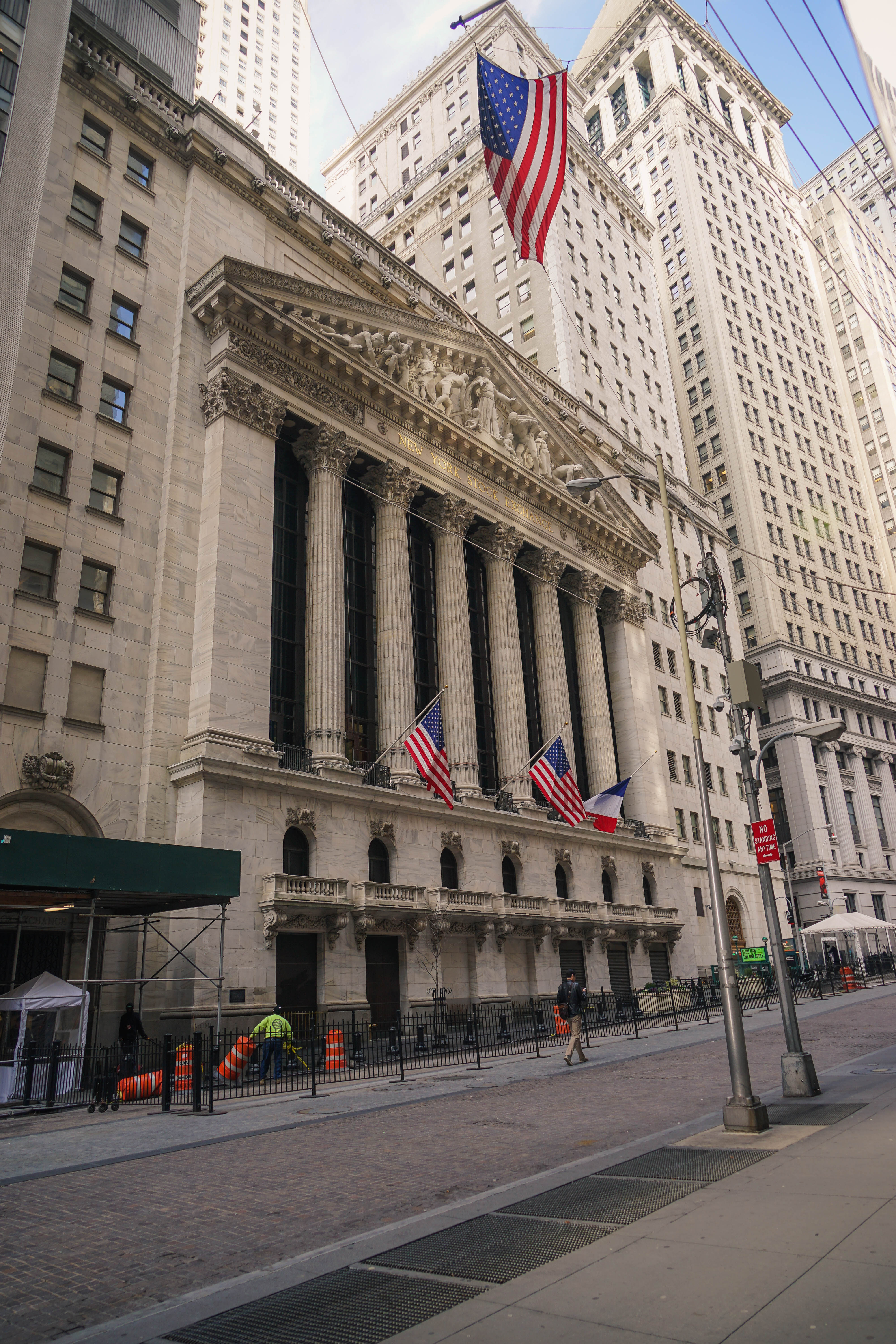
As we look toward the future, the concept of an “opening time” is becoming increasingly fluid. With the rise of cryptocurrency markets that trade 24/7 and the globalization of finance, there is ongoing debate about whether the NYSE should eventually move to a 24-hour model. However, the tradition of the 9:30 AM opening remains a vital anchor for the financial world, providing a concentrated window of liquidity that ensures stable price discovery for the world’s largest companies.
Understanding when and how Wall Street opened allows an investor to appreciate the institutional strength of the assets they hold. It transforms the stock market from a series of flashing numbers on a screen into a storied institution that has powered centuries of economic growth and wealth creation. Whether you are a seasoned trader or just starting your journey toward financial independence, the history of Wall Street is the history of the opportunity you are now participating in.
aViewFromTheCave is a participant in the Amazon Services LLC Associates Program, an affiliate advertising program designed to provide a means for sites to earn advertising fees by advertising and linking to Amazon.com. Amazon, the Amazon logo, AmazonSupply, and the AmazonSupply logo are trademarks of Amazon.com, Inc. or its affiliates. As an Amazon Associate we earn affiliate commissions from qualifying purchases.