
The allure of building an online business is more potent today than ever before. With lower barriers to entry, global reach, and unparalleled flexibility, launching an online venture offers a pathway to financial independence and the freedom to pursue your passions. However, the journey from idea to profitable enterprise demands meticulous planning, especially concerning the financial bedrock of your operation. This guide will navigate the essential monetary considerations, from initial investment to sustainable growth, ensuring your online business isn’t just a dream, but a robust, revenue-generating reality.
Laying the Financial Foundation for Your Online Venture
Every successful online business begins with a clear understanding of its financial trajectory. This foundational stage involves more than just an idea; it requires a strategic financial blueprint that anticipates costs, identifies revenue potential, and establishes a realistic path to profitability. Without a solid financial foundation, even the most innovative online concepts can falter.
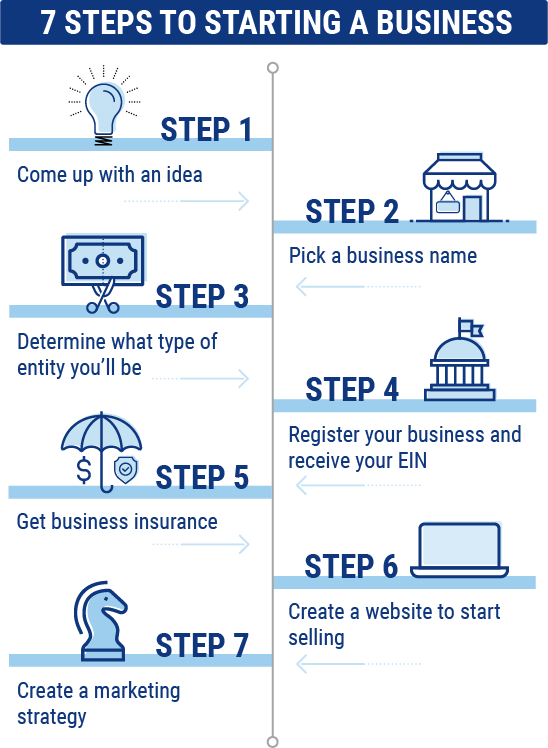
Identifying a Profitable Niche and Business Model
The first financial consideration is selecting a niche that not only aligns with your expertise or passion but also possesses demonstrable market demand and profitability. A common mistake is to chase saturated markets or pursue ideas with no clear monetization path. Research is paramount: identify pain points that customers are willing to pay to solve, or desires they are eager to fulfill. Analyze competitor pricing, market size, and potential customer acquisition costs.
Consider various online business models and their inherent financial implications:
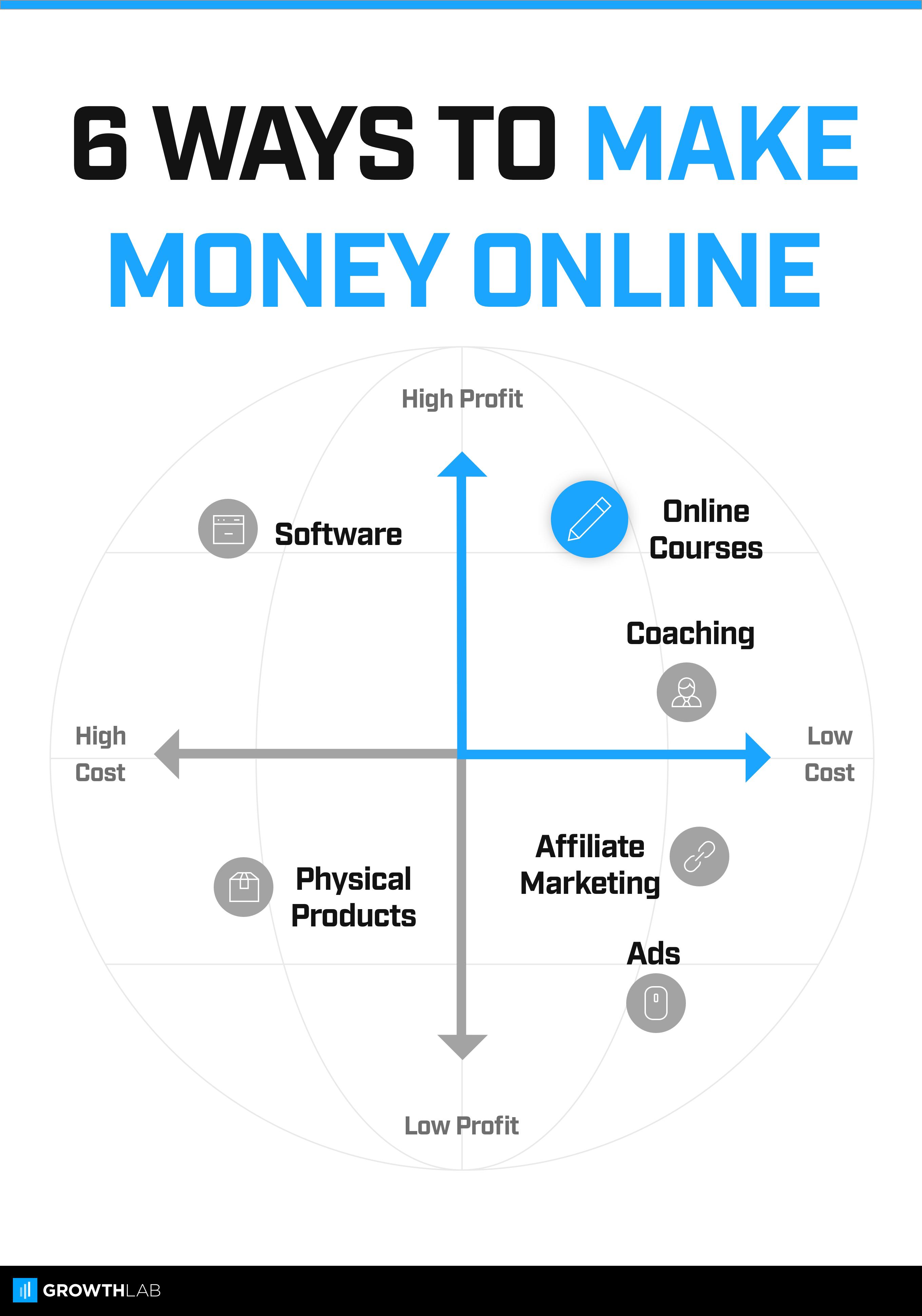
- E-commerce (selling physical products): Requires inventory investment, shipping costs, payment processing fees, and robust marketing.
- Services (consulting, coaching, freelancing): Often lower startup costs, as your time and expertise are the primary assets, but scalability can be challenging without hiring.
- Digital Products (e-books, courses, software): High upfront development costs, but virtually no ongoing cost per sale, leading to high-profit margins once created.
- Affiliate Marketing: Leverages existing products, requiring minimal upfront investment beyond marketing efforts, with revenue tied to commissions.
- Subscription Models (SaaS, content platforms): Focus on recurring revenue, building long-term customer value, but demand continuous product development and customer retention strategies.
Your chosen model will dictate much of your financial planning, from initial capital requirements to ongoing operational expenses and revenue projections. Focus on models that offer a clear path to profitability and align with your financial risk tolerance.
Crafting a Detailed Business Plan with Financial Projections
Once you’ve identified a niche and business model, the next critical step is to formalize your financial strategy within a comprehensive business plan. This document serves as your financial roadmap, guiding decisions and attracting potential investors if needed. Beyond market analysis and operational strategy, the financial section is crucial.
Key components of your financial projections should include:
- Startup Costs: A meticulous breakdown of all one-time expenses required to launch (e.g., website development, initial inventory, legal fees, software licenses, branding).
- Operating Expenses: Recurring monthly costs to keep your business running (e.g., hosting fees, marketing budget, software subscriptions, salaries, utilities). Differentiate between fixed costs (consistent) and variable costs (fluctuate with sales volume).
- Revenue Projections: Realistic forecasts of sales volume and corresponding income for the first 1-3 years. Base these on market research, pricing strategy, and conservative estimates of customer acquisition. Don’t overpromise; it’s better to under-promise and over-deliver.
- Break-Even Analysis: Determine the point at which your revenue equals your total costs. This is a vital metric to understand how much you need to sell to simply cover your expenses, let alone make a profit.
- Cash Flow Statement: A projection of money flowing into and out of your business over a specific period. Positive cash flow is essential for survival, even if your business is technically profitable.
- Profit and Loss (P&L) Statement: Forecasts your net profit or loss over time, detailing revenues, costs of goods sold, and operating expenses.
A well-researched financial plan not only helps you secure funding but also provides a realistic understanding of the financial commitment and potential returns of your online venture. It forces you to think critically about every dollar spent and every dollar earned.
Understanding Startup Costs and Funding Options
Launching an online business, while potentially less capital-intensive than a brick-and-mortar store, still requires an initial investment. Understanding these startup costs and how you intend to fund them is paramount to avoiding financial pitfalls. Common startup expenses include:
- Technology: Domain registration, website hosting, e-commerce platform fees (e.g., Shopify, WooCommerce), premium themes or plugins, business email, essential software (accounting, CRM, project management).
- Legal & Administrative: Business registration, legal advice, trademark registration, necessary licenses or permits.
- Product Development/Inventory: Cost to create digital products, initial stock for physical products, packaging, photography.
- Marketing & Branding: Logo design, branding guidelines, initial ad spend, social media setup, content creation.
- Professional Services: Accountants, graphic designers, copywriters, virtual assistants.
Once you’ve itemized these costs, you need to determine your funding strategy. Common options include:
- Self-Funding (Bootstrapping): Using personal savings or income from a primary job. This offers maximum control but limits scalability. It’s often the most common path for online entrepreneurs.
- Friends and Family: Seeking investments or loans from your personal network. Be professional and put agreements in writing.
- Small Business Loans: Traditional bank loans, microloans, or SBA-backed loans. These often require a solid business plan and collateral.
- Crowdfunding: Platforms like Kickstarter or Indiegogo can raise capital by pre-selling products or offering unique rewards.
- Angel Investors/Venture Capital: For businesses with high growth potential, these investors provide significant capital in exchange for equity. Less common for initial online business launches unless the idea is exceptionally disruptive.
Choosing the right funding path involves weighing the amount of capital needed against the level of control you wish to maintain and your tolerance for debt or equity dilution. Start lean, prioritize essential spending, and always have a contingency fund.
Monetization Strategies and Revenue Streams
The core purpose of any business is to generate revenue. For an online business, this means strategically selecting and implementing monetization methods that align with your chosen niche, target audience, and business model. A robust monetization strategy is not just about making sales, but about optimizing those sales for maximum profitability and long-term sustainability.
Choosing Your Primary Income Generation Method
The foundation of your online business’s financial success lies in its primary income generation method. This choice is deeply intertwined with your niche and business model. Each method has distinct financial characteristics concerning setup costs, recurring expenses, profit margins, and scalability.
- E-commerce (Direct Sales): Selling physical or digital products directly to consumers via an online store. This requires managing product sourcing, inventory, order fulfillment, payment gateways, and customer service. Profit margins vary widely depending on the product, but successful e-commerce businesses focus on high-demand products with strong branding and efficient logistics.
- Service-Based (Consulting, Coaching, Freelancing): Monetizing your skills, expertise, or time. This often involves lower overhead costs initially, but revenue is directly tied to your billable hours or project capacity. Scaling typically involves raising rates, hiring a team, or packaging services into digital products or courses.
- Digital Products (Courses, E-books, Software, Templates): Creating and selling intellectual property. High upfront investment in creation, but once developed, the cost of replication and distribution is minimal, leading to high-profit margins. This model excels in scalability, as you can sell the same product repeatedly to an unlimited number of customers.
- Advertising and Sponsorships: Generating revenue by displaying ads (e.g., Google AdSense, direct ad sales) or partnering with brands for sponsored content (e.g., blog posts, videos, podcasts). This model typically requires significant traffic or audience engagement to be lucrative and can sometimes compromise user experience if not managed carefully.
- Affiliate Marketing: Earning a commission by promoting other companies’ products or services. Your role is to drive traffic and conversions through reviews, recommendations, or content. It’s a low-risk model with minimal upfront cost, but income is dependent on the vendor’s product, commission rates, and conversion effectiveness.
- Subscription/Membership Models: Offering ongoing access to content, software, exclusive communities, or recurring product shipments for a regular fee. This model focuses on building recurring revenue, which provides financial stability and predictability. Success hinges on delivering continuous value to retain subscribers.
Carefully evaluate the financial implications of each, considering your startup capital, operational capacity, and long-term vision. The primary method should be the strongest driver of your initial revenue.
Diversifying Revenue for Stability and Growth
While a primary income generation method provides focus, relying on a single stream of income can be precarious. Economic shifts, platform changes, or market saturation can severely impact your business. Diversifying your revenue streams creates financial resilience and opens new avenues for growth.
Once your primary income method is established and generating consistent cash flow, look for complementary revenue streams that leverage your existing audience, products, or expertise. Examples include:
- E-commerce business adding digital products: A clothing brand could offer style guides or design courses.
- Service provider selling templates or workshops: A web designer could sell website templates or offer group workshops.
- Content creator using affiliate marketing and sponsorships: A blogger could integrate affiliate links into reviews and secure direct brand sponsorships.
- Software company offering premium support or consulting: A SaaS provider could offer higher-tier support packages or customized implementation services.
- Coaching business developing a membership program: A life coach could create a recurring subscription for a private community and exclusive content.
The key is to diversify intelligently, ensuring new revenue streams enhance rather than detract from your core offering. Each new stream should either require minimal additional effort, leverage existing assets, or tap into a new but related audience segment. This strategic approach mitigates risk and accelerates financial growth.
Pricing Your Products and Services Strategically
Pricing is not just a number; it’s a critical financial decision that impacts perceived value, sales volume, and ultimately, your profit margins. Underpricing can leave money on the table and devalue your offering, while overpricing can deter potential customers.
Effective pricing strategies consider several factors:
- Cost-Plus Pricing: Calculate all costs associated with producing or delivering your product/service, then add a desired profit margin. This ensures you cover expenses, but might not reflect market value.
- Value-Based Pricing: Price your offering based on the perceived value it delivers to the customer, rather than just your costs. If your product solves a significant problem or provides substantial benefits, you can command a premium price.
- Competitor-Based Pricing: Research what competitors are charging for similar offerings. You can choose to price above, below, or similar to the market average, but always justify your position with unique value propositions.
- Psychological Pricing: Utilizing pricing tactics like charm pricing (e.g., $9.99 instead of $10), price anchoring (presenting a higher-priced item first), or bundling to influence purchase decisions.
- Tiered Pricing: Offering multiple versions of your product or service at different price points (e.g., basic, standard, premium packages) to cater to various customer segments and budgets.
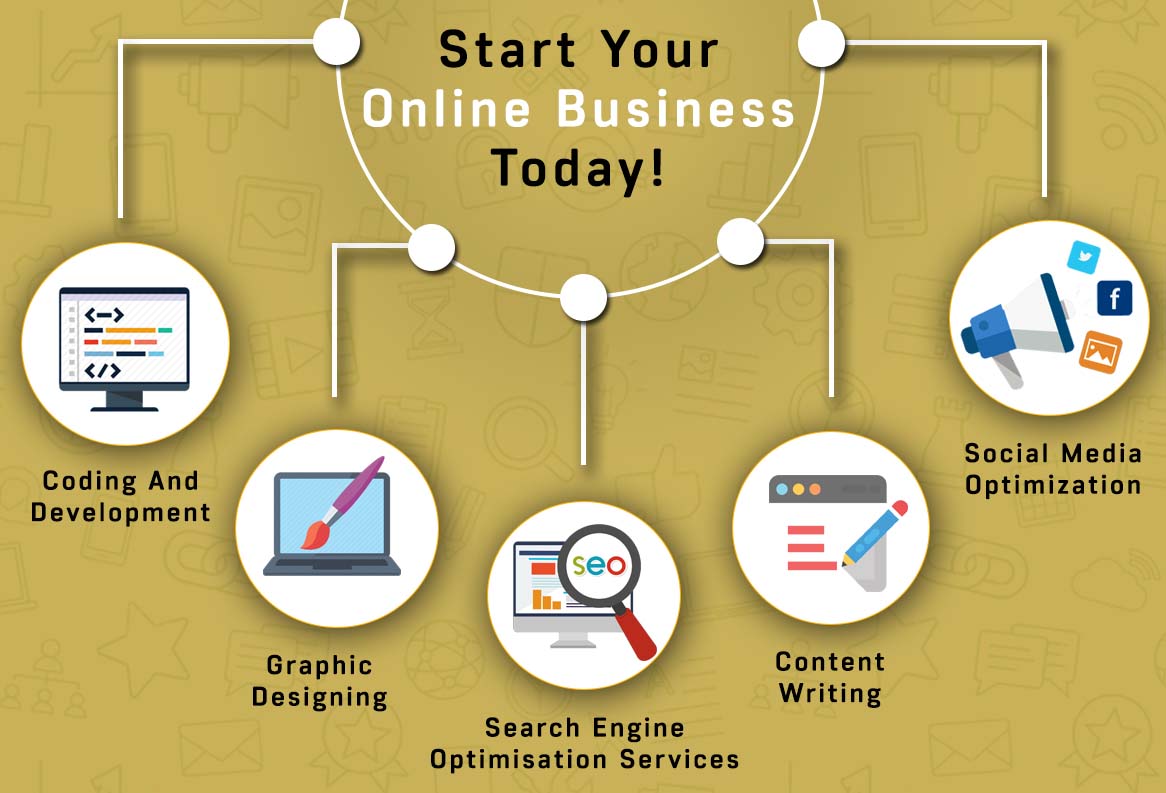
Beyond the initial price point, consider dynamic pricing models for certain products, discounts for bulk purchases, or promotional pricing for new launches. Continuously monitor sales data, customer feedback, and market trends to adjust your pricing strategy as your business evolves. Your pricing strategy is a living component of your financial success and should be regularly reviewed and optimized.
Managing Business Finances for Long-Term Success
Launching your online business is just the beginning. Sustained profitability and growth hinge on diligent and proactive financial management. Neglecting financial oversight can lead to cash flow crises, missed opportunities, and even business failure. Effective financial management transforms raw income into tangible wealth and ensures the longevity of your online venture.
Setting Up Your Financial Systems (Banking, Accounting, Payment Processors)
One of the first and most crucial steps in financial management is establishing clear, separate financial systems for your business. Commingling personal and business finances is a recipe for disaster, complicating tax filings and obscuring your business’s true financial health.
- Business Bank Account: Open a dedicated business checking account and, if applicable, a savings account. This is fundamental for legal and tax purposes, providing a clear audit trail and simplifying expense tracking. Consider a business credit card for managing operational expenses and building business credit.
- Accounting Software: Invest in reliable accounting software from day one. Popular options like QuickBooks, Xero, or FreshBooks automate bookkeeping tasks, track income and expenses, generate financial reports, and simplify tax preparation. Even for solo entrepreneurs, robust accounting software is invaluable.
- Payment Processors: Choose payment gateways that are secure, reliable, and cost-effective for your specific business model. Options include Stripe, PayPal, Square, or specific e-commerce platform integrations. Understand their transaction fees, payout schedules, and any chargeback policies. Offer multiple payment options to cater to customer preferences, but manage the associated fees.
Automating as many of these processes as possible will save you time and reduce the likelihood of human error, allowing you to focus on growing your business rather than wrestling with spreadsheets.
Budgeting, Expense Tracking, and Cash Flow Management
Once your systems are in place, the ongoing practice of budgeting, meticulous expense tracking, and proactive cash flow management becomes the bedrock of your financial stability.
- Budgeting: Create a detailed operational budget, allocating funds for marketing, software subscriptions, professional services, inventory, and other recurring costs. Regularly compare your actual spending against your budget to identify areas for cost optimization or reallocate resources effectively. A well-managed budget prevents overspending and ensures resources are directed towards revenue-generating activities.
- Expense Tracking: Every single business expense, no matter how small, must be tracked. Categorize expenses accurately for tax purposes and to gain insights into where your money is going. Digital receipt management tools can simplify this process. Understanding your cost structure is essential for setting profitable prices and identifying inefficiencies.
- Cash Flow Management: This is arguably the most critical aspect of small business finance. Profitability doesn’t guarantee cash flow. You need to ensure you have enough liquid funds to cover immediate expenses. Monitor your accounts receivable (money owed to you) and accounts payable (money you owe). Implement strategies to accelerate incoming payments (e.g., timely invoicing, clear payment terms) and optimize outgoing payments. A cash flow forecast helps you anticipate periods of surplus or deficit, allowing you to plan ahead.
Proactive cash flow management prevents liquidity crises and empowers you to make informed decisions about investments, hiring, or expansion.
Understanding Taxes and Legal Compliance for Online Businesses
Navigating the tax and legal landscape is a non-negotiable aspect of running a legitimate online business. Ignoring these responsibilities can lead to significant penalties and legal challenges, severely undermining your financial health.
- Business Structure: Choose the appropriate legal structure for your online business (e.g., Sole Proprietorship, LLC, S-Corp). This decision impacts your liability, tax obligations, and administrative burden. Consult with a legal and financial professional to make an informed choice.
- Tax Obligations: Understand your federal, state, and local tax requirements. This includes income tax, self-employment tax, sales tax (if applicable, depending on nexus and product type), and potentially payroll taxes if you hire employees. Set aside a portion of your income for taxes regularly (e.g., 25-35%) and make estimated tax payments to avoid surprises.
- Sales Tax: For e-commerce businesses, sales tax compliance can be complex, especially with varying state-by-state rules and economic nexus laws. Utilize specialized software or consult with a tax professional to ensure accurate collection and remittance of sales tax.
- Legal Compliance: Ensure your website and business practices comply with relevant laws. This includes privacy policies (e.g., GDPR, CCPA), terms of service, intellectual property rights, consumer protection laws, and industry-specific regulations. Disclosures for affiliate marketing or sponsored content are also crucial.
- Record Keeping: Maintain meticulous financial records for at least seven years. This includes invoices, receipts, bank statements, and tax documents. Organized records are indispensable for tax audits and demonstrating financial integrity.
Partnering with a qualified accountant or bookkeeper from the outset can save you immense time and stress, ensuring you remain compliant and optimize your tax strategy. Don’t view these as mere obligations, but as essential components of a financially sound and legally secure online enterprise.
Scaling Your Online Business and Financial Growth
Once your online business is generating consistent revenue and operating efficiently, the natural next step is to explore avenues for scaling and sustained financial growth. Scaling isn’t just about making more money; it’s about increasing profitability and market reach without a proportional increase in effort or cost, ultimately building lasting financial wealth.
Reinvesting Profits for Expansion
A hallmark of a financially astute online entrepreneur is understanding when and how to reinvest profits back into the business for accelerated growth. While it’s tempting to draw out all earnings, strategic reinvestment fuels expansion and long-term value creation.
Consider reinvesting profits in areas that offer the highest return on investment (ROI):
- Marketing and Advertising: Allocate funds to scale your most effective marketing channels (e.g., paid ads, content marketing, SEO). Increased visibility directly translates to more leads and sales.
- Product Development: Enhance existing products or develop new ones. For digital products, this could mean creating advanced courses or adding new features to software. For e-commerce, it might involve expanding your product line or improving product quality.
- Technology and Infrastructure: Upgrade your website platform, invest in more advanced analytics tools, or subscribe to software that automates more processes. Improved infrastructure can enhance customer experience and operational efficiency.
- Talent Acquisition: Hire employees or contractors to offload tasks, improve customer service, or fill skill gaps (e.g., a virtual assistant, a marketing specialist, a product developer). This frees up your time to focus on strategic initiatives.
- Education and Training: Invest in your own professional development or training for your team to acquire new skills that benefit the business.
The key is to differentiate between expenses that merely maintain the status quo and investments that actively propel growth. Reinvestment should always be tied to a clear objective with measurable outcomes, ensuring your money is working hard for your business’s future.
Monitoring Key Financial Performance Indicators
To effectively scale and ensure financial health, you must continuously monitor key financial performance indicators (KPIs). These metrics provide a snapshot of your business’s performance, enabling data-driven decision-making and early identification of potential issues or opportunities.
Essential financial KPIs for an online business include:
- Customer Acquisition Cost (CAC): The total cost of sales and marketing efforts required to acquire a new customer. A low CAC is vital for profitability.
- Customer Lifetime Value (CLTV): The total revenue a business can expect to generate from a single customer account over the period of their relationship. Aim for CLTV to be significantly higher than CAC.
- Gross Profit Margin: The percentage of revenue left after deducting the cost of goods sold. A higher margin indicates efficient production/sourcing.
- Net Profit Margin: The percentage of revenue left after all expenses, including operating costs and taxes, have been deducted. This is the ultimate measure of your business’s overall profitability.
- Conversion Rate: The percentage of website visitors who complete a desired action (e.g., making a purchase, signing up for a newsletter). Optimizing this directly impacts revenue.
- Churn Rate (for subscription models): The rate at which customers cancel subscriptions or stop using your service. Lower churn means more stable recurring revenue.
- Average Order Value (AOV): The average amount spent by a customer per transaction. Strategies like upselling and cross-selling can increase AOV.
Regularly reviewing these KPIs through your accounting software or analytics dashboards will give you real-time insights into your financial performance. This allows for agile adjustments to marketing campaigns, product offerings, or operational strategies, ensuring your scaling efforts are both effective and financially sound.
Planning for Future Financial Security and Exit Strategies
As your online business grows and becomes profitable, it’s prudent to start thinking beyond immediate growth and consider your long-term financial security and potential exit strategies. This proactive planning protects your wealth and ensures you have options for the future.
- Building Personal Wealth: While reinvesting in the business is crucial, don’t neglect your personal financial health. Pay yourself a fair salary, contribute to retirement accounts, and build personal savings. A financially secure owner makes better business decisions.
- Succession Planning: If your business is heavily reliant on you, consider how it would continue without your direct involvement. This might involve training key employees, documenting processes, or diversifying responsibilities.
- Valuation: Understand how your online business would be valued in the market. Factors like recurring revenue, strong brand, diversified customer base, documented processes, and intellectual property contribute significantly to valuation.
- Exit Strategies: Consider potential ways you might eventually exit the business. This could include:
- Selling the Business: Transferring ownership to another individual or company. This requires a well-documented business, clear financial records, and a marketable value proposition.
- Passing it On: Gifting or selling the business to a family member or employee.
- Liquidation: Selling off assets and closing down the business. This is usually a last resort but should be understood.
- Running it Passively: Structuring the business so it requires minimal day-to-day involvement from you, allowing you to draw passive income.
Planning for an exit isn’t about giving up on your business; it’s about ensuring you have a clear financial endgame. It provides a strategic framework for decision-making today that maximizes the value and transferability of your online venture tomorrow.
Starting and growing an online business is an exhilarating journey, offering profound financial rewards to those who approach it with diligence and strategic foresight. By meticulously laying your financial foundation, optimizing your monetization strategies, diligently managing your finances, and planning for sustainable growth, you can transform your online business idea into a thriving, wealth-generating asset. The digital economy is ripe with opportunity; seize it with financial intelligence at the forefront of your strategy.
aViewFromTheCave is a participant in the Amazon Services LLC Associates Program, an affiliate advertising program designed to provide a means for sites to earn advertising fees by advertising and linking to Amazon.com. Amazon, the Amazon logo, AmazonSupply, and the AmazonSupply logo are trademarks of Amazon.com, Inc. or its affiliates. As an Amazon Associate we earn affiliate commissions from qualifying purchases.