
The question “who owns Tesla Corporation?” seems straightforward, yet delving into the mechanics of corporate ownership reveals a sophisticated tapestry of individual investors, institutional powerhouses, and the undeniable influence of its visionary leader. In the realm of business finance, understanding who holds the keys to a publicly traded behemoth like Tesla is crucial for appreciating its market dynamics, governance, and long-term trajectory. It’s not a single entity or person, but rather a complex distribution of equity that defines its ownership structure, making it a fascinating case study in modern investing.
Unpacking Corporate Ownership: A Publicly Traded Enigma
At its core, a publicly traded company like Tesla operates on a model of distributed ownership. Unlike a private enterprise solely controlled by its founders, Tesla’s shares are bought and sold on stock exchanges, meaning its ownership is constantly shifting, reflecting the ebb and flow of market sentiment and investment strategies.
The Concept of Shareholder Ownership
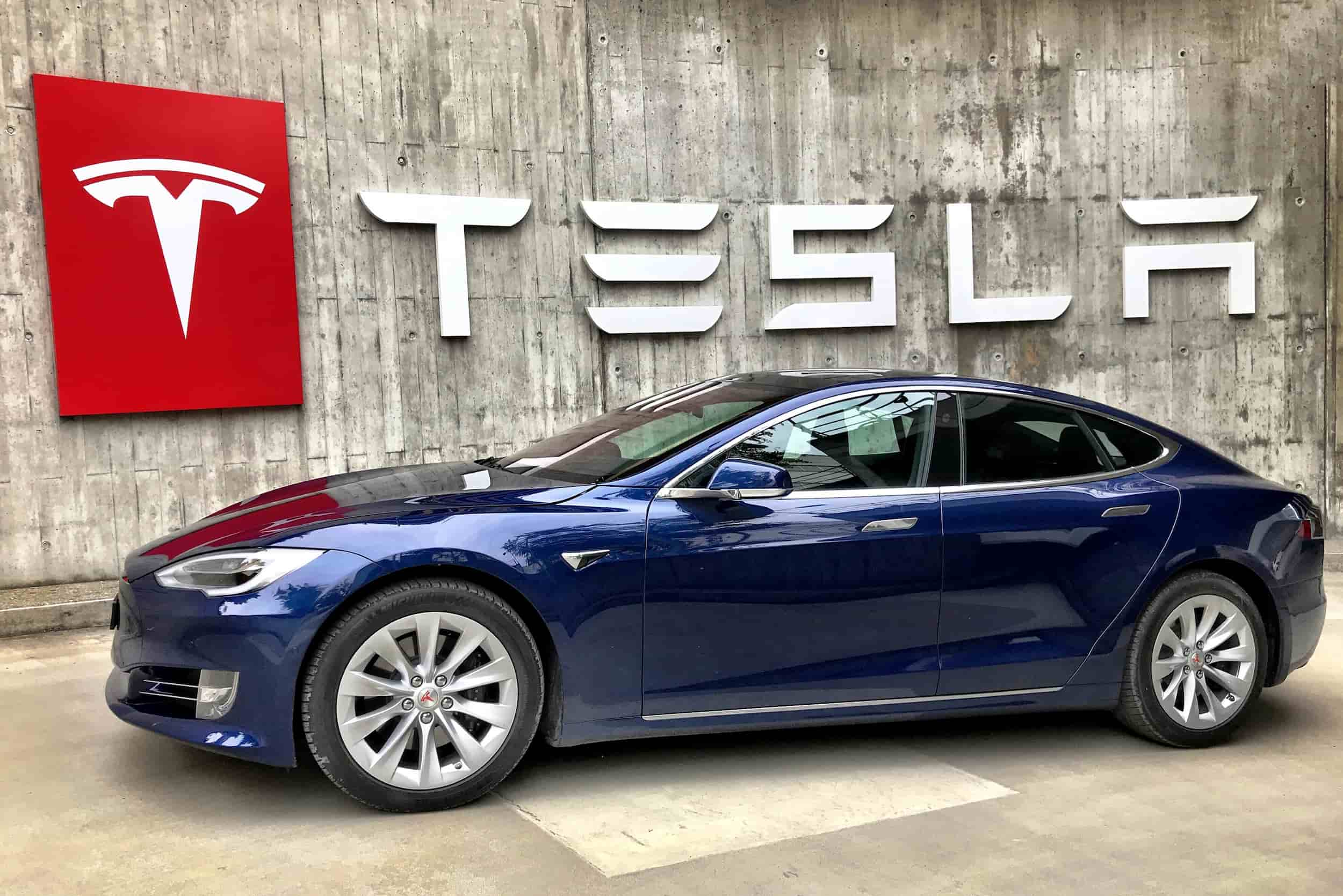
When an individual or institution buys a share of Tesla stock, they are purchasing a small fraction of the company’s equity. Each share represents a claim on the company’s assets and earnings, and crucially, it comes with voting rights. These rights allow shareholders to influence key corporate decisions, such as electing the board of directors, approving significant mergers, or casting votes on executive compensation. While the power of a single share is minuscule, the collective power of shareholders is immense, forming the ultimate governing body of the corporation. This fundamental principle underpins the entire structure of public company finance, ensuring that the company’s management remains accountable to those who provide its capital.
Tesla’s Status as a Public Company
Tesla, Inc. (TSLA) went public on June 29, 2010, listing its shares on the NASDAQ stock exchange. This initial public offering (IPO) marked a pivotal moment, transforming it from a privately held startup into a publicly owned entity. Being public allows Tesla to raise vast amounts of capital by selling shares to a wide range of investors, funding its ambitious expansion plans and cutting-edge research. However, this access to capital comes with stringent regulatory requirements, increased transparency, and the inherent volatility of public markets. Its valuation, which has soared into the trillions at times, is a direct reflection of investor confidence in its future earnings potential and disruptive technologies, making its ownership structure a continuous subject of financial scrutiny.
The Role of Institutional vs. Individual Investors
Tesla’s ownership can broadly be divided into two main categories: institutional investors and individual (or retail) investors. Institutional investors are large organizations that pool money to invest, such such as mutual funds, hedge funds, pension funds, and asset management firms. They typically hold significant blocks of shares and often have sophisticated research teams guiding their investment decisions. Their influence is substantial, not just through the sheer volume of their holdings but also through their engagement with corporate governance. Individual investors, on the other hand, are everyday people who buy shares through brokerage accounts. While each individual’s stake might be small, their collective holdings can represent a substantial portion of the company and significantly impact market sentiment, especially for a stock as popular among retail investors as Tesla. The interplay between these two groups often dictates short-term stock movements and long-term stability.
Elon Musk’s Central Role: The Largest Individual Shareholder
While Tesla is widely owned, one figure stands out as uniquely influential: Elon Musk. As co-founder, CEO, and Product Architect, his vision, leadership, and significant equity stake make him the most prominent individual owner and driving force behind the company.
Understanding Musk’s Stake
Elon Musk is consistently the largest individual shareholder of Tesla. His ownership percentage fluctuates due to various factors, including stock option exercises, sales of shares (often for tax obligations or to fund other ventures like SpaceX or X), and performance-based grants. As of various public filings, his ownership typically hovers in the mid-to-high teens percentage range of the total outstanding shares. This substantial stake means that while he doesn’t own the majority of the company, his financial interest is deeply aligned with the company’s performance. His shares represent a significant portion of his personal net worth, making Tesla’s success a direct determinant of his own financial standing. Investors often view his personal stake as a strong indicator of his confidence in Tesla’s future.
Control Beyond Equity: Vision, Leadership, and Influence
Musk’s influence extends far beyond his equity percentage. As CEO, he holds executive control over the company’s daily operations, strategic direction, and technological development. He is the public face of Tesla, a figure whose pronouncements on social media and at earnings calls can instantly move the stock price. His vision for electric vehicles, sustainable energy, and artificial intelligence has been the guiding star for Tesla’s ambitious projects and disruptive innovations. This blend of substantial ownership, executive leadership, and charismatic public presence grants him a level of control and influence that few other corporate leaders possess, making him virtually synonymous with the Tesla brand in the eyes of many investors and the public alike. His ability to rally shareholder support and dictate the company’s narrative is a unique aspect of Tesla’s financial and operational dynamics.
The Impact of Musk’s Sales and Purchases
Elon Musk’s personal transactions involving Tesla stock are closely watched by the market. When he sells shares, it can sometimes trigger concerns about his long-term commitment or indicate a perceived ceiling in the stock’s valuation, leading to temporary dips in price. Historically, many of his sales have been attributed to covering tax liabilities associated with exercising stock options or to finance his other ventures, notably SpaceX, which requires immense capital. Conversely, any news of him purchasing more shares or being awarded new performance-based equity grants is often interpreted as a strong vote of confidence, potentially bolstering investor sentiment and driving the stock price upwards. These transactions are not merely personal financial moves; they are significant market signals that can influence investor behavior and the company’s valuation, underscoring the profound interconnectedness of Musk’s personal finances and Tesla’s market performance.
The Institutional Powerhouses: Guardians of Tesla’s Shares
While Elon Musk is the largest individual shareholder, the collective holdings of institutional investors dwarf his stake, making them the true majority owners of Tesla. These financial giants exert considerable, albeit often less visible, influence over the company.
Top Institutional Holders: Vanguard, BlackRock, and State Street

Among the most prominent institutional owners of Tesla stock are investment behemoths like The Vanguard Group, BlackRock, Inc., and State Street Corporation. These firms manage trillions of dollars in assets across various funds, including passive index funds and actively managed portfolios. They typically appear at the top of the list of institutional holders, each owning several percent of Tesla’s outstanding shares. Their vast holdings reflect their diversified investment strategies, which often include exposure to market-leading companies like Tesla that are components of major stock market indices (e.g., S&P 500). For example, a fund that tracks the S&P 500 must hold Tesla stock in proportion to its market capitalization weight within the index.
Passive vs. Active Management Strategies
The investment strategies employed by institutional holders vary significantly. Many of the largest holders, such as Vanguard and BlackRock, have substantial portions of their Tesla holdings within passive index funds. These funds simply aim to mirror the performance of a specific market index, meaning they buy and sell Tesla shares primarily to rebalance their portfolios in line with the index’s composition. Their investment decision isn’t based on an active assessment of Tesla’s future prospects but rather on its presence in an index. In contrast, actively managed funds make buy and sell decisions based on their analysts’ research, economic forecasts, and perceived value of Tesla. These active managers are constantly evaluating Tesla’s financials, competitive landscape, and strategic direction. While passive funds contribute to a stable base of ownership, active funds often drive the more dynamic aspects of buying and selling pressure.
Influence Through Proxy Voting and Engagement
Despite their diverse strategies, institutional investors wield significant power through their proxy voting rights. When major corporate decisions are put to a shareholder vote (e.g., board elections, executive compensation, key strategic proposals), these large institutions cast their votes, which can collectively swing outcomes. Many institutional investors also engage directly with Tesla’s management and board of directors on issues ranging from corporate governance and environmental policies to social responsibility (ESG factors). While they generally do not involve themselves in the day-to-day operations, they can pressure the company to adopt certain policies or change aspects of its governance. Their collective financial power and voting leverage mean that Tesla’s management must remain attuned to the concerns and preferences of its major institutional shareholders, whose long-term investment horizons often align with stable, ethical, and profitable corporate management.
Retail Investors: The Collective Force
Beyond the large institutions and Elon Musk, a significant portion of Tesla’s ownership resides in the hands of millions of individual or “retail” investors. Their collective buying and selling activity, driven by a mix of financial analysis and fervent belief in the company’s mission, represents a powerful and often unpredictable force in the market.
The Democratization of Investment
The rise of accessible online brokerage platforms and commission-free trading has democratized stock ownership, allowing everyday individuals to invest in companies like Tesla with relative ease. Tesla, in particular, has garnered an exceptionally loyal and vocal base of retail investors. Many are attracted not just by the potential for financial gains but also by the company’s mission to accelerate the world’s transition to sustainable energy and its innovative product offerings. This broad appeal has led to a situation where retail investors collectively hold a substantial percentage of Tesla’s shares, sometimes accounting for a larger proportion than is typical for a company of its size. This widespread ownership makes Tesla a unique case study in the power of the individual investor.
Sentimental Value and Long-Term Holding
For many retail investors, especially those who align with Elon Musk’s vision, Tesla stock holds a significant sentimental value. They are not merely looking at quarterly earnings reports but are often investing in the long-term vision of a company they believe is changing the world. This can lead to a phenomenon known as “diamond hands,” where investors are reluctant to sell their shares even during significant market downturns, displaying a strong conviction in Tesla’s future. This long-term holding strategy by a large base of retail investors can provide a level of stability, preventing rapid sell-offs that might occur with more financially-driven institutional trading. Their collective belief creates a strong underlying demand for the stock that is not always influenced by traditional valuation metrics.
Their Impact on Stock Volatility and Sentiment
While often long-term holders, retail investors can also contribute to Tesla’s notorious stock volatility. Large influxes of individual buyers can drive up the price rapidly, sometimes beyond what traditional valuation models might suggest. Conversely, a sudden loss of confidence or a market-wide sell-off can trigger collective selling by retail investors, exacerbating downturns. The prevalence of social media platforms and online forums where retail investors share insights, rumors, and opinions further amplifies this effect, creating rapid shifts in sentiment. This dynamic means that Tesla’s stock price is not solely a reflection of its financial performance or institutional trading algorithms but also a barometer of the collective mood and speculative enthusiasm of a vast network of individual shareholders. Their combined financial power significantly influences trading volumes and can create self-fulfilling prophecies in market movements.
The Dynamic Nature of Ownership and Its Financial Implications
Tesla’s ownership structure is not static; it’s a constantly evolving landscape shaped by market forces, financial decisions, and strategic shifts. Understanding this dynamic is key to grasping its broader financial implications.
Market Cap and Shareholder Value
The collective value of all outstanding Tesla shares at any given moment constitutes its market capitalization (market cap). This figure, derived by multiplying the current share price by the total number of shares, is a primary indicator of the company’s overall financial size and investor confidence. Since its IPO, Tesla’s market cap has grown exponentially, often fluctuating in the high hundreds of billions or even trillions of dollars. This growth directly translates to an increase in shareholder value, enriching those who own a piece of the company. The ownership structure, with its mix of institutional and retail investors, along with Elon Musk’s significant stake, collectively determines the demand for shares, which in turn influences the share price and, ultimately, the market cap. When new shares are issued, or existing ones are repurchased, it directly impacts this calculation and the per-share value for existing owners.
The Implications of Share Dilution and Buybacks
Tesla, like many growth companies, has historically used stock options and new share issuances as part of executive compensation and to raise capital. While beneficial for funding operations and attracting talent, issuing new shares can lead to “dilution,” where the ownership percentage of existing shareholders is slightly reduced because there are now more shares in circulation. Conversely, a company might choose to engage in “share buybacks,” repurchasing its own stock from the open market. This reduces the number of outstanding shares, effectively increasing the ownership percentage of remaining shareholders and boosting earnings per share. These financial maneuvers directly impact the value proposition for current and prospective owners. Tesla’s management, with the oversight of its board and major shareholders, carefully weighs these decisions, understanding their profound financial implications for all its owners.
What Ownership Means for Tesla’s Future Financing and Governance
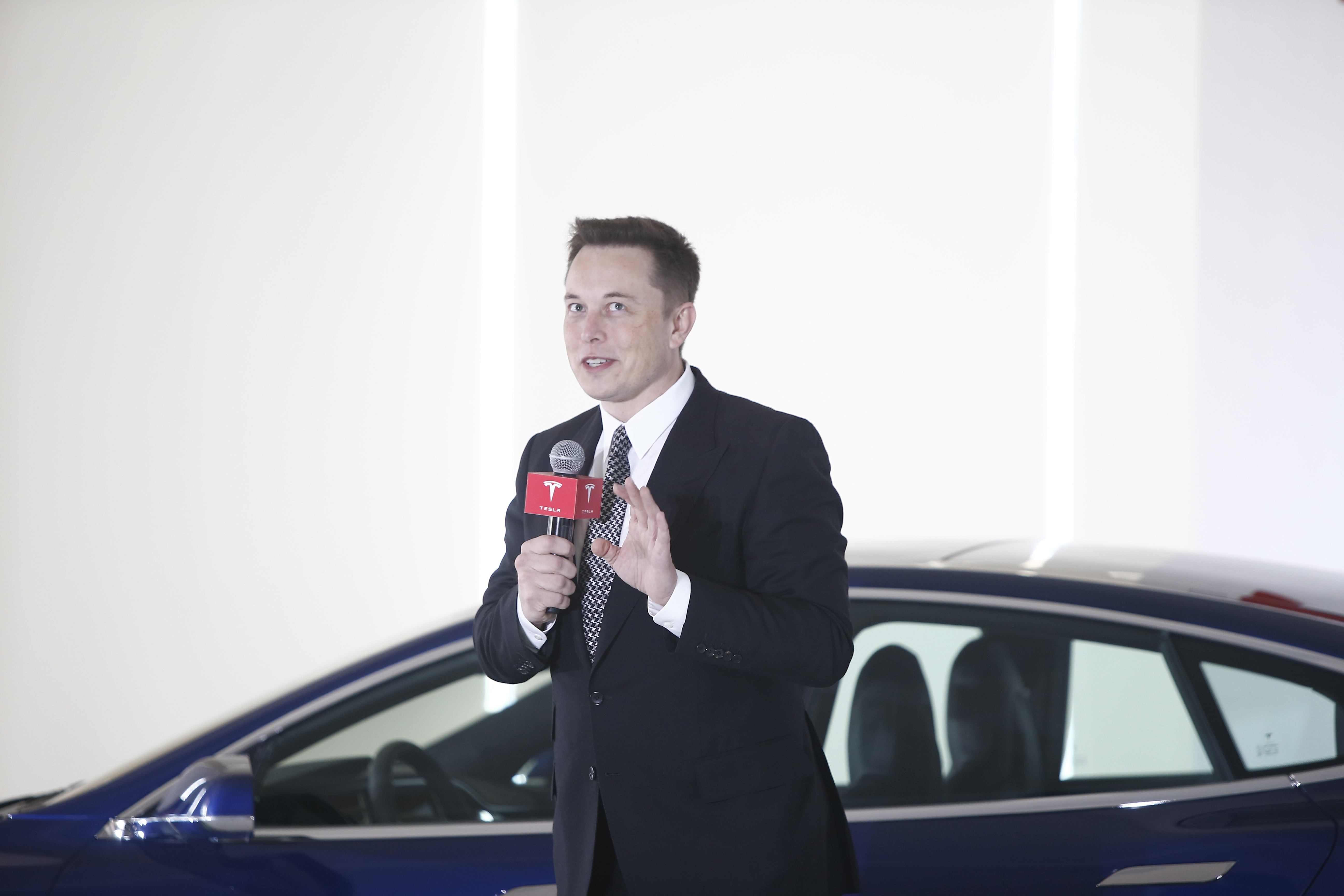
The composition of Tesla’s ownership has significant ramifications for its future financing and corporate governance. A diverse and robust shareholder base, particularly with strong institutional backing, instills confidence in potential lenders and bond investors, making it easier and cheaper for Tesla to raise debt capital when needed. Furthermore, the active participation of major shareholders in governance through proxy votes ensures accountability and influences strategic decisions. The balance between Elon Musk’s visionary leadership and the collective oversight of its vast shareholder base will continue to define Tesla’s trajectory. As Tesla continues to innovate and expand, its financial future will remain inextricably linked to the evolving dynamics of who owns its shares and how those owners exercise their collective power.
In conclusion, “who owns Tesla Corporation?” is a question with a multi-faceted answer that reveals the essence of modern public corporate finance. It is a story of shared ownership, where millions of individual and institutional investors collectively hold sway, while the singular vision and significant equity of Elon Musk provide a powerful, guiding force. This intricate web of ownership underscores the dynamic interplay between capital, leadership, and market sentiment, making Tesla not just a leader in technology, but also a fascinating example in the world of money and investing.
aViewFromTheCave is a participant in the Amazon Services LLC Associates Program, an affiliate advertising program designed to provide a means for sites to earn advertising fees by advertising and linking to Amazon.com. Amazon, the Amazon logo, AmazonSupply, and the AmazonSupply logo are trademarks of Amazon.com, Inc. or its affiliates. As an Amazon Associate we earn affiliate commissions from qualifying purchases.