
Amazon has revolutionized retail, offering a colossal marketplace that attracts millions of entrepreneurs seeking to tap into its vast customer base and sophisticated logistical infrastructure. For aspiring business owners, the allure of Amazon is undeniable: a lower barrier to entry compared to traditional brick-and-mortar stores, global reach, and a ready-made audience. However, transforming this potential into a profitable venture requires meticulous financial planning, strategic decision-making, and a deep understanding of the platform’s economics. This comprehensive guide will navigate the financial considerations and strategic pathways to successfully launching and growing a business on Amazon, firmly rooted in the principles of online income and business finance.
Understanding the Amazon Ecosystem for Entrepreneurs
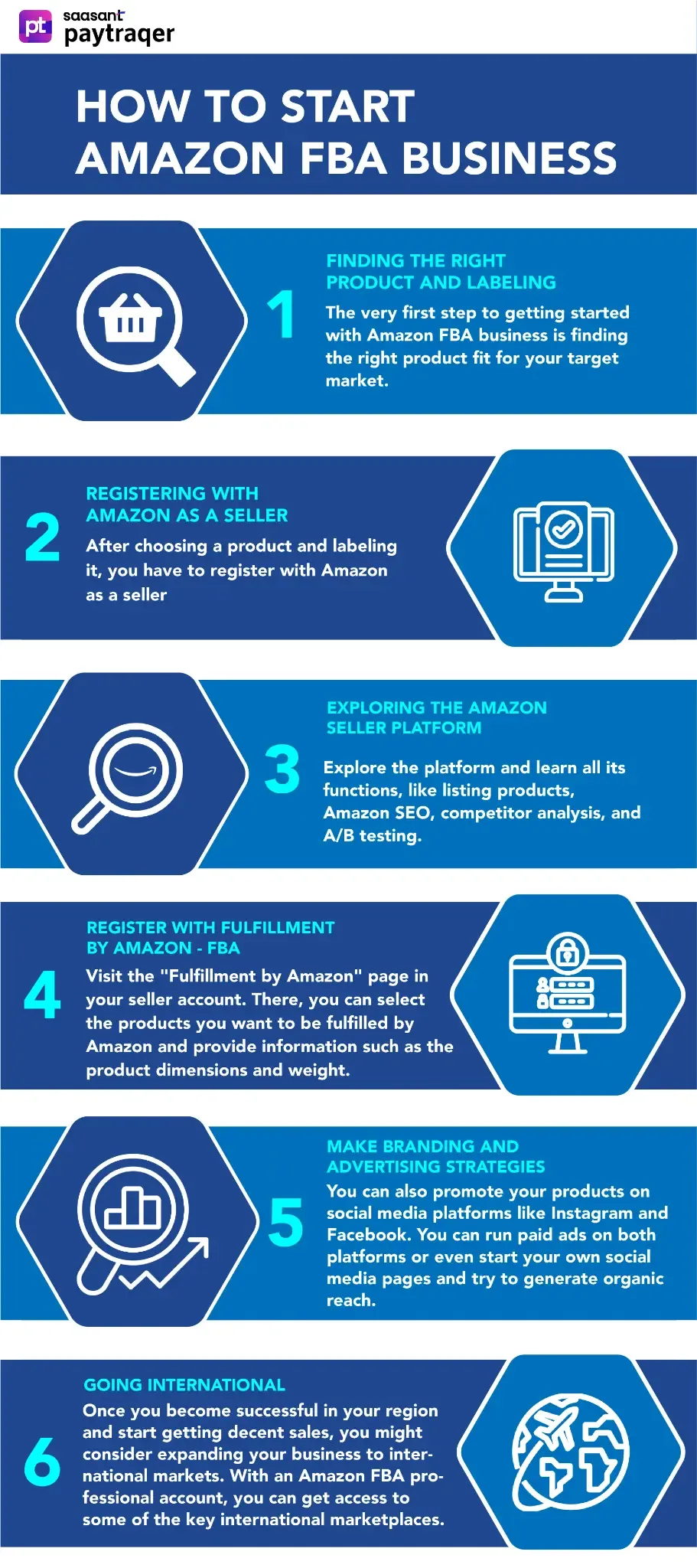
Before diving into product selection and marketing, a fundamental grasp of Amazon’s operational and financial landscape is paramount. Understanding how money flows in and out of your Amazon business is the cornerstone of profitability.
The Allure of Amazon as a Business Platform
Amazon’s appeal to entrepreneurs is multifaceted, primarily driven by its immense market penetration and robust infrastructure. With hundreds of millions of active customers worldwide, the platform offers unparalleled access to a global audience, significantly reducing the initial customer acquisition challenges faced by independent e-commerce sites. Beyond customer reach, Amazon provides a suite of services, most notably Fulfillment by Amazon (FBA), that handles warehousing, packaging, shipping, customer service, and returns. For small businesses, this alleviates significant operational overheads and capital investment typically required for logistics. This infrastructure allows entrepreneurs to focus more on product development and marketing, yet it comes with a complex fee structure that demands careful financial scrutiny. The low barrier to entry, often just requiring a viable product and an Amazon Seller account, makes it an attractive starting point for those looking to generate online income without prohibitive upfront costs.
Choosing Your Business Model: FBA vs. FBM
The decision between Fulfillment by Amazon (FBA) and Fulfillment by Merchant (FBM) is one of the most critical financial choices an Amazon seller will make. Each model carries distinct financial implications for inventory management, operational costs, and ultimately, profit margins.
-
Fulfillment by Amazon (FBA): Under FBA, sellers ship their products to Amazon’s fulfillment centers. Amazon then handles storage, picking, packing, shipping, customer service, and returns.
- Financial Implications: FBA typically incurs higher fees, including storage fees (which vary by product size, weight, and time of year), fulfillment fees (per unit for picking, packing, and shipping), and potentially long-term storage fees. However, it often leads to higher sales conversion rates due to eligibility for Prime shipping and Amazon’s trusted customer service. The trade-off is higher per-unit costs but reduced operational burden and enhanced customer trust, which can accelerate sales velocity and revenue. Capital is tied up in inventory at Amazon’s warehouses, requiring careful cash flow management.
-
Fulfillment by Merchant (FBM): With FBM, the seller is responsible for all aspects of fulfillment, from storage and packaging to shipping and customer service.
- Financial Implications: FBM generally has lower direct Amazon fees compared to FBA, as sellers bear the costs of their own warehousing, shipping materials, and courier services. This model offers greater control over inventory and shipping processes, potentially leading to higher per-unit profit margins if fulfillment can be managed efficiently and cost-effectively. However, FBM sellers miss out on the Prime badge advantage, which can impact sales volume. It also demands significant time and labor investment for fulfillment, which can be a hidden cost for entrepreneurs valuing their time.
The choice hinges on product type, desired profit margins, available capital, and operational capabilities. A hybrid approach, using FBA for best-selling items and FBM for slower-moving or oversized products, is also a common and financially astute strategy.
Initial Financial Planning and Capital Requirements
Starting an Amazon business is an investment, and like any investment, it requires a robust financial plan. Underestimating startup costs is a common pitfall that can lead to premature failure.
-
Startup Capital Breakdown:
-
Product Sourcing: This is often the largest initial outlay. It includes manufacturing costs, supplier payments, and quality control. Negotiating favorable payment terms and minimum order quantities (MOQs) is crucial for managing cash flow.
-
Shipping & Logistics: Costs for shipping products from your supplier to Amazon’s fulfillment centers (for FBA) or to your own storage (for FBM).
-
Amazon Fees: Professional Seller account subscription ($39.99/month), referral fees (percentage of each sale), and initial FBA storage/fulfillment fees.
-
Product Photography & Listing Optimization: Professional photos and compelling copy are vital for conversions, requiring an investment in quality assets.
-
Marketing & Advertising: Initial Amazon PPC (Pay-Per-Click) campaigns are essential to gain visibility and sales momentum. Budgeting for these early campaigns is critical for launch success.
-
Tools & Software: Subscriptions for keyword research, competitor analysis, inventory management, or accounting software can streamline operations but add to initial expenses.
-
Contingency Fund: Always budget an additional 15-20% for unforeseen expenses, delays, or initial operational inefficiencies.
-
A detailed spreadsheet outlining all these potential costs, alongside projected sales and profit margins, will provide a clear financial roadmap and help secure any necessary funding, whether from personal savings, loans, or investors.
Setting Up Your Amazon Seller Account and Product Strategy
Once the foundational financial understanding is in place, the practical steps of setting up your seller account and defining your product strategy come into focus, each with its own financial implications.
Navigating Amazon Seller Central
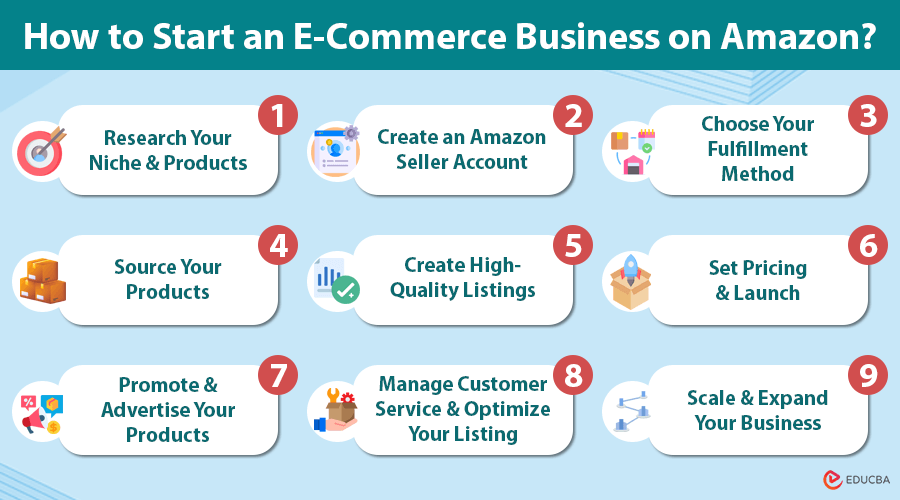
Registering as an Amazon seller is a straightforward process, but understanding the fee structure is paramount. There are two main account types:
-
Individual Seller Plan: No monthly subscription fee, but a $0.99 per-item fee is charged for each sale, in addition to referral fees. This is suitable for sellers planning to sell fewer than 40 items per month and is ideal for testing the waters.
-
Professional Seller Plan: A monthly subscription fee of $39.99, with no per-item fee. This plan is designed for sellers expecting to sell more than 40 items per month, offering access to advanced selling tools, bulk listing options, and eligibility for the Buy Box. For serious entrepreneurs, the Professional plan offers a clear financial advantage as sales volume increases.
Beyond the subscription, sellers must familiarize themselves with category referral fees (typically 8-15% of the selling price, varying by product category) and closing fees. Setting up payment information correctly ensures timely disbursements of your earnings, which is critical for cash flow management.
Product Sourcing and Financial Viability
The product you choose to sell is the engine of your Amazon business, and its financial viability hinges on careful sourcing and rigorous analysis.
-
Profit Analysis: Before committing to a product, conduct a thorough profit analysis. This involves calculating all costs associated with the product: manufacturing/purchase price, shipping to Amazon, Amazon fees (referral, fulfillment, storage), advertising costs, and any other operational overheads. Subtracting these from the projected selling price yields your gross profit margin. Aim for products with at least a 25-30% net profit margin after all Amazon fees and advertising, ensuring a healthy return on investment (ROI).
-
Supplier Costs: Researching and negotiating with suppliers is crucial. Obtain multiple quotes, assess minimum order quantities (MOQs), and understand payment terms. A reliable supplier offering competitive pricing directly impacts your bottom line. Always consider the landed cost – the total cost of a product, including manufacturing, shipping, customs duties, and insurance – when comparing suppliers.
-
Market Demand and Competition: Tools for keyword research and competitor analysis (e.g., Helium 10, Jungle Scout) are indispensable. Identify products with high demand but relatively low competition, or areas where you can offer a superior product or unique selling proposition. High demand translates to sales potential, while manageable competition allows for easier market entry and sustained profitability. Avoid highly saturated niches unless you have a truly innovative offering.
Pricing Strategies for Profitability
Effective pricing is a delicate balance between maximizing profit and remaining competitive. Your pricing strategy will directly influence sales volume, perceived value, and overall profitability.
-
Competitive Analysis: Continuously monitor competitors’ pricing for similar products. While you shouldn’t always race to the bottom, understanding the market average helps in positioning your product.
-
Value-Based Pricing: If your product offers superior quality, unique features, or exceptional branding, you can justify a higher price point. This positions your product as a premium option, appealing to a segment of customers willing to pay more for added value.
-
Cost-Plus Pricing: A straightforward method where you add a desired profit margin to the total cost of your product. While simple, it might not always align with market realities.
-
Dynamic Pricing: Consider using automated repricing tools, especially if selling in competitive niches. These tools adjust your price automatically based on competitor pricing, demand fluctuations, and your predefined rules, helping maintain competitiveness and maximize profits throughout the day.
-
Promotional Pricing: Strategically use discounts, coupons, and lightning deals to boost initial sales velocity, clear excess inventory, or attract new customers. Factor these promotional costs into your financial projections.
The goal is to find a sweet spot where your product sells consistently at a price that yields healthy profit margins after all expenses.
Managing Inventory, Logistics, and Financial Performance
Once your business is operational, ongoing financial management becomes critical. This involves efficient inventory control, a clear understanding of Amazon’s complex fee structure, and diligent financial reporting.
Inventory Management and Cost Control
Poor inventory management can be a financial drain. Stockouts lead to lost sales and decreased search rankings, while overstocking incurs unnecessary storage fees and ties up capital.
-
Stock Levels: Implement robust inventory tracking systems to monitor current stock levels, sales velocity, and lead times for replenishment. The goal is to maintain optimal stock – enough to meet demand without excessive surplus.
-
Storage Fees: Be acutely aware of Amazon’s FBA storage fees, which increase significantly during peak seasons (e.g., Q4) and for long-term storage of slow-moving inventory. Implement strategies to move slow-selling items (e.g., promotions, bundles) to avoid punitive long-term storage fees.
-
Avoiding Dead Stock: Products that fail to sell become “dead stock,” representing locked-up capital and ongoing storage costs. Regular inventory reviews and proactive liquidation strategies (e.g., deep discounts, removal orders) are essential to mitigate these financial losses. Forecasting demand accurately, especially for seasonal products, is paramount.
Understanding Amazon’s Fulfillment Fees and Costs
Amazon’s fee structure can be intricate, encompassing referral fees, fulfillment fees, monthly subscription fees, and various other charges. A comprehensive understanding is crucial for accurate profit calculations and cash flow projections.
-
Referral Fees: A percentage of the selling price, varying by category, paid to Amazon for facilitating the sale.
-
FBA Fulfillment Fees: These are per-unit fees for picking, packing, and shipping an item from an Amazon fulfillment center to the customer. They are determined by the product’s size and weight. Using Amazon’s FBA revenue calculator is vital for estimating these costs for each product.
-
Storage Fees: Charged monthly for inventory stored in Amazon’s fulfillment centers, calculated by cubic foot, and variable by time of year.
-
Advertising Costs: Amazon PPC (Pay-Per-Click) is often a necessity for visibility. These costs must be factored into your total cost of goods sold (COGS) to arrive at a true net profit. Budgeting for Advertising Cost of Sales (ACoS) and optimizing campaigns are key to financial efficiency.
-
Returns Processing Fees: For FBA, Amazon handles returns, but specific categories might incur return processing fees. High return rates can severely impact profitability.
Regularly review your Amazon Seller Central reports to reconcile fees and ensure they align with your financial models. Unexpected fees can erode profit margins quickly.
Financial Reporting and Performance Analysis
Diligent financial reporting is non-negotiable for understanding the health of your Amazon business and making informed strategic decisions.
-
Interpreting Sales Data: Analyze sales reports within Seller Central to identify trends, best-selling products, and peak sales periods. Understand gross sales, units sold, and average selling price.
-
Profit and Loss (P&L) Statement: Regularly prepare a P&L statement to track revenue, COGS, Amazon fees, advertising expenses, and other operational costs. This provides a clear picture of your net profitability over time.
-
Cash Flow Management: Monitor your cash flow closely. Amazon typically disburses funds every two weeks, but capital is often tied up in inventory, advertising, and other expenses. Ensure you have sufficient working capital to cover inventory replenishment and ongoing operational costs, especially during periods of growth or seasonal fluctuations.
-
Key Performance Indicators (KPIs): Track critical financial KPIs such as net profit margin, return on investment (ROI), advertising cost of sales (ACoS), inventory turnover rate, and average order value (AOV). These metrics provide actionable insights into areas for improvement and opportunities for financial optimization.
Scaling Your Amazon Business and Financial Growth
After establishing a stable and profitable Amazon presence, the focus shifts to sustainable growth and long-term financial prosperity.
Reinvesting Profits for Sustainable Growth
A common mistake for new entrepreneurs is to extract all profits immediately. For sustainable growth, a significant portion of profits should be reinvested back into the business.
-
New Product Development: Reinvesting in research and development for new products, or expanding existing product lines, is a key driver of long-term revenue growth. This might involve improving existing products based on customer feedback or diversifying into related niches.
-
Marketing and Advertising: Allocate a larger budget to Amazon PPC, external marketing (e.g., social media ads, influencer collaborations), and brand building to increase visibility and customer acquisition. Effective marketing campaigns are an investment that yields financial returns.
-
Inventory Expansion: As sales grow, more capital is required to maintain adequate inventory levels. Reinvesting profits into larger inventory orders can unlock volume discounts from suppliers, improving COGS and profit margins.
-
Operational Efficiencies: Invest in tools, software, or personnel that can streamline operations, improve customer service, or enhance data analysis, ultimately leading to greater financial efficiency.
Diversifying Income Streams
While Amazon offers tremendous opportunities, relying solely on one platform carries inherent risks (e.g., policy changes, account suspension). Diversifying your income streams is a financially prudent strategy.
-
International Markets: Expand your Amazon business to other marketplaces (e.g., Amazon Europe, Canada, Mexico, Australia). This broadens your customer base and mitigates risk associated with a single market.
-
Other E-commerce Platforms: Explore selling on other platforms like Shopify (with your own storefront), eBay, Walmart, or Etsy. This builds resilience and reduces dependency on Amazon.
-
Brand Building: Beyond just selling products, focus on building a strong, recognizable brand. A robust brand can command higher prices, foster customer loyalty, and ultimately increase the valuation of your business, independent of the platform it sells on.
-
Wholesale or Direct-to-Consumer: If your brand gains traction, consider wholesale opportunities or selling directly from your own website, bypassing Amazon’s fees altogether for a segment of your sales.
Exit Strategy and Business Valuation
Even if an immediate exit isn’t planned, thinking about an exit strategy from the outset can help you build a more valuable and sellable business.
-
Maximizing Business Worth: A business with strong financials (consistent profitability, positive cash flow), clear brand identity, diverse product lines, and efficient operations will command a higher valuation. Documenting processes, having clean accounting records, and building a strong customer base are all investments in future sellability.
-
Preparing for Sale: If you envision selling your Amazon business, focus on making it attractive to potential buyers. This includes demonstrating consistent growth, diversified traffic sources, strong supplier relationships, and transferable assets (e.g., brand registry, customer lists, intellectual property). Businesses with clean P&L statements, documented standard operating procedures (SOPs), and a diversified product portfolio are more appealing.
-
Valuation Multiples: Understand how Amazon businesses are typically valued (often based on a multiple of net profit or seller discretionary earnings). Aim to optimize these metrics to maximize your potential sale price.
Starting a business on Amazon is a journey fraught with financial decisions and opportunities. By approaching it with a strategic mindset, meticulous financial planning, and a continuous focus on profitability and efficiency, entrepreneurs can successfully navigate the Amazon ecosystem, build a thriving online income stream, and achieve significant financial independence.
aViewFromTheCave is a participant in the Amazon Services LLC Associates Program, an affiliate advertising program designed to provide a means for sites to earn advertising fees by advertising and linking to Amazon.com. Amazon, the Amazon logo, AmazonSupply, and the AmazonSupply logo are trademarks of Amazon.com, Inc. or its affiliates. As an Amazon Associate we earn affiliate commissions from qualifying purchases.