
For the vast majority of homebuyers, the 30-year fixed-rate mortgage is the cornerstone of the American Dream. It offers a unique combination of predictability and affordability that few other financial products can match. However, in the current economic climate, the question of “what are today’s rates” has become increasingly complex. Mortgage rates are no longer the static figures seen during the historical lows of 2020 and 2021; instead, they are dynamic, sensitive to global shifts, and deeply tied to the broader health of the economy.
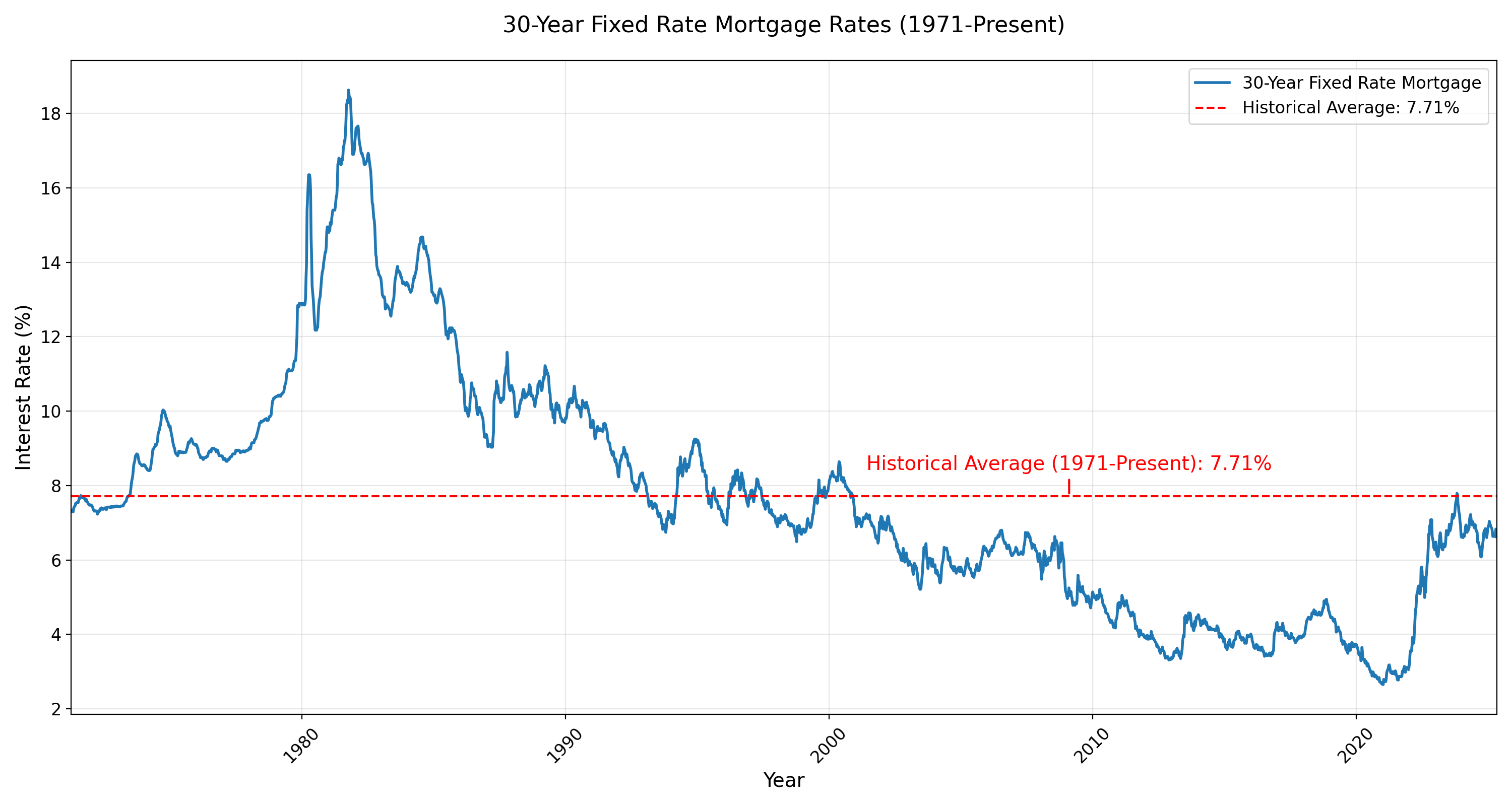
Understanding today’s 30-year fixed mortgage rates requires more than just looking at a daily ticker. It involves analyzing the intersection of central bank policy, inflation data, and individual financial profiles. For a prospective homeowner or someone looking to refinance, the difference of even half a percentage point can result in tens of thousands of dollars in interest over the life of the loan.
Understanding the Current Landscape of 30-Year Fixed Mortgages
The 30-year fixed-rate mortgage is the most popular loan product in the United States because it provides a locked-in monthly payment for three decades. This stability protects homeowners from rising interest rates in the future, making it a powerful hedge against inflation. In today’s market, we have transitioned from an era of “free money” to an era of “normalized” rates, which often feels high to those who entered the market recently but remains moderate by historical standards of the 1980s or 1990s.
Why the 30-Year Fixed Remains the Gold Standard
The primary appeal of the 30-year fixed rate is its amortization schedule. Because the loan is spread over 360 months, the monthly principal and interest payments are significantly lower than they would be on a 15-year or 20-year loan. This allows buyers to qualify for higher purchase prices or maintain more liquidity in their monthly budgets. In a volatile economy, the “fixed” nature of the rate is its greatest asset; while property taxes and insurance premiums may rise, the base cost of borrowing remains unchanged, providing a level of long-term financial certainty that is rare in other investment vehicles.
The Macroeconomic Drivers Behind Today’s Fluctuations
Mortgage rates do not move in a vacuum. They are primarily influenced by the bond market, specifically the 10-year Treasury yield. When investors are concerned about inflation, they demand higher yields on bonds, which pushes mortgage rates upward. Conversely, when the economy shows signs of slowing or cooling, bond yields often drop, bringing mortgage rates down with them. Today’s rates are largely a reflection of the market’s expectation of future inflation and the Federal Reserve’s stance on monetary policy. If the market senses that inflation is under control, rates tend to stabilize or dip. If inflation remains “sticky,” rates are likely to stay elevated to compensate lenders for the eroding value of future dollars.
Key Factors That Determine Your Specific Rate
While the national average for a 30-year fixed mortgage is a useful benchmark, the rate a specific borrower receives is highly individualized. Lenders use a risk-based pricing model, meaning the “advertised” rate is often reserved for those with near-perfect financial profiles. To understand what rate you will actually pay, you must look at your own financial data points.
The Role of Credit Scores and Financial Health
Your credit score is perhaps the single most influential factor in determining your mortgage rate. Lenders typically categorize borrowers into “tiers.” A borrower with a FICO score of 760 or higher is viewed as low-risk and will likely receive the lowest available market rate. However, a borrower with a score in the mid-600s may face a rate that is 1% to 1.5% higher than the top-tier rate. Over 30 years, this “credit score tax” can amount to a staggering amount of money. Improving your credit score by even 20 points before applying can move you into a better pricing bracket, saving you money every single month.
Loan-to-Value (LTV) Ratios and Down Payments
The amount of equity you have in the home—or the size of your down payment—directly impacts your rate. A 20% down payment is the traditional benchmark that allows borrowers to avoid Private Mortgage Insurance (PMI) and often unlocks better interest rates. When a borrower puts down less than 20%, the lender views the loan as higher risk because there is less “skin in the game.” While programs exist for 3% or 3.5% down (such as FHA or certain Conventional products), these often come with higher interest rates or additional fees that reflect the increased risk to the lender.
Debt-to-Income (DTI) and Lender Risk Assessment
Lenders also look closely at your Debt-to-Income ratio, which is the percentage of your gross monthly income that goes toward paying debts. A high DTI suggests that a borrower may struggle to make payments if their income is interrupted. To mitigate this risk, lenders may charge a higher interest rate or require more “points” to be paid upfront. Keeping your non-mortgage debt—such as car loans, student loans, and credit card balances—to a minimum can make you a more attractive candidate for the best 30-year fixed rates.
How Global Economic Indicators Influence Mortgage Pricing

To predict where 30-year fixed mortgage rates are going, one must look at the broader economic horizon. Rates are sensitive to news, data releases, and geopolitical events. For the informed borrower, keeping an eye on a few key indicators can provide a significant advantage in timing their home purchase or refinance.
The Relationship Between the 10-Year Treasury Yield and Mortgages
There is a strong correlation between the 10-year Treasury note and 30-year fixed mortgage rates. Usually, mortgage rates track about 1.5 to 3 percentage points above the 10-year yield. This “spread” accounts for the extra risk lenders take on for a mortgage versus a government-backed bond. In times of economic uncertainty or banking instability, this spread can widen, meaning mortgage rates stay high even if Treasury yields fall. Watching the “spread” is a sophisticated way to understand if mortgage lenders are feeling confident or cautious.
The Federal Reserve’s Influence on Borrowing Costs
A common misconception is that the Federal Reserve sets mortgage rates. In reality, the Fed sets the “federal funds rate,” which is the short-term rate banks charge each other. However, the Fed’s actions signal the direction of the economy. When the Fed raises rates to combat inflation, it sends a signal to the bond market that borrowing costs across the board should rise. When the Fed signals a “pivot” toward lowering rates, it often triggers a rally in the bond market, leading to a decrease in 30-year fixed mortgage rates before the Fed even makes its official move.
Inflation and Its Impact on Long-Term Lending
Inflation is the natural enemy of fixed-rate lending. If a bank lends money at a 6% fixed rate for 30 years, but inflation rises to 5%, the real return for the bank is only 1%. Because of this, when the Consumer Price Index (CPI) shows that inflation is rising, mortgage rates almost always follow suit. Investors need higher rates to ensure that the money they receive back in 10, 20, or 30 years still holds significant purchasing power. Therefore, today’s mortgage rates are effectively a referendum on the market’s long-term inflation expectations.
Strategies to Secure the Best Possible Rate in Today’s Market
Navigating today’s mortgage market requires a proactive strategy. Sitting back and accepting the first quote you receive can be a costly mistake. Because lenders have different overhead costs and risk tolerances, the variance in rates between two different institutions can be surprising.
Shopping Around and Comparing Loan Estimates
The most effective way to lower your interest rate is to shop around. Experts recommend getting quotes from at least three different types of lenders: a large national bank, a local credit union, and an independent mortgage broker. Credit unions, being member-owned, often offer lower rates or reduced closing costs. Mortgage brokers, on the other hand, have access to dozens of different wholesale lenders and can find niche products that fit your specific financial profile. Always ask for a formal “Loan Estimate” form, which allows for an apples-to-apples comparison of rates and fees.
To Lock or Not to Lock: Timing the Market
Once you find a rate you are comfortable with, you face the decision of “locking” that rate. A rate lock guarantees your interest rate for a specific period, usually 30 to 60 days, while your loan is processed. In a volatile market where rates can jump 0.25% in a single afternoon based on a jobs report, locking your rate provides peace of mind. Some lenders offer a “float-down” option, which allows you to lock in today’s rate but drop to a lower rate if market conditions improve before you close.
Buying Down the Rate with Discount Points
In a high-rate environment, many borrowers choose to “buy down” their interest rate using discount points. One point typically costs 1% of the total loan amount and reduces the interest rate by approximately 0.25%. This is essentially “prepaid interest.” This strategy is most effective if you plan to stay in the home for a long time—usually seven years or more—as it takes time for the monthly savings to exceed the initial upfront cost. Calculating the “break-even point” is essential before committing to paying points.
The Long-Term Financial Impact of Your Mortgage Rate
It is easy to get lost in the jargon of basis points and yields, but the reality of mortgage rates is best understood through the lens of long-term wealth accumulation. Your mortgage rate determines how much of your monthly payment goes toward building equity versus how much is essentially “rent” paid to the bank.
Calculating the Cost of a 1% Difference
On a $400,000 mortgage, the difference between a 6% and a 7% interest rate is roughly $260 per month. Over the course of a 30-year loan, that 1% difference results in over $93,000 in additional interest payments. This illustrates why even a seemingly small reduction in your rate is worth pursuing. That $93,000 could otherwise be directed toward retirement accounts, a child’s education, or other investment opportunities that generate a return rather than an expense.
Refinancing Opportunities in the Future
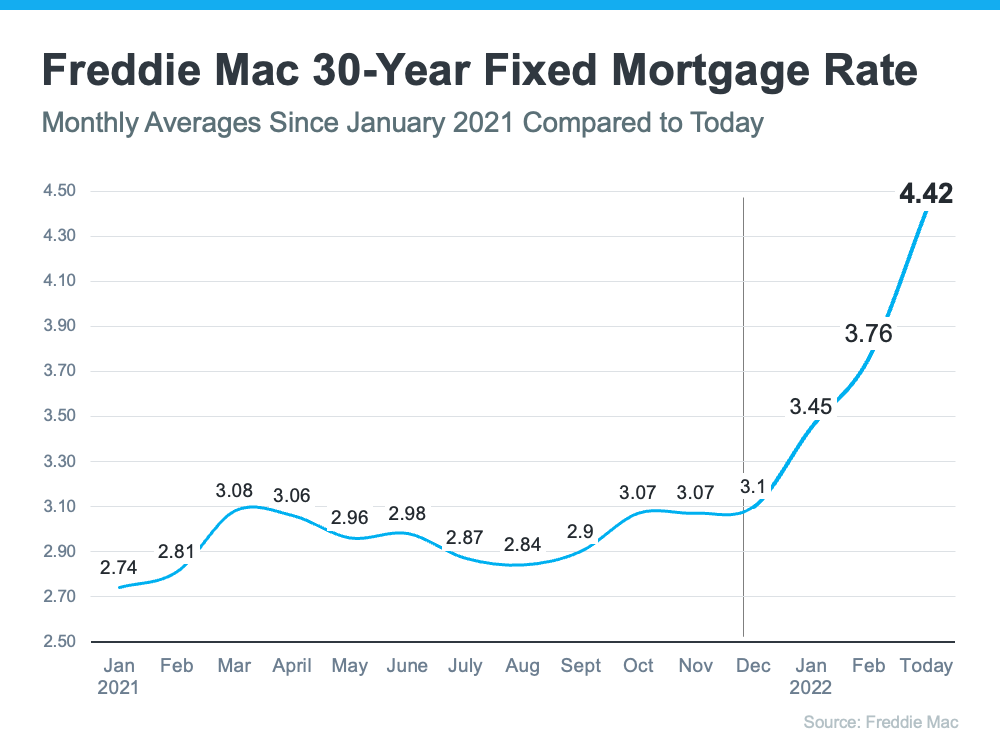
It is important to remember that a 30-year fixed mortgage is not necessarily a 30-year commitment. One of the most powerful tools in personal finance is the “rate-and-term refinance.” If you buy a home today at a higher rate and market rates drop significantly in two or three years, you can refinance into a new 30-year loan at the lower rate. This “marry the house, date the rate” strategy allows buyers to enter the market now and potentially lower their housing costs later. However, this requires maintaining a good credit score and ensuring you have enough equity to cover the closing costs of a new loan.
Ultimately, today’s 30-year fixed mortgage rates are a reflection of a transition in the global economy. While they may be higher than the historic lows of the past decade, they remain a viable pathway to homeownership for those who are prepared. By understanding the mechanics of how rates are set, optimizing your personal financial profile, and employing strategic shopping techniques, you can secure a mortgage that serves as a foundation for long-term financial stability.
aViewFromTheCave is a participant in the Amazon Services LLC Associates Program, an affiliate advertising program designed to provide a means for sites to earn advertising fees by advertising and linking to Amazon.com. Amazon, the Amazon logo, AmazonSupply, and the AmazonSupply logo are trademarks of Amazon.com, Inc. or its affiliates. As an Amazon Associate we earn affiliate commissions from qualifying purchases.