
In the landscape of personal finance, a credit card is more than just a piece of plastic; it’s a fundamental financial tool that, when wielded responsibly, can unlock a world of benefits, from building a robust credit history to earning valuable rewards and providing a crucial safety net. Capital One stands as a prominent issuer in this space, offering a diverse portfolio of credit cards tailored to various financial needs and credit profiles. For those looking to embark on their credit journey or expand their financial toolkit, understanding the process of signing up for a Capital One credit card is an essential step. This guide delves into the strategic considerations, practical steps, and financial implications involved, ensuring you approach the application process with confidence and a clear understanding of how this financial product can integrate into your broader money management strategy.
Understanding Capital One and Your Financial Needs
Before diving into the application, it’s crucial to understand Capital One’s offerings and, more importantly, how a credit card fits into your personal financial ecosystem. Making an informed choice now can significantly impact your future financial health and reward potential.
Why Choose Capital One?
Capital One has carved out a strong niche in the financial services industry, known for its commitment to innovation, customer-centric approach, and a wide array of credit products. For individuals across the credit spectrum, from those rebuilding their credit to seasoned spenders seeking premium rewards, Capital One typically has a solution. Their cards often come with competitive interest rates for qualified applicants, transparent fee structures, and a suite of digital tools designed to simplify money management. Furthermore, Capital One is often lauded for its robust online banking and mobile app, providing users with real-time access to account information, spending insights, and credit monitoring features – all vital for proactive personal finance. The brand’s accessibility and dedication to financial inclusion make it an attractive option for many seeking a reliable financial partner.
Aligning Cards with Financial Goals
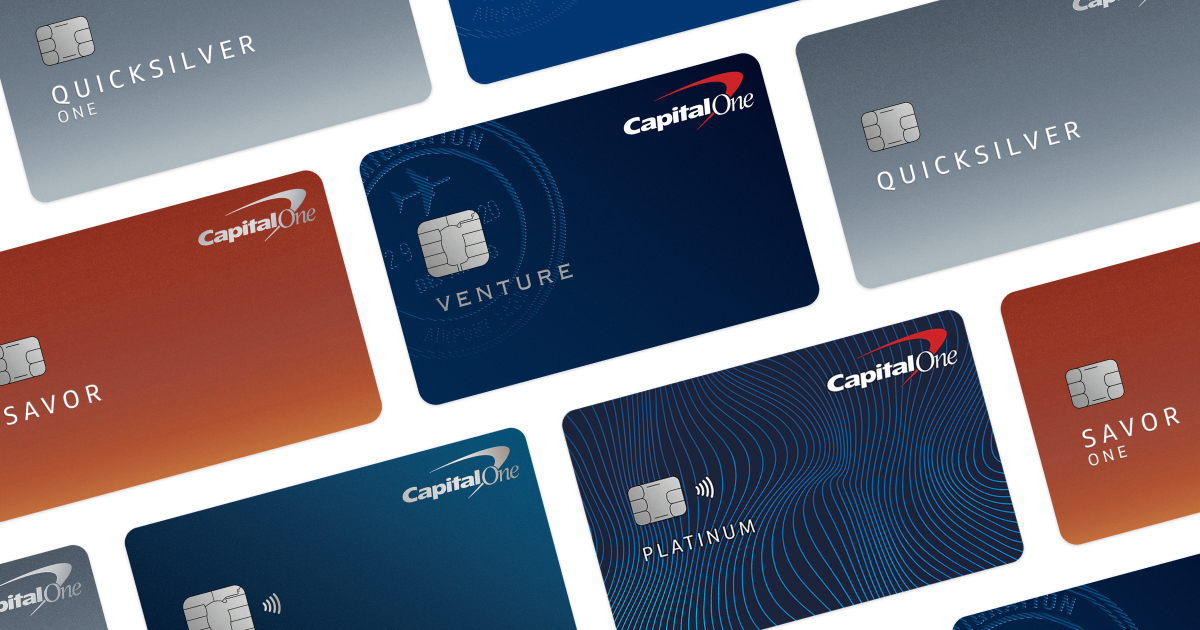
The myriad of credit card options can be overwhelming, but approaching the selection process with specific financial goals in mind simplifies the decision. Capital One offers cards categorized by rewards (cashback, travel miles), credit building (secured cards, student cards), and specific spending habits.
- Cashback Cards: Ideal for those who want to earn a percentage back on everyday purchases, effectively reducing the cost of living and increasing disposable income. These are excellent tools for optimizing a budget and accumulating passive savings.
- Travel Rewards Cards: Perfect for frequent travelers or those planning major trips. These cards can provide free flights, hotel stays, travel credits, and other perks that can significantly cut down travel expenses, making aspirational trips more financially viable.
- Secured Cards: A critical stepping stone for individuals with limited or poor credit history. By requiring a security deposit, these cards offer a low-risk way to build a positive credit score, which is foundational for accessing future financial products like mortgages or car loans at favorable rates.
- Student Cards: Tailored for college students, these cards offer an early opportunity to establish credit responsibly, often with benefits suited to a student’s lifestyle and lower credit limits to prevent overspending.
By evaluating your spending habits, future financial aspirations, and current credit standing, you can strategically select a Capital One card that serves as a powerful instrument in achieving your broader financial objectives.
Pre-Qualification: A Smart Financial First Step
One of Capital One’s most valuable features for prospective cardholders is its pre-qualification tool. This online resource allows you to check which Capital One credit cards you might be approved for without impacting your credit score. Unlike a full application, which involves a “hard inquiry” that can temporarily ding your credit, pre-qualification uses a “soft inquiry.” This means you can gauge your eligibility and explore suitable options risk-free. Engaging with the pre-qualification tool is a financially prudent move as it provides insight into your chances of approval, helps you avoid unnecessary hard inquiries from rejections, and guides you toward cards best suited for your current credit profile, thus optimizing your application strategy and protecting your credit score.
Essential Eligibility Criteria and Preparation
Applying for a credit card is a significant financial decision that requires careful consideration of your eligibility and thorough preparation of the necessary information. Understanding the criteria Capital One uses to evaluate applicants is paramount to a successful application.
Key Eligibility Factors
Capital One, like all credit card issuers, assesses several key factors to determine an applicant’s creditworthiness. These factors collectively paint a picture of your financial responsibility and ability to manage credit.
- Credit Score: This is often the most critical factor. Capital One offers cards for various credit tiers – excellent, good, fair, and even limited/poor credit. A higher credit score generally unlocks more premium cards with better rates and rewards.
- Income: Your gross annual income demonstrates your capacity to make timely payments. While there isn’t a strict minimum, a stable and sufficient income level relative to the credit limit requested is essential. Capital One will want to ensure you can comfortably handle the potential debt.
- Age: You must be at least 18 years old to apply for a credit card in the United States.
- Residency: Applicants typically need to be a U.S. citizen or permanent resident with a Social Security Number (SSN) or Individual Taxpayer Identification Number (ITIN).
- Debt-to-Income Ratio: While not always explicitly stated, lenders also consider your existing debt obligations relative to your income. A high ratio might suggest financial strain, making you a higher risk.
Gathering Required Financial Information
Once you’ve identified a suitable card and confirmed your eligibility, the next step is to gather all necessary documentation and information. This preparation streamlines the application process and minimizes the chances of delays or errors.
- Personal Identification: Your full legal name, date of birth, Social Security Number (SSN) or Individual Taxpayer Identification Number (ITIN), and a government-issued ID number (like a driver’s license or state ID).
- Contact Information: Current residential address, email address, and phone number. Capital One may use these to verify your identity and communicate updates.
- Employment and Income Details: Your employer’s name, occupation, annual gross income, and sources of income (e.g., salary, self-employment, benefits, investments). Be prepared to accurately state your total household income if applicable.
- Financial Accounts: Details of your primary banking accounts (checking/savings) might be requested for verification purposes, especially for new customers.
Having this information readily available will make the online application swift and accurate, reflecting positively on your financial preparedness.
Understanding Your Credit Score
Your credit score is a numerical representation of your creditworthiness, a vital component of your financial identity. Before applying for any credit product, it’s financially savvy to know where you stand. Services like Credit Karma, Experian, Equifax, and TransUnion (the three major credit bureaus) offer free access to your credit score and reports. Capital One also provides its own CreditWise tool, which allows anyone (not just Capital One customers) to monitor their VantageScore 3.0 for free. A good credit score indicates responsible borrowing behavior, enabling access to better financial products, lower interest rates, and more favorable terms. If your score is lower than desired, understanding the factors that influence it (payment history, credit utilization, length of credit history, types of credit, new credit) can help you develop a strategy to improve it before applying, thereby enhancing your chances of approval for premium cards.
Navigating the Capital One Credit Card Application Process
With your eligibility confirmed and information prepared, you’re ready to tackle the application itself. Capital One has designed its online application to be user-friendly, but meticulous attention to detail is crucial.
Step-by-Step Online Application
The most common and efficient way to apply for a Capital One credit card is through their official website. The process typically involves several key stages:
- Select Your Card: After pre-qualification, choose the specific Capital One credit card that best aligns with your financial goals and for which you have the highest approval odds. Click “Apply Now” or “Get Started.”
- Provide Personal Information: You will be prompted to enter your full name, date of birth, SSN/ITIN, residential address, email, and phone number. Ensure all details exactly match your legal documents.
- Enter Financial Information: Accurately provide details about your employment status, employer name, occupation, and your total annual gross income. This is a critical section, as it informs Capital One of your repayment capacity.
- Review and Consent: Before submitting, you’ll have the opportunity to review all the information you’ve entered. You’ll also need to read and agree to the terms and conditions, including disclosures regarding interest rates, fees, and the credit check authorization. This is where Capital One will perform a “hard inquiry” on your credit report.
- Submit Application: Once everything is reviewed and confirmed, click the “Submit” button.
This online process is generally secure and designed for efficiency, often taking only a few minutes to complete.
Providing Accurate Financial Details
The integrity of the information you provide during the application is paramount. Capital One uses this data to assess your creditworthiness and make a lending decision. Any discrepancies or inaccuracies, even unintentional ones, can lead to delays in processing or even denial of your application. It’s crucial to be honest and precise about your income, employment, and existing financial obligations. Lenders have sophisticated methods for verifying information, and misrepresenting your financial situation can have serious consequences, including fraud charges. Accurate reporting ensures that Capital One can offer you a credit limit and terms that are appropriate for your true financial capacity, setting a solid foundation for responsible credit use.
Reviewing Terms and Conditions
Before finally clicking “Submit,” a critical step that often gets overlooked is a thorough review of the credit card’s terms and conditions (T&Cs). This document is your financial contract with Capital One and outlines all the crucial financial details of your card. Pay close attention to:
- Annual Percentage Rate (APR): This is the interest rate you’ll be charged on balances carried over month-to-month. Understand the purchase APR, balance transfer APR, and cash advance APR, as they can differ significantly.
- Annual Fee: Some cards, particularly those with premium rewards, carry an annual fee. Ensure the benefits outweigh this cost for your financial situation.
- Other Fees: Be aware of late payment fees, balance transfer fees, cash advance fees, and foreign transaction fees.
- Grace Period: The time you have to pay your balance in full before interest charges accrue.
- Credit Limit: While not typically disclosed upfront, understanding how credit limits are determined and how they impact your credit utilization is important.
Understanding these T&Cs is a cornerstone of sound personal finance, preventing surprises and ensuring you manage your card effectively to avoid unnecessary costs.
Post-Application: What to Expect and Next Financial Steps
The period immediately following your application can bring a mix of anticipation and practical considerations, regardless of the outcome. Being prepared for the next steps is part of sound financial planning.
Instant vs. Delayed Decisions
Many online credit card applications, including Capital One’s, offer instant decisions. If approved, you’ll typically receive a confirmation and details about your credit limit. If denied, you’ll usually get an immediate notification and, by law, Capital One will send you an adverse action notice detailing the reasons for the denial within a certain timeframe. Sometimes, however, the decision may be delayed for further review. This could be due to a need for additional verification, or if your application falls into a grey area requiring a manual assessment. If your application is pending, Capital One will usually provide an estimated timeframe for their decision or instruct you on how to check the status online. Patience is key during these periods, and avoiding multiple applications to other lenders in quick succession is advisable to prevent further hard inquiries that could negatively impact your credit score.
If Approved: Activating and Responsible Use
Congratulations if your application is approved! The journey doesn’t end there; it’s just beginning. Your new Capital One credit card will typically arrive in the mail within 7-10 business days. Upon receipt, you’ll need to activate it, usually through a secure online portal or a dedicated phone number. Once activated, the real work of responsible credit management begins.
- Budgeting: Integrate your credit card into your monthly budget. Understand how it fits with your income and expenses.
- Timely Payments: Always pay your bill on time, preferably the full statement balance, to avoid interest charges and late fees. Setting up autopay can be a useful tool for this.
- Credit Utilization: Aim to keep your credit utilization ratio (the amount of credit you use compared to your total available credit) low, ideally below 30%. This demonstrates responsible borrowing and positively impacts your credit score.
- Monitor Statements: Regularly review your credit card statements for any unauthorized transactions or errors. Capital One’s online tools make this easy.
- Understand Rewards: If it’s a rewards card, understand how to earn and redeem your rewards to maximize their financial benefit.
Responsible use of your Capital One credit card will not only help you avoid debt but also build a strong credit history, opening doors to more favorable financial opportunities in the future.
If Denied: Learning and Improving Your Financial Standing
Receiving a denial can be disheartening, but it’s an opportunity for financial learning and improvement, not a dead end. Capital One is legally obligated to provide you with the reasons for your denial. This adverse action notice is invaluable for understanding weaknesses in your financial profile. Common reasons for denial include:
- Low credit score
- High debt-to-income ratio
- Insufficient income
- Too many recent credit applications
- Inaccurate information on your application
Armed with this knowledge, you can formulate a strategy to improve your financial standing. This might involve:
- Reviewing Your Credit Report: Check for errors and dispute any inaccuracies.
- Paying Down Debt: Reduce existing credit card balances to lower your credit utilization.
- Building Credit: Consider a secured credit card (like Capital One’s Secured Mastercard) or becoming an authorized user on someone else’s account to establish or rebuild positive credit history.
- Increasing Income: Explore side hustles or career advancements to boost your earning potential.
- Waiting: Allow some time to pass, particularly if you’ve made several recent credit applications.
A denial is a moment to pause, reassess, and strategically plan your next financial moves towards a healthier credit future.
Maximizing Your Capital One Credit Card for Financial Growth
A Capital One credit card is not just a payment method; it’s a dynamic tool that, when managed strategically, can significantly contribute to your long-term financial growth and stability. Leveraging its features and understanding its role in your broader financial plan is key.
Strategic Spending for Rewards
For rewards-based Capital One cards (cashback, travel miles), strategic spending is the art of turning everyday expenses into tangible financial benefits. This involves understanding your card’s rewards structure: where do you earn the highest percentage back or the most miles?
- Category Spending: Many Capital One cards offer bonus rewards in specific categories (e.g., dining, groceries, travel). Align your spending to maximize these categories.
- Big Purchases: If you’re planning a large purchase, use your rewards card to earn significant points or cashback, ensuring you can pay off the balance immediately to avoid interest.
- Sign-up Bonuses: Capital One often offers attractive sign-up bonuses for new cardholders who meet a certain spending threshold within the initial months. Strategically planning your larger expenses to meet this requirement can provide a substantial initial boost to your rewards.
By consciously directing your spending through the card, you effectively transform routine outlays into opportunities for savings, travel, or other valuable perks, enhancing your overall financial efficiency.
Building a Strong Credit History
One of the most profound benefits of a Capital One credit card, especially for those new to credit or rebuilding it, is its capacity to help build a strong credit history. A positive credit history is the bedrock of future financial access, influencing everything from mortgage rates to car loans and even insurance premiums.
- Consistent On-Time Payments: This is the single most important factor. Always pay at least the minimum amount due by the due date.
- Low Credit Utilization: Keep your outstanding balances well below your credit limit. A ratio of under 30% is generally recommended, but lower is always better.
- Length of Credit History: The longer you responsibly manage credit, the better. Avoid closing old credit card accounts, as this can shorten your average credit age.
- Mix of Credit: While a credit card is a revolving account, a healthy credit mix (including installment loans like mortgages or car loans) can also contribute positively.
By diligently adhering to these principles, your Capital One credit card becomes a powerful testament to your financial reliability, steadily elevating your credit score and expanding your future financial opportunities.
Utilizing Capital One’s Financial Tools
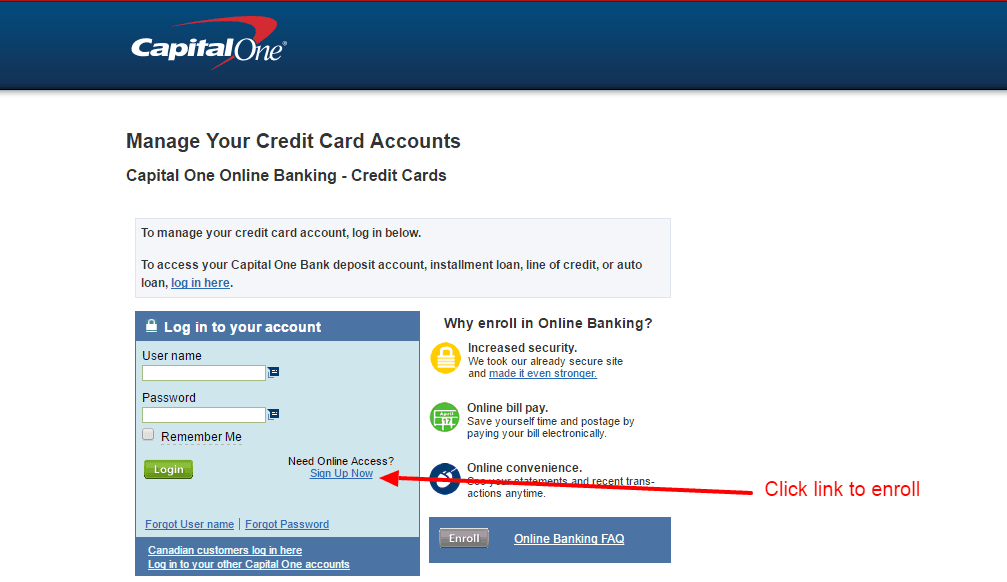
Capital One is known for its robust suite of digital tools designed to empower cardholders in managing their finances. Leveraging these tools can provide invaluable insights and simplify credit management:
- Mobile App: The Capital One mobile app provides instant access to your account, allowing you to check balances, view transactions, make payments, and set up alerts on the go.
- CreditWise: As mentioned, this free tool helps you monitor your VantageScore 3.0, track key factors impacting your score, and receive alerts for suspicious activity on your credit report. It’s an excellent resource for proactive credit health monitoring.
- Eno, the Capital One Assistant: An AI-powered assistant available through the app and online, Eno can answer questions about your account, help track spending, and even generate virtual card numbers for enhanced online security.
- Budgeting Features: The app often includes spending breakdowns, helping you categorize your purchases and better understand where your money is going, a crucial step in effective budgeting.
By actively engaging with these financial tools, you gain greater control and visibility over your credit card activity and overall financial health, turning your Capital One card into a comprehensive financial management instrument.
Signing up for a Capital One credit card is a calculated step in a well-considered financial journey. From choosing the right card that aligns with your specific financial goals to meticulously preparing your application and, most importantly, committing to responsible usage, each stage contributes to building a stronger financial future. A Capital One credit card, when managed strategically and integrated thoughtfully into your personal finance framework, can be a powerful asset for building credit, earning rewards, and fostering enduring financial growth.
aViewFromTheCave is a participant in the Amazon Services LLC Associates Program, an affiliate advertising program designed to provide a means for sites to earn advertising fees by advertising and linking to Amazon.com. Amazon, the Amazon logo, AmazonSupply, and the AmazonSupply logo are trademarks of Amazon.com, Inc. or its affiliates. As an Amazon Associate we earn affiliate commissions from qualifying purchases.