
In the modern financial landscape, the shift toward a cashless society has transformed from a futuristic concept into a daily reality. Peer-to-peer (P2P) payment platforms have become the backbone of informal economies, small-scale entrepreneurship, and personal financial management. Among these, Venmo has emerged as a dominant force, bridging the gap between social networking and financial utility. Understanding how to properly set up a Venmo account to receive money is no longer just a technical necessity; it is a foundational step in managing one’s personal liquidity and participating in the contemporary digital economy.

The Fundamentals of Venmo as a Financial Tool
Before diving into the technical configuration, it is essential to understand Venmo’s position within your broader financial ecosystem. Venmo functions as a digital wallet—a middle layer between your traditional banking institution and your immediate spending or receiving needs. While it is often associated with splitting dinner bills or paying for small services, its utility as a tool for receiving funds extends to freelancers, side-hustlers, and individuals managing complex household budgets.
Choosing Between Personal and Business Profiles
One of the most critical decisions during the setup phase is determining the nature of the transactions you expect to receive. Venmo offers two distinct paths: Personal and Business profiles.
A Personal profile is designed for non-commercial use—splitting rent, receiving gifts, or being reimbursed by friends. If your primary goal is to receive money from acquaintances, this is the standard choice. However, if you are utilizing Venmo as a platform for a side hustle, such as selling handmade goods or offering consulting services, a Business profile is mandatory. Business profiles offer enhanced visibility, specialized tax reporting features, and the ability to accept “Goods and Services” payments, which include purchase protection for the sender. From a financial management perspective, selecting the correct profile ensures you remain compliant with Venmo’s terms of service and simplifies your year-end accounting.
System Requirements and Geographic Availability
Venmo is currently restricted to users within the United States. To receive money, you must possess a U.S. cellular number capable of receiving SMS codes and a compatible smartphone. While the platform has a web interface, the full suite of receiving and management tools is localized within the mobile application. Ensuring your device is updated to the latest OS version is a prerequisite for the security protocols required to handle financial data.
Step-by-Step Setup: From Installation to Verification
Setting up an account to receive money requires a blend of user-facing configuration and back-end security verification. The process is designed to be streamlined, yet it demands attention to detail to avoid future holds on your funds.
Initial Registration and Identity Verification
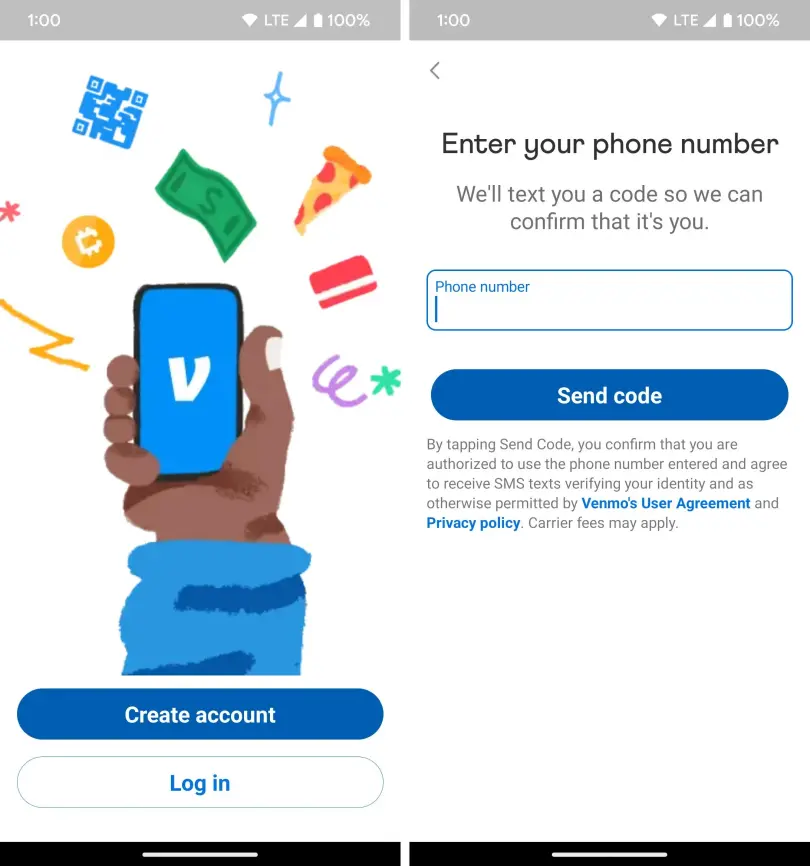
After downloading the application from the respective app store, the registration process begins with an email address and a secure password. Venmo requires a valid legal name; using an alias can lead to account suspension when the platform’s automated systems trigger “Know Your Customer” (KYC) protocols.
Once the basic profile is created, Venmo will require phone number verification via a shortcode. This is a critical security layer. Following this, the platform will often prompt for identity verification. While you can technically receive small amounts of money without full verification, Venmo imposes strict “rolling limits” on unverified accounts. To receive larger sums and to move those funds to a bank account, you will need to provide your Social Security Number (SSN) or Individual Taxpayer Identification Number (ITIN). From a personal finance standpoint, completing this step early prevents the frustration of “frozen” funds during a time-sensitive transaction.
Linking Your Financial Infrastructure
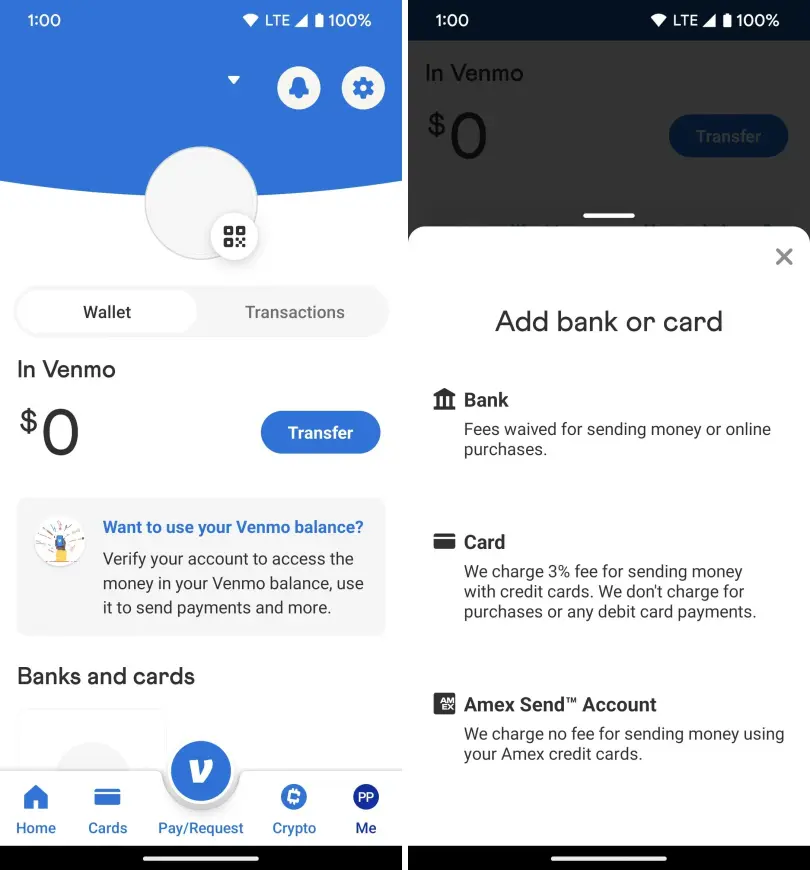
To do more than just hold a balance within the app, you must link your Venmo account to a traditional financial institution. This is achieved through the “Payment Methods” section of the app.
-
Bank Account Linking: This is the preferred method for those looking to move received money into a high-yield savings account or a primary checking account. Venmo utilizes services like Plaid to offer “Instant Verification,” where you log in via your bank’s portal. Alternatively, you can use “Manual Verification,” which involves Venmo sending two micro-deposits to your account over 1–3 business days.
-
Debit Card Integration: While bank accounts are best for large transfers, linking a debit card is essential for “Instant Transfers.” If you receive money on Venmo and need those funds in your external account within minutes rather than days, a verified debit card is the required conduit.
Maximizing Your Receiving Potential: Features and Limits
Once the account is live, the focus shifts to the mechanics of receiving money efficiently and understanding the constraints of the digital wallet.
Facilitating Seamless Payments
The primary hurdle in receiving money is often the “friction” the sender experiences. Venmo provides several tools to minimize this. Every user is assigned a unique username (the @handle) and a personal QR code. In a professional or “side-hustle” context, printing your Venmo QR code or having it readily available on your phone screen is the most effective way to receive payments in person.
Furthermore, you can send “Requests.” If someone owes you money for a shared expense or a service rendered, sending a formal request through the app serves as both a reminder and a direct link for them to pay, reducing the administrative burden on your end.
Understanding Transfer Limits
For individuals using Venmo for more significant financial transactions, understanding the limits is paramount. For a new, verified account, the weekly “rolling limit” for receiving and spending is typically generous, but the limit for transferring those funds to a bank account is what most users need to monitor. Verified users generally have a much higher ceiling—often up to $60,000 per week for bank transfers—whereas unverified users are capped at significantly lower amounts. Monitoring these limits is a key part of cash flow management, particularly if you rely on the platform for time-sensitive income.
Managing the Venmo Balance
When you receive money, it does not automatically move to your bank account; it sits in your “Venmo Balance.” You then have two choices for liquidation:
-
Standard Transfer (Free): This typically takes 1–3 business days. It is the most cost-effective way to manage your money if you do not have an immediate need for the cash.
-
Instant Transfer (Fee-based): For a small percentage fee (with a minimum and maximum cap), funds can be moved to your debit card in minutes. From a financial planning perspective, it is usually better to plan ahead and use the free transfer, as these small fees can aggregate over time and eat into your net income.
Security and Compliance: Protecting Your Digital Assets
In the realm of personal finance, security is not a feature—it is a requirement. Because Venmo is linked directly to your primary bank accounts, it represents a potential point of vulnerability if not managed with rigor.
Hardening Your Account Security
The first step in securing your received funds is enabling Multi-Factor Authentication (MFA). Venmo allows for biometric locks (FaceID or TouchID) and PIN codes to open the app. Enabling these ensures that even if your phone is lost or stolen, your Venmo balance and linked bank accounts remain inaccessible.
Another often-overlooked security feature is the privacy setting. By default, Venmo transactions can be public. For those receiving money, it is highly recommended to set your default privacy to “Private.” This hides your transaction history from the public feed, preventing social engineering attackers from seeing who you are transacting with and for what amounts.
Tax Implications and the 1099-K
A significant shift in the financial landscape involves how P2P apps report income to the IRS. If you use a Business profile and receive over a certain threshold (which has been subject to recent legislative adjustments, currently hovering around $600 for the tax year), Venmo is required to issue a Form 1099-K.
Even if you use a Personal profile, if you are receiving money for “Goods and Services,” those transactions are potentially taxable. It is vital to keep meticulous records of why you are receiving money. Personal finance is as much about record-keeping as it is about earning, and distinguishing between a “reimbursement for a pizza” and “income from a consulting gig” is essential for accurate tax filing.
Integrating Venmo into Your Broader Financial Strategy
Setting up a Venmo account to receive money is only the beginning. The most successful users view Venmo as one component of a holistic financial strategy.
Separation of Funds
For those using Venmo for side income, it is a best practice to transfer received funds into a dedicated bank account rather than your primary checking account. This makes tracking “business” income much easier and helps in building a “tax bucket” to pay estimated quarterly taxes.
Using Venmo as a Budgeting Tool
Some users leverage the Venmo balance as a “discretionary spending” fund. By keeping received money (like gifts or small reimbursements) within the Venmo ecosystem and using the Venmo Debit Card to spend it, you can effectively separate your “fun money” from your primary bill-paying funds. This creates a natural barrier that prevents overspending from your main savings.
In conclusion, Venmo is a sophisticated financial instrument that requires more than just a cursory setup. By choosing the right profile, verifying your identity, understanding the fee structures of transfers, and maintaining a high standard of digital security, you can turn a simple app into a powerful engine for receiving and managing money in the modern age. As the lines between social interaction and financial transactions continue to blur, mastering these tools is an essential skill for anyone looking to navigate the complexities of personal finance today.
aViewFromTheCave is a participant in the Amazon Services LLC Associates Program, an affiliate advertising program designed to provide a means for sites to earn advertising fees by advertising and linking to Amazon.com. Amazon, the Amazon logo, AmazonSupply, and the AmazonSupply logo are trademarks of Amazon.com, Inc. or its affiliates. As an Amazon Associate we earn affiliate commissions from qualifying purchases.