
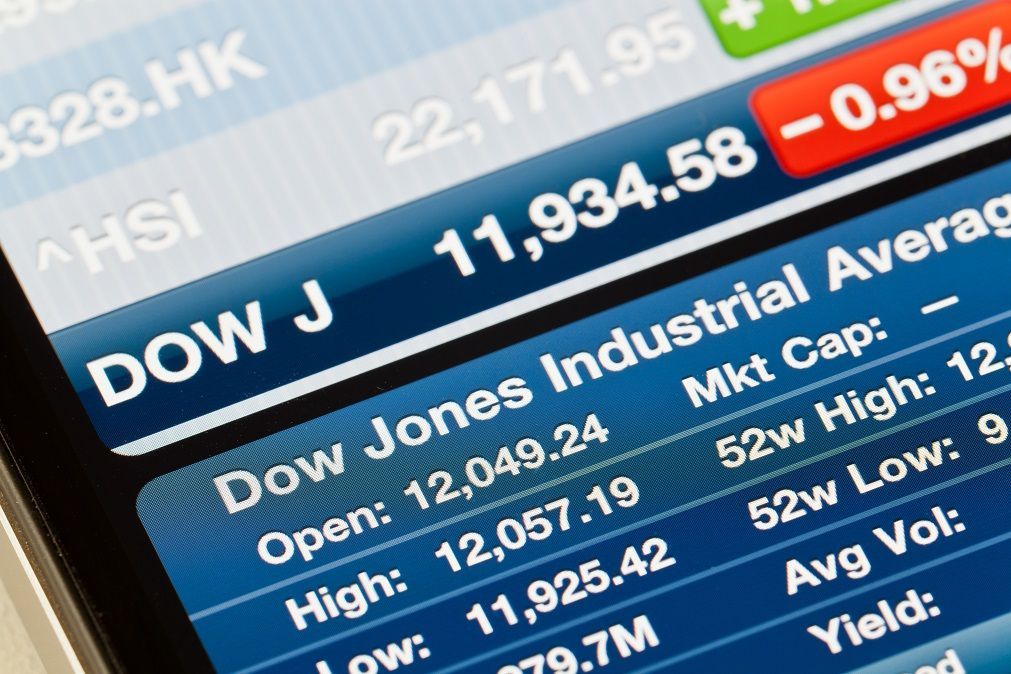
The Dow Jones Industrial Average (DJIA), often referred to simply as “the Dow,” is one of the oldest and most watched stock market indices in the world. Comprising 30 prominent, blue-chip companies listed on stock exchanges in the United States, it serves as a primary barometer for the health of the U.S. economy and the broader financial markets. For many investors, “buying the Dow” represents a commitment to stability, consistent dividends, and long-term growth.
However, a common point of confusion for beginners is the technicality of the purchase. You cannot “buy” an index directly because an index is merely a mathematical measurement of the performance of a specific group of assets. Instead, investors must use specific financial instruments to gain exposure to these companies. Whether you are a seasoned investor or a newcomer to the world of personal finance, understanding the nuances of the Dow Jones is essential for building a robust portfolio.

Understanding the Dow Jones Industrial Average (DJIA)
To invest effectively in the Dow, one must first understand what it represents and how it functions. Unlike the S&P 500, which tracks 500 of the largest U.S. companies, or the Nasdaq Composite, which is heavily weighted toward technology, the Dow is a price-weighted index of 30 “industrial” giants. While the term “industrial” is historical—the index now includes tech leaders, healthcare providers, and financial institutions—the focus remains on established market leaders.
What Exactly is “The Dow”?
Founded by Charles Dow and Edward Jones in 1896, the index originally featured only 12 companies, primarily in the railroad, cotton, sugar, and oil sectors. Today, the 30 components are selected by a committee at S&P Dow Jones Indices. There are no rigid rules for inclusion; instead, the committee chooses companies that have an excellent reputation, demonstrate sustained growth, and are of interest to a large number of investors. Current components include household names like Apple, Microsoft, Coca-Cola, and Goldman Sachs.
The Price-Weighted Methodology and the Dow Divisor
One of the most unique aspects of the Dow is its price-weighted calculation. In most indices, a company’s weight is determined by its market capitalization (share price multiplied by the number of shares outstanding). In the Dow, however, the companies with the highest share prices have the greatest influence on the index’s movement, regardless of their actual size.
To maintain consistency through stock splits and dividends, the index uses the “Dow Divisor.” This is a continuously adjusted numerical value used to calculate the level of the index. When you see the Dow “up by 200 points,” it is the result of the sum of the prices of the 30 stocks divided by this divisor. For investors, this means that a $5 move in a high-priced stock like UnitedHealth Group impacts the Dow significantly more than a $5 move in a lower-priced stock like Verizon.
Can You Buy “The Dow” Directly?
Since the Dow is a theoretical index, you cannot purchase it as a single entity. To “buy the Dow,” you essentially have two primary paths: purchasing individual shares of all 30 component companies or, more commonly, investing in a fund that tracks the index.
Individual Stock Ownership vs. Index Funds
The most direct way to replicate the Dow is to buy shares in each of the 30 companies that make up the index. While this gives you direct ownership and the ability to collect individual dividends, it is often impractical for the average investor. Buying 30 different stocks requires significant capital to ensure the correct weighting, and you would be responsible for manually rebalancing your portfolio whenever the Dow committee adds or removes a company. Furthermore, transaction costs—though lower now due to commission-free trading—can still add up in terms of time and management.
For the vast majority of investors, the most efficient route is through index-tracking products. These products are managed by financial institutions that do the heavy lifting of buying the 30 stocks in the correct proportions, allowing you to own a piece of the entire index through a single ticker symbol.
Step-by-Step Guide to Investing in the Dow
Navigating the stock market requires a clear plan. If you are ready to put your money to work, follow these steps to secure your position in the Dow Jones components.
Choosing the Right Brokerage Account
Your first step is to open a brokerage account. In the modern era, you have a wealth of choices, ranging from traditional powerhouses like Charles Schwab and Fidelity to tech-forward platforms like Robinhood or Vanguard. When selecting a broker, consider the following:
-
Fees: Most major U.S. brokers offer zero-commission trades for stocks and ETFs.
-
Account Types: Decide if you want a standard taxable brokerage account or a tax-advantaged retirement account, such as a Traditional or Roth IRA.
-
Tools and Research: If you plan on researching individual Dow components, choose a platform with robust analytical tools.
Researching Dow Components
Before investing, it is wise to review the current list of the 30 companies. Because the Dow is a “blue-chip” index, these companies are generally profitable and stable, but they are not immune to market cycles. For example, during a tech rally, Microsoft and Apple may drive the index higher, while during an energy crisis, Chevron might be the standout performer. Understanding the current makeup of the index helps you manage your expectations regarding volatility and dividends.
Placing Your First Order
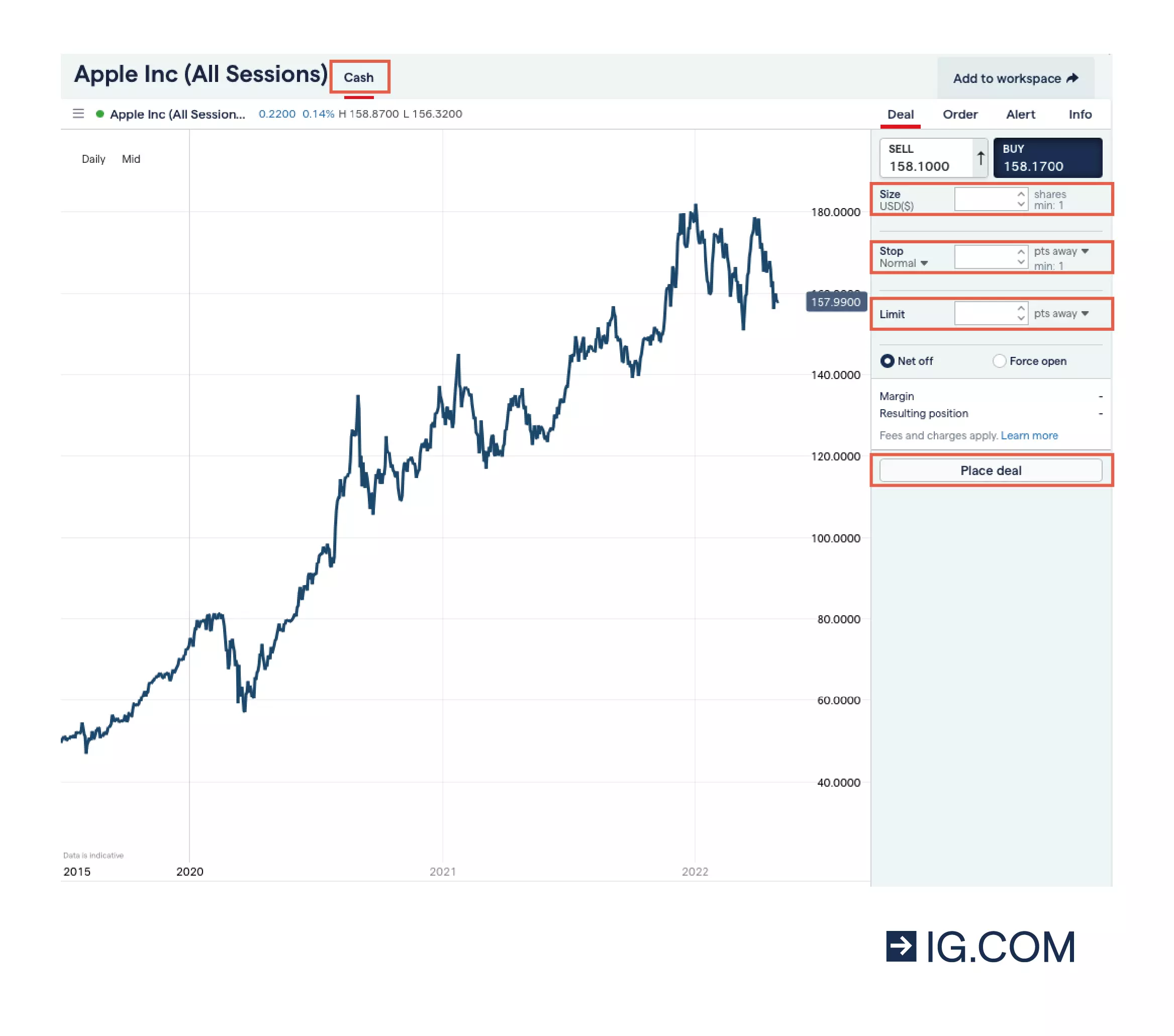
Once your account is funded, you can place an order. If you are buying an ETF that tracks the Dow, you will enter the ticker symbol (such as DIA), choose the number of shares you wish to purchase, and select an order type.
-
Market Order: Executes immediately at the current market price.
-
Limit Order: Only executes if the price reaches a specific level that you set.
For long-term investors, market orders are usually sufficient, but limit orders offer more control over the entry price.
Popular Investment Vehicles for Tracking the Dow
If you have decided that buying 30 individual stocks is too cumbersome, you should look into the specific financial products designed to mirror the Dow’s performance.
Exchange-Traded Funds (ETFs)
The most popular way to buy the Dow is through an ETF. The gold standard for this is the SPDR Dow Jones Industrial Average ETF Trust, known by its ticker symbol: DIA. Often referred to as “Diamonds,” this ETF is designed to track the DJIA as closely as possible.
-
Liquidity: DIA is highly liquid, meaning you can buy and sell it instantly during market hours.
-
Dividends: The ETF collects dividends from the 30 underlying stocks and distributes them to shareholders, typically on a monthly basis.
-
Expense Ratio: This is the annual fee charged by the fund. DIA has a relatively low expense ratio, making it a cost-effective way to hold the index for years.
Index Mutual Funds
While ETFs are traded like stocks throughout the day, mutual funds are priced only once at the end of the trading day. Some institutional providers offer Dow Jones index mutual funds. These are often used in 401(k) plans or by investors who prefer automatic monthly contributions. However, in recent years, many investors have shifted toward ETFs due to their higher flexibility and tax efficiency.
Options and Futures
For advanced traders looking for leverage or hedging strategies, there are Dow Jones options and futures contracts. These allow you to bet on the future direction of the index or protect an existing portfolio from a market downturn. However, these instruments involve significantly higher risk and are generally not recommended for beginners or those focused on long-term wealth accumulation.
Strategies for Success and Risk Management
Investing in the Dow is generally considered a conservative equity strategy, but it still requires a thoughtful approach to maximize returns and mitigate potential downsides.
The “Dogs of the Dow” Strategy
A popular investment strategy involving the DJIA is the “Dogs of the Dow.” This strategy involves identifying the 10 companies in the index with the highest dividend yields at the beginning of the year and investing an equal dollar amount in each. The theory is that these high-yield companies are temporarily undervalued and will see their stock prices rebound as they continue to pay out dividends. Historically, this strategy has occasionally outperformed the broader index, though it requires annual rebalancing.
Diversification Beyond the 30 Blue-Chip Stocks
While the Dow contains some of the strongest companies in the world, it is only 30 stocks. This lack of breadth means it can sometimes lag behind the broader market. For example, because it is price-weighted, it may under-represent the explosive growth of smaller, mid-cap companies or even some of the largest tech firms if their share prices are relatively low. To build a truly resilient financial future, consider pairing your Dow investment with an S&P 500 fund or an international index fund to ensure you are diversified across different market caps and geographies.
Long-term vs. Short-term Outlook
The Dow Jones is best suited for long-term investors. Because these companies are “mature,” they may not offer the 1,000% returns seen in speculative startups, but they offer something arguably more valuable: resilience. During market corrections, blue-chip stocks often hold their value better than speculative growth stocks. Furthermore, many Dow components are “Dividend Aristocrats”—companies that have increased their dividend payouts for 25 consecutive years or more. By reinvesting these dividends over decades, you can leverage the power of compounding to significantly grow your net worth.
In conclusion, buying Dow Jones stock is an accessible and effective way to participate in the growth of the American economy. By choosing a reliable brokerage, selecting the right ETF or individual stocks, and maintaining a disciplined long-term strategy, you can build a portfolio grounded in the strength of the world’s most iconic industrial leaders. Whether the market is at an all-time high or experiencing a temporary dip, the “Diamond” standard of the Dow remains a cornerstone of professional and personal finance.
aViewFromTheCave is a participant in the Amazon Services LLC Associates Program, an affiliate advertising program designed to provide a means for sites to earn advertising fees by advertising and linking to Amazon.com. Amazon, the Amazon logo, AmazonSupply, and the AmazonSupply logo are trademarks of Amazon.com, Inc. or its affiliates. As an Amazon Associate we earn affiliate commissions from qualifying purchases.