
Selling a vehicle is often viewed as a simple logistical task, but from a personal finance perspective, it represents a significant liquidation of a depreciating asset. Whether you are looking to upgrade, downsize, or simply free up capital, the process of selling your car requires a rigorous financial strategy to ensure you are not leaving money on the table. In the modern economy, a car is frequently one of the largest line items on a household balance sheet. Therefore, approaching the sale with the mindset of a portfolio manager rather than a casual seller is essential.
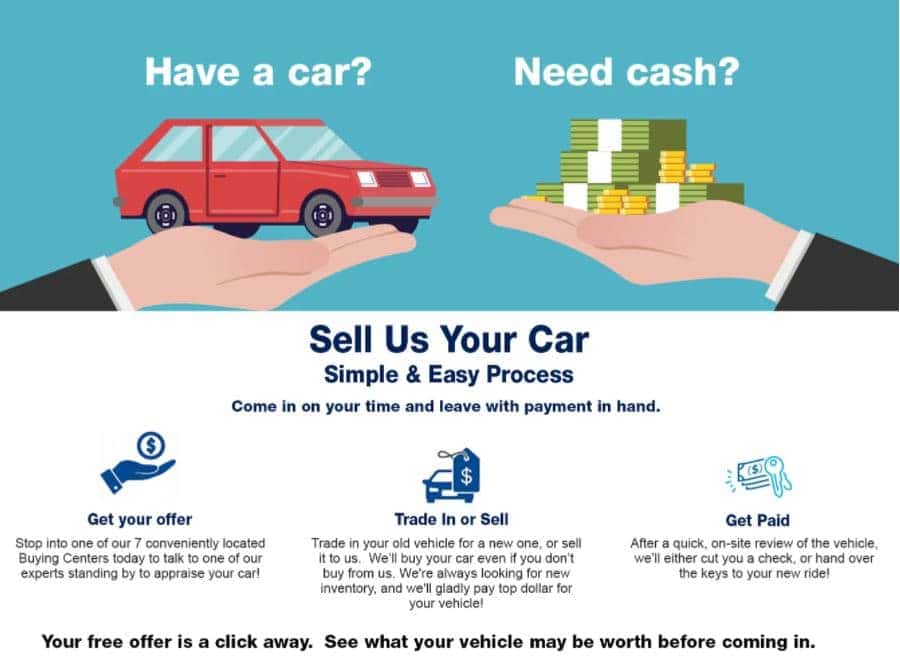
This guide explores the financial intricacies of the automotive secondary market, providing a professional roadmap to maximizing your return on investment (ROI) and ensuring a secure, high-value transaction.
1. Asset Valuation and the Macroeconomics of the Used Car Market
Before listing your vehicle, you must understand its current position within the broader economic landscape. Automotive values are not static; they are influenced by interest rates, supply chain fluctuations, and seasonal demand.
Understanding Depreciation and Equity
Depreciation is the silent thief of automotive wealth. Most vehicles lose 15% to 20% of their value in the first year and roughly 10% to 15% every year thereafter. To sell effectively, you must first determine your “equity position.” If the car is financed, you need to obtain a payoff quote from your lender. If the vehicle’s market value is higher than the payoff amount, you have positive equity. If it is lower, you are “underwater,” a scenario that requires a different financial strategy, such as covering the gap with personal savings to clear the title for a buyer.
Leveraging Professional Valuation Tools
To establish a realistic asking price, a professional seller must move beyond guesswork. Utilizing industry-standard benchmarks such as Kelley Blue Book (KBB), Edmunds, and NADA Guides provides a baseline. However, these are often lagging indicators. For a real-time financial snapshot, one should analyze “sold” listings on peer-to-peer marketplaces and check the “Instant Cash Offer” figures from major digital retailers. This data allows you to create a price floor and a target ceiling for your negotiations.
Identifying Seasonal Market Trends and Timing
Timing is a critical variable in price optimization. From a financial standpoint, selling a convertible in late autumn is a poor move, just as selling a fuel-inefficient SUV during a spike in oil prices can lead to diminished returns. Generally, the “tax refund season” (February through April) sees a surge in liquidity among buyers, driving up the prices of used vehicles. Aligning your sale with these cycles of high demand can result in a 5% to 10% premium on the final sale price.
2. Strategic Reconditioning: Maximizing ROI Through Targeted Investment
In any asset sale, the presentation influences the perceived value. However, from a money management perspective, you must distinguish between “necessary maintenance” and “over-capitalization.”
The ROI of Aesthetic Capital
Professional detailing is one of the few investments in the car-selling process that offers a guaranteed positive return. A vehicle that is showroom-clean signals to the buyer that the owner has been a diligent steward of the asset. For a cost of $200 to $400, a professional detail can often increase the perceived value of a car by $1,000 or more. This is a classic example of “low-cost, high-impact” financial preparation.
Strategic Repairs vs. “As-Is” Discounting
One must perform a cost-benefit analysis on mechanical repairs. If your vehicle requires a $1,000 repair but its absence would force you to discount the car by $2,000, the repair is a sound financial decision. Conversely, addressing minor cosmetic dings that do not affect the vehicle’s operation often results in a “sunk cost” where the repair expense is not fully recovered in the sale price. Focus your capital on “deal-breakers”—issues that would prevent a buyer from securing financing or passing a safety inspection.

The Financial Power of Documentation
A comprehensive service history is a tangible financial asset. In the eyes of a sophisticated buyer, a car with a well-documented maintenance log is worth significantly more than an identical car with no records. These documents mitigate the buyer’s risk, allowing you to justify a “top-of-market” asking price. Organized records effectively act as a “risk premium” that the buyer pays to you for the peace of mind that the engine and transmission have been properly cared for.
3. Comparative Analysis of Sales Channels: Margins vs. Liquidity
Deciding where to sell your car is a trade-off between the “Net Sale Price” and “Time to Liquidity.” Each channel offers a different financial profile.
Private Party Sales: The High-Margin Strategy
Selling directly to another individual consistently yields the highest return. By removing the middleman (the dealer), you capture the full retail spread. While this method requires the most effort—handling inquiries, vetting buyers, and managing paperwork—it can result in a 15% to 25% higher yield compared to a wholesale trade-in. For those focused on maximizing personal net worth, the private market is the gold standard.
Dealer Trade-ins and the Tax Shield
While dealers offer lower “wholesale” prices, they provide high liquidity and a unique financial benefit known as the “tax credit.” In many jurisdictions, if you trade in a vehicle toward the purchase of a new one, you only pay sales tax on the difference between the two prices. For example, if you buy a $40,000 car and trade in your old one for $20,000, you only pay sales tax on $20,000. Depending on your local tax rate, this “tax shield” can bridge a significant portion of the gap between a trade-in offer and a private sale price.
Instant Cash Offers and Digital Disruptors
The rise of digital automotive platforms has introduced a third pillar: the instant cash offer. These companies use algorithmic pricing to offer a middle-ground solution. They provide more money than a traditional dealership trade-in but less than a private sale. From a business finance perspective, this is often the most “efficient” choice for busy professionals, as it offers a guaranteed exit with zero marketing costs and minimal time commitment.
4. Negotiation Tactics and Transactional Security
The final stage of the sale is where the financial gain is realized or lost. Mastering the art of the deal and ensuring the security of the funds is paramount.
Setting a Psychological Price Anchor
When listing your vehicle, use the “anchoring” technique. By setting your initial asking price slightly above your “walk-away” number (e.g., listing at $15,900 when you want $15,000), you give yourself room to negotiate while still making the buyer feel they have won a concession. Avoid “round number” pricing; a price like $14,850 often feels more calculated and researched to a buyer than a flat $15,000, leading to less aggressive haggling.
Managing the Transaction and Avoiding Financial Fraud
The transfer of a high-value asset must be handled with the same rigor as a real estate closing. To protect your capital, only accept secure payment methods. Cash is king, but for larger sums, a cashier’s check performed at the buyer’s bank branch is the safest route. Never accept personal checks or complex “escrow” arrangements from unverified third parties. Ensure that the “Bill of Sale” and “Release of Liability” are filed immediately with your local transport authority to sever your financial and legal responsibility for the vehicle.
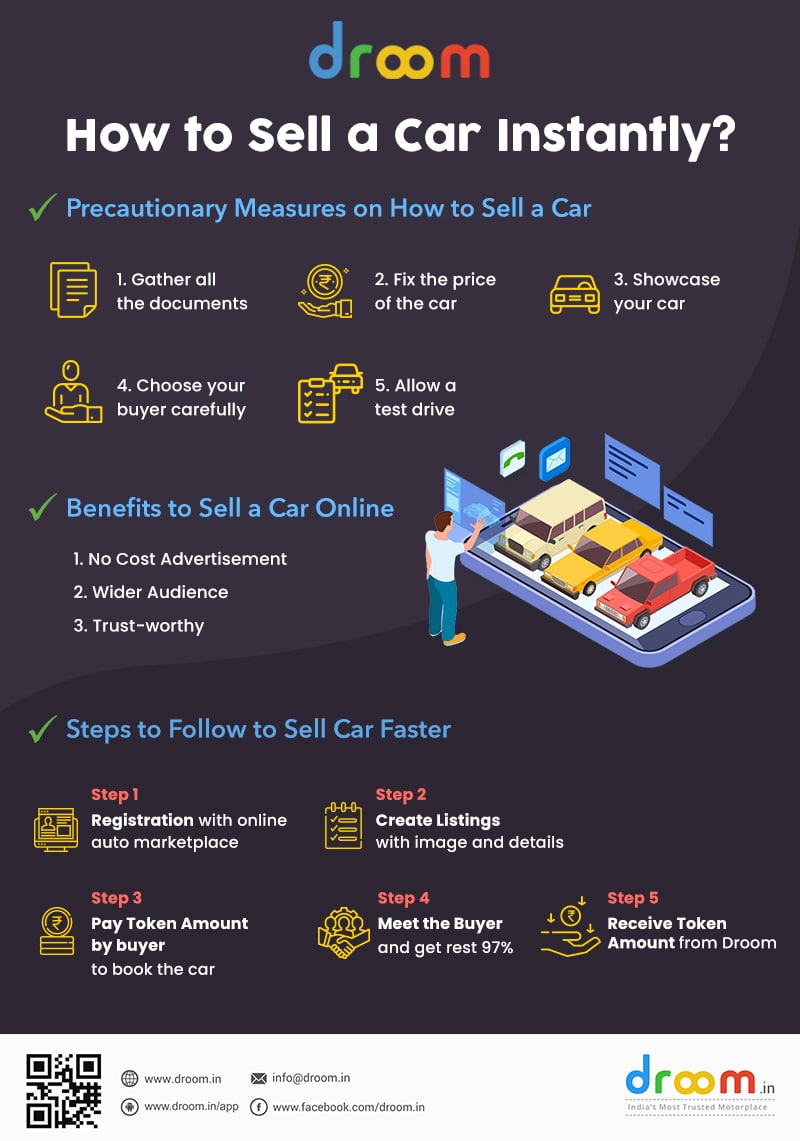
Reinvesting the Proceeds: The Next Financial Move
Once the sale is finalized and the funds are in your account, the final step in the “Money” niche is the strategic deployment of that capital. Whether you are moving the funds into a high-yield savings account to buffer your emergency fund, investing in a diversified index fund, or using the cash to minimize the financing needs for your next vehicle, the goal is to ensure the liquidated asset continues to serve your long-term financial health.
By treating the sale of your car as a formal business transaction, you transform a common chore into a sophisticated financial maneuver. Maximizing the sale price of your vehicle is not just about the car itself—it is about protecting your capital, optimizing your cash flow, and ensuring your personal balance sheet remains robust.
aViewFromTheCave is a participant in the Amazon Services LLC Associates Program, an affiliate advertising program designed to provide a means for sites to earn advertising fees by advertising and linking to Amazon.com. Amazon, the Amazon logo, AmazonSupply, and the AmazonSupply logo are trademarks of Amazon.com, Inc. or its affiliates. As an Amazon Associate we earn affiliate commissions from qualifying purchases.