
The transition of Amazon from a niche online bookseller to a global titan of commerce did not happen overnight. To understand when Amazon became popular, one must look beyond mere revenue figures and examine the strategic evolution of its brand identity. Popularity, in the context of a corporate brand, is defined by the moment a company moves from being a service people use to a name they trust and a utility they cannot live without. While the foundation was laid in 1994, the tipping point into true mainstream ubiquity occurred through a series of calculated brand expansions and the relentless pursuit of “Customer Obsession.”
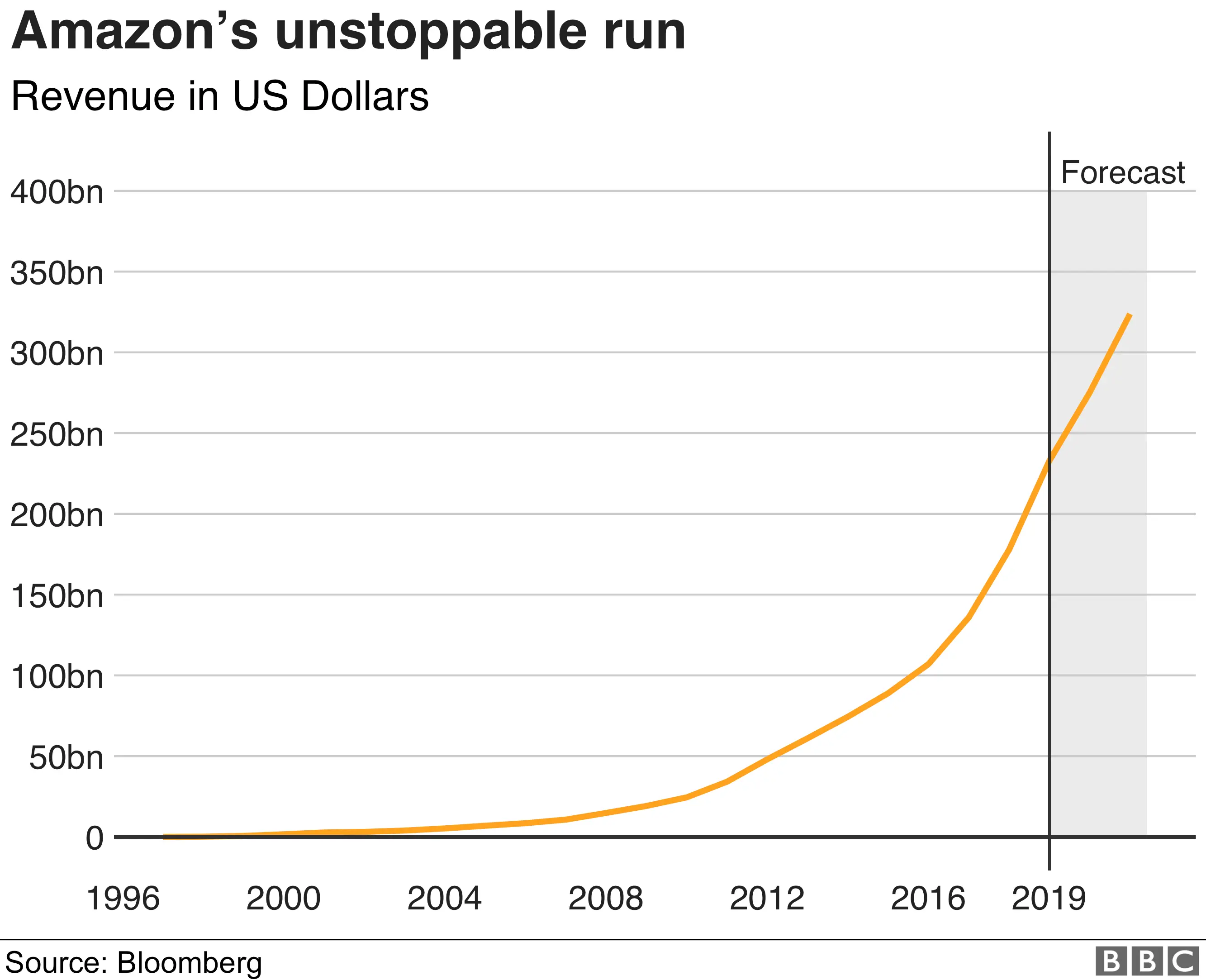
The Dawn of Digital Trust: Building the Early Brand (1994–2000)
In the mid-1990s, the concept of purchasing products over the internet was met with significant skepticism. Amazon’s initial popularity was confined to a very specific demographic: tech-savvy early adopters and bibliophiles. However, Jeff Bezos’s decision to start with books was a masterstroke of brand strategy. Books were easy to ship, difficult to damage, and—most importantly—offered a “long tail” of inventory that physical stores like Barnes & Noble could never match.
From Garage Startup to The World’s Largest Bookstore
Amazon’s first wave of popularity was built on the brand promise of selection. By calling itself “Earth’s Biggest Bookstore,” Amazon wasn’t just selling paper and ink; it was selling the concept of infinite access. During this period, popularity was localized within the literary community. The brand gained traction because it solved a specific pain point: finding obscure titles that local shops didn’t carry. This era established the brand’s core identity as a disruptor of traditional retail.
The IPO and Surviving the Dot-com Bubble
While many of its contemporaries vanished when the dot-com bubble burst in 2000, Amazon’s brand survived because it had already begun to transition from a “store” to a “platform.” Its popularity during the late 90s was bolstered by a high-profile IPO in 1997, which put the brand name in front of the general public for the first time. However, it was the brand’s resilience during the 2000 crash that truly solidified its reputation. While others failed, Amazon continued to iterate, signaling to the market that it was a brand built for the long haul.
The Pivot to the “Everything Store” (2001–2005)
If the late 90s were about establishing trust, the early 2000s were about expanding the brand’s utility. This is the period when Amazon truly began to enter the mainstream consciousness of the average consumer. The strategic shift from books to electronics, toys, and apparel was the catalyst that changed Amazon’s brand perception from a specialty site to a one-stop-shop.
Expanding Beyond Media: The Diversification Strategy
In 2002, Amazon began partnering with major clothing brands and expanded its inventory exponentially. This was a critical juncture for the brand’s popularity. By diversifying, Amazon became relevant to a much larger audience. It was no longer just for readers; it was for parents buying holiday gifts and students buying laptops. The brand identity shifted from “The Bookstore” to “The Everything Store.” This move was supported by the introduction of the “Smile” logo, which cleverly pointed from A to Z, visually cementing the brand’s new mission.
The Birth of Amazon Prime: A Masterclass in Brand Loyalty
Perhaps the most significant milestone in Amazon’s journey to popularity was the 2005 launch of Amazon Prime. At the time, paying $79 a year for “free” shipping seemed counterintuitive to many analysts. However, from a brand strategy perspective, it was genius. Prime transformed the act of shopping from a series of individual decisions into a subscription-based habit. Once a consumer became a Prime member, Amazon became their default starting point for any purchase. Prime didn’t just make Amazon popular; it made it indispensable. It created a psychological “lock-in” that turned casual users into brand evangelists.
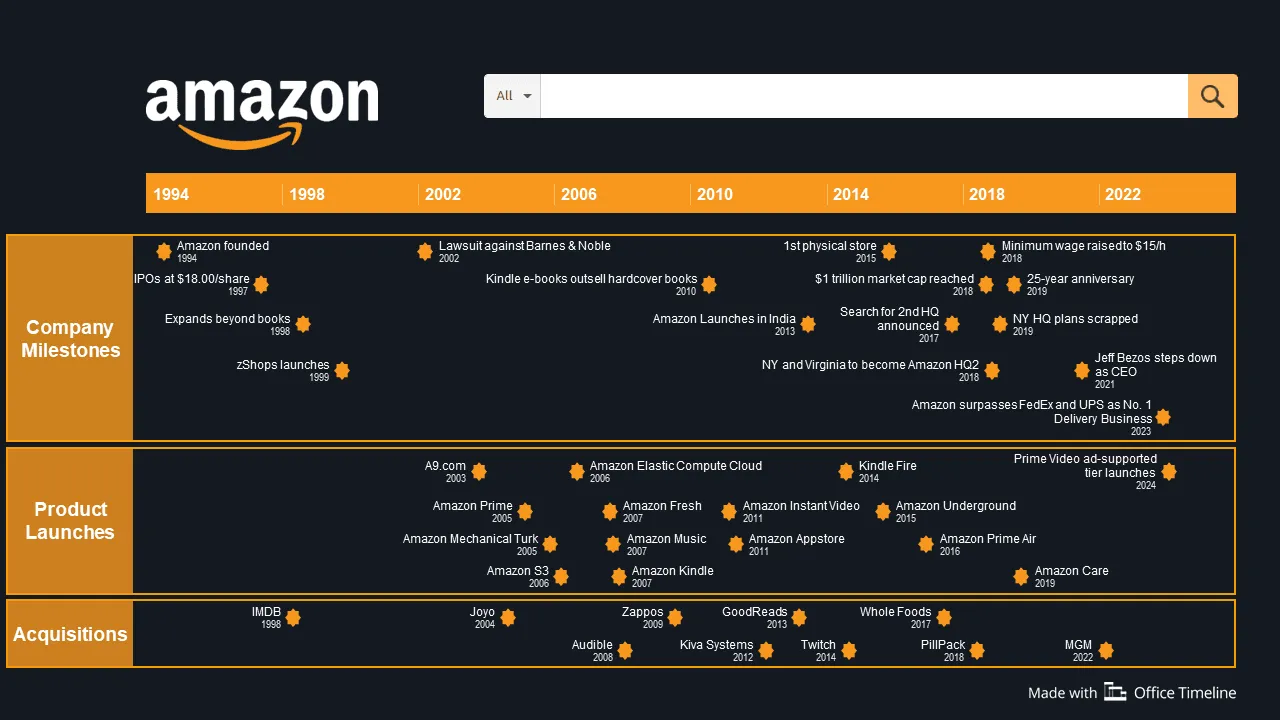
Scaling Global Dominance through Innovation (2006–2012)
By the mid-2000s, Amazon was a household name, but it had not yet achieved the cultural ubiquity it enjoys today. The next phase of popularity was driven by the brand’s foray into hardware and the perfection of the user experience.
Frictionless Commerce: The Rise of One-Click Culture
Amazon’s popularity grew in direct proportion to its ability to remove “friction” from the shopping process. The patent for “1-Click” shopping was more than a technical feature; it was a brand promise of ultimate convenience. During this period, the brand became synonymous with speed and ease. As the world moved faster, Amazon’s brand identity aligned with the modern consumer’s desire for instant gratification. The popularization of the brand during these years was rooted in the fact that Amazon was simply easier to use than any of its competitors.
Brand Extension through Innovation: The Kindle Revolution
In 2007, the launch of the Kindle marked Amazon’s transition into a hardware and ecosystem brand. This was a pivotal moment for brand popularity because it allowed Amazon to own a piece of the consumer’s physical environment. The Kindle didn’t just sell books; it sold a new way of life. By successfully disrupting the very industry that gave it its start, Amazon proved that its brand was synonymous with “the future.” This helped the company shed the “retailer” label and adopt the “tech giant” persona, significantly elevating its prestige and global reach.
Cultural Ubiquity and the Modern Era (2013–Present)
Today, the question is no longer when Amazon became popular, but rather how it maintains that popularity across so many different sectors. The brand has moved beyond commerce and into the very fabric of daily life through smart home technology and media.
The Ecosystem Effect: Integrating into Daily Lives
The introduction of Alexa and the Echo in 2014 represented the final frontier of brand integration. Amazon moved from the computer screen to the kitchen counter. Popularity today is measured by the brand’s presence in the household. By becoming an “ambient” brand—one that is always present and ready to help—Amazon has achieved a level of cultural saturation that few brands in history have ever reached. The brand is now a utility, comparable to electricity or water.
Maintaining Brand Relevance in a Competitive Landscape
In the current era, Amazon’s popularity is maintained through a “Flywheel Effect.” Every new service—from Prime Video’s original content to grocery delivery via Whole Foods—feeds back into the core brand, making it more valuable to the consumer. The brand strategy has shifted from acquisition to retention. Amazon stays popular because it has built an ecosystem that is increasingly difficult to leave. Its corporate identity is now defined by its reach; it is a logistics company, a film studio, a grocer, and a cloud provider all under one recognizable smile.
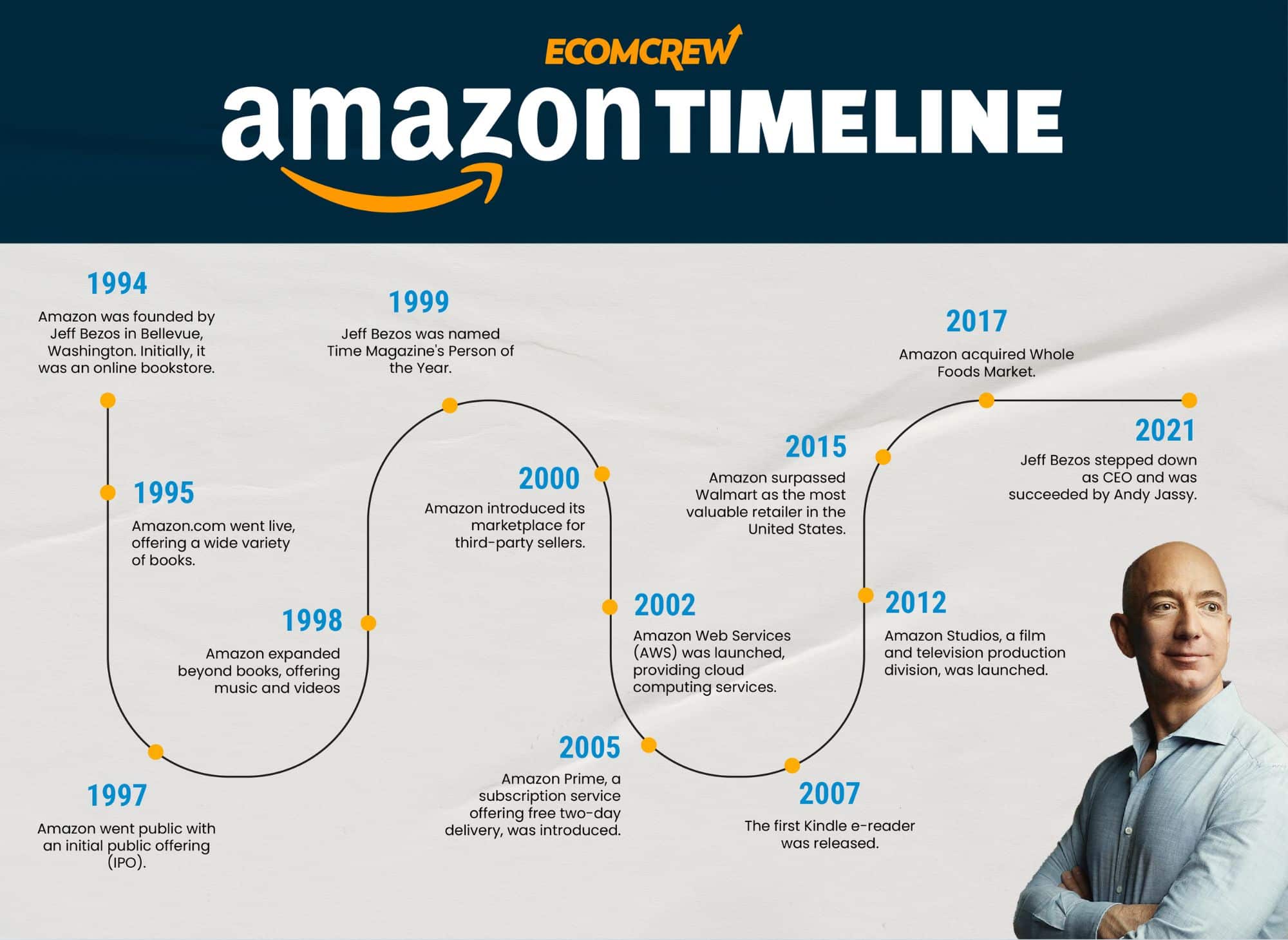
Conclusion: The Trajectory of a Superbrand
Amazon’s journey to popularity was a three-decade-long evolution characterized by a willingness to cannibalize its own business models in favor of long-term brand equity. It became popular in the late 90s by being the best at one thing; it became a dominant force in the 2000s by being the best at everything; and it became a cultural staple in the 2010s by being everywhere.
The brand’s success offers a masterclass in strategy: start with a narrow focus to build trust, expand the value proposition to build habit, and finally, create an ecosystem to build permanence. Amazon’s popularity is not merely the result of low prices or fast shipping; it is the result of a brand that successfully positioned itself as the most reliable partner in the consumer’s daily life. As we look toward the future, the Amazon brand continues to redefine what it means to be popular, moving toward a world where the brand isn’t just something you choose, but something that is simply there.
aViewFromTheCave is a participant in the Amazon Services LLC Associates Program, an affiliate advertising program designed to provide a means for sites to earn advertising fees by advertising and linking to Amazon.com. Amazon, the Amazon logo, AmazonSupply, and the AmazonSupply logo are trademarks of Amazon.com, Inc. or its affiliates. As an Amazon Associate we earn affiliate commissions from qualifying purchases.