
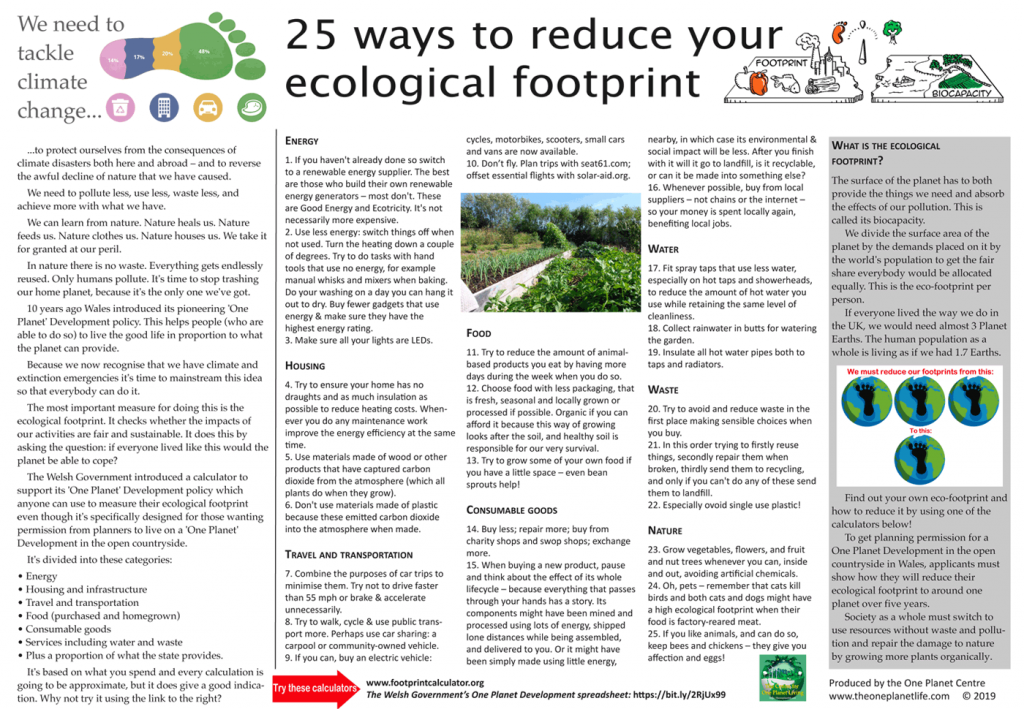
In an increasingly interconnected world, the impact of human activities on the planet has become a critical concern. Our ecological footprint, a measure of human demand on nature, quantifies the amount of land and sea area required to provide the resources we consume and absorb our waste. Reducing this footprint is not merely an environmental goal but a necessity for sustainable living and future prosperity. Fortunately, the rapid evolution of technology offers powerful and accessible tools to significantly mitigate our environmental impact, transforming how we consume, manage resources, and interact with our environment. From intelligent home systems to sophisticated data analytics and renewable energy innovations, technology provides the insights and mechanisms needed to foster a more sustainable existence.

Leveraging Smart Home Technologies for Efficiency
The home is often the largest single contributor to an individual’s ecological footprint, primarily through energy and water consumption. Smart home technologies provide an array of solutions to optimize resource use, leading to substantial reductions in environmental impact. These integrated systems offer unprecedented control and automation, enabling households to operate with greater efficiency and awareness.
Intelligent Thermostats and Lighting Systems
Smart thermostats, such as those from Nest or Ecobee, learn household routines and adjust heating and cooling schedules autonomously, preventing energy waste when spaces are unoccupied. Many models also offer remote control via smartphone apps, allowing users to fine-tune climate settings from anywhere, ensuring comfort only when needed. Coupled with occupancy sensors, these systems can reduce energy consumption for heating and cooling by 10-15%. Similarly, smart lighting systems, like Philips Hue or Lutron Caséta, utilize LED technology, which inherently consumes less energy than traditional incandescent bulbs. Beyond efficiency, these systems offer features like dimming, scheduling, and motion detection, ensuring lights are only on when and where necessary, further minimizing electricity usage. The ability to group lights, set scenes, and integrate with other smart home devices creates an ecosystem of energy management that is both convenient and environmentally beneficial.
Energy Monitoring and Management Apps
Beyond individual devices, comprehensive energy monitoring systems provide real-time data on electricity, gas, and water consumption. Devices like Sense or Emporia Vue connect directly to a home’s electrical panel, offering granular insights into the energy usage of individual appliances. Paired with intuitive mobile applications, these systems visualize consumption patterns, identify energy vampires, and highlight opportunities for savings. Users can track their historical usage, set budgets, and receive alerts for unusual consumption spikes. This level of data empowers homeowners to make informed decisions about their energy habits, identify inefficient appliances that may need upgrading, and understand the direct impact of their actions on their ecological footprint. Furthermore, some platforms offer recommendations for energy-saving behaviors and integrate with utility providers to optimize for off-peak energy pricing.
Smart Appliances and Water Conservation
The next generation of smart appliances integrates connectivity and intelligence to reduce resource consumption. Smart refrigerators, for instance, can monitor inventory, suggest meal plans to reduce food waste, and optimize defrost cycles. Smart washing machines and dishwashers often feature sensors that detect load size and soil levels, adjusting water and energy usage accordingly. Some models can even connect to local utility grids to run cycles during off-peak hours, leveraging cleaner energy sources. For water conservation, smart irrigation systems like Rachio or B-hyve utilize local weather data, soil moisture sensors, and plant type information to provide precise watering schedules, eliminating wasteful overwatering. Smart leak detectors, such as those from Moen or Phyn, provide immediate alerts for plumbing issues, preventing significant water loss and potential property damage. By automating and optimizing the performance of these essential household systems, smart technology significantly contributes to reducing the overall ecological footprint of residential living.
Digital Tools for Sustainable Living and Consumption
Beyond the home, technology offers a suite of digital tools designed to guide more sustainable choices in daily life, from grocery shopping to waste management. These applications and platforms foster conscious consumption, empower ethical purchasing decisions, and provide transparency into supply chains, helping individuals navigate the complexities of environmental impact.
Food Waste Reduction Apps and Platforms
Food waste is a monumental environmental issue, contributing significantly to greenhouse gas emissions and resource depletion. Digital solutions are emerging to tackle this challenge head-on. Apps like Too Good To Go connect consumers with restaurants and bakeries selling surplus food at a discounted price, preventing perfectly edible items from being thrown away. OLIO facilitates food sharing among neighbors, allowing individuals to give away unwanted food items. Platforms like Copia utilize AI to help businesses track and donate excess food to charities, optimizing logistics and ensuring food reaches those in need rather than landfills. Beyond direct waste reduction, recipe apps and inventory trackers can help households plan meals more efficiently, use ingredients before they spoil, and manage pantry stock, thereby minimizing personal food waste. These tools collectively foster a more circular food economy, reducing the ecological footprint associated with food production and disposal.
Sustainable Shopping and Product Tracing Technologies
Making environmentally conscious purchasing decisions can be daunting given the vast array of products and often opaque supply chains. Technology is stepping in to provide clarity. Apps like Buycott or Good On You allow consumers to scan product barcodes and instantly access information about a brand’s ethical and environmental practices, including labor conditions, animal welfare, and carbon footprint. Blockchain technology is increasingly being used to create immutable records of a product’s journey from raw material to finished good, offering unparalleled transparency. Consumers can trace the origin of ingredients, verify fair trade certifications, and understand the environmental impact at each stage of production. Furthermore, online marketplaces dedicated to sustainable and pre-owned goods, such as Patagonia Worn Wear or The RealReal, promote circularity by extending product lifecycles and reducing the demand for new production, which often carries a heavy environmental cost.
Carbon Footprint Trackers and Calculators
Awareness is the first step towards reduction, and carbon footprint calculators and trackers leverage data to provide individuals with a personalized understanding of their environmental impact. Apps like My Emissions, JouleBug, or Klima allow users to input details about their lifestyle—transportation habits, diet, energy consumption, and purchasing choices—to generate an estimated carbon footprint. These tools often provide actionable insights and recommendations for reducing emissions in specific areas. Some even offer features to offset unavoidable emissions through verified carbon credit projects. By visualizing the impact of daily choices, these digital platforms empower individuals to identify their biggest emission sources and make targeted efforts to reduce them, transforming abstract environmental concerns into tangible, manageable actions.
Innovating Towards Greener Transportation
Transportation is a major contributor to global carbon emissions and air pollution. Technological advancements are revolutionizing mobility, offering more efficient, sustainable, and accessible alternatives to traditional fossil fuel-dependent models. From electric vehicles to optimized public transit and smart routing, tech is paving the way for a lower-carbon commute.
EV Charging Networks and Fleet Management
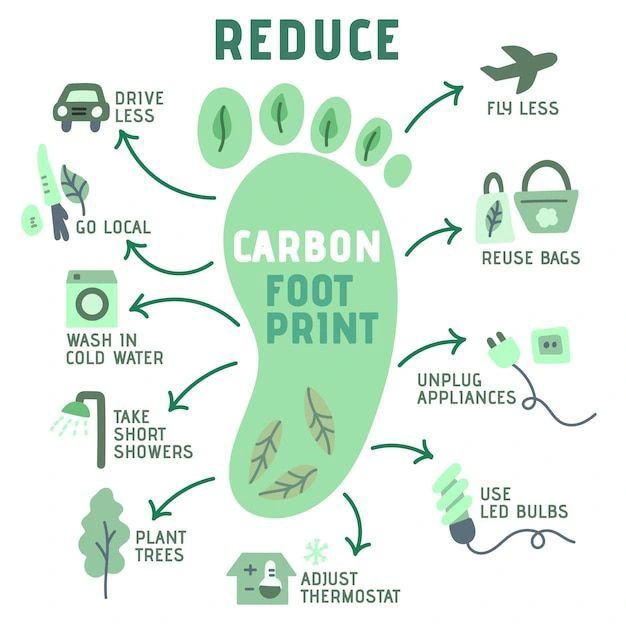
The proliferation of electric vehicles (EVs) is a critical component of reducing transportation’s ecological footprint. Technology supports this transition through extensive charging networks and sophisticated fleet management systems. Apps like ChargePoint, PlugShare, or Electrify America locate available charging stations, plan routes with charging stops, and manage payment, making EV ownership more practical. For businesses, advanced telematics and fleet management software optimize routes for electric delivery vehicles, monitor battery health, and schedule charging during off-peak hours to reduce costs and leverage cleaner energy. This technological infrastructure is essential for scaling EV adoption and ensuring that electric transport is not only feasible but also highly efficient and environmentally optimized.
Ride-Sharing and Public Transport Apps
Optimizing existing transportation infrastructure is another key area where technology excels. Ride-sharing apps like Uber and Lyft, when utilized for carpooling or shared rides, can reduce the number of individual vehicles on the road, thereby decreasing congestion and emissions per passenger. More significantly, public transport apps (e.g., Citymapper, Transit, Moovit) provide real-time information on bus, train, and subway schedules, delays, and optimal routes. By making public transportation more convenient and predictable, these apps encourage greater ridership, which inherently has a much lower per-passenger carbon footprint than private vehicle use. The seamless integration of various transport modes through these platforms can transform urban mobility, shifting reliance from private cars to more communal and environmentally friendly options.
Route Optimization and Eco-Driving Aids
Even for those who continue to drive internal combustion engine vehicles, technology offers ways to reduce their environmental impact. Navigation apps like Google Maps or Waze increasingly offer “eco-friendly” routing options that prioritize fuel efficiency over speed, by avoiding steep hills or heavy traffic. These algorithms consider factors that impact fuel consumption to suggest the most environmentally sound path. In-car telematics systems and aftermarket devices can also act as eco-driving aids, providing real-time feedback on acceleration, braking, and speed. By encouraging smoother driving habits, these tools can reduce fuel consumption by 10-15%, directly cutting down on emissions and improving vehicle efficiency.
Renewable Energy Integration and Decentralization
The transition to renewable energy sources is paramount for reducing humanity’s ecological footprint. Technology is not only making renewable energy more efficient and affordable but also enabling its integration into a smart, decentralized grid that can manage intermittent sources effectively.
Residential Solar and Wind Monitoring Systems
For homeowners investing in renewable energy, technology provides the tools to monitor performance and optimize output. Solar panel monitoring apps (often provided by inverter manufacturers like Enphase or SolarEdge) track energy generation in real-time, alert users to potential issues, and visualize energy production against consumption. This data allows homeowners to understand their energy independence, identify peak generation times, and adjust consumption habits accordingly. Similarly, small-scale wind turbine systems can be monitored via dedicated software, ensuring they operate at maximum efficiency and provide a consistent supply of clean energy. These systems not only empower individual households to reduce their reliance on fossil fuels but also contribute to a broader shift towards decentralized energy production.
Smart Grids and Energy Storage Solutions
The backbone of a renewable energy future is the smart grid, a modernized electrical network that uses digital technology to monitor, control, and manage energy delivery from all sources to meet the varying electricity demands of end-users. Smart grids can integrate fluctuating renewable energy sources like solar and wind by intelligently distributing power and balancing supply and demand. Crucial to this is advanced energy storage technology, particularly battery energy storage systems (BESS). Residential batteries (e.g., Tesla Powerwall, LG Chem RESU) store excess solar energy for use at night or during peak demand, reducing reliance on the grid and enhancing energy resilience. Utility-scale BESS, managed by sophisticated software, can stabilize the grid, provide ancillary services, and optimize the use of intermittent renewables, significantly reducing the carbon intensity of electricity generation.
Microgrid Management and Peer-to-Peer Energy Trading
Beyond the traditional grid, microgrids represent a localized group of electricity sources and loads that typically operates connected to and synchronized with the traditional centralized grid, but can disconnect and function autonomously. Technology, especially advanced control systems and AI, enables efficient management of these microgrids, integrating various renewable sources, storage, and demand-side management. Furthermore, blockchain technology is emerging as a solution for peer-to-peer energy trading within microgrids, allowing individuals or businesses with surplus renewable energy (e.g., from rooftop solar) to sell it directly to neighbors. This decentralizes energy markets, democratizes access to clean energy, and fosters a more resilient and sustainable energy ecosystem, drastically lowering collective ecological footprints.
Waste Management and Circular Economy Tech
Waste management is a critical area for ecological footprint reduction. Technology is transforming waste collection, processing, and the broader concept of a circular economy, where resources are kept in use for as long as possible.
Smart Bins and Recycling Optimization
Traditional waste collection is often inefficient, leading to wasted fuel and missed opportunities for optimal recycling. Smart bins, equipped with sensors, can detect fill levels and automatically notify waste management services when they need emptying. This “demand-based” collection optimizes routes, reduces fuel consumption for waste trucks, and prevents overflowing bins. In public spaces, some smart bins also feature compactors to increase capacity. For recycling, technology assists in sorting and processing. AI-powered robots are increasingly being used in material recovery facilities (MRFs) to sort waste more efficiently and accurately than human workers, improving the purity of recycled materials and reducing contamination. Optical sorters identify different types of plastics and other materials, ensuring they are directed to the correct recycling streams, thus maximizing resource recovery and minimizing landfill waste.
Upcycling and Repair Platforms
Extending the lifespan of products through upcycling and repair significantly reduces the need for new production, which consumes raw materials and energy. Digital platforms are facilitating this shift. Online communities and marketplaces like Etsy for handmade goods or specialized forums for electronics repair connect individuals with skills to those needing repairs or wanting to repurpose items. Video tutorials and instructional apps provide step-by-step guides for DIY repairs, empowering consumers to fix broken appliances, furniture, and clothing rather than discarding them. Companies like iFixit offer extensive repair guides and sell parts, fostering a culture of repair. By making repair and upcycling more accessible and appealing, technology directly combats the linear “take-make-dispose” economy, promoting a circular model that keeps resources in circulation and diminishes our ecological footprint.
Material Traceability and Supply Chain Transparency
A truly circular economy requires deep understanding and control over materials throughout their lifecycle. Technology, particularly blockchain and IoT (Internet of Things) sensors, is providing unprecedented traceability and transparency in supply chains. IoT devices embedded in products or packaging can track their journey, monitor conditions, and record lifecycle data. Blockchain can create an immutable, shared ledger that records the origin, composition, and processing history of materials, ensuring their ethical sourcing and facilitating their recovery and recycling at the end of their first life. This level of transparency helps identify bottlenecks in recycling, encourages manufacturers to design products for circularity, and provides consumers with assurance about the environmental impact of their purchases. By leveraging these advanced tech solutions, industries can move towards closed-loop systems, minimizing waste and maximizing resource utilization, which is fundamental to reducing our global ecological footprint.
aViewFromTheCave is a participant in the Amazon Services LLC Associates Program, an affiliate advertising program designed to provide a means for sites to earn advertising fees by advertising and linking to Amazon.com. Amazon, the Amazon logo, AmazonSupply, and the AmazonSupply logo are trademarks of Amazon.com, Inc. or its affiliates. As an Amazon Associate we earn affiliate commissions from qualifying purchases.