
In the evolving landscape of digital finance, peer-to-peer (P2P) payment applications like Cash App have become indispensable tools for managing personal funds, from splitting dinner bills to receiving direct deposits. While these platforms often advertise their core services as free, understanding the various fees associated with different transactions is crucial for prudent financial management. Navigating the fee structure of Cash App can help users optimize their spending, avoid unexpected charges, and make informed decisions about their financial transactions.
Deconstructing Cash App’s Core Free Services
At its foundation, Cash App provides a robust suite of services designed to facilitate everyday financial interactions without incurring direct costs. These free services form the backbone of its appeal, enabling millions of users to manage their money seamlessly.

Sending and Receiving Money
The primary function of Cash App—sending money to friends, family, or other individuals, and receiving funds from them—is entirely free for standard transfers. This means that if you link a debit card or bank account to your Cash App and use it to send money, or if you receive money into your Cash App balance, no fees are typically applied by Cash App for these basic P2P transactions. This aligns with its mission to simplify digital payments and eliminate the friction often associated with traditional banking transfers. For most users, this core functionality covers a significant portion of their financial interactions within the app.
Standard Deposits and Withdrawals
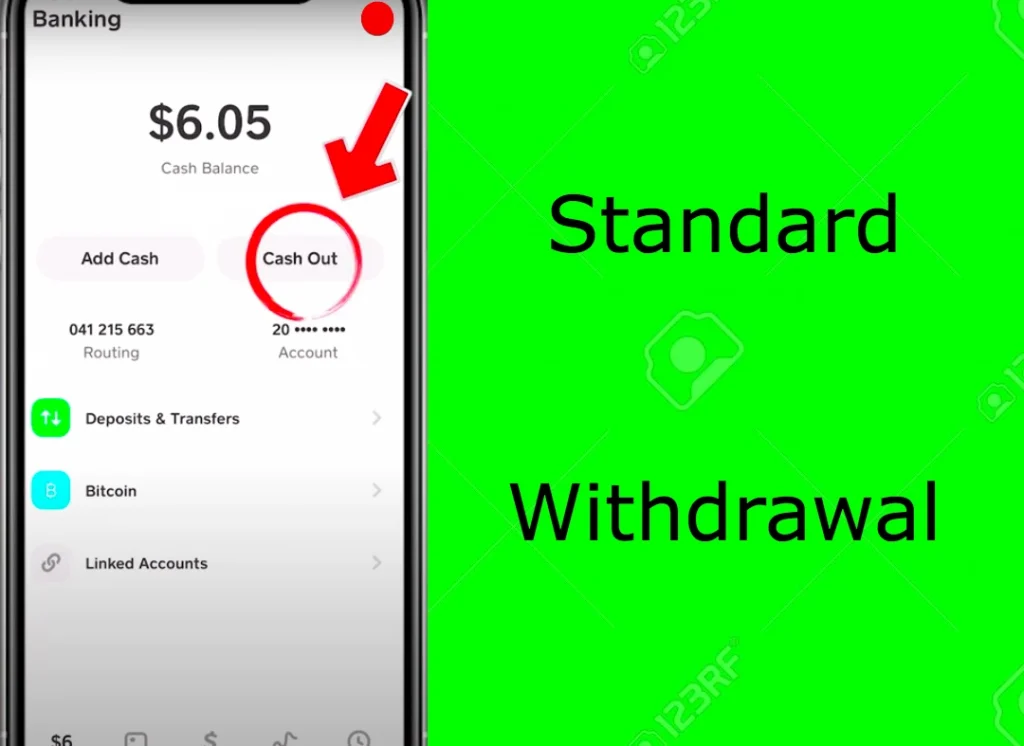
Transferring money from your Cash App balance to your linked bank account via a standard deposit is also free. These standard deposits typically take 1-3 business days to process, mirroring the timeline of traditional ACH transfers. This no-cost option is ideal for users who are not in a rush to access their funds and prioritize avoiding additional charges. Similarly, using your Cash Card for purchases at merchants, both online and in-store, is free, just like a standard debit card. This frictionless spending allows users to utilize their Cash App balance directly without incurring transaction fees.
Direct Deposit for Paychecks and Benefits
Cash App supports direct deposit, allowing users to receive paychecks, tax refunds, and government benefits directly into their Cash App account. This service is free and provides a convenient alternative to traditional bank accounts for many individuals. By setting up direct deposit, users can access their funds faster and manage their income directly within the app, often benefiting from early access to their funds compared to standard bank processing times. This feature positions Cash App not just as a P2P service, but as a more comprehensive financial tool for managing regular income streams.
The Cost of Speed: Expedited Transfers
While standard transfers are free, Cash App introduces fees when users opt for services that provide immediate access to funds. These expedited options cater to situations where time is of the essence, but they come with an associated cost.
Instant Deposits to Your Bank Account
One of the most common fees users encounter on Cash App is for instant deposits. If you need to transfer money from your Cash App balance to your linked debit card or bank account immediately, Cash App charges a fee, typically ranging from 0.5% to 1.75% of the transaction amount, with a minimum fee of $0.25. For example, transferring $100 instantly might cost you between $0.50 and $1.75. This fee is clearly displayed before you confirm the instant transfer, allowing you to weigh the convenience against the cost. It’s an important consideration for budgeting, especially if you frequently rely on immediate access to your funds. Understanding this charge helps users decide whether the urgency justifies the expense or if a free standard transfer is a more financially sound choice.
Credit Card Sending Fees
While sending money from a linked debit card or bank account is free, using a linked credit card to send money incurs a fee, typically 3% of the transaction amount. This fee is standard across many P2P payment platforms and is imposed because credit card companies charge a processing fee to the merchant (in this case, Cash App) for the transaction. For example, sending $100 using a credit card would cost an additional $3. This fee makes credit card transfers a less cost-effective option for regular P2P payments and should be factored into financial planning if this method is occasionally used. It encourages users to stick to debit cards or bank transfers for sending money, which are free.
Navigating Cryptocurrency Transactions on Cash App

Cash App has expanded its offerings to include cryptocurrency trading, specifically Bitcoin. While this provides an accessible entry point for many new investors, it’s crucial to understand the associated costs and how they impact your financial exposure.
Bitcoin Buying and Selling Fees
When you buy or sell Bitcoin on Cash App, you will encounter two types of charges: a service fee and a spread fee. The service fee is a direct charge that varies based on market activity and transaction size, typically ranging from 1% to 2% per transaction. This fee is clearly displayed when you initiate a buy or sell order. The spread fee, however, is less transparent but equally important. It represents the difference between the buying price and the selling price of Bitcoin at a given moment, effectively meaning you buy Bitcoin at a slightly higher price than the market rate and sell it at a slightly lower price. This “built-in” margin is how Cash App profits from facilitating these trades, in addition to the explicit service fee.
Understanding Market Volatility and Its Impact on Fees
The dynamic nature of cryptocurrency markets means that the precise fee structure can fluctuate. Cash App often adjusts its service fees based on market volatility and liquidity. This means that the cost of buying or selling Bitcoin can change from one transaction to another. For investors, this implies that careful timing and a clear understanding of the displayed fees before confirming a trade are essential. Factor in both the explicit service fee and the implicit spread when calculating the true cost of your Bitcoin transactions and assessing their potential financial impact on your investment strategy.
Cash App Card and ATM Withdrawal Fees
The Cash Card functions like a standard debit card, allowing users to make purchases using their Cash App balance. While purchases are free, certain transactions, particularly ATM withdrawals, can incur fees.
ATM Withdrawal Charges
If you use your Cash Card to withdraw cash from an ATM, Cash App charges a fee of $2.00 per withdrawal. This is in addition to any fees levied by the ATM operator, which can range from $2.00 to $5.00 or more per transaction. Consequently, a single ATM withdrawal could cost anywhere from $4.00 to $7.00 or higher, significantly eroding the amount of cash you receive. This makes ATM withdrawals a costly option for accessing funds and should be minimized where possible for optimal financial health.
Avoiding ATM Fees with Direct Deposit
Cash App offers a significant benefit for users who set up direct deposit: if you receive $300 or more in direct deposits each month into your Cash App account, Cash App will waive the $2.00 ATM fee for three withdrawals within a 31-day period. Any ATM operator fees, however, will still apply. This incentive encourages consistent use of direct deposit and provides a tangible financial benefit for regular users, effectively reducing the overall cost of managing cash for those who meet the direct deposit threshold. For those who frequently need cash, setting up direct deposit can lead to considerable savings over time.
Other Potential Fees and Maximizing Value
Beyond the primary transaction fees, there are a few other considerations and strategies for managing your finances effectively with Cash App.
Business Account Fees
For users who operate a Cash App business account, additional fees may apply for receiving payments. Typically, Cash App charges a processing fee for each payment received into a business account, often around 2.75% for transactions processed through the app and 2.5% for in-person payments using a Square reader. These fees are standard for merchant services and are important for small business owners to factor into their pricing strategies and overall financial planning. Personal accounts generally do not incur fees for receiving money, reinforcing the distinction between personal and commercial use.
International Transfers and Financial Reach
Currently, Cash App primarily supports transactions within the United States, and limited transfers to and from the UK. It does not generally facilitate international money transfers to other countries, which means users needing to send money abroad will need to explore alternative financial tools or services. This limitation is a key factor for individuals with international financial obligations, as relying solely on Cash App would restrict their global financial reach. Understanding these geographical boundaries is crucial for comprehensive financial planning.
Maximizing Value and Minimizing Costs
To make the most of Cash App while keeping fees to a minimum, consider these financial best practices:
-
Prioritize Standard Transfers: Always opt for free standard deposits to your bank account unless immediate access is absolutely critical. Plan your withdrawals accordingly.
-
Use Debit Cards for Sending: Link your debit card or bank account for sending money to avoid the 3% credit card fee.
-
Leverage Direct Deposit: If you frequently need cash, set up direct deposit to waive Cash App’s ATM withdrawal fees.
-
Be Mindful of Bitcoin Trading: Understand both the explicit service fee and the implicit spread when buying or selling Bitcoin. Only trade what you can afford to lose and research market conditions.
-
Distinguish Personal vs. Business Use: Use personal accounts for P2P transactions to avoid business account processing fees.
-
Review Before Confirming: Always check the fee breakdown displayed on the app before confirming any transaction, especially for instant transfers or Bitcoin trades.
By understanding the “how much” behind each service, users can wield Cash App as a powerful and cost-effective financial instrument, ensuring their money works for them, rather than the other way around. Diligence in reviewing transaction details and choosing the most financially advantageous options will lead to smarter money management and greater savings over time.
aViewFromTheCave is a participant in the Amazon Services LLC Associates Program, an affiliate advertising program designed to provide a means for sites to earn advertising fees by advertising and linking to Amazon.com. Amazon, the Amazon logo, AmazonSupply, and the AmazonSupply logo are trademarks of Amazon.com, Inc. or its affiliates. As an Amazon Associate we earn affiliate commissions from qualifying purchases.