
Investing in the stock market can seem daunting, but it’s a powerful avenue for wealth creation and financial growth. Among the myriad companies available, Apple Inc. (AAPL) stands out as a perpetually popular choice for investors. As one of the world’s most valuable and recognized brands, its stock performance and market influence are consistently under scrutiny. Whether you’re a seasoned investor looking to diversify or a complete novice eager to dip your toes into the world of individual stocks, understanding how to strategically acquire shares in a company like Apple is a crucial step in managing your personal finances. This guide will demystify the process, offering a clear, professional, and insightful roadmap to purchasing Apple stock, grounded in sound financial principles.
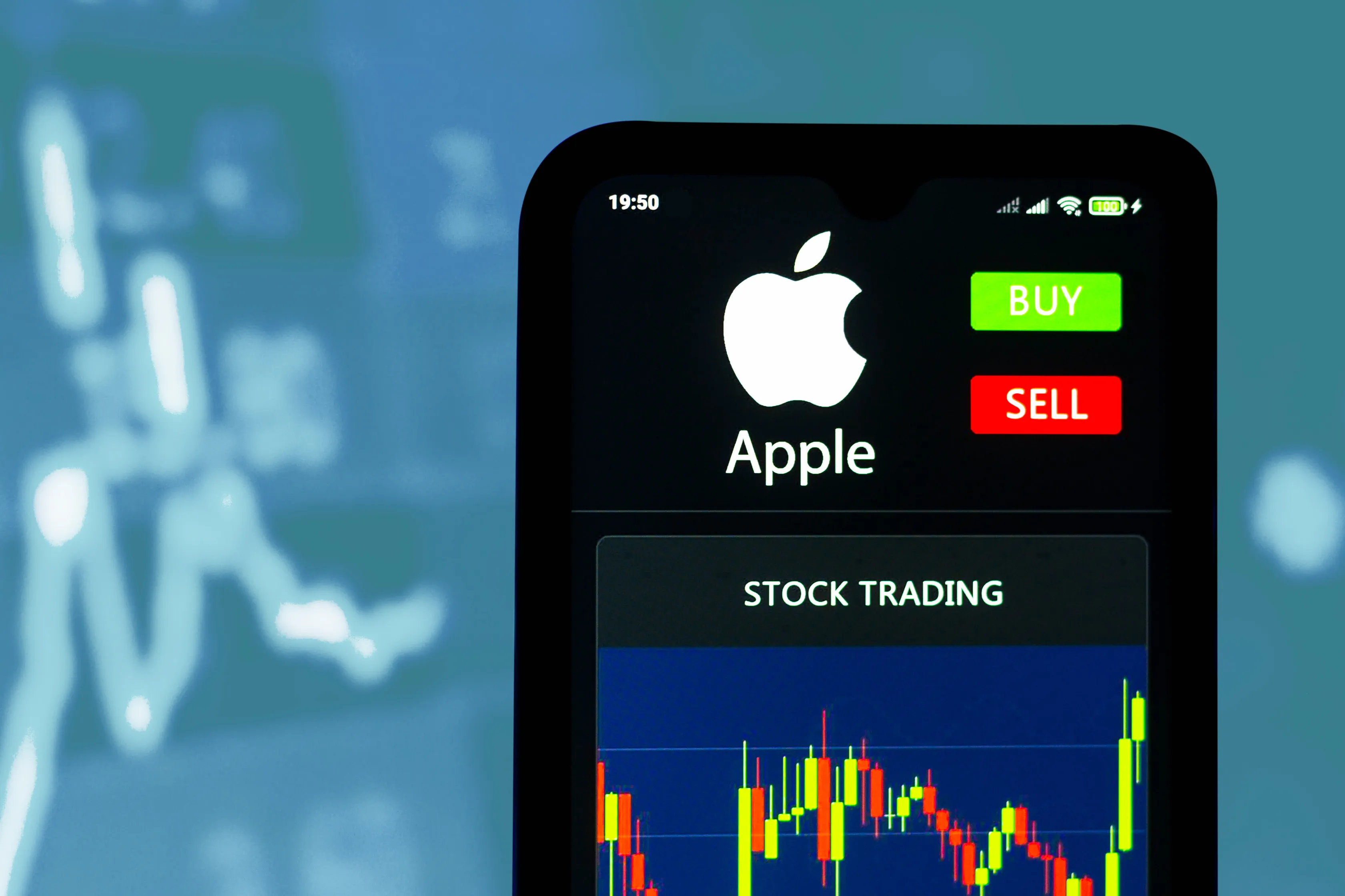
Understanding Apple as an Investment
Before you even consider hitting the “buy” button, it’s essential to understand why Apple might be an attractive investment and how it fits into a broader financial strategy. Investing isn’t just about buying shares; it’s about buying a piece of a business with the expectation of future growth and returns.
Apple’s Market Position and Financial Health
Apple Inc. is a technology giant known for its innovative products like the iPhone, Mac, iPad, Apple Watch, and its growing suite of services including Apple Music, iCloud, and the App Store. Its strong brand loyalty, vast global ecosystem, and consistent financial performance make it a formidable player in the market. From an investor’s standpoint, Apple typically demonstrates robust revenue streams, impressive profit margins, and a healthy balance sheet. It often returns capital to shareholders through dividends and share buybacks, which can be appealing for long-term investors seeking both capital appreciation and passive income. However, past performance is not indicative of future results, and while Apple’s financial standing is strong, no investment is without risk. Diligence requires understanding these fundamentals rather than simply chasing a popular name.
Why Invest in Individual Stocks?
While diversified investment vehicles like Exchange Traded Funds (ETFs) and mutual funds are excellent for broad market exposure and risk reduction, investing in individual stocks like Apple offers unique opportunities. It allows investors to concentrate their capital on specific companies they believe in, potentially leading to higher returns if that company outperforms the broader market. It also offers a deeper level of engagement and understanding of specific industries and business models. For many, investing in a company whose products they use daily, like Apple, fosters a sense of personal connection and empowers them to actively participate in the market. However, it also comes with increased risk compared to diversified funds, as the performance of a single stock can be volatile and unpredictable.
Preparing for Your Investment Journey
Embarking on the journey of purchasing stocks requires a few preparatory steps to ensure you’re financially ready and have the right tools in place. This foundational work is crucial for responsible and successful investing.
Assessing Your Financial Readiness
Before allocating funds to the stock market, it’s paramount to ensure your personal finances are in order. This means having an emergency fund (typically 3-6 months’ worth of living expenses saved in an easily accessible account) and managing high-interest debt. An emergency fund acts as a safety net, preventing you from needing to sell investments prematurely during unexpected financial hardship. Similarly, high-interest debt, such as credit card balances, often incurs costs that far outweigh potential stock market returns. Prioritizing debt repayment or having a clear strategy for it demonstrates financial prudence before taking on investment risks. Investing should complement your overall financial health, not compromise it.
Choosing the Right Brokerage Account
To buy stocks, you’ll need a brokerage account. This is a specialized account with a financial institution that allows you to buy and sell securities. There are many reputable online brokerages available, each with its own features, fee structures, and user experience. When selecting one, consider factors such as:
- Commissions and Fees: Many brokerages now offer commission-free trading for stocks and ETFs, but always check for hidden fees, account maintenance charges, or fees for specific services.
- Investment Options: Ensure the brokerage offers access to the stocks you want to buy (e.g., AAPL) and potentially other investment vehicles you might consider in the future.
- Tools and Research: Look for platforms that provide robust research tools, analytical resources, and educational content that can aid your investment decisions.
- Customer Service: Good customer support is invaluable, especially for new investors.
- Ease of Use: A user-friendly interface can make a significant difference in your investing experience.
- Account Types: Decide between a taxable brokerage account or a tax-advantaged retirement account (like an IRA) depending on your financial goals.
Popular choices include Charles Schwab, Fidelity, Vanguard, E*TRADE, Robinhood, and Interactive Brokers, among others. Do your research to find the best fit for your specific needs.
Funding Your Investment Account
Once your brokerage account is open, you’ll need to fund it with money you intend to invest. Brokerages offer several methods for depositing funds:
- Electronic Funds Transfer (EFT): This is the most common method, linking your bank account directly to your brokerage account. Transfers typically take a few business days to clear, though some funds may be available for trading immediately.
- Wire Transfer: For larger amounts, wire transfers offer quicker access to funds but often come with a fee.
- Check Deposit: You can mail a check, though this is usually the slowest method.
- Rollover: If you’re transferring funds from another retirement account, you might use a rollover process.
Ensure you only deposit funds that you are comfortable investing and potentially losing, as the stock market carries inherent risks.
The Step-by-Step Process of Buying AAPL
With your brokerage account set up and funded, you’re ready to make your first purchase. The actual process of buying Apple stock is surprisingly straightforward once you navigate the platform.
Navigating Your Brokerage Platform
Log in to your chosen brokerage account. Most platforms will have a search bar or a dedicated “Trade” section. You’ll typically search for the company by its name (Apple Inc.) or, more commonly, by its stock ticker symbol, which for Apple is AAPL. Once you’ve located AAPL, you’ll usually see real-time quotes, charts, company news, and various metrics that can inform your decision.
Understanding Order Types
Before placing your order, it’s crucial to understand different order types, which give you control over how and when your shares are bought or sold:
- Market Order: This is the simplest order type. A market order instructs your broker to buy or sell shares immediately at the best available current market price. While it guarantees execution, it doesn’t guarantee a specific price, which can be an issue in volatile markets where the price might change between when you place the order and when it’s executed.
- Limit Order: A limit order allows you to specify the maximum price you’re willing to pay per share (for buying) or the minimum price you’re willing to accept (for selling). For example, if Apple stock is trading at $170, but you only want to buy it if it drops to $168, you can set a limit order at $168. The order will only execute if the stock reaches that price or lower. This gives you more control over the entry price but doesn’t guarantee execution.
- Stop-Loss Order: While primarily used for selling, a stop-loss order can be linked to a buy order. For example, a “buy stop” order can be used to purchase a stock once it reaches a certain price, often used by traders looking to enter a rising market.
For beginners, a limit order is often recommended for buying, as it protects you from unexpected price fluctuations.

Executing Your Trade
Once you’ve decided on the order type, you’ll enter the number of shares you wish to purchase. Keep in mind that you don’t have to buy whole shares; many brokerages now offer fractional shares, allowing you to invest a specific dollar amount (e.g., $100 of Apple stock) rather than a specific number of shares. This is an excellent option for investors with smaller capital.
After entering the quantity or dollar amount, review all the details of your order: the stock symbol, order type, price (if a limit order), and total estimated cost. Many platforms will provide a “preview” screen before final submission. Once you’re satisfied, click “Place Order” or “Submit Trade.” You’ll receive a confirmation once the order is executed.
Fractional Shares: An Accessible Entry Point
The introduction of fractional shares by many leading brokerages has democratized stock investing significantly. Historically, if Apple stock traded at $170 per share, you would need at least $170 to buy one share. With fractional shares, you can decide to invest, say, $50 into Apple. Your brokerage would then purchase 0.29 shares ($50 / $170). This feature allows investors with smaller budgets to build diversified portfolios and invest in high-priced stocks without needing a large lump sum, making investing in companies like Apple far more accessible.
Managing Your Apple Investment
Purchasing Apple stock is just the beginning. Effective money management and a long-term perspective are crucial for successful investing. What you do after the trade is as important as the trade itself.
Monitoring Your Investment
Once you own Apple shares, it’s wise to monitor their performance, but resist the urge to check prices daily, as short-term fluctuations can be emotionally taxing. Instead, focus on Apple’s earnings reports, company news, product launches, and broader market trends. Most brokerage platforms provide portfolio tracking tools that show your current holdings, their performance, and any dividends received. You might also set up price alerts for significant movements, but remember that investing is often a marathon, not a sprint.
Diversification and Portfolio Balance
While you might be enthusiastic about Apple, a core principle of sound personal finance and investing is diversification. Putting all your investment capital into a single stock, even a strong one like Apple, exposes you to significant risk. If Apple faces unexpected challenges or its sector experiences a downturn, your entire portfolio could suffer. Diversification means spreading your investments across various assets, industries, and geographies. Consider supplementing your Apple investment with other individual stocks, sector-specific ETFs, broad market index funds, bonds, or even real estate, depending on your risk tolerance and financial goals. A balanced portfolio mitigates risk and can provide more consistent long-term returns.
Rebalancing and Long-Term Strategy
Over time, the weight of Apple stock within your portfolio might change due to its performance. You might need to rebalance your portfolio periodically to maintain your desired asset allocation. This could involve selling some Apple shares if they’ve grown disproportionately large, or buying more if they’ve underperformed and you still believe in the company’s long-term prospects.
Decide on your investment strategy from the outset. Are you a “buy and hold” investor, planning to own Apple for years or even decades, capitalizing on its long-term growth and dividends? Or are you a more active trader, looking to profit from shorter-term price movements? For most individual investors, especially those new to the market, a long-term, buy-and-hold strategy is generally recommended as it minimizes transaction costs and the stress of trying to time the market.
Important Considerations Before Investing
Investing is a powerful tool for building wealth, but it’s not without its complexities and risks. Approaching it with a clear understanding of these factors is essential for making informed financial decisions.
The Inherent Risks of Stock Market Investing
It’s crucial to understand that investing in the stock market carries inherent risks, and it’s possible to lose money, including your entire principal investment. While Apple is a strong company, its stock price can be volatile and is subject to market fluctuations, economic downturns, competitive pressures, technological shifts, and regulatory changes. Never invest money you can’t afford to lose, and ensure your investment decisions align with your personal risk tolerance. Emotional investing, driven by fear or greed, is often detrimental to long-term success.
Conducting Due Diligence and Research
Before buying any stock, including Apple, conduct your own thorough due diligence. Don’t rely solely on news headlines or tips from friends. Research involves understanding the company’s financial statements (income statement, balance sheet, cash flow statement), reading its annual reports (10-K) and quarterly reports (10-Q), analyzing its competitive landscape, and understanding its future growth prospects. For Apple, this might include understanding its services growth, new product pipelines (like augmented reality), and its global market penetration. While fundamental analysis focuses on a company’s intrinsic value, technical analysis looks at price charts and trading volumes to predict future movements. A combination of both can provide a more holistic view.
The Role of Investment Goals and Risk Tolerance
Your investment goals (e.g., saving for retirement, a down payment on a house, or simply wealth accumulation) should dictate your investment strategy. Short-term goals typically require less risky investments, while long-term goals allow for higher risk tolerance. Similarly, understand your personal risk tolerance – how comfortable are you with potential losses in exchange for higher potential gains? A younger investor with a long time horizon might be more comfortable with higher-risk, higher-reward investments, whereas someone nearing retirement might prioritize capital preservation. Aligning your investment in Apple (or any stock) with these personal parameters is fundamental to a sound financial plan.

Seeking Professional Financial Advice
While this guide provides a solid foundation, every individual’s financial situation is unique. If you’re unsure about any aspect of investing, or if you have complex financial planning needs, consider seeking advice from a qualified financial advisor. A professional can help you assess your risk tolerance, define your financial goals, create a diversified portfolio tailored to your circumstances, and provide guidance on tax implications and estate planning. While there’s a cost associated with financial advice, the long-term benefits of a well-structured and professionally managed financial plan can far outweigh the fees.
Investing in Apple stock can be a rewarding part of your financial journey. By understanding the company, preparing your finances, executing your trades wisely, and managing your investments with a long-term perspective, you can confidently participate in the market and work towards achieving your financial aspirations. Remember that patience, continuous learning, and a disciplined approach are the hallmarks of a successful investor.
aViewFromTheCave is a participant in the Amazon Services LLC Associates Program, an affiliate advertising program designed to provide a means for sites to earn advertising fees by advertising and linking to Amazon.com. Amazon, the Amazon logo, AmazonSupply, and the AmazonSupply logo are trademarks of Amazon.com, Inc. or its affiliates. As an Amazon Associate we earn affiliate commissions from qualifying purchases.