
For many casual collectors, the discovery of a Wheat penny in a dusty jar or a forgotten coin collection sparks immediate curiosity about its financial potential. The 1939 Wheat cent, produced during the tail end of the Great Depression, is a staple of American numismatics. While it may seem like a common relic of a bygone era, understanding its true value requires a nuanced look at mint marks, condition, and numismatic anomalies.
Understanding the Basics of the 1939 Wheat Penny
To determine the value of any vintage coin, one must first understand its origins. The Wheat penny, designed by Victor David Brenner, featured the iconic profile of Abraham Lincoln on the obverse and two stalks of wheat on the reverse. Minted from 1909 to 1958, the 1939 version was produced at three different facilities: Philadelphia (no mint mark), Denver (D), and San Francisco (S).
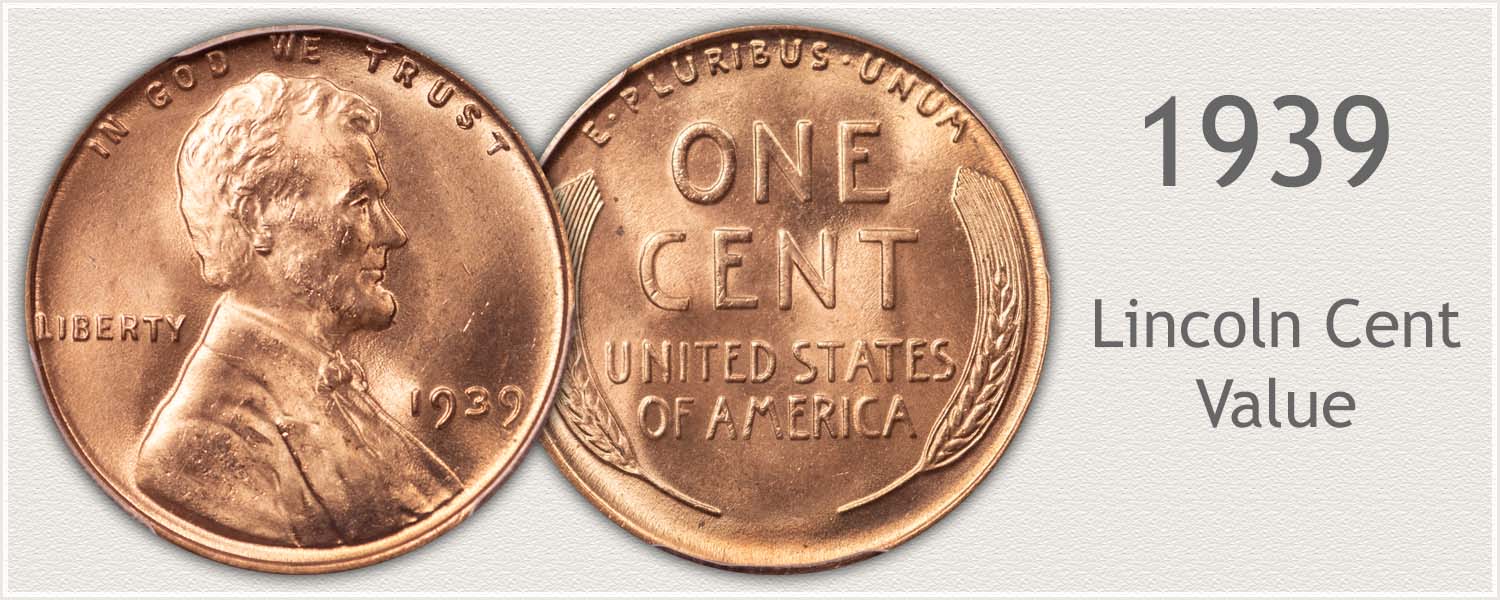
The total mintage for 1939 was significant. Philadelphia produced 316,466,000 coins, Denver minted 49,240,000, and San Francisco struck 5,128,000. Generally, the San Francisco coins carry a higher premium due to their lower mintage, but scarcity is only one piece of the puzzle. The overarching determinant for value in the world of numismatics is condition, often referred to as “grade.”
The Role of Mint Marks and Rarity
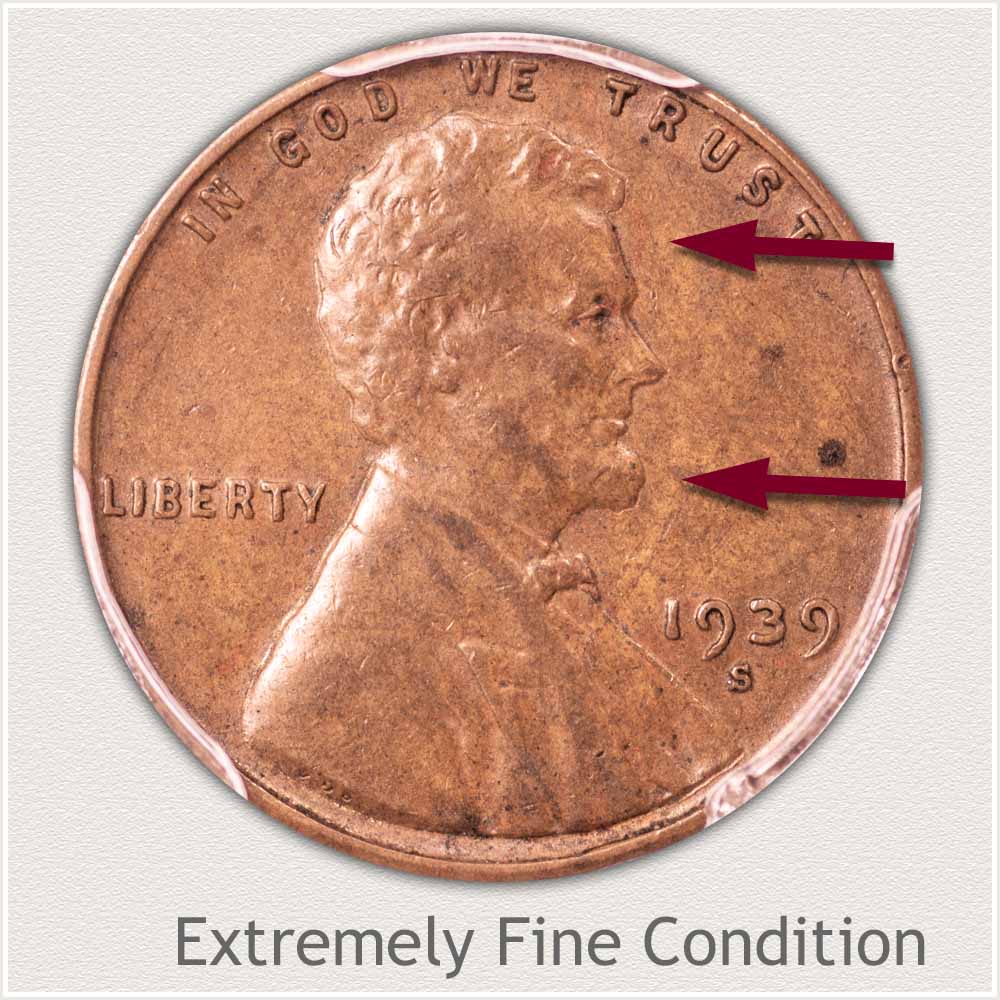
Collectors look for the tiny letter located beneath the date. If there is no letter, the coin was minted in Philadelphia. An “S” or “D” indicates a higher level of interest for collectors focusing on mint sets. Because the San Francisco mint produced the fewest coins in 1939, a high-grade 1939-S specimen is consistently the most sought-after variety of the year. However, “sought-after” does not always equate to a fortune. Even the 1939-S in average circulated condition remains an affordable entry point for new investors and hobbyists.
Grading and Its Impact on Financial Value
The difference between a 1939 Wheat penny worth pocket change and one worth hundreds of dollars lies almost entirely in the grade. Professional coin grading services, such as PCGS (Professional Coin Grading Service) or NGC (Numismatic Guaranty Company), use the Sheldon Scale to assign a grade from 1 to 70.
Circulated vs. Uncirculated Coins
Most 1939 Wheat pennies found in circulation fall into the “Good” (G-4) to “Extremely Fine” (EF-40) range. In these states, the coin’s value is modest—typically ranging from $0.25 to $5.00. The wear patterns on the hair of Lincoln and the lines of the wheat stalks serve as primary indicators. If the coin has lost its original luster or has significant scratches, it is relegated to the “junk” or “common” pile.
However, the value narrative changes dramatically when you enter the realm of “Mint State” (MS) coins. An MS-65 or higher coin—one that shows no signs of wear, retains its original copper-red luster, and is free of distracting blemishes—can command significant attention at auction. For a 1939 Philadelphia penny in MS-65 condition, collectors might pay between $50 and $100. If the coin is graded as “Red” (the highest quality copper finish) rather than “Brown” (the oxidized finish), the price increases further.

The Importance of the Copper Finish
Copper coins are graded based on their color: Red (RD), Red-Brown (RB), and Brown (BN). A 1939 penny that has remained bright, original red for over eight decades is a marvel of preservation. Collectors are willing to pay a substantial premium for “Full Red” coins because copper naturally oxidizes and darkens over time. If you have a coin that looks as though it was struck yesterday, it is worth the cost of professional grading.
Identifying Valuable Varieties and Errors
Beyond the standard production, the 1939 Wheat penny can occasionally feature “error” characteristics that drastically inflate its market price. Identifying these requires a high-powered magnifying glass or a digital microscope, as the deviations are often subtle.
Doubled Dies and Repunched Mint Marks
The most famous variety for the 1939 cent is the 1939 Doubled Die Obverse. In this error, the text “LIBERTY” and “IN GOD WE TRUST” appears with a distinct doubling effect, caused by a misalignment of the die during the striking process. While not as legendary as the 1955 Doubled Die, a 1939-P doubled die is a prized find. A coin with a confirmed, significant doubling can fetch hundreds or even thousands of dollars depending on the severity of the error and the grade of the coin.
Repunched mint marks (RPMs) occur when the mint mark was stamped into the die more than once, often at slightly different angles. While these are common in the early 20th century, identifying a rare, distinct RPM on a 1939-D or 1939-S can add a “cool factor” that increases the coin’s value among specialists who curate “error collections.”
Off-Center Strikes and Die Cracks
Sometimes, the planchet (the blank metal disk) is not centered when it is struck, resulting in a coin where the design is shifted toward one edge, leaving part of the metal blank. These “off-center” errors are visually striking and highly liquid in the collector market. Similarly, die cracks—raised lines on the coin caused by a cracked die—can also add a minor premium, though they are much more common and less valuable than major strike errors.
The Future of Wheat Penny Investing
Is a 1939 Wheat penny a viable investment vehicle? For the average person, the answer is nuanced. Investing in lower-grade copper coins is rarely a path to significant wealth. However, the Wheat penny represents a foundational piece of American history. Its value is tied to its “collectability” rather than its bullion value, as the melt value of the copper in a 1939 penny is only a fraction of its numismatic value.
Market Trends and Liquidity
The market for vintage U.S. coins remains robust. As older generations pass down collections, new interest is often piqued by the affordability of Lincoln Wheat cents. Because the 1939 penny is a relatively easy coin to find in high grades, it serves as an excellent “starter” coin for those learning how to grade and assess rarity.
If you are looking to maximize the return on your 1939 pennies, follow these professional steps:
- Never clean your coins. The single biggest mistake a novice makes is trying to polish an old coin to make it shine. Professional collectors prefer original, aged surfaces; cleaning a coin destroys its numismatic value instantly and can reduce its price by up to 90%.
- Handle with care. Use cotton gloves or hold the coin by its edges. Oils from human skin can leave acidic residue that accelerates oxidation.
- Use proper storage. Keep your coins in archival-safe 2×2 flips or hard plastic holders. Avoid storing them in high-humidity areas or cardboard boxes that can hold moisture.
- Consult price guides. Utilize resources like the PCGS CoinFacts app or the Greysheet to get a realistic idea of current market prices. Remember that these prices reflect what dealers charge, not necessarily what they will pay you.
Ultimately, the 1939 Wheat penny is a bridge to the past. While most of these coins will never make you rich, they offer a tactile connection to the economic recovery of the late 1930s. If you possess one, treat it as a historical artifact first and a financial asset second. Should you find yourself with an uncirculated 1939-S or a clear doubled-die error, however, you may find that your “pocket change” is worth significantly more than the face value of one cent. By focusing on preservation and careful identification, you ensure that the story of your coin remains intact for decades to come.
aViewFromTheCave is a participant in the Amazon Services LLC Associates Program, an affiliate advertising program designed to provide a means for sites to earn advertising fees by advertising and linking to Amazon.com. Amazon, the Amazon logo, AmazonSupply, and the AmazonSupply logo are trademarks of Amazon.com, Inc. or its affiliates. As an Amazon Associate we earn affiliate commissions from qualifying purchases.