
In the world of high-stakes commerce, a business plan is far more than a simple roadmap; it is a rigorous financial instrument designed to stress-test an idea before a single dollar is deployed. Whether you are a solo entrepreneur launching a side hustle or a seasoned founder seeking venture capital, your business plan template serves as the primary document for communicating value to lenders and investors. To prepare a template that truly moves the needle, one must look beyond basic descriptions and focus on the mechanics of wealth creation, risk mitigation, and fiscal sustainability.
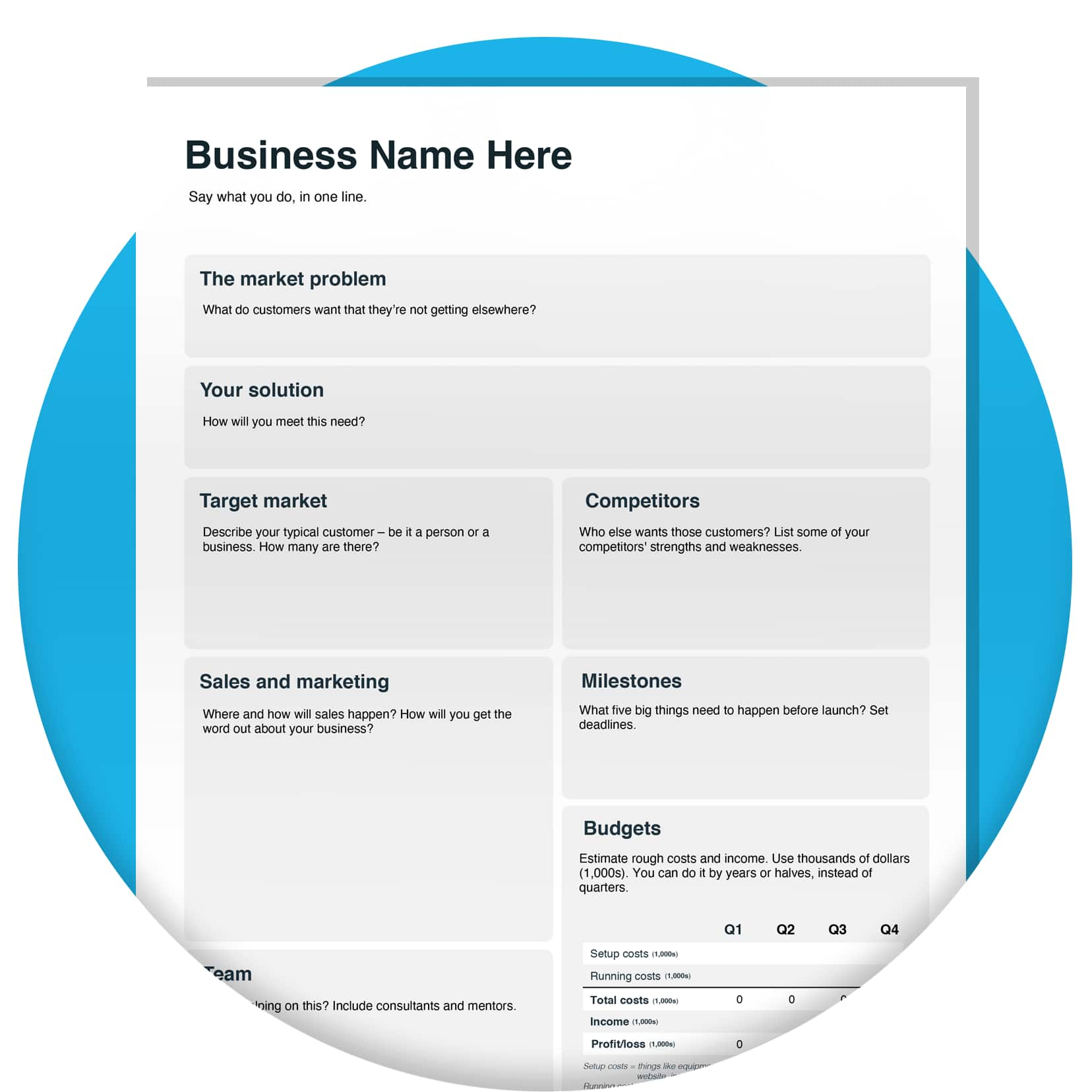
Developing a robust template requires an analytical mindset. You are not just writing a story; you are constructing a financial model that proves your concept can survive market volatility and deliver a return on investment (ROI). A professional-grade business plan template must prioritize the “Money” aspect of the venture—detailing exactly how capital flows into, through, and out of the organization.
The Financial Foundation: Defining Your Business Model and Revenue Streams
The first pillar of any business plan template is the clear articulation of the economic engine. Investors do not fund ideas; they fund business models. Your template must provide a dedicated section for defining how the business will generate sustainable income.
Identifying Core Value Drivers
Before diving into spreadsheets, you must identify the primary drivers of value. Are you selling a high-volume, low-margin product, or a low-volume, high-premium service? In your template, create a subsection that defines your “Unit Economics.” This involves calculating the lifetime value (LTV) of a customer against the customer acquisition cost (CAC). A healthy business usually aims for an LTV that is at least three times the CAC. By documenting these ratios early in the template, you signal to potential partners that you understand the fundamental math of your industry.
Mapping Out Sustainable Profit Margins
Revenue is a vanity metric; profit is sanity. Your template should include a structural breakdown of gross and net margins. This section must address the cost of goods sold (COGS) and how those costs scale as volume increases. For service-based businesses or online income streams, this might include software licensing, labor costs, or affiliate payouts. The goal is to demonstrate “operating leverage”—the ability to increase revenue faster than expenses.
Market Analysis and Competitive Valuation
A business plan template is incomplete without a deep dive into the financial landscape of the industry. This section validates the “Total Addressable Market” (TAM) and establishes why your business is a viable financial bet compared to existing alternatives.
Gauging Total Addressable Market (TAM)
To attract serious capital, you must prove that the market is large enough to support your financial goals. Your template should guide you to categorize the market into three tiers: TAM (Total Addressable Market), SAM (Serviceable Addressable Market), and SOM (Serviceable Obtainable Market). By quantifying these figures using credible third-party data, you transform a vague opportunity into a measurable financial target. This level of detail is what separates a hobbyist’s plan from a professional investment memorandum.
Positioning for Investor Appeal
In the “Money” niche, competition is often viewed through the lens of market share and pricing power. Your template should include a competitive matrix that analyzes the financial health and pricing strategies of your rivals. Are you entering a “Red Ocean” where price wars erode margins, or are you carving out a “Blue Ocean” where you can command premium pricing? Understanding your competitors’ financial vulnerabilities allows you to position your business plan as a more efficient vehicle for capital growth.
Operational Budgeting and Resource Allocation
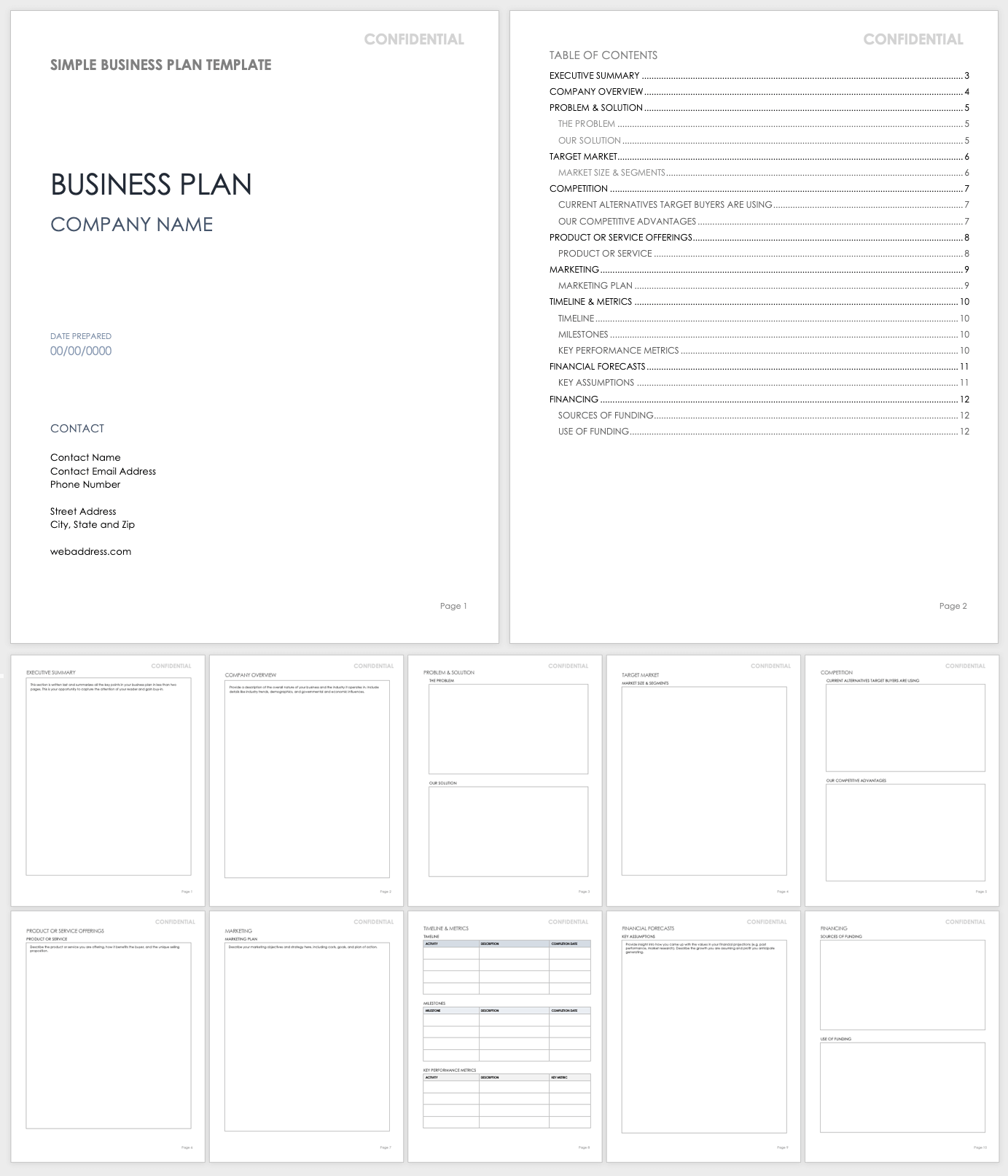
Once the revenue potential is established, the template must shift focus to the “Burn Rate”—how much money the business consumes to stay operational. Effective financial management requires a granular understanding of where every dollar goes.
Managing Fixed vs. Variable Costs
Your business plan template should feature a clear distinction between fixed costs (rent, salaries, insurance) and variable costs (marketing, raw materials, shipping). This distinction is critical for performing a break-even analysis. In the early stages of a business, minimizing fixed costs—often referred to as “staying lean”—is a primary strategy for extending the financial runway. Your template should encourage the user to identify “cost centers” and look for opportunities to optimize spending.
Capital Expenditure (CapEx) Planning
For businesses that require physical assets—such as manufacturing equipment, real estate, or high-end technology—a CapEx schedule is essential. This section of the template should outline the timing and cost of major purchases. It should also account for depreciation and amortization, which are vital for tax planning and long-term financial health. By forecasting these expenditures, you avoid the cash flow crunches that derail many promising startups.
Building the Financial Projections Section
The financial projections section is the “heart” of the business plan template. It is here that you translate your strategy into numbers. For a plan to be credible, these projections must be grounded in reality, not just optimism.
The Three Essential Statements: Income, Cash Flow, and Balance Sheet
A professional template must include three key financial statements:
-
The Income Statement (P&L): This shows your projected revenue, expenses, and profit over a specific period (usually 3–5 years).
-
The Cash Flow Statement: This is perhaps the most important document for a new business. It tracks the actual movement of cash. A business can be profitable on paper but still fail if it runs out of liquid cash to pay its bills.
-
The Balance Sheet: This provides a snapshot of the business’s financial position at a specific point in time, detailing assets, liabilities, and equity.
Break-Even Analysis and Sensitivity Modeling
Every solid business plan template needs a “Break-Even Analysis.” This calculation tells you exactly when the business will stop losing money and start generating a profit. Furthermore, sophisticated templates include “Sensitivity Analysis” or “Scenario Planning.” This involves creating “Best Case,” “Expected Case,” and “Worst Case” financial scenarios. By demonstrating that the business can remain solvent even if sales are 20% lower than expected, you build immense trust with lenders and financial partners.
Funding Requirements and Exit Strategies
The final section of your business plan template addresses the “Ask.” If you are using this plan to raise money, you must be explicit about how much you need and what you will do with it.
Structuring the Ask: Debt vs. Equity
Your template should provide a clear breakdown of the funding required to reach the next major milestone. Will this capital be raised through debt (loans that must be repaid with interest) or equity (selling a piece of the company to investors)? Each has different implications for your long-term wealth. Debt allows you to retain ownership but creates a monthly financial obligation. Equity dilutes your ownership but shares the risk with the investor. A well-prepared template helps you weigh these options based on your cost of capital.
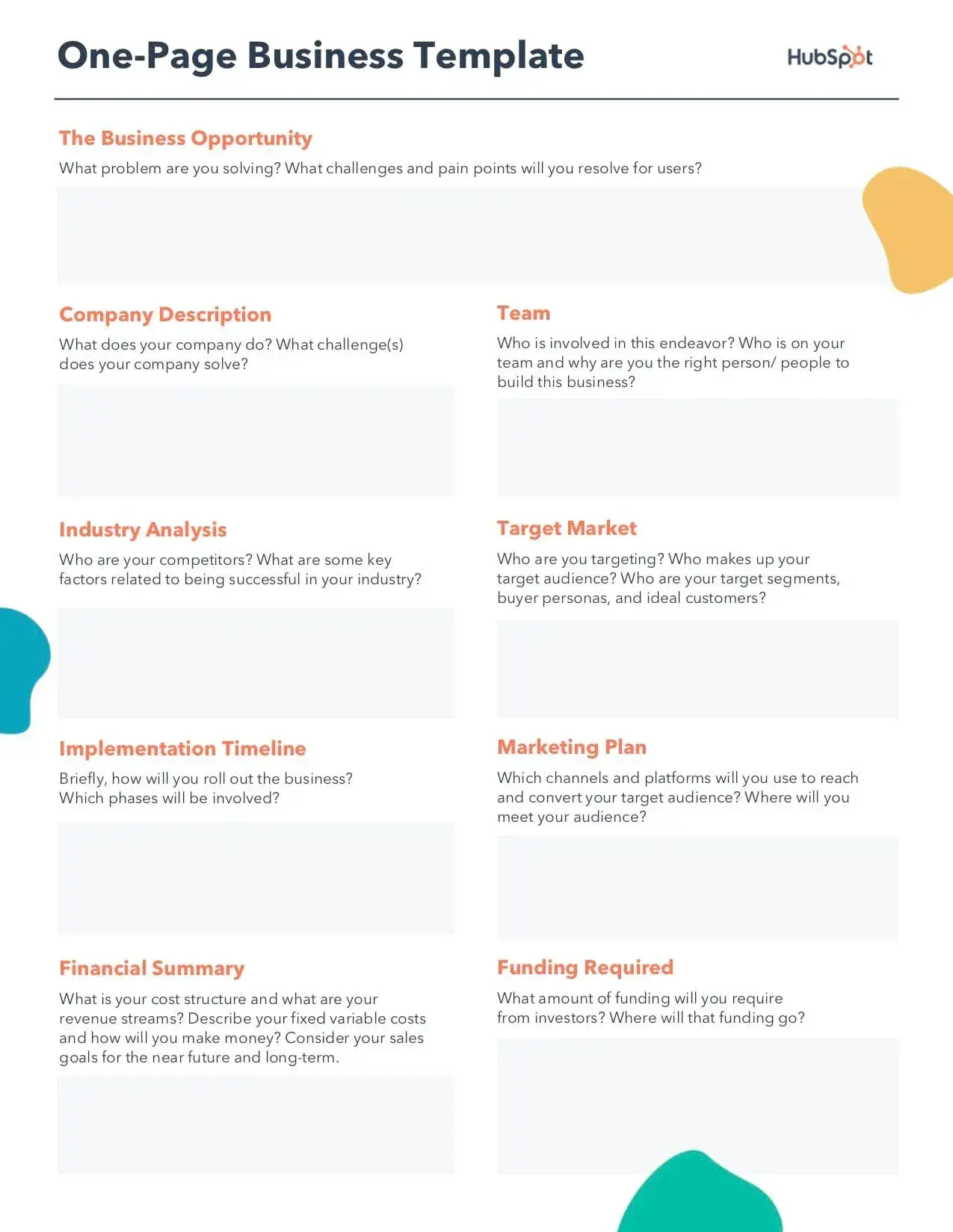
Planning for Long-term Wealth Multiplication
The ultimate goal of any financial venture is an “Exit.” Whether you plan to run the business for decades or sell it in five years, your business plan template should outline potential exit strategies. This might include an Initial Public Offering (IPO), a strategic acquisition by a larger competitor, or a management buyout. For an investor, the exit strategy is the most important part of the plan—it is the moment they realize their capital gains. By including this in your template, you show that you are focused on the end game: the creation and realization of significant financial value.
By following this structured approach to a business plan template, you create a document that functions as a sophisticated financial tool. It moves beyond the “what” and “how” of the business and focuses squarely on the “how much” and “when.” In the realm of finance, clarity is currency. A template that demands rigorous financial data, realistic projections, and a clear path to profitability is the most effective asset an entrepreneur can possess.
aViewFromTheCave is a participant in the Amazon Services LLC Associates Program, an affiliate advertising program designed to provide a means for sites to earn advertising fees by advertising and linking to Amazon.com. Amazon, the Amazon logo, AmazonSupply, and the AmazonSupply logo are trademarks of Amazon.com, Inc. or its affiliates. As an Amazon Associate we earn affiliate commissions from qualifying purchases.