
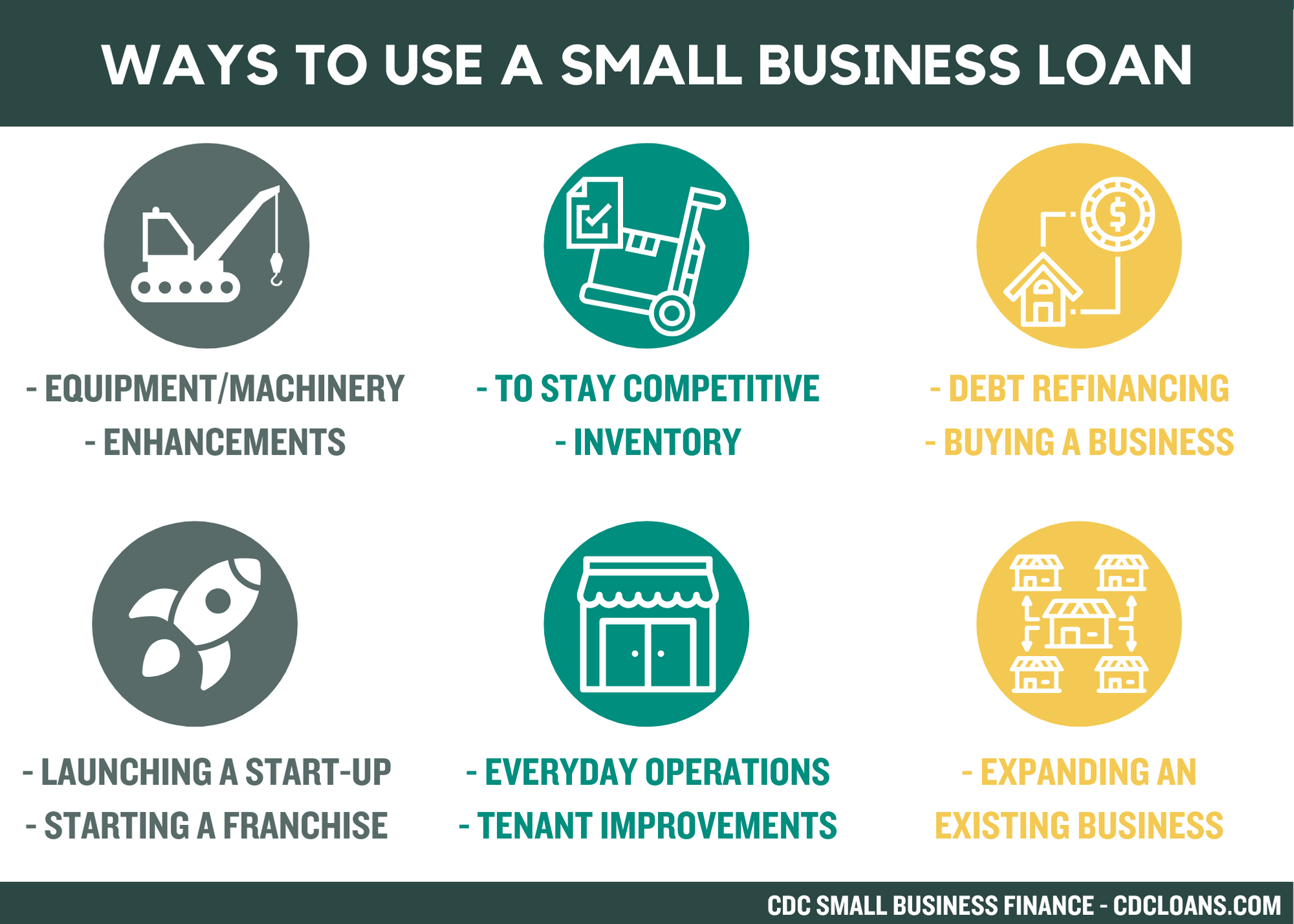
Securing adequate capital is often the primary hurdle between a visionary business concept and a market-leading enterprise. Whether you are looking to cover operational gaps, invest in new inventory, or scale your infrastructure, the landscape of business lending has evolved significantly over the last decade. No longer are entrepreneurs tethered solely to the marble halls of traditional investment banks. Today, a multifaceted ecosystem of legacy institutions, agile fintech disruptors, and government-backed programs offers a variety of pathways to liquidity.
Understanding where to get business loans requires a strategic look at your company’s financial health, your immediate needs, and your long-term cost of capital. This guide explores the primary categories of lenders and how to navigate each to find the right fit for your business.
Traditional Banking Institutions and Credit Unions
For many established businesses, the first port of call remains the traditional commercial bank. These institutions, ranging from global giants to localized community banks, offer some of the most competitive interest rates and favorable terms in the market. However, they also maintain the strictest eligibility requirements.
Large Commercial Banks
National and international banks are ideal for businesses with strong credit histories, significant annual revenue, and substantial collateral. These banks provide a wide array of products, including term loans, commercial mortgages, and revolving lines of credit. The primary advantage of a large bank is its capacity for massive funding amounts and its suite of integrated financial services, such as treasury management and international trade finance. The trade-off is a rigorous underwriting process that can take weeks or even months, often requiring a mountain of documentation including several years of tax returns, audited financial statements, and a detailed business plan.
Community Banks and Credit Unions
If your business is deeply rooted in a specific geographic area, community banks and credit unions are often more flexible than their larger counterparts. Because these institutions focus on local economic development, they may take a more holistic view of your business beyond just the numbers on a spreadsheet. Credit unions, being member-owned cooperatives, often return profits to their members in the form of lower interest rates and reduced fees. Building a personal relationship with a local loan officer can be the deciding factor for a small business that might not meet the rigid algorithmic criteria of a national bank.
The Rise of Alternative and Online Lenders
The digital revolution has birthed a new generation of lenders known as fintechs or alternative lenders. These platforms have streamlined the borrowing process, prioritizing speed and accessibility over traditional collateral-heavy requirements.
Online Term Loans and Lines of Credit
Online lenders use advanced algorithms to assess creditworthiness, often looking at real-time data from your accounting software, bank accounts, and payment processors. This allows them to make lending decisions in hours rather than weeks. For businesses that need capital immediately to capitalize on a time-sensitive opportunity—such as a bulk inventory discount or an unexpected repair—online lenders are invaluable. While the convenience is high, the interest rates (expressed as APR) are generally higher than those of traditional banks.
Peer-to-Peer (P2P) Lending
Peer-to-peer platforms connect business borrowers directly with individual and institutional investors. Instead of borrowing from a single bank, your loan is funded by a “crowd” of investors seeking yield. P2P loans can be a viable middle ground for businesses that have decent credit but may not fit the specific risk profile of a commercial bank. The terms are often fixed, and the application process is handled entirely online, making it a highly efficient model for modern entrepreneurs.
Merchant Cash Advances (MCA)
While technically a purchase of future sales rather than a traditional loan, Merchant Cash Advances are a common source of quick capital for retail and service businesses with high credit card sales volume. An MCA provider gives you a lump sum upfront in exchange for a percentage of your daily credit card receipts. While incredibly easy to qualify for, MCAs are among the most expensive forms of financing. They are best reserved for short-term cash flow emergencies rather than long-term strategic growth.
Government-Backed Funding: SBA Loans
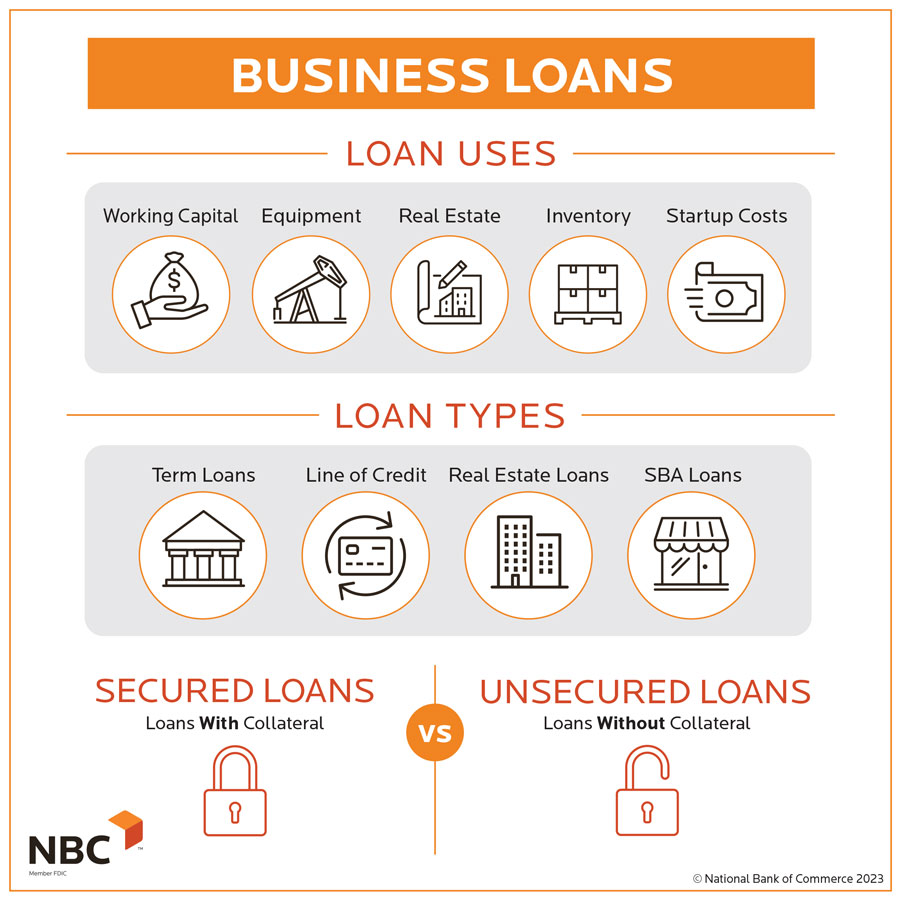
The U.S. Small Business Administration (SBA) does not lend money directly to small business owners. Instead, it provides a guarantee to lenders, promising to pay back a portion of the loan if the borrower defaults. This reduces the risk for the lender, allowing them to offer capital to businesses that might not otherwise qualify for a conventional bank loan.
The 7(a) Loan Program
The 7(a) is the SBA’s most popular and versatile loan program. It can be used for working capital, equipment purchases, debt refinancing, and even purchasing real estate. Because of the government guarantee, these loans come with capped interest rates and longer repayment terms, which helps keep monthly payments manageable. The downside is the complexity; the application process is notoriously bureaucratic and requires a high level of organization and patience.
The 504 Loan Program
For businesses looking to make major fixed-asset purchases—such as land, buildings, or long-term machinery—the 504 loan program is the gold standard. It is structured as a partnership between a lender (usually a bank) and a Certified Development Company (CDC). This program offers long-term, fixed-rate financing that is designed to promote economic development and job creation within the community.
Microloans and CDFIs
For startups or very small businesses in underserved communities, SBA Microloans provide smaller amounts of capital (up to $50,000). These are often distributed through Community Development Financial Institutions (CDFIs) and non-profit organizations. In addition to the capital, these lenders often provide technical assistance and business coaching, helping the borrower build the financial literacy needed to eventually qualify for larger-scale traditional financing.
Specialized Financing for Specific Industry Needs
Sometimes, a general-purpose term loan isn’t the most efficient way to fund a specific business activity. Specialized financing allows you to leverage your existing assets to unlock liquidity.
Equipment Financing
If your business requires expensive machinery, vehicles, or specialized technology, equipment financing is an excellent option. In this scenario, the equipment itself serves as the collateral for the loan. This often means you can secure a loan with a lower down payment and a more competitive interest rate than an unsecured loan. Once the loan is paid off, the business owns the equipment outright.
Invoice Factoring and Financing
For B2B companies that struggle with 30, 60, or 90-day payment terms, invoice factoring can bridge the gap. A factoring company “buys” your outstanding invoices at a discount and provides you with immediate cash. Once the customer pays the invoice, the factor takes their cut and returns the remaining balance to you. This is a powerful tool for managing working capital without taking on traditional debt, as the “loan” is backed by the creditworthiness of your customers rather than your own business.
Inventory Financing
Retailers and wholesalers often face the challenge of needing to buy stock before they can generate the revenue to pay for it. Inventory financing is a line of credit or a short-term loan specifically designed to purchase products for resale. The inventory acts as collateral, making this a accessible option for businesses with high turnover but limited liquid cash.

Choosing the Right Lending Source
Identifying where to get a business loan is only half the battle; the other half is determining which source aligns with your business’s financial trajectory. To make the right choice, you must weigh three critical factors: the total cost of capital, the speed of funding, and the impact on your cash flow.
A traditional bank or an SBA loan is almost always the best choice for long-term projects where the lowest possible interest rate is the priority. The time invested in the application process pays dividends over years of lower interest payments. Conversely, if you are facing a temporary cash crunch or a sudden opportunity, the higher cost of an online lender or a line of credit may be a justifiable expense for the sake of agility.
Before applying, ensure your financial house is in order. This includes maintaining a clean personal and business credit report, preparing a professional profit and loss statement, and having a clear “use of proceeds” plan. Lenders do not just want to see that you need money; they want to see exactly how that money will generate the return necessary to pay them back. By matching your specific business need to the appropriate lending category, you can secure the capital necessary to transform your business goals into tangible reality.
aViewFromTheCave is a participant in the Amazon Services LLC Associates Program, an affiliate advertising program designed to provide a means for sites to earn advertising fees by advertising and linking to Amazon.com. Amazon, the Amazon logo, AmazonSupply, and the AmazonSupply logo are trademarks of Amazon.com, Inc. or its affiliates. As an Amazon Associate we earn affiliate commissions from qualifying purchases.