
In the evolving landscape of digital finance, mobile payment platforms have become indispensable tools for managing everyday transactions. Among these, Venmo stands out as a popular choice, particularly for its seamless peer-to-peer payment capabilities. While many users are familiar with linking bank accounts or debit cards, leveraging your Venmo balance directly offers a distinct set of advantages, transforming it into a personal digital wallet. This guide delves into the intricacies of paying from your Venmo balance, exploring not just the “how-to,” but also the financial implications, strategic uses, and best practices for integrating it into your broader personal finance strategy.

The Venmo balance represents funds held directly within your Venmo account. These funds can originate from money received from other users, direct deposits, or cash added through various methods. Utilizing this balance for payments can enhance financial control, streamline transactions, and even contribute to a more organized approach to your spending. Understanding how to effectively manage and deploy these funds is key to maximizing the utility of Venmo as a financial tool.
Understanding Your Venmo Balance: A Financial Hub
Your Venmo balance isn’t merely a holding tank for incoming payments; it’s a dynamic financial resource that, when managed correctly, can offer significant convenience and control over your immediate spending. Recognizing its role as a mini-financial hub within your overall money management system is the first step towards optimized usage.
What is Your Venmo Balance?
At its core, your Venmo balance refers to the total amount of money available in your Venmo account that is not linked to an external funding source like a bank account or debit card. When someone sends you money on Venmo, or when you opt for direct deposit into your Venmo account, these funds reside within this balance. This direct accessibility means that when you initiate a payment, these funds are prioritized, preventing the need to draw from linked external accounts and potentially saving you from overdraft concerns or delayed transaction processing associated with bank transfers. It functions much like a prepaid card balance, but with the added social and transactional features of the Venmo platform.
Advantages of Using Your Balance for Payments
Opting to pay from your Venmo balance offers several compelling advantages, particularly from a personal finance perspective. Firstly, it provides an immediate and clear view of available funds, facilitating better budgeting for immediate expenses. By segregating funds within Venmo, users can allocate specific amounts for social spending, bill splitting, or online purchases, making it easier to track and control these categories of expenditure. Secondly, using the balance often results in faster transaction processing times, as there’s no intermediary bank involved in drawing funds – the money is already within the Venmo ecosystem. This speed can be crucial for time-sensitive payments or when settling debts with friends on the spot. Finally, for those wary of frequently exposing their primary bank account details, using the Venmo balance adds an extra layer of security, as payments are drawn from an internal fund rather than directly accessing external financial institutions.
Ensuring Funds: Adding Money to Your Venmo Balance
To effectively pay from your Venmo balance, you must first ensure there are sufficient funds available. There are several convenient methods to add money to your Venmo balance, transforming it into a robust payment source. The most common way is to receive payments from other Venmo users. Beyond that, Venmo allows users to add cash directly from a linked bank account via an Instant Transfer (which may incur a small fee for instant processing, or be free for standard transfers typically taking 1-3 business days). Additionally, some users may qualify for direct deposit services, allowing paychecks or government benefits to be deposited directly into their Venmo account, effectively making Venmo a primary checking account alternative for certain needs. Understanding these mechanisms is crucial for maintaining a healthy balance ready for all your transactional needs, preventing interruptions to your spending.
Step-by-Step Guide: Sending Money to Friends and Family
The cornerstone of Venmo’s popularity lies in its seamless peer-to-peer payment system. When settling up with friends for dinner, splitting rent, or reimbursing a shared expense, paying directly from your Venmo balance is often the most efficient method.
Initiating a Payment from Your Balance
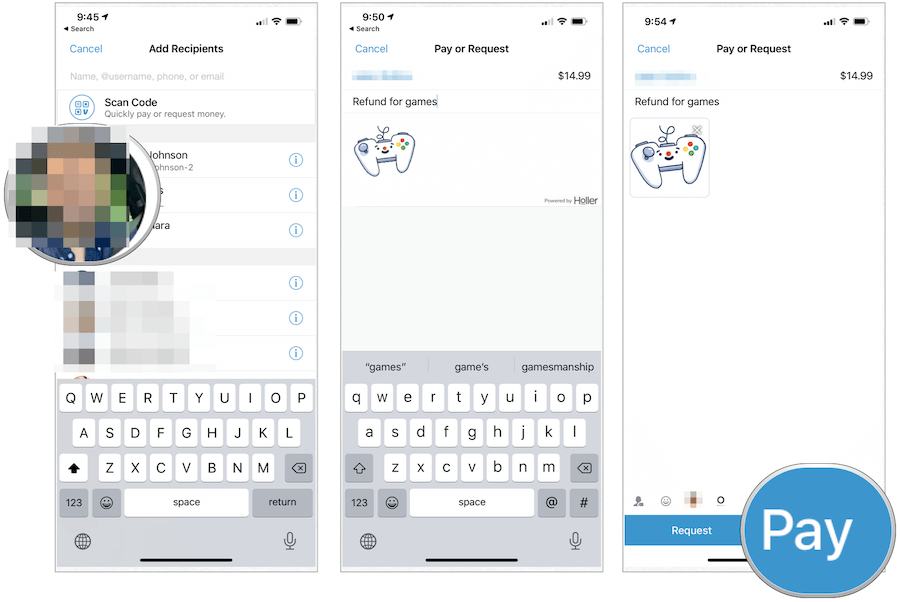
The process of sending money from your Venmo balance is straightforward and mirrors the standard payment procedure on the platform. First, open the Venmo app and tap the “Pay & Request” button (often represented by a pencil and paper icon or similar) typically located at the bottom center of the screen. You’ll then select the recipient from your contacts or search for their Venmo username. Input the amount you wish to send and, importantly, add a note describing the payment. This note is crucial not only for social interaction but also for financial tracking and record-keeping, allowing you to easily identify the purpose of the transaction later. This transparency helps in maintaining clear financial records, a key aspect of sound personal finance.
Confirming Payment Source and Transaction Details
Before finalizing any payment, Venmo provides a crucial step to review the transaction details, including the funding source. After entering the amount and message, you will typically see the default payment method. This is where you confirm that “Venmo Balance” is selected. If it isn’t, tap on the funding source to bring up a list of available options and explicitly select “Venmo Balance.” This ensures that your payment is drawn directly from your internal funds rather than a linked bank account or card. Double-check the recipient’s name, the amount, and the message before hitting the “Pay” button. This verification step is vital to prevent errors and ensure your funds are disbursed as intended, aligning with responsible financial practices.
Common Scenarios for Peer-to-Peer Payments
Paying from your Venmo balance excels in a variety of common social and financial scenarios. Splitting restaurant bills or movie tickets among friends becomes effortless when funds are readily available in your Venmo account. It’s ideal for collective gift contributions, where one person collects funds from several others. For roommates, paying rent or utility shares through Venmo balance can streamline monthly contributions. Even casual exchanges like repaying a small loan to a colleague or contributing to a group trip fund benefit from the speed and simplicity of using your balance. The immediacy of the payment from your balance ensures that you can settle these often-recurring financial obligations promptly, fostering good financial relationships and minimizing outstanding IOUs.
Paying Merchants and Online Retailers with Venmo Balance
Beyond peer-to-peer transactions, Venmo has expanded its utility to enable payments to businesses, both online and in physical stores. This extension transforms your Venmo balance into a versatile spending instrument, akin to a debit card, for a wide array of purchases.
In-App Purchases and Partner Merchants
Many online businesses and mobile apps have integrated Venmo as a payment option, making it convenient to use your balance for purchases. When checking out on a partner app or website, look for the Venmo logo among the payment methods. Selecting Venmo will typically redirect you to the Venmo app (if on mobile) or prompt you to log in to authorize the payment. Similar to peer-to-peer payments, your Venmo balance will be the default funding source if sufficient funds are available. This direct integration streamlines the checkout process, making it faster and often more secure than manually entering card details for every purchase. From ordering food delivery to buying event tickets, using your Venmo balance through partner merchants allows for quick and efficient expenditure management.
Using the Venmo Card (Debit Card and Credit Card)
For situations where Venmo isn’t directly integrated as a payment option, or for in-person purchases, Venmo offers physical cards that draw from your balance: the Venmo Debit Card and the Venmo Credit Card. The Venmo Debit Card, powered by Mastercard, directly links to your Venmo balance. Any purchase made with this card will first attempt to draw funds from your Venmo balance. If the balance is insufficient, it will automatically pull from your linked bank account. This card effectively extends the reach of your Venmo balance to any merchant that accepts Mastercard, offering a tangible way to spend your digital funds.
The Venmo Credit Card, on the other hand, is a traditional credit card that can be used to pay your bill using your Venmo balance, but it’s primarily a credit product. However, both cards reinforce the idea of Venmo as a central financial hub, allowing for greater flexibility in how and where your balance can be utilized, providing robust financial tools for daily spending and budgeting.
Venmo as a Payment Option at Checkout
Beyond dedicated partner merchants and the Venmo Debit Card, some online retailers offer Venmo as a direct checkout option, often alongside PayPal (Venmo’s parent company). When you select Venmo at checkout, you’ll be prompted to log into your Venmo account to authorize the transaction. The system prioritizes your Venmo balance, making it a seamless way to spend your accumulated funds. This broad acceptance, particularly in the e-commerce space, makes your Venmo balance an increasingly powerful tool for managing online spending. It minimizes the need to constantly switch between different payment apps or retrieve physical cards, simplifying your digital financial footprint.
Managing Your Venmo Balance Effectively
Effective management of your Venmo balance is crucial for leveraging it as a robust financial tool. This involves understanding how to move money in and out, linking external accounts, and adopting security best practices to protect your funds.
Cashing Out Your Venmo Balance
Just as you can add money to your Venmo balance, you can also transfer funds out, typically to a linked bank account. This process is often referred to as “cashing out” or “transferring to bank.” Venmo offers two main options:
- Standard Transfer: This option is usually free and typically takes 1-3 business days for the funds to appear in your linked bank account. It’s suitable for non-urgent transfers and is the most cost-effective method.
- Instant Transfer: For a small fee (usually 1.75% of the transfer amount, with a minimum fee), you can transfer funds to your linked debit card or bank account almost instantly, typically within minutes. This option is invaluable when you need immediate access to your Venmo funds for external expenses or unexpected needs.
Understanding these options allows for flexible financial planning, ensuring liquidity when required, and preventing funds from being tied up unnecessarily in your Venmo account.
Linking and Managing Payment Methods
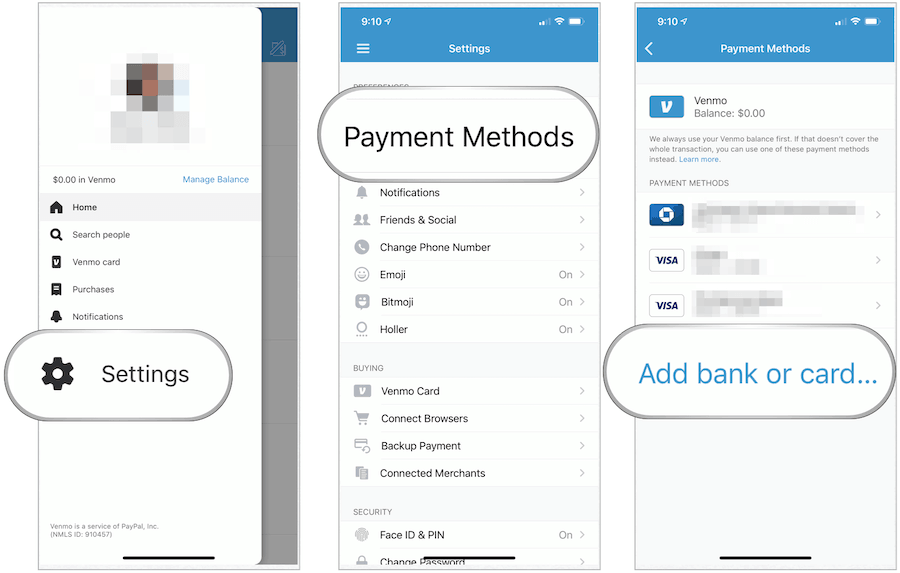
To fully utilize Venmo, including adding funds to your balance or setting up fallback payment options, it’s essential to link and manage your external payment methods securely. This usually includes linking a bank account (via account and routing numbers or instant verification) and debit/credit cards. Having multiple linked payment methods provides flexibility; for example, if your Venmo balance is low, you can instantly draw from a linked debit card. Regularly reviewing and updating these linked methods ensures that your financial information is current and secure. It’s also important to be aware of the differences in fees and processing times associated with different funding sources and transfer methods, which can impact your overall financial efficiency.
Security Best Practices for Your Venmo Account
The convenience of digital wallets comes with the responsibility of safeguarding your account. When managing your Venmo balance, several security best practices are paramount:
- Strong, Unique Passwords: Use a complex password not reused on other sites.
- Two-Factor Authentication (2FA): Always enable 2FA for an extra layer of security, requiring a code from your phone in addition to your password.
- Monitor Activity: Regularly review your transaction history for any unauthorized activity.
- Beware of Phishing: Be cautious of suspicious emails or messages purporting to be from Venmo; Venmo will never ask for your password or sensitive information via email.
- Public/Private Transactions: Understand Venmo’s privacy settings. While peer-to-peer payments can be public, consider making sensitive transactions private.
- Secure Device: Ensure your mobile device is password-protected and that the Venmo app is updated to the latest version for security patches.
Adhering to these practices helps protect your Venmo balance and personal financial information from potential threats, reinforcing your overall digital financial security.
Maximizing Your Venmo Balance for Smart Financial Management
Integrating your Venmo balance into your broader financial strategy can yield significant benefits, from improved budgeting to better awareness of your spending habits. It’s more than just a payment app; it’s a component of a comprehensive approach to personal finance.
Budgeting with Venmo: Tracking Expenses
For individuals looking to refine their budgeting, the Venmo balance can serve as a dedicated fund for specific spending categories, particularly social and discretionary expenses. By consciously topping up your Venmo balance with a set amount each month for dining out, entertainment, or shared household costs, you create a natural spending limit. Venmo’s transaction history acts as an automatic ledger for these specific expenses, making it easier to track where this portion of your budget is going. This method provides a clear separation from your main checking account, helping to prevent overspending in variable categories and offering a clearer picture of your cash flow for those particular areas.
Understanding Fees and Limits
While Venmo prides itself on often being free for standard transactions, it’s crucial for smart financial management to be aware of situations where fees may apply, and to understand any transaction limits.
- Fees: Typically, sending money from your Venmo balance or linked bank account is free. However, a 3% fee is usually incurred when sending money using a linked credit card. Instant Transfers to a bank account or debit card also carry a small percentage-based fee.
- Limits: Venmo imposes weekly rolling limits on total payments sent, money added to your balance, and transfers to your bank. These limits can vary based on whether your identity has been verified. Understanding these thresholds is important to avoid unexpected roadblocks when making large payments or cashing out significant sums. Staying informed about Venmo’s fee structure and limits, which can change, is vital for proactive financial planning and avoiding unwelcome surprises.
Venmo as Part of a Broader Financial Strategy
Integrating Venmo into a comprehensive financial strategy involves recognizing its strengths and limitations. It excels as a tool for immediate, often social, peer-to-peer payments and specific online purchases. For larger financial goals, investments, or long-term savings, traditional banking and investment platforms remain more appropriate. However, by strategically using your Venmo balance for its intended purposes—managing liquid funds for specific spending categories, simplifying bill splitting, and facilitating quick transactions—it can free up your primary bank account for more substantial financial activities. Viewing Venmo not in isolation but as a specialized component of your financial toolkit allows for a more nuanced and effective approach to managing your money, contributing to overall financial wellness and convenience in the digital age.
By mastering how to pay from your Venmo balance, you unlock a powerful dimension of convenience, control, and efficiency in your daily financial interactions. It’s an active step towards smarter money management in an increasingly cashless world.
aViewFromTheCave is a participant in the Amazon Services LLC Associates Program, an affiliate advertising program designed to provide a means for sites to earn advertising fees by advertising and linking to Amazon.com. Amazon, the Amazon logo, AmazonSupply, and the AmazonSupply logo are trademarks of Amazon.com, Inc. or its affiliates. As an Amazon Associate we earn affiliate commissions from qualifying purchases.