
The digital transformation of the global financial system has fundamentally altered how individuals and business owners interact with the internal revenue services. Gone are the days of mailing paper checks and hoping they arrive before the midnight postmark deadline. Today, paying taxes online is not just a convenience; it is a critical component of modern personal finance management. By leveraging digital payment portals, taxpayers can ensure accuracy, improve their cash flow tracking, and gain immediate peace of mind through instant electronic confirmations.
Navigating the ecosystem of online tax payments requires a strategic understanding of the various tools available. Whether you are an individual filer, a freelancer managing a side hustle, or a small business owner, the method you choose to settle your tax liability can impact your financial health. From direct bank transfers to credit card payments that maximize rewards, the modern taxpayer has more control than ever over how and when they fulfill their fiscal obligations.
Primary Online Payment Channels and Methods
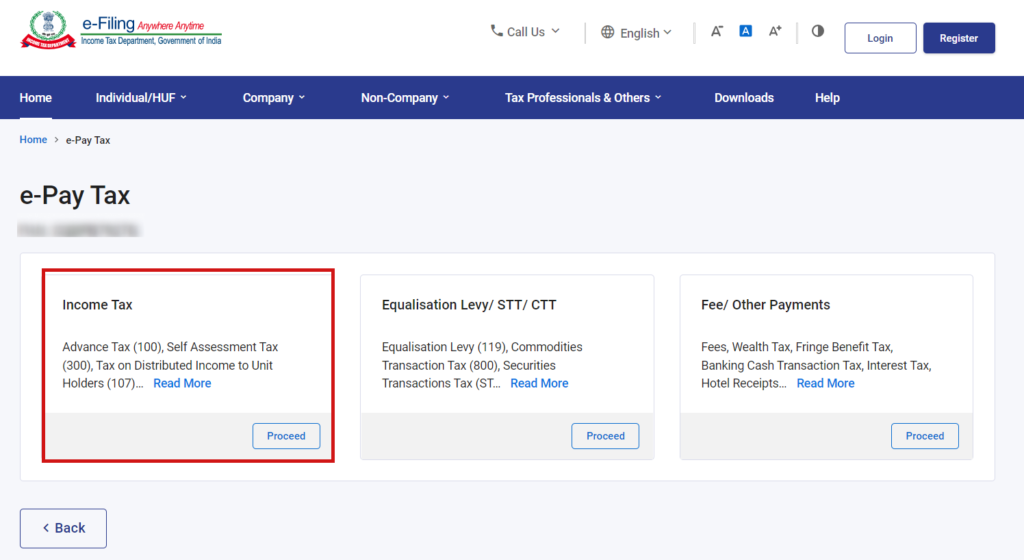
When it comes to paying federal or state taxes online, the infrastructure is robust, offering several distinct paths depending on your specific financial situation. Understanding the nuances of each channel is essential for maintaining a clean audit trail and avoiding unnecessary fees.
IRS Direct Pay for Individuals
IRS Direct Pay is the gold standard for individual taxpayers who wish to pay directly from a checking or savings account without incurring additional processing fees. This service is designed for simplicity, allowing users to pay their 1040 individual income taxes, estimated taxes, and other common filings in a secure environment. The primary advantage of Direct Pay is the lack of a registration process. You can verify your identity using information from a previous year’s tax return and complete the transaction in minutes.
For the disciplined budgeter, Direct Pay offers a level of transparency that paper checks lack. Once the payment is submitted, you receive an immediate confirmation number. This digital receipt is vital for personal finance record-keeping, ensuring that your bank statements and tax records align perfectly.
The Electronic Federal Tax Payment System (EFTPS)
While Direct Pay is excellent for one-off individual payments, the Electronic Federal Tax Payment System (EFTPS) is a more comprehensive tool designed for businesses and high-net-worth individuals with complex tax needs. EFTPS requires a formal enrollment process, which includes receiving a PIN via physical mail to ensure the highest level of security.
The benefit of EFTPS is its scheduling capability. Users can schedule payments up to 365 days in advance, making it an indispensable tool for managing quarterly estimated tax payments. For business owners who must manage payroll taxes and corporate income taxes, EFTPS provides a centralized dashboard to monitor all federal tax liabilities, ensuring that no deadline is missed.
Credit and Debit Card Payments: Costs vs. Benefits
The IRS does not collect payments via credit card directly; instead, it uses third-party processors. While this method offers the convenience of “paying over time” or earning credit card rewards, it comes with a trade-off: processing fees. These fees typically range from 1.8% to 2.0% for credit cards and a flat fee for debit cards.
From a strategic financial perspective, paying taxes with a credit card is usually only advisable if the value of the rewards (such as a sign-up bonus or high-tier travel points) exceeds the cost of the processing fee. Additionally, for those facing temporary liquidity issues, using a credit card can act as a short-term bridge to avoid late-payment penalties from the IRS, which are often significantly higher than credit card interest rates for a single billing cycle.
Integrating Tax Payments into Your Personal Finance Ecosystem
Effective tax management is not an isolated event that happens once a year; it is an ongoing process of financial maintenance. By integrating your tax payments into your digital financial ecosystem, you can reduce the “sticker shock” of tax season and maintain a more accurate view of your net worth.
Using Accounting Software to Streamline Submissions
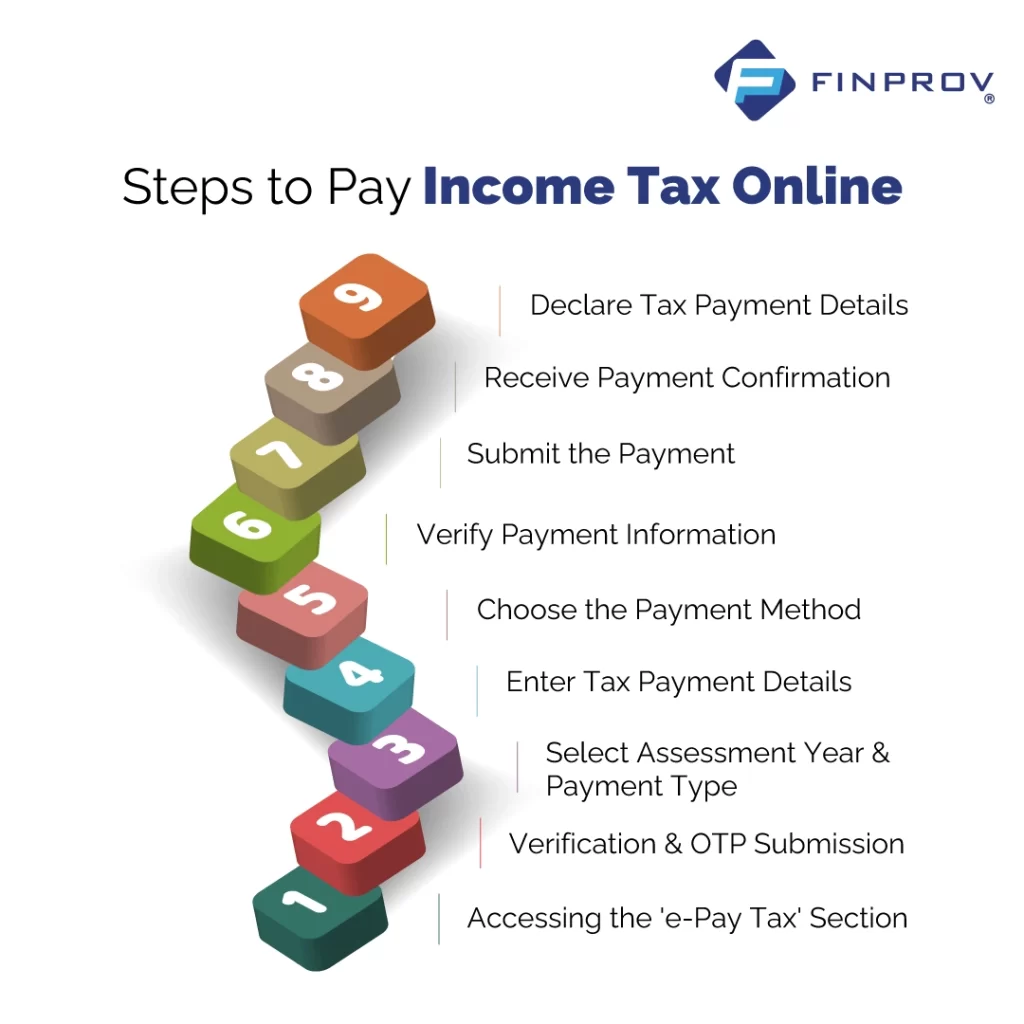
Modern accounting and tax preparation software, such as TurboTax, H&R Block, or QuickBooks, have revolutionized how we calculate and pay our dues. These platforms often provide direct API links to the IRS and state tax departments. When you finalize your return within the software, you are often prompted to schedule your payment immediately.
The advantage of this integration is the reduction of manual entry errors. By allowing your tax software to handle the transmission of payment data, you ensure that the amount owed matches the amount paid exactly. For those managing multiple income streams, these tools can automatically calculate the necessary estimated payments based on real-time income data, allowing you to pay as you go throughout the year.
Automation and Estimated Quarterly Payments
For freelancers, contractors, and entrepreneurs, the burden of self-employment tax can be a significant hurdle. Paying taxes online quarterly is the best way to avoid the heavy underpayment penalties that occur when a large sum is owed at year-end.
By setting up recurring transfers or calendar alerts synced with your online payment portal of choice, you can treat your tax liability like a monthly utility bill. This “pay-as-you-earn” philosophy prevents the common pitfall of spending money that actually belongs to the government, ensuring that your business and personal accounts remain solvent and healthy.
Strategic Financial Planning for Tax Season
Paying taxes is not merely a legal requirement; it is a cash flow event that requires careful planning. How you choose to fund your online tax payment can influence your overall investment strategy and liquidity.
Managing Cash Flow and Earmarked Savings
High-yield savings accounts (HYSAs) are an excellent tool for tax preparation. As you earn income throughout the year, diverting a percentage (typically 25-30% for freelancers) into a dedicated “Tax Vault” allows you to earn interest on those funds until the payment deadline. When the time comes to pay online, you simply transfer the funds to your checking account and use Direct Pay. This strategy transforms tax liability into a minor interest-generating asset for your portfolio.
When to Use Installment Agreements Online
If your online tax calculation reveals a liability that exceeds your current liquid assets, the IRS offers Online Payment Agreements. Instead of ignoring the bill—which leads to aggressive interest and penalties—you can apply for a short-term or long-term installment plan directly through the IRS website.
This digital application process provides immediate feedback on your eligibility and allows you to set up automatic monthly debits. From a personal finance standpoint, this is a responsible way to manage a debt obligation while maintaining enough liquidity to cover your essential living expenses or business overhead.
Security, Compliance, and Digital Record Keeping
The shift to online tax payments brings significant benefits, but it also necessitates a heightened focus on digital security and meticulous record-keeping. Protecting your financial identity is paramount when dealing with government portals.
Verifying Secure Portals and Avoiding Phishing
One of the greatest risks in the digital age is the prevalence of tax-related scams. It is crucial to remember that the IRS will never initiate contact via email, text message, or social media to request a tax payment.
Always ensure you are on an official .gov website before entering any banking information or Social Security numbers. Check for the padlock icon in your browser’s address bar and double-check the URL. By using established portals like EFTPS or Direct Pay, you are utilizing some of the most secure financial pipelines in the world, protected by multi-factor authentication and high-level encryption.
Archiving Digital Confirmations
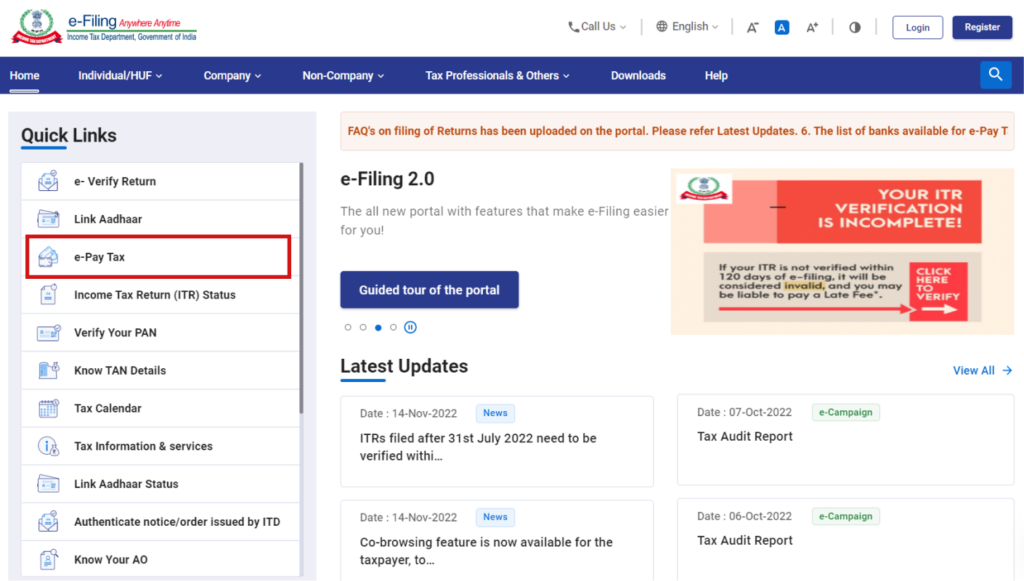
The final step in a successful online tax payment is the preservation of evidence. Every online transaction generates a confirmation number or a digital receipt. These should be saved immediately as PDFs and backed up in a secure, encrypted cloud storage environment.
In the event of a discrepancy or a future audit, these digital timestamps are your primary line of defense. They prove exactly when the payment was initiated and from which account. Integrating these receipts into your annual financial folder—alongside your W-2s, 1099s, and expense reports—creates a comprehensive financial history that simplifies future filings and provides a clear picture of your long-term tax trajectory.
Ultimately, mastering the art of paying taxes online is about taking control of your financial destiny. It moves the taxpayer from a reactive state of “handling the bill” to a proactive state of managing a recurring financial commitment with precision, security, and strategic foresight. In an era where every second and every dollar counts, the efficiency of digital tax payments is an essential skill for any financially savvy individual.
aViewFromTheCave is a participant in the Amazon Services LLC Associates Program, an affiliate advertising program designed to provide a means for sites to earn advertising fees by advertising and linking to Amazon.com. Amazon, the Amazon logo, AmazonSupply, and the AmazonSupply logo are trademarks of Amazon.com, Inc. or its affiliates. As an Amazon Associate we earn affiliate commissions from qualifying purchases.