
At its most fundamental level, a mortgage interest rate is the cost you pay a lender for the privilege of borrowing money to purchase a home. It is expressed as a percentage of the total loan amount and is charged on a periodic basis, typically monthly, as part of your mortgage payment. However, for anyone navigating the landscape of personal finance, a mortgage interest rate is far more than just a simple fee. It is a dynamic figure that dictates your monthly cash flow, the total amount of wealth you will build over decades, and your overall purchasing power in the real estate market.
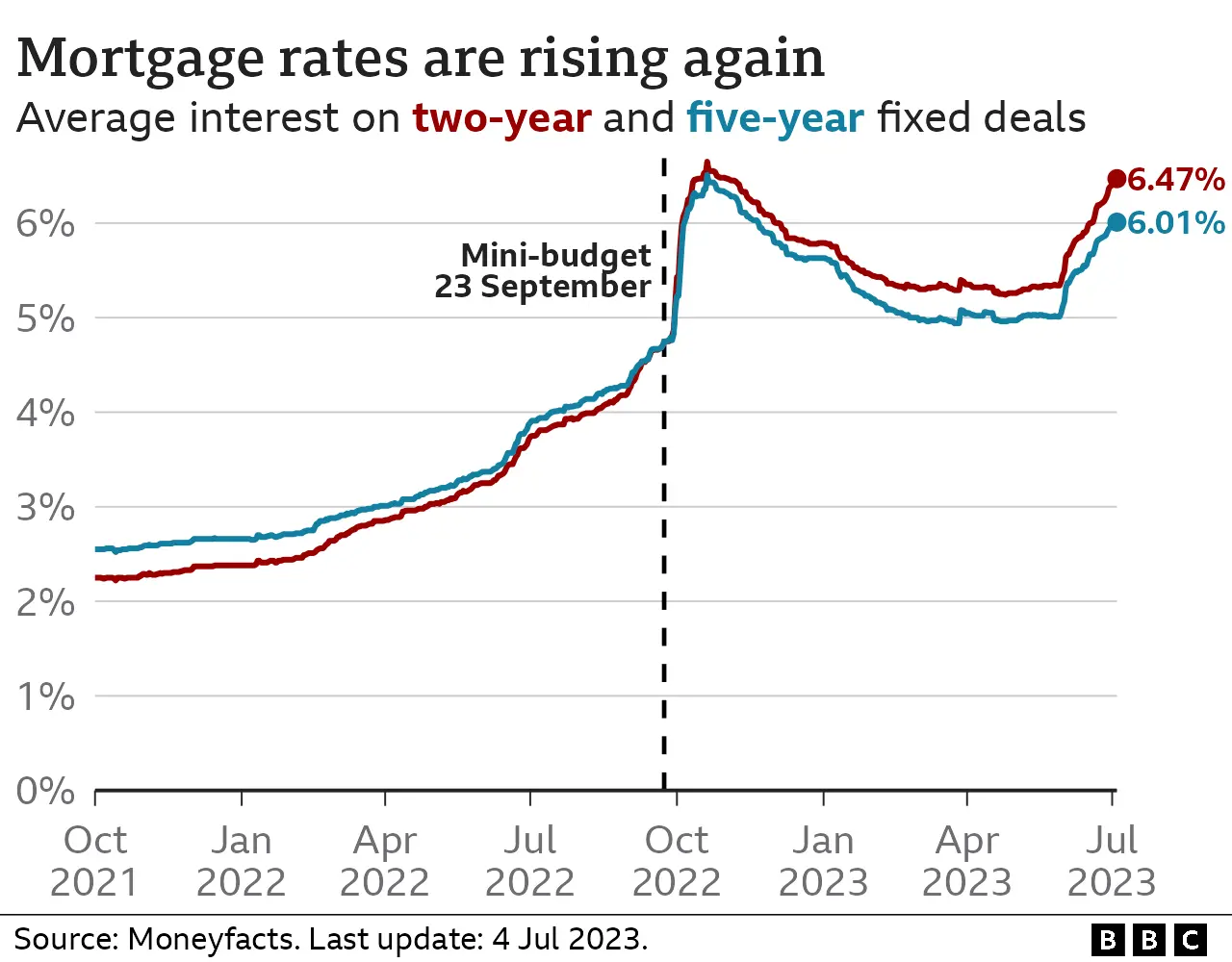
Understanding the mechanics of mortgage interest rates is essential for any prospective homeowner or investor. Because real estate is often the largest asset in a person’s portfolio, even a fraction of a percentage point difference in an interest rate can result in tens of thousands of dollars saved or lost over the life of the loan. To master your personal finances, you must look beyond the sticker price of a home and focus on the cost of the capital used to acquire it.
The Economic Drivers Behind Your Interest Rate
Mortgage interest rates do not exist in a vacuum. They are influenced by a complex interplay of macroeconomic factors, investor sentiment, and government policy. While a lender provides the specific quote, the range of that quote is largely determined by the broader financial environment.
The Role of the Federal Reserve
One of the most common misconceptions is that the Federal Reserve sets mortgage rates. In reality, the Fed sets the “federal funds rate,” which is the interest rate banks charge each other for overnight loans. While this doesn’t directly dictate what you pay on a 30-year fixed mortgage, it creates a ripple effect. When the Fed raises rates to combat inflation, the cost of borrowing for banks increases, which is then passed down to consumers in the form of higher mortgage rates. Conversely, when the Fed lowers rates to stimulate the economy, mortgage rates often follow suit.
Inflation and the Bond Market
Mortgage-backed securities (MBS) are investment products made up of bundles of home loans. These are traded on the bond market, and their yields are closely tied to the 10-year Treasury note. Because inflation erodes the purchasing power of the fixed interest payments generated by these bonds, investors demand higher yields when inflation is high. Consequently, when inflation expectations rise, mortgage interest rates typically climb to compensate investors for the decreased value of future dollars.
Personal Financial Indicators
While the economy sets the baseline, your specific profile determines where you fall within the lender’s range. Lenders view the interest rate as a reflection of risk. A borrower with a high credit score, a low debt-to-income (DTI) ratio, and a substantial down payment is considered low-risk and will be rewarded with a lower interest rate. A borrower with a history of late payments or a high level of existing debt represents a higher risk, necessitating a higher interest rate to offset the potential for default.
Interest Rate vs. APR: Understanding the Total Cost of Borrowing
When shopping for a mortgage, you will encounter two different percentages: the interest rate and the Annual Percentage Rate (APR). Distinguishing between the two is vital for accurate financial planning.
The Nominal Interest Rate
The interest rate is the actual percentage the lender charges on the principal balance of your loan. This is the figure used to calculate your monthly principal and interest payment. If you have a $400,000 loan with a 6% interest rate, your initial interest calculations are based strictly on that 6%.
The Annual Percentage Rate (APR)
The APR is a broader measure of the cost of your mortgage. It includes the interest rate plus other costs associated with the loan, such as broker fees, discount points, and certain closing costs. Because the APR incorporates these extra “upfront” costs and spreads them across the life of the loan, it is almost always higher than the interest rate.
For a savvy borrower, the APR is the more effective tool for comparing offers from different lenders. One lender might offer a lower interest rate but charge higher closing fees, while another offers a slightly higher rate with no fees. The APR levels the playing field, showing you the true annual cost of the debt.
Fixed-Rate vs. Adjustable-Rate Mortgages
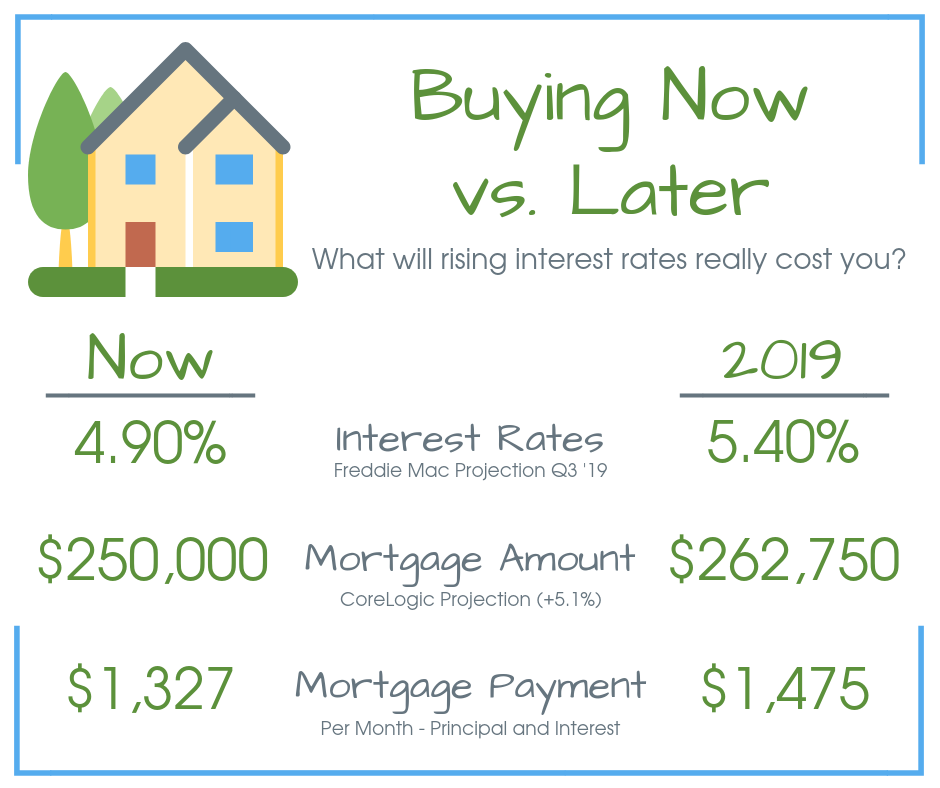
The structure of your interest rate is just as important as the percentage itself. The choice between a fixed-rate and an adjustable-rate mortgage (ARM) depends on your financial goals and your tolerance for risk.
Fixed-Rate Mortgages: Stability and Predictability
A fixed-rate mortgage locks in your interest rate for the entire duration of the loan, usually 15 or 30 years. This is the gold standard for personal financial stability. Because the rate never changes, your principal and interest payment remains constant, protecting you from future increases in market rates. This predictability makes it easier to budget long-term and build equity steadily.
Adjustable-Rate Mortgages (ARMs): Flexibility and Initial Savings
An ARM typically offers a lower “teaser” rate for an initial period—commonly five, seven, or ten years. After that period ends, the rate adjusts periodically based on a financial index. While the initial rate is lower than a fixed-rate mortgage, the risk is that your payments could increase significantly in the future. ARMs can be strategic tools for individuals who plan to sell the home or refinance before the initial fixed period ends, but they require a sophisticated understanding of market cycles.
Strategies to Secure a Lower Interest Rate
In the world of personal finance, a lower interest rate is one of the most powerful levers for wealth creation. There are several proactive steps you can take to ensure you receive the most competitive rate possible.
Optimizing Your Credit Profile
Your credit score is perhaps the single most influential factor in the rate you are offered. In the eyes of a lender, a score above 740 is generally required to access the “prime” rates. Before applying for a mortgage, it is wise to pay down revolving debt, avoid opening new credit lines, and ensure there are no errors on your credit report. Even a 20-point increase in your score could move you into a different pricing tier, saving you thousands.
Increasing the Down Payment
The Loan-to-Value (LTV) ratio is the amount of the loan divided by the value of the property. A lower LTV (achieved through a larger down payment) reduces the lender’s risk. If you can put down 20% or more, you not only avoid Private Mortgage Insurance (PMI) but often qualify for a lower interest rate. Lenders view borrowers with “skin in the game” as less likely to walk away from the property during a market downturn.
Buying Points
Discount points are a way to “buy down” your interest rate. One point typically costs 1% of the loan amount and reduces your interest rate by a predetermined amount (often 0.25%). This is a classic “math problem” in personal finance: you pay more upfront to save more every month. To determine if buying points is right for you, you must calculate the “break-even point”—how many months of lower payments it will take to recoup the initial cost of the points.
The Long-Term Impact on Wealth and Investing
A mortgage interest rate should not be viewed merely as a monthly expense; it is a critical component of your overall investment strategy. The rate you pay determines how quickly you build equity and how much of your income is diverted away from other investment opportunities.
Amortization and Interest Front-Loading
In the early years of a mortgage, the majority of your monthly payment goes toward interest rather than principal. A higher interest rate compounds this effect, meaning it takes much longer to build significant equity in the home. By securing a lower rate, more of your payment is applied to the principal from day one, accelerating your net worth growth.
Opportunity Cost
Every dollar spent on mortgage interest is a dollar that cannot be invested in the stock market, a retirement account, or a business venture. For example, if you are paying 7% interest on a mortgage, any alternative investment must realistically return more than 7% (after taxes) to be more profitable than paying down the mortgage. This makes the mortgage interest rate a “hurdle rate” for your other financial decisions.
Refinancing as a Wealth Tool
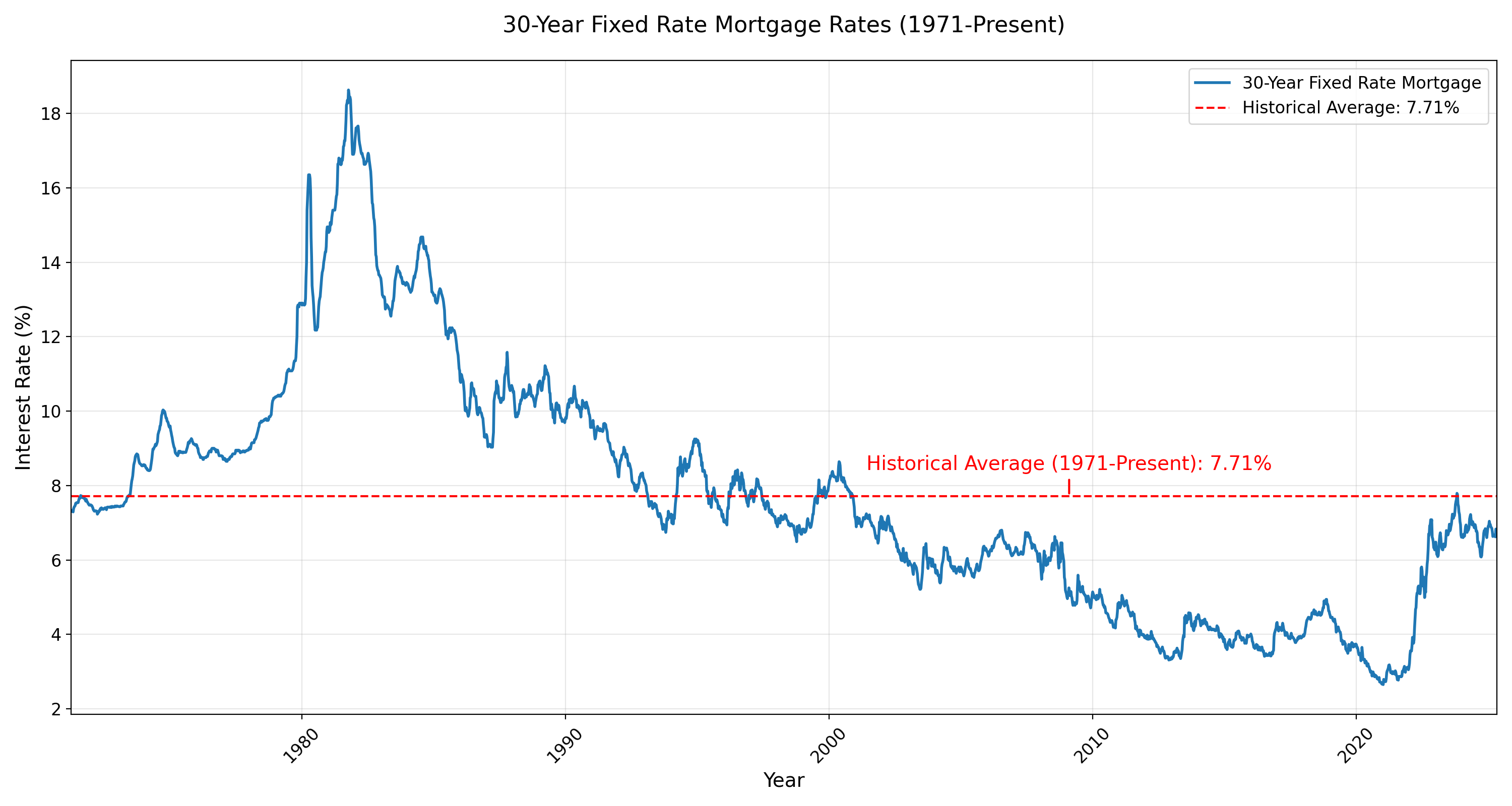
Understanding interest rates allows you to utilize refinancing as a tool to optimize your debt. If market rates drop significantly after you have purchased a home, or if your credit score has improved, refinancing into a lower rate can reduce your monthly overhead and free up capital for other investments. Conversely, “cash-out” refinances allow you to tap into your home’s equity at mortgage rates, which are typically much lower than personal loans or credit card rates, to fund home improvements or consolidate higher-interest debt.
In conclusion, a mortgage interest rate is the engine that drives the cost of homeownership. By understanding how these rates are set, the difference between interest and APR, and the strategies available to lower your costs, you can turn a standard liability into a controlled component of a successful financial plan. In the journey toward financial independence, mastering the nuances of interest rates is not just a benefit—it is a necessity.
aViewFromTheCave is a participant in the Amazon Services LLC Associates Program, an affiliate advertising program designed to provide a means for sites to earn advertising fees by advertising and linking to Amazon.com. Amazon, the Amazon logo, AmazonSupply, and the AmazonSupply logo are trademarks of Amazon.com, Inc. or its affiliates. As an Amazon Associate we earn affiliate commissions from qualifying purchases.