
In an increasingly dynamic and often unpredictable economic landscape, the pursuit of financial stability and, more ambitiously, financial freedom, has become a central goal for many. Traditional models of exchanging time directly for money, while foundational, often present limitations in terms of scalability and long-term security. This reality has propelled the concept of passive income to the forefront of financial discussions. Passive income, at its core, refers to earnings derived from an enterprise in which one is not actively involved, or from assets that generate income with minimal ongoing effort after the initial setup. It’s about building systems and assets that continue to pay you long after the initial work is done, allowing your money, or your previously invested time and effort, to work for you.
The allure of passive income is multifaceted. It offers the promise of reduced reliance on a traditional 9-to-5 job, paving the way for greater time freedom, the ability to pursue passions, and a more robust financial safety net. Imagine a scenario where your bills are covered by income streams that require little to no daily intervention from you. This isn’t just a pipe dream; it’s an achievable reality for those willing to invest the initial capital, time, or expertise required to build these income engines. This article will delve into various strategies and avenues for generating passive income, from traditional investment vehicles to innovative digital ventures, providing a comprehensive guide for anyone looking to cultivate a robust and resilient financial future.
Understanding Passive Income: The Foundation of Financial Freedom
Before diving into specific strategies, it’s crucial to grasp the fundamental principles of passive income. Often misunderstood, true passive income isn’t about getting rich quick without any effort; it’s about front-loading the effort or capital to create a system that yields returns over time.
Defining Passive Income vs. Active Income
The distinction between active and passive income is critical. Active income is what most people earn through a job where they trade their time and skills for a salary or hourly wage. This includes employment income, commissions, and income from actively managed businesses where you are a key operator. If you stop working, the active income stops.
Passive income, on the other hand, is income generated with little to no ongoing active involvement. This typically means you’ve invested significant time, money, or intellectual capital upfront to build an asset or system that then generates recurring revenue. Examples include rental income from properties, royalties from books or music, dividends from stocks, or profits from a fully automated online business. While some initial effort is always required, the defining characteristic is the low ongoing effort to maintain the income stream once established.
The Allure of Passive Income: Why It Matters
The appeal of passive income is immense, extending far beyond merely adding to one’s bank account. It represents a paradigm shift in how individuals approach their financial lives. Firstly, it offers financial security. A diversified portfolio of passive income streams can cushion against job loss, economic downturns, or unexpected expenses, providing a stable financial floor. Secondly, it grants time freedom. When your income isn’t solely tied to your working hours, you gain the liberty to spend your time as you wish – whether that’s pursuing hobbies, spending more time with family, traveling, or dedicating yourself to philanthropic endeavors. Thirdly, it fosters wealth creation. Passive income streams, especially those that are scalable or can be reinvested, accelerate the accumulation of wealth. They allow your money to compound, creating an exponential growth effect that active income alone often cannot match. This makes passive income a cornerstone for achieving long-term financial independence and early retirement.
Initial Effort and Long-Term Rewards
A common misconception is that passive income requires no effort. In reality, most successful passive income ventures demand a substantial initial investment of either time, money, or specialized knowledge. Building a robust rental property portfolio requires capital and property management skills. Creating a successful online course demands extensive content creation and marketing. Developing a profitable app needs coding skills and market research. However, once these systems are in place and optimized, the ongoing effort to maintain them is significantly reduced, yielding sustained financial rewards over the long term. This initial “sweat equity” or financial outlay is the critical hurdle, but overcoming it unlocks a powerful engine for enduring financial gain.
Investment-Based Passive Income Streams
One of the most traditional and reliable avenues for generating passive income involves leveraging financial and real assets. These strategies typically require an upfront capital investment, but once established, they can provide consistent returns with minimal day-to-day management.
Dividend Stocks and REITs (Real Estate Investment Trusts)
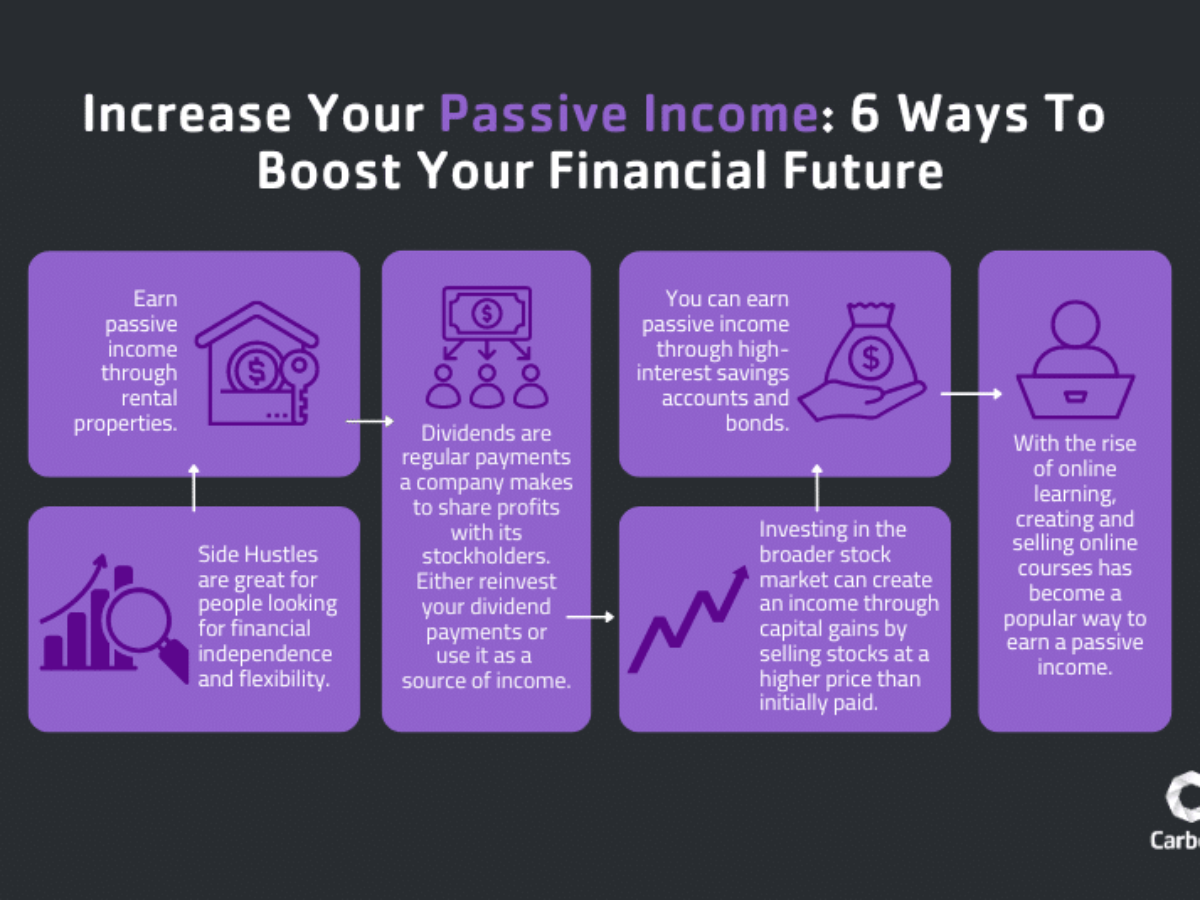
Investing in dividend-paying stocks is a classic passive income strategy. When you own shares in companies that consistently distribute a portion of their earnings to shareholders, you receive regular payments (typically quarterly). These companies are often established, financially stable entities across various sectors. The income is truly passive once the initial investment is made, though monitoring your portfolio is advisable.
Similarly, Real Estate Investment Trusts (REITs) offer an accessible way to invest in real estate without the complexities of direct property ownership. REITs are companies that own, operate, or finance income-producing real estate across various property types (e.g., apartments, offices, hotels, warehouses). They are legally required to distribute at least 90% of their taxable income to shareholders annually, making them excellent vehicles for passive income through dividends.
Peer-to-Peer Lending and High-Yield Savings Accounts
Peer-to-Peer (P2P) lending platforms connect individual lenders with borrowers, bypassing traditional banks. As a lender, you can invest in various loans (personal, business, auto, etc.) and earn interest on your contributions. While offering potentially higher returns than traditional savings, P2P lending comes with inherent risks, including borrower default. Diversifying your investments across many small loans can mitigate this risk.
For the extremely risk-averse, high-yield savings accounts and Certificates of Deposit (CDs) offer a secure, albeit lower-return, form of passive income. While interest rates are typically modest, these options provide guaranteed returns on your deposits, making them suitable for emergency funds or short-term savings goals where capital preservation is paramount.
Rental Properties (Real Estate)
Owning rental properties is a tangible and often lucrative path to passive income. This involves purchasing residential or commercial properties and leasing them to tenants. The rental income collected, after covering mortgage payments, property taxes, insurance, and maintenance, constitutes your passive profit. While it requires significant capital and initial effort in property acquisition and tenant screening, professional property management services can handle most of the day-to-day operations, making it highly passive for the owner. Strategies range from single-family homes and multi-unit dwellings to vacation rentals and commercial spaces.
Bonds and Annuities
Bonds represent loans made by an investor to a borrower (typically a corporation or government entity). In return for lending your money, you receive regular interest payments over a specified period, after which your principal is returned. Bonds are generally considered lower-risk investments than stocks and provide a predictable stream of passive income.
Annuities are financial products primarily offered by insurance companies, designed to provide a steady income stream in retirement. You pay a lump sum or make regular payments to the insurer, who then pays you back, often starting at a specified future date, typically for the rest of your life. While they can be complex and involve various fees, annuities offer a guaranteed passive income stream, providing peace of mind during retirement.
Digital and Content-Based Passive Income
The internet has revolutionized passive income generation, opening up countless opportunities for individuals to leverage their knowledge, creativity, and digital assets to earn money with minimal ongoing intervention. These strategies often require significant upfront content creation or system development.
Affiliate Marketing
Affiliate marketing involves promoting other companies’ products or services. When someone makes a purchase through your unique affiliate link, you earn a commission. This can be done through blogs, social media, email newsletters, or dedicated review sites. The income is passive because once the content with the affiliate link is published, it can continue to generate sales long after the initial creation, requiring only periodic updates or promotion. Success hinges on building trust with an audience and driving targeted traffic to your recommendations.
Creating and Selling Digital Products (eBooks, Courses, Templates)
Leveraging your expertise to create and sell digital products is a highly scalable passive income strategy. This includes writing eBooks, developing online courses, designing digital templates (for websites, social media, or documents), or creating stock photos/videos. Once the product is created, hosted on a platform (like Gumroad, Teachable, Etsy, or your own website), and marketed, sales can continue indefinitely with little additional effort beyond customer support and occasional updates. The beauty of digital products is their infinite reproducibility at virtually no cost.

YouTube and Ad Revenue
For those comfortable in front of a camera or skilled in video production, a YouTube channel can become a significant source of passive income. By consistently creating valuable or entertaining video content, you can build an audience. Once your channel meets specific criteria (e.g., subscriber count, watch hours), you can monetize it through YouTube Partner Program, earning a share of the advertising revenue displayed on your videos. Older videos continue to accrue views and generate income long after they are uploaded, making it a form of evergreen passive income, provided the content remains relevant.
Stock Photography and Videography
If you have a knack for photography or videography, you can turn your creative output into a passive income stream by selling your work to stock photo and video agencies (e.g., Shutterstock, Adobe Stock, Getty Images). Once your images or footage are uploaded and approved, they can be licensed repeatedly by individuals and businesses around the world, earning you a royalty each time. This is a classic “create once, sell many times” model, requiring minimal effort after the initial submission.
Royalty Income (Music, Books, Patents)
Beyond digital products, royalty income is a powerful form of passive earnings. Authors earn royalties from book sales, musicians from song plays and licensing, and inventors from patented inventions. While the initial creation of the underlying intellectual property (a book, a song, a patented device) requires significant effort and talent, the income generated from its usage or sales is truly passive, flowing in over time as the asset continues to be utilized or sold. This evergreen nature makes royalties an attractive long-term income strategy.
Business and Asset-Based Passive Income
Beyond traditional investments and digital ventures, there are strategies focused on establishing automated business models or acquiring physical assets that generate income independently. These often require a significant upfront investment of capital, time, or both, but can yield substantial passive returns.
Vending Machines and Laundromats
Investing in vending machines or laundromats represents a tangible, asset-based approach to passive income. With vending machines, you purchase and stock machines, finding suitable locations (e.g., offices, schools, public spaces). Once set up, they generate income from sales with minimal ongoing effort, mainly requiring periodic restocking and maintenance. Similarly, a laundromat involves purchasing or leasing a space, equipping it with commercial washing and drying machines, and potentially hiring a part-time attendant or utilizing smart payment systems. While there’s an initial capital outlay and some operational oversight, the income from machine usage is largely passive, especially if managed efficiently.
Licensing Your Ideas or Creations
If you’ve developed an innovative product, a unique software, or a compelling brand concept, you can generate passive income by licensing your intellectual property to other companies. This involves granting another entity the right to use your creation (e.g., a product design, a software algorithm, a character) in exchange for royalty payments or licensing fees. This allows you to monetize your ideas without the complexities of manufacturing, marketing, or distribution yourself. The upfront work is in creation and patenting/trademarking, but the income stream, once a licensing agreement is in place, is largely passive.
Building and Selling Software/Apps (with maintenance/subscriptions)
For those with technical skills, developing and selling software or mobile applications can create a highly scalable passive income stream. This could involve creating a niche utility app, a game, or a SaaS (Software as a Service) product that users pay a subscription for. While the initial development and marketing are intensive, once the software is launched and gains traction, it can generate recurring revenue through subscriptions, in-app purchases, or advertisements. Ongoing effort would involve bug fixes, updates, and customer support, but a well-designed and stable product can largely run itself, making the bulk of the income passive.
Automated Online Stores (Dropshipping, Print-on-Demand)
Setting up an automated online store offers a way to sell physical products without holding inventory. Dropshipping involves partnering with suppliers who directly ship products to your customers. Your role is primarily marketing and customer service. Once the store is built and automated, sales can occur 24/7 with minimal direct intervention. Similarly, print-on-demand (POD) allows you to create designs for various products (t-shirts, mugs, phone cases) which are then printed and shipped by a third-party supplier only when a customer places an order. Both models remove the need for inventory management and fulfillment, making them highly passive after the initial store setup and marketing efforts.
Building and Sustaining Your Passive Income Portfolio
Cultivating a robust passive income portfolio isn’t a one-time event; it’s an ongoing journey that requires strategic planning, diversification, and a long-term mindset. Successfully transitioning to a life enriched by passive income involves more than just selecting the right strategies; it demands discipline, patience, and a willingness to adapt.
Start Small, Think Big
The journey to significant passive income often begins with modest steps. It’s unrealistic for most to jump into large-scale real estate investments or immediately launch a wildly successful online course. Instead, begin with strategies that align with your current resources, skills, and risk tolerance. This might mean starting with a small investment in dividend stocks, creating a single digital product, or even just opening a high-yield savings account. The key is to start somewhere, gain experience, learn from your initial ventures, and gradually scale up. Each small success builds momentum and confidence, enabling you to tackle larger, more complex opportunities over time. The “think big” aspect ensures you always have an overarching vision for your financial future, guiding your smaller, incremental decisions.
Diversification is Key
Putting all your eggs in one basket is a risky proposition, especially with passive income streams. Just as with active investments, diversification is crucial for stability and resilience. Relying solely on one type of passive income source leaves you vulnerable to market fluctuations or unforeseen challenges specific to that niche. For instance, if your only passive income is from a single rental property, a long vacancy period or a major repair could halt your income.
Instead, aim to build a portfolio that includes a mix of investment-based, digital, and potentially business-based passive income streams. This might mean owning dividend stocks, operating an affiliate marketing blog, and having a small P2P lending portfolio. By spreading your passive income sources across different asset classes and industries, you mitigate risk and create a more robust financial safety net, ensuring that if one stream falters, others can continue to generate income.
Reinvesting for Growth
One of the most powerful accelerators of passive income growth is reinvestment. Rather than immediately spending all the passive income you generate, strategically reinvesting a portion of it back into your existing streams or into new opportunities can dramatically compound your returns over time. For instance, reinvesting dividends to purchase more shares of dividend-paying stocks increases your future dividend payouts. Using profits from digital product sales to fund advertising for a new product launch expands your reach and potential sales.
This strategy leverages the power of compounding, where your earnings begin to generate their own earnings, creating an exponential growth curve. Early in your passive income journey, prioritizing reinvestment over immediate consumption can significantly shorten the time it takes to achieve substantial financial independence.
Continuous Learning and Adaptation
The world of finance, technology, and business is constantly evolving. What works today might be less effective tomorrow. Therefore, a commitment to continuous learning and adaptation is paramount for sustaining and growing your passive income. Stay informed about market trends, new technologies, and changes in consumer behavior. Read financial news, follow industry leaders, take relevant courses, and network with other passive income earners.
Be prepared to pivot, optimize, and innovate. If an affiliate marketing niche becomes saturated, explore new ones. If a digital product stops selling well, update it or create a new one. The ability to learn, adapt, and iterate on your strategies ensures that your passive income streams remain relevant, profitable, and resilient against changing conditions.

The Mindset of a Passive Income Earner
Beyond specific strategies and tactics, cultivating the right mindset is perhaps the most critical component for success. This involves patience, perseverance, and a long-term perspective. Passive income is rarely “get rich quick”; it’s “get rich slow, then get rich faster.” There will be initial hurdles, failures, and periods where progress feels slow. A strong belief in the long-term vision, coupled with the discipline to consistently put in the upfront work, is essential.
Embrace a mindset of abundance, creativity, and problem-solving. View challenges as opportunities to learn and refine your approach. Understand that while the income is passive, the journey to build it is active and demanding. With dedication, strategic execution, and a resilient mindset, the dream of generating significant passive income and unlocking true financial freedom is well within reach.
aViewFromTheCave is a participant in the Amazon Services LLC Associates Program, an affiliate advertising program designed to provide a means for sites to earn advertising fees by advertising and linking to Amazon.com. Amazon, the Amazon logo, AmazonSupply, and the AmazonSupply logo are trademarks of Amazon.com, Inc. or its affiliates. As an Amazon Associate we earn affiliate commissions from qualifying purchases.