
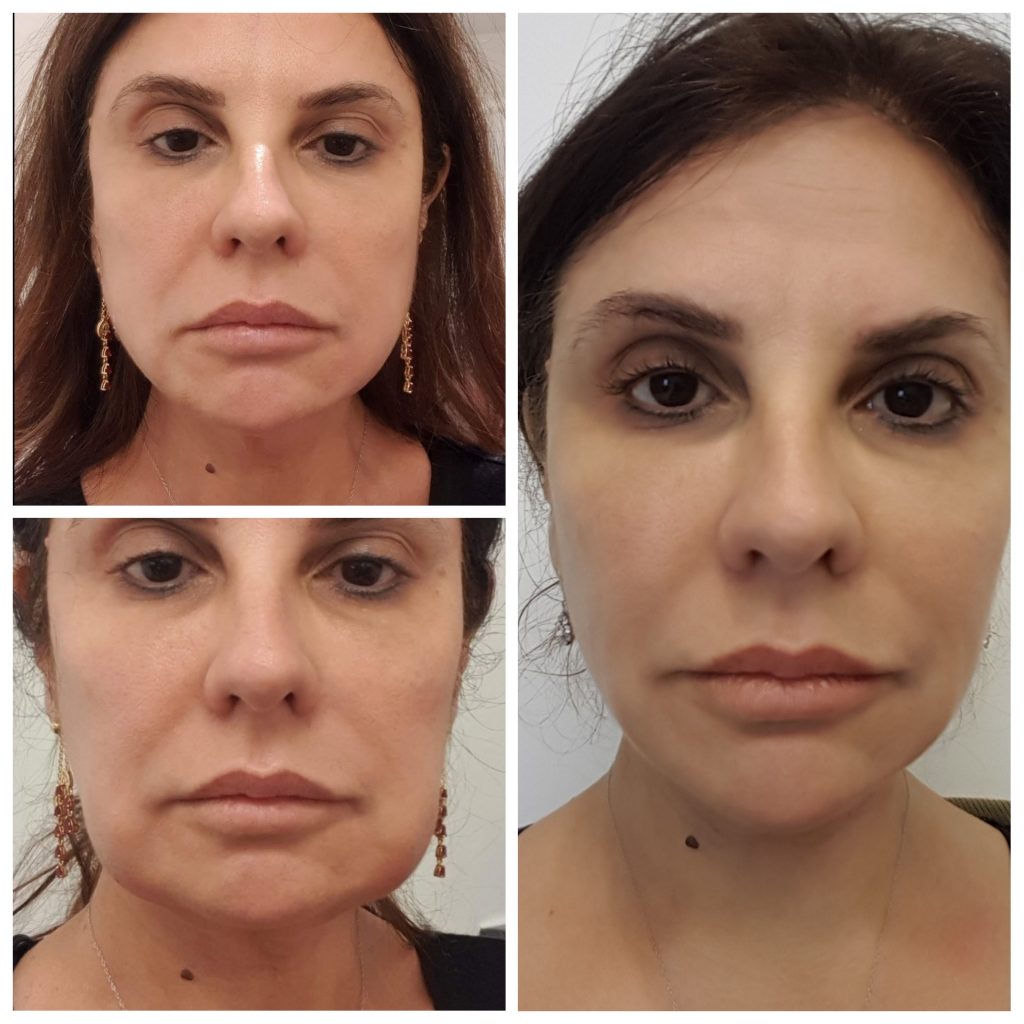
The pursuit of a more youthful and defined facial contour has driven significant innovation in aesthetic medicine. For many, the appearance of jowls—the sagging skin and fat that develop along the jawline—is a primary concern. While surgical facelifts have long been the gold standard, advancements in technology have ushered in an era of highly effective non-surgical alternatives. These cutting-edge treatments leverage sophisticated engineering and scientific principles to deliver noticeable results without the downtime, risks, or invasiveness associated with surgery. Identifying the “best” non-surgical treatment for jowls often depends on individual factors such as skin laxity, fat volume, and desired outcomes, but the underlying technological prowess of these options is what truly sets them apart.
The Technological Evolution of Facial Rejuvenation
The landscape of aesthetic treatments has been fundamentally transformed by technology. Decades ago, options for significant facial rejuvenation were largely limited to surgical interventions. However, continuous research and development in fields like physics, material science, and bio-engineering have paved the way for a new generation of non-invasive and minimally invasive solutions. These technologies harness various forms of energy, from ultrasound and radiofrequency to focused light and microcurrents, to target the specific physiological mechanisms responsible for skin laxity and volume loss. The objective is to stimulate the body’s natural regenerative processes, primarily collagen and elastin production, and to remodel existing tissues, thereby providing a visible lift and tightening effect. This technological shift not only offers more choices but also democratizes access to effective anti-aging solutions, allowing individuals to address concerns like jowls with precision and safety.
Advanced Energy-Based Devices: Precision and Efficacy
At the forefront of non-surgical jowl treatment are sophisticated energy-based devices. These systems represent a pinnacle of engineering, designed to deliver controlled energy into specific depths of the skin and underlying tissues, eliciting a targeted therapeutic response.
High-Intensity Focused Ultrasound (HIFU): Pinpointing Sagging
High-Intensity Focused Ultrasound (HIFU) represents a significant leap in non-surgical lifting technology. Devices like Ultherapy and Sofwave utilize highly focused ultrasonic waves to create thermal coagulation points at precise depths, typically reaching the superficial muscular aponeurotic system (SMAS) layer—the same foundational layer addressed in a surgical facelift. The technological brilliance of HIFU lies in its ability to bypass the skin’s surface, delivering concentrated energy directly to where it’s most needed. This precision is achieved through advanced transducer technology that controls the focal depth and intensity of the ultrasound waves. The resultant micro-injuries trigger a natural wound-healing response, leading to the production of new collagen and elastin, which in turn lifts and tightens the jowl area over several months. The sophisticated imaging capabilities integrated into many HIFU devices allow practitioners to visualize the tissue layers being treated in real-time, ensuring optimal placement and safety of energy delivery.
Radiofrequency (RF) Technology: Collagen Remodeling
Radiofrequency (RF) technology is another cornerstone of non-surgical skin tightening. Devices such as Thermage FLX, Morpheus8, and Exilis Ultra use electrical currents to generate heat within the dermal layers. The science behind RF involves creating a controlled thermal injury that denatures existing collagen fibers, causing an immediate contraction, and more importantly, stimulates fibroblasts to produce new collagen and elastin over time. RF technology has evolved considerably, moving from bulk heating systems to more advanced fractional and microneedling RF platforms. Fractional RF delivers energy through an array of tiny electrodes, creating microscopic treatment zones while sparing surrounding tissue, leading to faster recovery. Microneedling RF combines the collagen-inducing effects of microneedling with deep RF heating, allowing for precise energy delivery directly into the dermis. The technological sophistication of these devices includes real-time temperature monitoring systems, impedance matching, and various tip configurations to ensure safe, effective, and customizable treatments for different skin types and areas, including the challenging jowl region.
Laser and Light Therapies: Surface to Sub-dermal Tightening
While often associated with skin resurfacing and pigment correction, certain laser and light therapies also play a crucial role in improving jowls by enhancing skin quality and promoting tightening. Fractional lasers, such as CO2 and erbium-YAG, create microscopic columns of thermal injury, stimulating collagen production and improving skin texture, which can contribute to a firmer appearance. The precision of laser technology allows for controlled ablation or non-ablative heating to target specific chromophores within the skin. Broadband Light (BBL) and Intense Pulsed Light (IPL) systems, while primarily used for photodamage, can also induce mild skin tightening through heat generation, improving overall skin tone and elasticity. The engineering behind these devices allows for adjustable wavelengths, pulse durations, and energy settings, offering a customizable approach to address not only the skin’s surface but also its underlying structural integrity, thereby subtly contributing to jowl improvement.
The Role of Digital Innovation and AI in Personalized Jowl Treatment
The integration of digital innovation, particularly Artificial Intelligence (AI), is transforming how non-surgical jowl treatments are planned, executed, and optimized, moving beyond a one-size-fits-all approach to highly personalized solutions.
AI-Powered Diagnostics and Treatment Planning
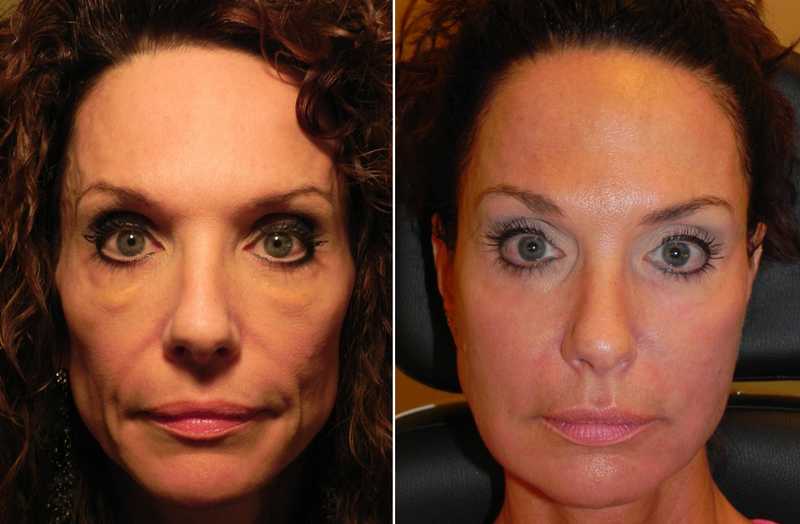
AI algorithms are increasingly employed in facial analysis software to provide objective assessments of skin laxity, fat distribution, and underlying anatomical structures contributing to jowls. These intelligent systems can analyze high-resolution images and 3D scans, identifying subtle asymmetries and areas of concern with greater precision than the human eye. Based on this data, AI can assist practitioners in formulating personalized treatment plans, recommending the optimal combination of energy-based devices, depths of treatment, and energy settings for each patient. This data-driven approach minimizes guesswork, enhances predictability of outcomes, and ensures that the “best” treatment is truly tailored to the individual’s unique facial anatomy and aesthetic goals.
Augmented Reality (AR) for Visualization
Augmented Reality (AR) technology is revolutionizing patient consultation by allowing individuals to visualize potential treatment outcomes before undergoing a procedure. AR applications can overlay simulated results onto a patient’s live image or 3D scan, providing a realistic preview of how their jowls might appear after specific non-surgical interventions. This not only manages patient expectations more effectively but also empowers individuals to make more informed decisions about their aesthetic journey. The interactive nature of AR fosters better communication between patient and practitioner, ensuring alignment on desired results and the technological path to achieve them.
Data-Driven Optimization
Beyond individual patient care, AI and digital platforms contribute to the broader optimization of non-surgical jowl treatments. By aggregating and analyzing vast amounts of anonymized patient data—including treatment parameters, patient demographics, and outcome metrics—AI can identify patterns and correlations that lead to improved protocols and device designs. This continuous feedback loop drives innovation, allowing manufacturers to refine their technologies and practitioners to enhance their techniques, ultimately leading to more consistently effective and safer treatments for jowls worldwide.
At-Home Tech Gadgets: Accessibility and Maintenance
The technological wave has also brought effective non-surgical jowl solutions into the consumer market, offering accessible tools for maintenance and mild improvement.
Microcurrent Devices: Muscle Toning and Lifting
At-home microcurrent devices, such as those from NuFace or Foreo, utilize low-level electrical currents to gently stimulate facial muscles. The technology behind microcurrent devices involves mimicking the body’s natural electrical impulses, which can help to tone and lift the facial contours, including the jowl area, by encouraging muscle contraction and stimulating cellular activity. While their effects are generally more subtle and temporary compared to professional energy-based treatments, these handheld gadgets offer a convenient, daily solution for maintaining muscle tone and improving circulation. Many come with companion apps that provide guided treatment routines, making the technology user-friendly and effective for consistent at-home use.
At-Home RF and LED Devices: Sustaining Results
Miniaturized versions of professional Radiofrequency (RF) and Light Emitting Diode (LED) devices are also available for home use. At-home RF devices deliver lower levels of energy compared to clinical systems but can, with consistent use, help stimulate collagen production and improve skin firmness over time. Similarly, LED masks and handheld devices emit specific wavelengths of light (e.g., red light) known to promote collagen synthesis and improve skin health, indirectly contributing to a firmer appearance around the jawline. The engineering of these consumer devices focuses on safety and ease of use, often incorporating smart sensors and automated timers to ensure proper application. While they cannot replicate the intensity or depth of professional treatments, these gadgets serve as excellent complements, helping to sustain and enhance the results achieved in a clinical setting and empowering individuals to take an active role in their skin’s health.
Navigating the Tech Landscape: Choosing Your Non-Surgical Solution
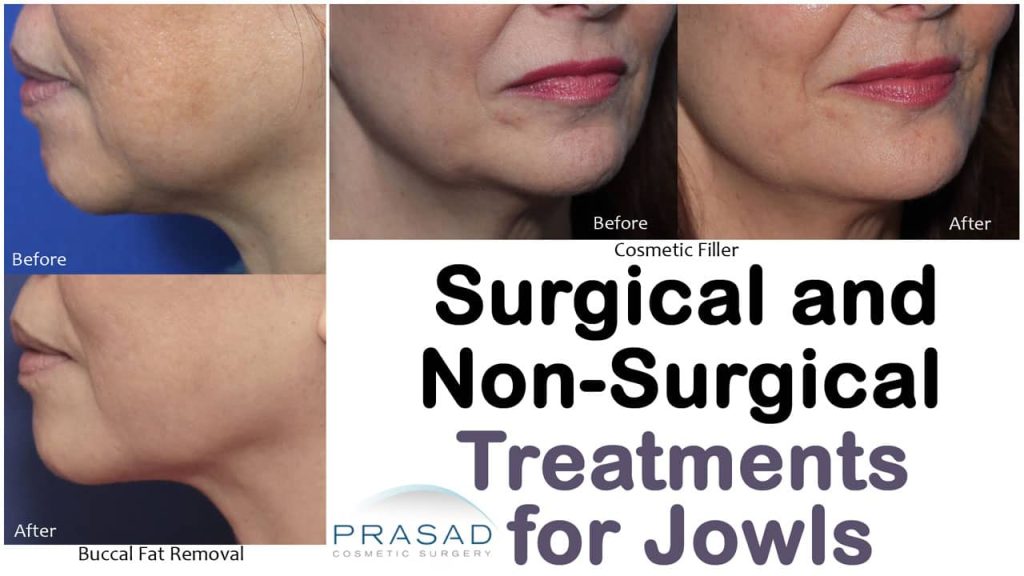
Choosing the “best” non-surgical treatment for jowls in today’s technologically rich environment requires careful consideration. It involves understanding the specific mechanisms of action of each device, evaluating the scientific evidence supporting its efficacy, and ensuring its suitability for your individual needs. The ultimate decision should be made in consultation with a qualified practitioner who possesses a deep understanding of the various technologies available. They can assess your skin laxity, underlying facial structure, and aesthetic goals to recommend the most appropriate technology or combination of technologies. The future of non-surgical jowl treatment is undoubtedly intertwined with continued technological advancements, promising even more refined, effective, and personalized solutions for achieving a well-defined and youthful jawline without surgical intervention.
aViewFromTheCave is a participant in the Amazon Services LLC Associates Program, an affiliate advertising program designed to provide a means for sites to earn advertising fees by advertising and linking to Amazon.com. Amazon, the Amazon logo, AmazonSupply, and the AmazonSupply logo are trademarks of Amazon.com, Inc. or its affiliates. As an Amazon Associate we earn affiliate commissions from qualifying purchases.