
The landscape of healthcare is undergoing a profound digital transformation, with technology serving as the primary catalyst for enhanced accessibility and efficiency. Among the most significant advancements is the rise of online pharmacies, often referred to as e-pharmacies. These digital platforms have revolutionized how individuals access prescription medications and over-the-counter drugs, moving beyond traditional brick-and-mortar establishments to a world where a pharmacy is just a click or a tap away. This article delves into the technological underpinnings of ordering drugs online, offering an insightful guide to navigating this increasingly complex yet convenient digital domain. From understanding the sophisticated platforms that power these services to ensuring digital security and leveraging advanced features, we will explore the tech-driven journey of medication procurement.
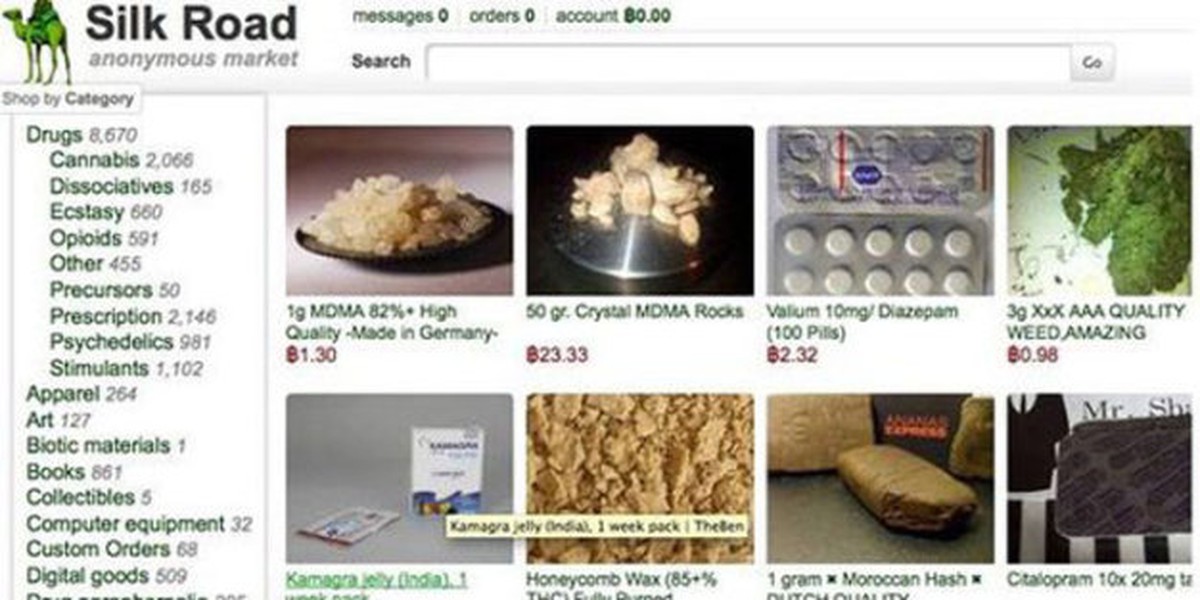
The Digital Transformation of Pharmacy: An Overview of E-Pharmacy Platforms
The transition of pharmaceutical services to the digital realm is not merely about replicating a physical store online; it involves a complete overhaul of processes, driven by advanced technological solutions. E-pharmacies represent a fusion of healthcare, e-commerce, and sophisticated data management, offering unparalleled convenience alongside new challenges.
Evolution of Online Prescriptions
The journey of online prescription services began with simple websites listing medications, gradually evolving into comprehensive digital ecosystems. Early iterations were often limited to specific regions and relied heavily on manual verification processes. However, advancements in secure data transmission, digital signature technology, and interoperable health information systems have paved the way for more seamless and secure electronic prescribing. Today, e-prescribing systems allow healthcare providers to send prescriptions directly to a patient’s chosen online pharmacy, minimizing errors, reducing fraud, and significantly speeding up the fulfillment process. This digital shift has been instrumental in modernizing medication management, moving from paper-based systems to integrated electronic health records (EHRs).
Key Features of Modern E-Pharmacy Websites and Apps
Modern e-pharmacy platforms are far more than just online storefronts. They are sophisticated applications designed to provide a full spectrum of services. Typically, these platforms feature intuitive user interfaces, advanced search functionalities for medications, detailed drug information databases, and personalized user accounts. Users can manage their prescriptions, view past orders, track deliveries in real-time, and often set up automatic refill reminders. Behind these user-friendly interfaces lies a complex architecture of content management systems (CMS), secure databases for patient information and prescription history, and integration with supply chain management (SCM) software to ensure efficient inventory and logistics. Mobile applications further enhance accessibility, offering push notifications for refills, appointment reminders, and even direct communication with pharmacists through secure messaging features.
Telemedicine Integration: The Virtual Doctor’s Visit
A significant technological synergy has emerged between e-pharmacy and telemedicine. Many leading online pharmacies are now integrated with virtual healthcare platforms, allowing patients to consult with licensed medical professionals remotely. Through secure video conferencing and digital diagnostic tools, doctors can assess conditions, provide diagnoses, and issue electronic prescriptions directly to an affiliated online pharmacy. This integration streamlines the entire patient journey, from initial consultation to medication delivery, all within a digital ecosystem. It leverages robust telehealth platforms that adhere to strict data security and privacy regulations, making healthcare more accessible, especially for individuals in remote areas or those with mobility challenges.
Navigating the Online Ordering Process: A Step-by-Step Tutorial
Understanding the underlying technology is crucial, but equally important is knowing how to effectively and securely utilize these platforms. The process of ordering drugs online, while designed for user-friendliness, involves several technical steps to ensure accuracy, safety, and compliance.
Finding Reputable Online Pharmacies and Providers
The first step in secure online medication ordering is identifying legitimate and reputable e-pharmacies. This involves technological due diligence. Users should look for websites with secure socket layer (SSL) encryption (indicated by “https://” in the URL and a padlock icon), which encrypts data transmitted between the user’s browser and the website. Beyond basic security, verifying the pharmacy’s accreditation is critical. In many regions, regulatory bodies (e.g., NABP in the US, GPhC in the UK) provide accreditation programs for online pharmacies. Legitimate online pharmacies will prominently display their licenses and accreditation seals, often linked to the issuing authority’s verification page, which confirms their operational legality and adherence to pharmaceutical standards. Tools and browser extensions can also help identify suspicious websites.
Uploading and Verifying Prescriptions Digitally
For prescription medications, the process typically begins with submitting a valid prescription. This can occur in several tech-enabled ways:
-
Electronic Prescribing (e-Prescribing): The most secure and efficient method, where a healthcare provider directly transmits the prescription to the online pharmacy via a secure digital network. This eliminates paper trails and manual data entry errors.
-
Digital Upload: Patients may upload a photo or scan of a paper prescription. Reputable online pharmacies employ advanced image recognition and verification software, alongside human review, to authenticate these uploads against stringent regulatory requirements.
-
Prescription Transfer: Some platforms facilitate transferring existing prescriptions from a physical pharmacy, often requiring digital consent and secure communication between the pharmacies.
Behind the scenes, robust data validation algorithms and secure messaging protocols ensure that the right medication, dosage, and patient information are processed correctly.
Understanding Medication Information and Interactions
A critical technological feature of online pharmacies is their comprehensive medication information databases. These platforms leverage extensive pharmaceutical data, often integrating with clinical decision support systems, to provide users with detailed information about each drug. This includes dosage instructions, potential side effects, contraindications, and crucial drug-drug interaction warnings. Advanced search and filtering tools allow users to compare medications, understand generic alternatives, and access educational resources. Some platforms use AI-driven algorithms to flag potential interactions based on a patient’s prescription history, offering an additional layer of safety that mirrors, and sometimes surpasses, the human pharmacist’s vigilance.
Secure Payment Gateways and Shipping Logistics
The final steps in the ordering process involve secure financial transactions and efficient logistics. Online pharmacies utilize industry-standard secure payment gateways, such as PCI DSS compliant systems, to process credit card information and other digital payment methods. These systems employ advanced encryption (e.g., AES-256) and tokenization to protect sensitive financial data. Post-purchase, sophisticated logistics and supply chain technologies come into play. Order fulfillment systems integrate with warehouse management software and courier services, providing real-time tracking information to the customer. Many e-pharmacies also employ specialized packaging and temperature-controlled shipping for sensitive medications, leveraging IoT (Internet of Things) devices for environmental monitoring during transit, ensuring product integrity until delivery.
Digital Security and Privacy in Online Drug Ordering
The nature of health information makes digital security and privacy paramount when ordering medications online. E-pharmacies handle highly sensitive personal health information (PHI) and financial data, making them prime targets for cyber threats. Robust technological safeguards are therefore essential.
Protecting Personal Health Information (PHI)

The cornerstone of digital security in healthcare is the protection of PHI. Reputable online pharmacies adhere to strict regulatory frameworks such as HIPAA (Health Insurance Portability and Accountability Act) in the US, GDPR (General Data Protection Regulation) in Europe, and similar data protection laws globally. This involves implementing end-to-end encryption for all data in transit and at rest, multi-factor authentication (MFA) for user accounts, and stringent access controls to databases. Data centers storing PHI are typically highly secured, often with physical security measures and advanced intrusion detection systems, managed by specialized cybersecurity teams.
Identifying Secure Websites and Phishing Scams
Users must be equipped with the technological literacy to distinguish legitimate online pharmacies from malicious websites and phishing attempts. As mentioned, the “https://” and padlock icon are basic indicators of an encrypted connection. However, phishing scams often mimic legitimate sites. Users should look for inconsistencies in URLs, grammatical errors, unusually low prices that seem too good to be true, and requests for excessive personal information. Furthermore, modern web browsers often have built-in security features that warn users about potentially dangerous sites, leveraging constantly updated blacklists of known malicious domains. Regular software updates on personal devices also patch vulnerabilities that could be exploited by such scams.
The Role of Encryption and Data Protection Standards
Encryption is the backbone of digital security for online pharmacies. Secure Sockets Layer/Transport Layer Security (SSL/TLS) encryption protects data during transmission, while robust encryption standards like Advanced Encryption Standard (AES) are used for data stored on servers. Beyond encryption, data protection standards dictate how data is collected, processed, and stored. Compliance with frameworks like ISO 27001 for information security management and regular security audits by third-party experts ensure that these platforms maintain high standards of data integrity and confidentiality. These technical measures are crucial in building trust and protecting sensitive patient data from breaches.
Verifying Pharmacy Licensing and Accreditation
Technological tools also aid in verifying the legitimacy and licensing of online pharmacies. National pharmacy boards and associations often provide online databases or verification tools where consumers can check if an online pharmacy is licensed in their jurisdiction and if it has a clean record. For instance, the National Association of Boards of Pharmacy (NABP) in the US offers its .Pharmacy verified website program, which provides a digital seal of approval. Hovering over or clicking these seals should lead to the official verification page, confirming the legitimacy of the digital pharmacy’s operations and its adherence to state and federal laws. This digital traceability is a key technological safeguard.
Optimizing Your Online Pharmacy Experience with Technology
Beyond the basic ordering process and security, technology offers numerous ways to enhance and personalize the online pharmacy experience, making medication management more efficient and user-centric.
Leveraging AI for Medication Reminders and Refills
Artificial intelligence (AI) is playing an increasingly vital role in optimizing the online pharmacy experience. AI-powered algorithms analyze prescription histories and medication schedules to send intelligent reminders for doses and refills. These systems can learn user habits and adjust notification timings for maximum efficacy. For chronic conditions, AI can automate refill requests, sending them to healthcare providers or directly processing them through the e-pharmacy platform, significantly reducing the administrative burden on patients and ensuring medication adherence. Predictive analytics can even forecast potential medication shortages based on demand patterns, allowing pharmacies to proactively manage inventory.
Comparing Prices and Automating Prescriptions
Technology empowers consumers to make more informed financial decisions regarding their medications. Many online pharmacies and third-party platforms integrate price comparison tools that scan various sources for the best prices on prescription drugs, factoring in insurance coverage and discount programs. Automation extends to the prescription process itself, where users can set up recurring orders for maintenance medications, ensuring they never run out. Some platforms even connect with insurance providers’ APIs to automatically calculate co-pays and deductibles in real-time, providing transparency in medication costs before checkout.
Utilizing Digital Health Records for Seamless Management
The integration of online pharmacy platforms with broader digital health records (DHRs) or personal health records (PHRs) creates a seamless ecosystem for health management. When an e-pharmacy can securely access a patient’s DHR, it allows for a more comprehensive view of their medical history, allergies, and other medications. This integration reduces the need for repeated data entry, minimizes errors, and facilitates better coordination of care between different healthcare providers. Advanced DHR systems also offer robust data analytics capabilities, allowing patients and providers to track medication efficacy, adherence rates, and overall health outcomes over time.
The Future of Pharmaceutical Access: Trends and Innovations
The technological advancements in online drug ordering are still rapidly evolving, promising even more innovative solutions and greater accessibility in the future.
Blockchain for Supply Chain Transparency
One of the most promising technological innovations for the pharmaceutical industry is blockchain. By creating an immutable, distributed ledger, blockchain can provide unparalleled transparency and traceability throughout the drug supply chain, from manufacturing to delivery. This technology can help combat counterfeit drugs, verify the authenticity of medications, and ensure ethical sourcing. Each transaction and movement of a drug could be recorded on the blockchain, allowing regulators, pharmacies, and even consumers to verify the integrity and origin of their medication, significantly enhancing trust and safety in the online ordering process.
Personalized Medicine and Digital Therapeutics
The future of online pharmacies will increasingly integrate with personalized medicine. Genomic data and advanced analytics will allow pharmacies to offer tailored medication recommendations based on an individual’s unique genetic makeup, potentially delivered through highly personalized online portals. Furthermore, digital therapeutics (DTx) – software-driven interventions designed to treat or prevent diseases – are becoming a significant part of the healthcare landscape. Online pharmacy platforms will likely evolve to distribute and manage access to these DTx solutions, offering a holistic approach that combines traditional pharmaceuticals with cutting-edge digital interventions.

Drone Delivery and Advanced Logistics
The final frontier in online medication delivery involves pushing the boundaries of logistics with technologies like drone delivery and autonomous vehicles. While still in nascent stages and facing regulatory hurdles, pilot programs are demonstrating the feasibility of rapid, contactless medication delivery, especially in urban areas or for emergency situations. Coupled with advanced robotics in fulfillment centers and AI-optimized delivery routes, the technological capabilities for getting medications from the pharmacy to the patient’s doorstep are set to become even more efficient, responsive, and innovative, further cementing the role of technology in accessing essential healthcare.
In conclusion, ordering drugs online is a complex, tech-driven process that offers immense convenience and potential for improved health outcomes. From the sophisticated platforms and robust digital security measures that protect patient data to the innovative applications of AI, blockchain, and advanced logistics, technology is continually reshaping pharmaceutical access. As these digital ecosystems mature, understanding the underlying technological principles and best practices for secure engagement will be paramount for consumers seeking to navigate the evolving world of online medication ordering safely and effectively.
aViewFromTheCave is a participant in the Amazon Services LLC Associates Program, an affiliate advertising program designed to provide a means for sites to earn advertising fees by advertising and linking to Amazon.com. Amazon, the Amazon logo, AmazonSupply, and the AmazonSupply logo are trademarks of Amazon.com, Inc. or its affiliates. As an Amazon Associate we earn affiliate commissions from qualifying purchases.