
In an age defined by instant gratification and unparalleled connectivity, the simple question, “what movie theater near me?” has transcended a mere geographical inquiry. It has evolved into a sophisticated dance between user intent and technological prowess, relying on a complex ecosystem of software, applications, and smart algorithms to deliver not just an answer, but a tailored cinematic experience. Far from the days of flipping through phone books or driving around aimlessly, today’s moviegoers expect real-time information, personalized recommendations, and seamless booking—all at their fingertips. This article delves into the technological tools and trends that make finding your next movie theater an effortless and often enriched endeavor, exploring how digital innovation has reshaped our journey from query to curtain call.

The Digital Navigator: Essential Tools for Discovering Local Cinemas
The quest for the nearest movie theater is fundamentally a navigation challenge, one that modern technology has meticulously optimized. From foundational search engines to highly specialized applications, a suite of digital tools stands ready to guide you to your cinematic destination, transforming a potential chore into a streamlined discovery process.
Search Engines: Your First Port of Call
For many, the journey begins with a familiar interface: the ubiquitous search engine. Platforms like Google, Bing, and DuckDuckGo have become incredibly adept at interpreting natural language queries such as “what movie theater near me” or “showtimes for [movie title] in [city]”. Their power lies in their ability to index vast amounts of web data, including business listings, review sites, and official theater pages, and then present relevant results based on your current location (if enabled).
Modern search engine algorithms go beyond simple keyword matching. They employ sophisticated machine learning to understand context, prioritize up-to-date information, and even anticipate follow-up questions. For instance, a search for a movie theater might immediately pull up an interactive map, showtimes for popular films, contact details, and user reviews, all integrated directly into the search results page. This “zero-click” information delivery minimizes the need to navigate away from the search engine, providing immediate answers and facilitating quick decisions. Furthermore, features like “People also ask” sections and related searches can guide users to discover alternative theaters or films they might not have initially considered, expanding their options through intelligent suggestions.
Mapping Applications: Beyond Directions
While search engines provide initial answers, mapping applications like Google Maps, Apple Maps, and Waze offer a deeper, more interactive layer of discovery. These tools are indispensable for visual learners and those who prefer a spatial understanding of their options. Upon launching a mapping app and searching for “movie theaters,” users are presented with a geographical overview of all nearby cinemas, complete with pin markers.
Beyond simple location, these apps integrate a wealth of practical information directly onto the map. Tapping on a theater’s pin typically reveals its address, phone number, operating hours, and even current showtimes pulled from integrated data sources. High-resolution street views and internal photography provide a virtual tour, allowing users to assess the venue’s exterior and sometimes even its lobby before arriving. Real-time traffic updates and estimated travel times are standard, ensuring you can plan your commute accurately. Many mapping apps also incorporate user-generated content, such as star ratings, photo uploads, and detailed reviews, offering valuable crowd-sourced insights into the theater’s cleanliness, comfort, and overall experience, making them powerful decision-making aids.
Dedicated Movie & Ticketing Apps: The Cinephile’s Companion
For the true film enthusiast, or simply for those seeking the most comprehensive and tailored experience, dedicated movie and ticketing applications represent the pinnacle of cinematic discovery. Apps such as Fandango, Atom Tickets, IMDb, and individual theater chain apps (e.g., AMC Theatres, Regal Cinemas) consolidate an incredible amount of information and functionality into a single platform.
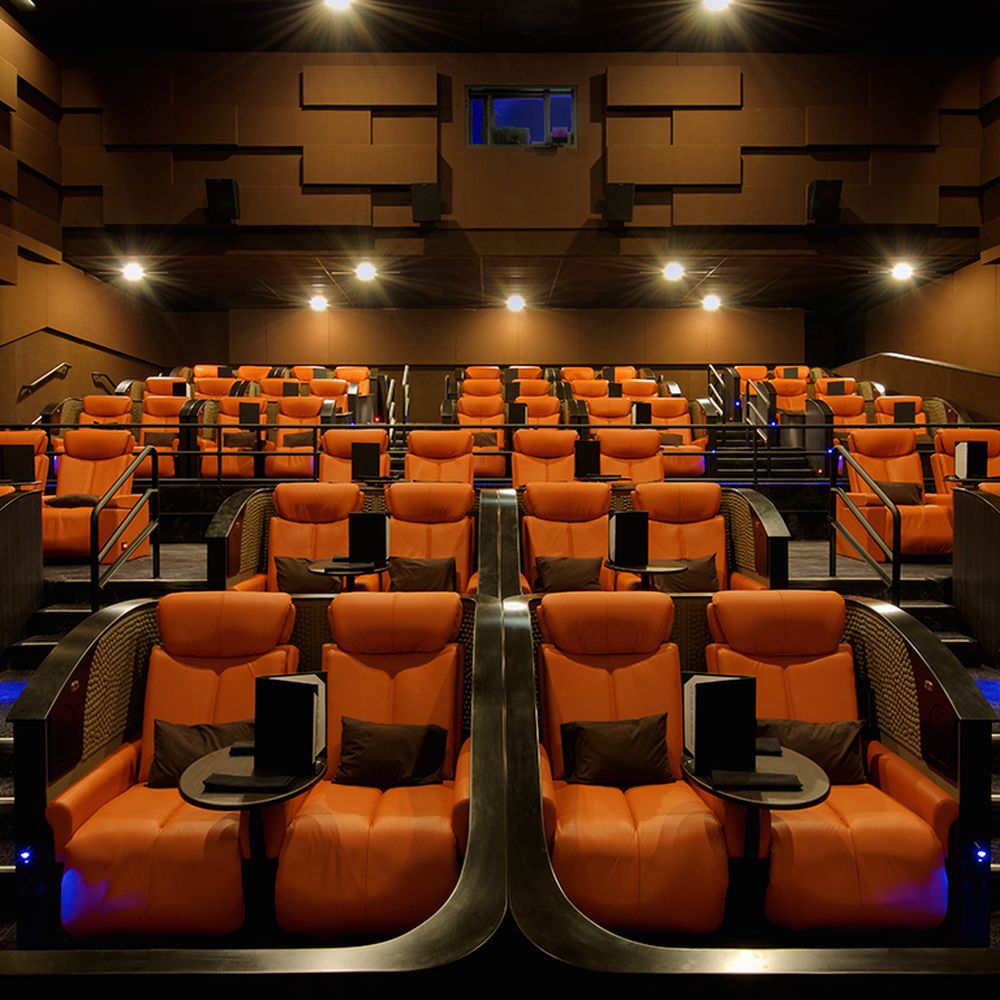
These apps often feature advanced filtering options that allow users to sort theaters by specific criteria like premium formats (IMAX, Dolby Cinema, 4DX), accessibility features, amenities (recliners, dine-in options), or even loyalty program affiliations. They provide detailed movie synopses, trailers, cast and crew information, and critical reviews, helping users choose not only where to watch but also what to watch. The core strength of these apps lies in their seamless integration with ticketing systems, allowing users to browse showtimes, select seats (often with interactive seat maps), and purchase tickets directly within the app. Many offer mobile ticketing, enabling contactless entry by simply scanning a QR code on your smartphone, eliminating the need for printing physical tickets or waiting in lines. This comprehensive approach transforms the entire movie-going process from fragmented steps into a cohesive, enjoyable digital journey.
Enhancing the Search: Features That Elevate Your Discovery Experience
The evolution of technology has moved beyond merely finding a movie theater to enriching the entire discovery and planning process. Modern applications and platforms are packed with features designed to provide a more personalized, efficient, and informed experience.
Precision Location & Geo-fencing
The “near me” aspect of the query is underpinned by sophisticated location-based technologies. GPS, Wi-Fi triangulation, and cellular network data combine to pinpoint a user’s exact location with remarkable accuracy. Geo-fencing takes this a step further, defining virtual boundaries around specific locations. When a user enters or exits these areas, apps can trigger relevant notifications or information. For instance, a movie app might send a push notification about showtimes for a theater you’re passing by, or offer special promotions once you’ve arrived within the theater’s vicinity. This real-time, context-aware information minimizes manual searching and provides hyper-relevant suggestions precisely when they are most useful.
Dynamic Filtering and Advanced Search
Gone are the days of scrolling through endless lists. Today’s tech offers dynamic filtering capabilities that empower users to refine their search with granular precision. Want a theater with recliner seats, specifically showing a 3D movie, and that accepts your loyalty points? Advanced search filters allow you to specify these criteria, instantly narrowing down options to those that meet your exact preferences. This level of customization is crucial in diverse urban landscapes where dozens of theaters might be “near me,” but only a few offer the specific amenities or viewing experiences desired. Filters can include:
-
Format: IMAX, Dolby Cinema, 3D, D-Box, Standard
-
Amenities: Recliner seats, dine-in, bar, arcade
-
Accessibility: Wheelchair access, closed captions, audio descriptions
-
Price points: Matinee, evening, premium
-
Specific showtimes: Morning, afternoon, evening
User Reviews, Ratings, and Community Insights
A crucial aspect of modern tech-driven discovery is the integration of crowd-sourced intelligence. Before committing to a theater, users can access an abundance of reviews and ratings from fellow moviegoers. These insights, often found directly within mapping apps, dedicated movie apps, or platforms like Yelp and Google Reviews, provide qualitative data that quantitative data cannot. Reviews often cover aspects like:
-
Cleanliness of auditoriums and restrooms
-
Comfort of seating
-
Quality of projection and sound
-
Friendliness and efficiency of staff
-
Value for money
-
Concession prices and variety
This community-driven feedback loop fosters transparency and helps users make more informed decisions, steering them towards theaters with a consistently positive reputation and away from those with recurring issues. Photo uploads from users further augment these reviews, offering visual evidence of a theater’s condition and ambiance.
Seamless Integration with Showtimes and Ticketing
The ultimate convenience in finding a movie theater near you lies in the seamless transition from discovery to transaction. The best apps and websites integrate real-time showtime availability with direct ticketing capabilities. This means that once you’ve identified a movie and a preferred theater, you can view all available showtimes, select your seats from an interactive map, and purchase your tickets without ever leaving the application. This full-circle functionality eliminates friction points, reduces the chance of tickets selling out while you switch between platforms, and ensures a smooth, uninterrupted path from decision to booking. Many platforms also offer features like “Best Available Seat” algorithms, recommending optimal seating based on group size and screen view, further enhancing the booking experience.
The Future of Film Discovery: Emerging Technologies on the Horizon
While current technologies provide an impressive array of tools, the landscape of film discovery continues to evolve. Emerging technologies are poised to make finding your next cinematic adventure even more intuitive, personalized, and immersive.
AI-Powered Personal Assistants and Recommendations
Artificial Intelligence (AI) is already revolutionizing how we interact with technology, and its impact on film discovery is set to deepen. Voice-activated personal assistants like Siri, Google Assistant, and Amazon Alexa are becoming increasingly sophisticated at understanding complex queries. Soon, asking “Hey Google, find me a family-friendly comedy playing in IMAX near me tonight” will yield not just a list, but intelligent recommendations based on your viewing history, preferred genres, and even past ratings. AI algorithms can analyze vast datasets of user preferences, critical reviews, and even sentiment analysis from social media to suggest movies and theaters that align perfectly with individual tastes, potentially introducing users to hidden gems they might otherwise overlook. Predictive AI could even suggest you leave a few minutes earlier for your movie based on real-time traffic patterns.
Augmented Reality for Immersive Exploration
Augmented Reality (AR) offers exciting possibilities for a more interactive discovery experience. Imagine holding up your smartphone while walking down a street, and an AR overlay appears, highlighting nearby theaters with their current showtimes floating above their entrances, alongside animated trailers or special offers. You could virtually “walk through” a theater lobby or “preview” the view from a specific seat before even arriving. Apps could use AR to provide an “X-ray” view of a cinema complex, helping you navigate to specific auditoriums, restrooms, or concession stands with ease. While still in its nascent stages for this application, AR has the potential to bridge the gap between digital information and the physical world, making the discovery process incredibly engaging and intuitive.
Voice Search and Smart Home Integration
The rise of smart home devices and voice-first interfaces is changing how we access information. Integrating movie discovery with these platforms means you could simply tell your smart speaker, “Alexa, find me action movies playing near me on Saturday,” and receive spoken recommendations, complete with showtimes and the option to send booking links directly to your phone. This seamless integration makes planning a movie outing a hands-free experience, perfect for busy households or when multitasking. As smart home ecosystems become more interconnected, planning a movie night could involve not just finding a theater, but also simultaneously dimming your lights, setting your alarm for the show, and even pre-ordering an Uber, all through voice commands.
Optimizing Your Cinema Visit: Beyond Just Finding a Theater
Technology’s influence extends far beyond the initial search, streamlining various aspects of the actual cinema visit and enhancing the overall customer journey.
Digital Ticketing and Contactless Entry
Mobile ticketing has become a standard, moving away from paper tickets towards scannable QR codes or barcodes on smartphones. This not only offers convenience by eliminating physical queues at the box office but also contributes to a more sustainable, paperless experience. The push for contactless solutions, accelerated by recent global events, has further solidified digital ticketing as the preferred method, promoting hygiene and efficiency. Many apps also offer “ticket wallets” where all your purchased tickets are stored, making access quick and easy, even without an internet connection at the venue.
Loyalty Programs and Personalized Offers
Modern theater chains leverage technology to power their loyalty programs. Apps allow members to track points, redeem rewards, and receive personalized offers based on their viewing history and preferences. These programs often integrate with payment systems, automatically applying discounts or earning points with each transaction. Push notifications can alert users to exclusive screenings, discounts on concessions, or bonus point opportunities, creating a continuous feedback loop that encourages repeat visits and builds customer loyalty through tailored digital engagement.
Pre-ordering Concessions for a Smoother Experience
Waiting in line for popcorn and drinks can be a significant time sink, especially before a popular show. Many theater apps now offer the option to pre-order concessions. Users can browse the menu, customize their order, and pay for snacks and beverages directly through the app, often before even arriving at the theater. Upon arrival, they can bypass the main queue and pick up their order from a dedicated counter, ensuring they get to their seats before the previews begin. This feature significantly enhances convenience, reduces wait times, and elevates the overall customer experience by removing a common point of frustration.
Cybersecurity and Privacy in Location-Based Services
While the convenience of tech-driven movie theater discovery is undeniable, it’s crucial to acknowledge the underlying digital security and privacy implications, especially with location-based services and personal data handling.
Understanding Data Permissions
When using mapping or movie apps, users are often prompted to grant access to their location, contacts, and other personal data. It is vital to understand what permissions you are granting and why. Providing perpetual location access, for instance, allows an app to track your movements even when not actively using it. While this can enable features like personalized alerts, it also carries privacy risks. Users should regularly review and adjust app permissions to ensure they are comfortable with the level of data sharing. Many operating systems now offer granular control, allowing “only while using the app” location access, which is a good balance between functionality and privacy.
Securing Your Digital Transactions
Purchasing tickets and concessions through apps involves financial transactions, necessitating robust security measures. Ensure that the apps you use employ encryption (e.g., HTTPS for web communication, tokenization for payment data) to protect your credit card information. Reputable apps often integrate with secure payment gateways, minimizing the direct handling of sensitive data by the app itself. Always use strong, unique passwords for your accounts and enable two-factor authentication (2FA) wherever available to add an extra layer of security against unauthorized access. Be wary of phishing attempts or suspicious links that might try to trick you into revealing your login credentials or payment details.

Best Practices for Location Sharing
While location sharing is integral to “near me” searches, exercising caution is paramount. Beyond app permissions, be mindful of public Wi-Fi networks which can be less secure. Avoid making financial transactions or sharing sensitive information when connected to unencrypted public networks. Regularly clear your location history in mapping apps if you’re concerned about a long-term data trail. Being aware of an app’s privacy policy can also provide insight into how your data is collected, used, and shared. By adopting these cybersecurity best practices, users can fully enjoy the technological benefits of movie theater discovery while safeguarding their personal information.
In conclusion, the simple query “what movie theater near me” has blossomed into a testament to technological ingenuity. From intelligent search algorithms and comprehensive mapping solutions to dedicated movie apps and futuristic AR/AI integrations, technology has made finding and experiencing a film more accessible, personalized, and convenient than ever before. As these technologies continue to advance, the journey from desire to discovery will only become more seamless, promising an even richer cinematic future for all.
aViewFromTheCave is a participant in the Amazon Services LLC Associates Program, an affiliate advertising program designed to provide a means for sites to earn advertising fees by advertising and linking to Amazon.com. Amazon, the Amazon logo, AmazonSupply, and the AmazonSupply logo are trademarks of Amazon.com, Inc. or its affiliates. As an Amazon Associate we earn affiliate commissions from qualifying purchases.