
In the landscape of modern personal finance, a debit card is more than just a piece of plastic; it’s a fundamental tool for managing your money, accessing funds, and conducting daily transactions. For Chase account holders, understanding the process of obtaining a new debit card is crucial, whether you’re a new customer, replacing an expired card, or dealing with the unfortunate event of a lost or stolen one. This guide will walk you through the procedures, considerations, and financial best practices associated with ordering and managing your Chase debit card, firmly positioning it within the broader context of sound personal finance management.
Understanding Your Debit Card Needs: Why a New Card is Necessary
The need for a new debit card can arise from various circumstances, each carrying its own set of implications for your financial security and access. Recognizing these scenarios is the first step toward a smooth reissuance process and maintaining uninterrupted control over your funds.
Lost or Stolen Card: Immediate Action & Security Imperatives
Perhaps the most urgent reason to order a new debit card is when your current one has been lost or stolen. This situation transcends mere inconvenience, posing a significant risk to your financial security. The immediate priority is not just to replace the card but to protect your existing funds from unauthorized access. Chase, like all responsible financial institutions, provides robust mechanisms for this. Reporting a lost or stolen card typically initiates an immediate block on the old card, preventing further misuse. This swift action is a cornerstone of personal finance security, mitigating potential financial losses and identity theft risks. Understanding the reporting channels and acting promptly can save you considerable stress and financial hardship. It underscores the importance of being vigilant about the physical security of your financial tools.
Expired Card: Proactive Replacement for Uninterrupted Access
Unlike the reactive necessity of a lost or stolen card, an expired debit card is a predictable event. All debit cards come with an expiration date, a standard security and maintenance practice that ensures the physical card remains in good condition and incorporates any updated security features. Most financial institutions, including Chase, are proactive in this regard, often mailing a new card to you automatically before your old one expires. However, life happens – addresses change, mail gets misplaced. It’s a key aspect of personal financial management to monitor your card’s expiration date and confirm the arrival of its replacement. A lapse in this oversight can lead to unexpected payment declines, disrupting recurring bills or essential purchases. Proactive replacement ensures uninterrupted access to your funds and financial services, a small but significant detail in maintaining a well-oiled personal finance machine.
Damaged Card: Ensuring Functionality and Reliability
A debit card subjected to wear and tear, whether from repeated use, accidental damage, or exposure to harsh conditions, can become unreadable by card readers or ATMs. A damaged magnetic stripe or chip can render your card useless, leading to frustration at the point of sale. While not a security crisis, it’s a practical hurdle that disrupts your ability to manage daily transactions. Ordering a new card due to damage is a straightforward process, focusing purely on restoring functionality. It’s a reminder that even the physical tools of our financial lives require occasional maintenance or replacement to ensure their reliability. From a personal finance perspective, a reliable debit card means you can always access your money when needed, preventing unexpected cash flow issues.
Account Opening: First-Time Issuance as a Gateway to Banking
For new Chase customers, the process of ordering a debit card is intrinsic to setting up their banking relationship. Once a checking account is opened, a debit card is typically issued as part of the welcome package, serving as the primary physical access point to your funds. This initial issuance is an introduction to the capabilities and responsibilities that come with modern banking. It’s the first step in leveraging a key financial tool for budgeting, spending, and accessing cash. Understanding how this initial card is ordered and delivered is crucial for a smooth onboarding experience, setting the stage for effective personal finance management right from the start.
Security Concerns: Proactive Measures Against Potential Fraud
Sometimes, the decision to order a new debit card isn’t due to an explicit loss or damage, but rather a proactive security measure. If you suspect your card details might have been compromised, perhaps through a data breach that didn’t immediately lead to fraudulent charges, or if you’ve used your card at a suspicious ATM or POS terminal, ordering a new card with a new number can offer peace of mind. This preventative step is a sophisticated aspect of personal finance security. It reflects a proactive stance against potential fraud, showing an understanding that prevention is often better (and less stressful) than cure. Financial institutions often encourage this cautious approach, providing easy ways to reissue cards when customers feel their security might be at risk.
Navigating the Ordering Process: Your Step-by-Step Guide
Once you’ve identified the need for a new Chase debit card, the next step is to understand the various channels available for ordering it. Chase offers multiple convenient options, catering to different preferences and situations, ensuring you can quickly and efficiently regain access to your funds.
Online Banking: The Digital Pathway to Card Reissue
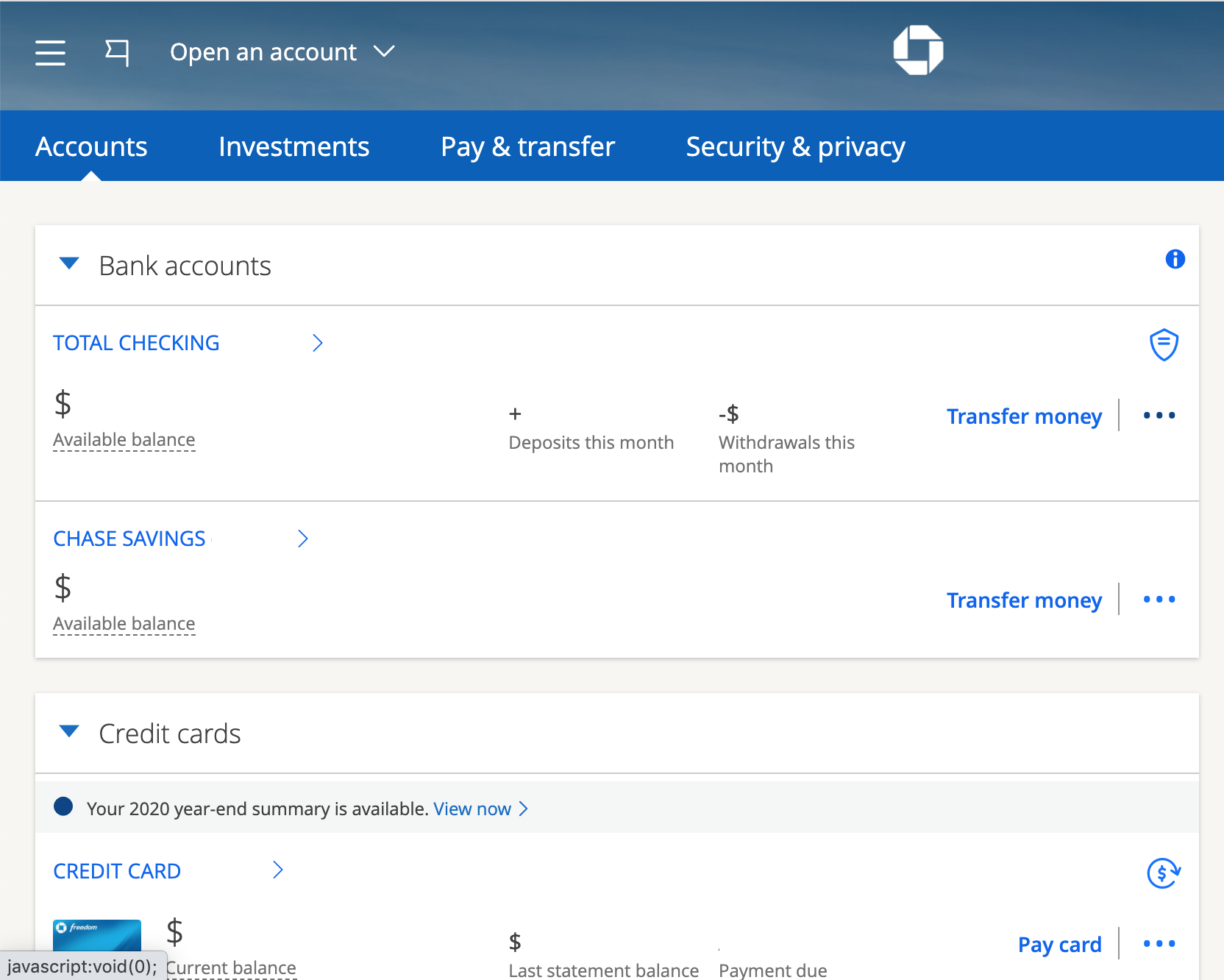
For many, online banking represents the most convenient and efficient method for managing their accounts, including ordering a new debit card. Chase’s robust online platform is designed for self-service, allowing customers to initiate a card replacement request from the comfort of their home or office. Typically, this involves logging into your Chase Online account, navigating to the “Account Services” or “Customer Service” section, and selecting the option for “Replace Card” or “Report Lost/Stolen Card.” The process usually requires verification of your identity and confirmation of your mailing address. This digital approach not only streamlines the request but also provides an immediate digital record of your action, a valuable asset for tracking and personal financial record-keeping. It epitomizes modern financial convenience and self-empowerment.
Mobile App: Convenience on the Go
In an increasingly mobile-centric world, the Chase Mobile app offers an equally powerful and often more accessible way to manage your debit card. The app mirrors much of the functionality found on the online banking portal, optimized for smartphone and tablet use. Through the app, you can often report a card lost or stolen, request a replacement, and even temporarily lock your card if you’ve simply misplaced it and are searching for it. The immediate accessibility of the mobile app means you can take action almost instantly, which is particularly critical in time-sensitive situations like a lost or stolen card. This mobile capability is a testament to financial tools evolving to meet modern lifestyle demands, providing critical control over your money in your pocket.
Phone Support: Direct Assistance When You Need It
While digital channels offer speed and convenience, there are times when speaking to a human representative is preferred or necessary. For those who prefer direct assistance, or in situations where online access might be limited (e.g., traveling abroad without secure internet), Chase’s customer service phone lines are an invaluable resource. By calling the number on the back of your existing card (if available) or the general customer service number listed on Chase’s official website, you can speak to a representative who can guide you through the process of ordering a new debit card, report fraud, or address any specific concerns. This personalized support ensures that complex situations can be navigated with expert guidance, adding a layer of security and reassurance for account holders. It reminds us that while technology simplifies, human support remains vital in the financial ecosystem.
In-Branch Visit: Personalized Service and Immediate Solutions
For those who prefer face-to-face interaction or require immediate attention for complex issues, visiting a Chase branch is always an option. A branch visit allows you to speak directly with a banking specialist who can assist with ordering a new card, verify your identity securely, and address any related account inquiries. In some urgent cases, branches may even be able to issue a temporary debit card on the spot, providing immediate access to your funds until your permanent card arrives. This option is particularly beneficial for individuals who might have lost their ID along with their card, or for those who simply value the personal touch and reassurance that comes with in-person banking services. It highlights the importance of multi-channel access in meeting diverse customer needs in personal finance.
Information Required: What You’ll Need for a Smooth Process
Regardless of the channel you choose, having certain information readily available will expedite the card ordering process. You will typically need to verify your identity, which might involve your account number, Social Security Number, date of birth, and possibly security questions or a one-time passcode sent to your registered phone number or email. If reporting a lost or stolen card, be prepared to provide details about the last known location or time of use. For a damaged card, simply having the old card details handy can be useful. Ensuring you have access to this information beforehand minimizes delays and ensures a seamless transaction, reflecting good personal financial organization.
What Happens After You Order? Delivery and Activation
Ordering a new debit card is just the beginning. The subsequent steps – delivery, activation, and updating your financial ecosystem – are equally critical to ensuring the new card integrates seamlessly into your personal finance routine.

Estimated Delivery Times: Setting Realistic Expectations
Once you’ve placed your order, understanding the delivery timeline is important for managing your expectations and planning your finances. Standard delivery for a new Chase debit card typically takes 5-7 business days, though this can vary based on your location and any expedited shipping options you might choose (often for a fee). During this waiting period, it’s wise to plan for alternative payment methods if necessary, such as using online bill pay directly from your checking account, a credit card (if appropriate), or cash. For lost or stolen cards, Chase usually prioritizes rapid delivery. Being aware of these timelines helps you avoid cash flow surprises and maintain control over your spending, a key element of effective personal financial management.
Activating Your New Card: Crucial First Steps
Upon receiving your new debit card, the very first and most crucial step is activation. This process usually involves calling an automated phone number provided with the card, activating it through your Chase Online account, or using the Chase Mobile app. Activation is a security measure that links the physical card to your account, making it ready for use. It’s also typically when you’ll set your PIN (Personal Identification Number) for ATM transactions and point-of-sale purchases. Failing to activate your card means it won’t work, leading to frustrating declines. Prompt activation ensures your financial tool is ready when you are, reinforcing responsible card management.
Updating Recurring Payments: Avoiding Disruptions
One of the most commonly overlooked aspects of getting a new debit card, especially if the card number changes (as it usually does for replacements due to loss/theft or fraud), is updating recurring payments. Many individuals have automatic payments set up for utilities, subscriptions, mortgage/rent, or other bills using their debit card. If your card number changes, these payments will fail unless updated. Proactively reviewing your bank statements or a personal finance tracker for recurring charges and updating them with the new card details is essential. This step prevents late fees, service interruptions, and the hassle of reconciling failed transactions, underscoring the interconnectedness of your financial ecosystem and the importance of meticulous personal financial planning.
Secure Handling of Your New Card: Best Practices for Financial Safety
Receiving a new debit card is also an opportune moment to reinforce secure handling practices. This includes immediately signing the back of your card, memorizing your PIN and never writing it down, and keeping your card in a secure place. Be wary of phishing attempts asking for your card details, especially after ordering a new card, as fraudsters often target individuals in such transitions. These simple yet effective practices form the bedrock of personal financial security, protecting you from unauthorized access and potential fraud.
Managing Your Debit Card for Optimal Personal Finance: Beyond Ordering
A debit card is an active participant in your daily financial life. Effective management extends far beyond the initial ordering and activation, playing a critical role in budgeting, security, and overall financial well-being.
Monitoring Transactions: Vigilance Against Fraud
Regularly reviewing your bank statements and transaction history, either through online banking or the mobile app, is a non-negotiable aspect of robust personal finance security. This vigilance allows you to quickly spot any unauthorized or suspicious transactions, which is key to limiting potential losses from fraud. Chase, like other major banks, offers tools to categorize spending, making it easier to track and recognize unusual activity. Early detection of fraud enables faster reporting and resolution, protecting your funds and credit. This proactive monitoring is a cornerstone of responsible debit card management and overall financial health.
Setting Up Alerts: Real-time Financial Awareness
Leveraging Chase’s alert features is an excellent way to maintain real-time awareness of your account activity. You can set up alerts for various events, such as large transactions, international purchases, ATM withdrawals, or low balance notifications. Receiving instant alerts on your phone or email means you’re immediately informed of any activity, legitimate or otherwise. This enhances your ability to manage your budget and provides an immediate heads-up if your card is being used fraudulently, allowing for rapid response and minimization of potential damage. Alerts are a simple yet powerful tool for continuous personal financial oversight.
Understanding Debit Card Limits: Responsible Spending and Budgeting
Debit cards often come with daily limits on ATM withdrawals and point-of-sale purchases. Understanding these limits is crucial for managing your daily liquidity and budgeting effectively. While these limits are in place as a security measure to restrict potential losses from fraud, they also serve as a practical tool for personal financial discipline. Being aware of your spending capacity helps you plan larger purchases or cash withdrawals, preventing inconvenient transaction declines. It’s a subtle but important aspect of budgeting and ensuring your financial tools align with your spending habits and needs.
Benefits of a Debit Card: Budgeting and Control
Beyond its primary function as an access tool, a debit card offers significant benefits for personal budgeting and financial control. Unlike credit cards, debit cards draw directly from your checking account, meaning you can only spend the money you have. This inherent mechanism can be a powerful discipline tool, preventing debt accumulation and encouraging responsible spending within your means. It simplifies budgeting by providing a clear link between your spending and your available balance. For individuals focused on debt avoidance and mindful spending, the debit card is an indispensable financial companion, promoting financial prudence and stability.
Enhancing Your Financial Security with Chase: Advanced Considerations
Chase provides several advanced features designed to give you greater control over your debit card and enhance your overall financial security, offering layers of protection beyond standard card replacement.
Chase Lock & Unlock Feature: Instant Control
A standout feature offered by Chase is the ability to lock and unlock your debit card instantly through their mobile app or online banking. If you misplace your card but aren’t certain it’s lost or stolen, you can “lock” it, preventing any new transactions from occurring. If you find it, you can “unlock” it just as easily. This feature provides an unparalleled level of immediate control, offering peace of mind and preventing the need for a full card replacement unless absolutely necessary. It’s an excellent example of how financial technology empowers users with dynamic security measures, reducing stress and complexity in managing potential card security issues.
Digital Wallets: Adding a Layer of Security and Convenience
Integrating your Chase debit card with digital wallets like Apple Pay, Google Pay, or Samsung Pay offers both convenience and an added layer of security. When you use your card through a digital wallet, the actual card number is not transmitted during the transaction; instead, a unique, encrypted token is used. This “tokenization” significantly reduces the risk of your card details being compromised during a purchase. Beyond security, digital wallets offer speed and ease of use, making transactions quicker and often more secure than swiping or inserting a physical card. Embracing digital payment methods is a smart move for any financially savvy individual.
Reporting Unauthorized Activity: What to Do and When
Despite all precautions, unauthorized activity can still occur. Knowing the proper procedure for reporting fraudulent charges is paramount. Chase provides clear guidelines for disputing transactions, typically requiring you to report the activity promptly (often within 60 days for debit cards) through their online platform, mobile app, or by calling customer service. Acting quickly is crucial as it helps your bank investigate and potentially recover funds under consumer protection laws like the Electronic Fund Transfer Act. Understanding your rights and responsibilities in such situations is a critical component of personal finance literacy.

Proactive Security Measures: Protecting Your PIN and Information
Ultimately, the effectiveness of any financial tool, including your debit card, heavily relies on your proactive security habits. This includes never sharing your PIN, being cautious about where and how you use your card (especially at unfamiliar ATMs or card readers), regularly checking for skimmers, and protecting your personal and financial information online and offline. Staying informed about common fraud tactics and exercising good digital hygiene are continuous responsibilities. By taking an active role in protecting your financial data, you significantly reduce your vulnerability to fraud, securing your personal finances in an increasingly complex digital world.
In conclusion, ordering a new Chase debit card is a straightforward process, but it’s embedded within a larger framework of personal finance management. From understanding the reasons for replacement to navigating the ordering channels, ensuring proper activation, and integrating it into your ongoing financial security practices, each step contributes to the responsible and effective use of this essential financial tool. By mastering these aspects, Chase account holders can maintain seamless access to their funds, protect their assets, and reinforce the pillars of their financial well-being.
aViewFromTheCave is a participant in the Amazon Services LLC Associates Program, an affiliate advertising program designed to provide a means for sites to earn advertising fees by advertising and linking to Amazon.com. Amazon, the Amazon logo, AmazonSupply, and the AmazonSupply logo are trademarks of Amazon.com, Inc. or its affiliates. As an Amazon Associate we earn affiliate commissions from qualifying purchases.