
In the modern financial landscape, the boundary between traditional banking and digital commerce has effectively dissolved. At the heart of this evolution is PayPal, a platform that transitioned from a niche Silicon Valley experiment into a global cornerstone of personal finance and business operations. For those asking, “How do I join PayPal?” the answer involves more than a simple registration process; it requires an understanding of how to integrate this powerful financial tool into your broader economic life. Whether you are looking to streamline your personal spending, manage a growing freelance business, or secure your online transactions, joining PayPal is a strategic move toward financial flexibility.
Understanding the PayPal Ecosystem: More Than Just a Digital Wallet
Before initiating the sign-up process, it is essential to understand the architecture of the platform and where you fit within its ecosystem. PayPal is not merely a middleman for payments; it is a comprehensive financial service provider that offers different account structures tailored to specific economic behaviors.
Personal vs. Business Accounts: Choosing the Right Path
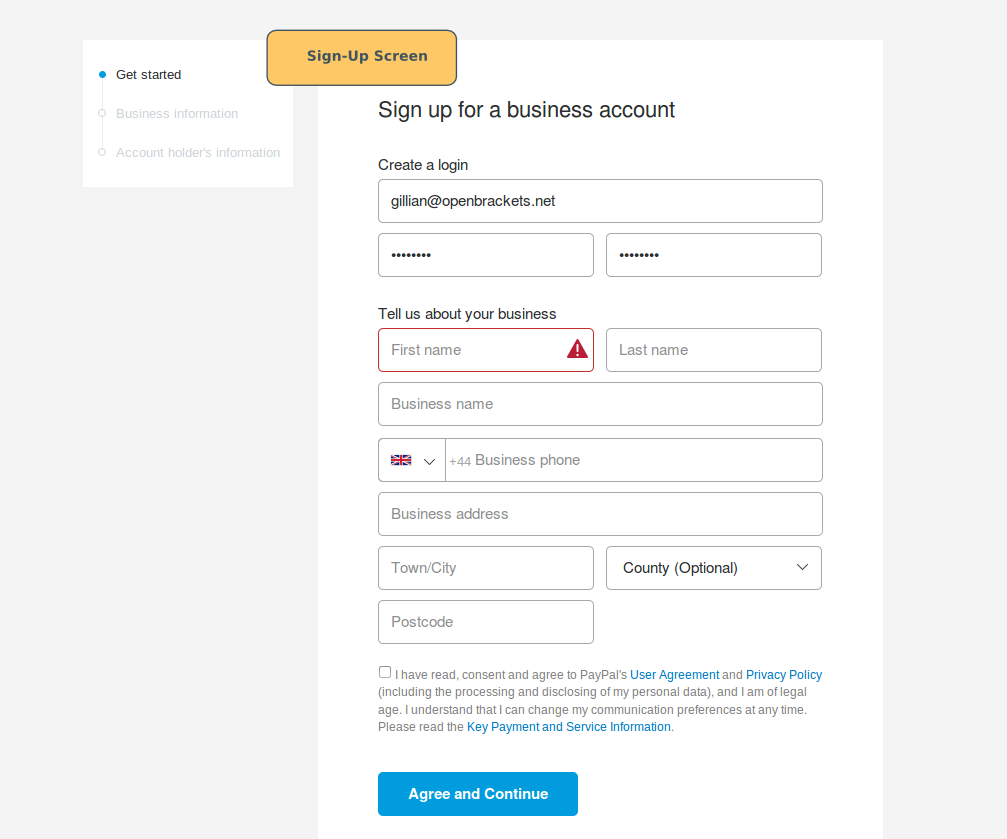
The first decision any new user must make is selecting between a Personal and a Business account. This choice dictates your fee structure, your privacy levels, and the tools available to you.
A Personal Account is designed for the individual consumer. It is ideal for people who want to shop online securely, send money to friends and family for shared expenses, or receive occasional payments. The primary advantage here is simplicity and the lack of fees for standard purchases. In the context of personal finance, this account acts as a buffer between your primary bank account and the internet, providing an extra layer of security.
A Business Account, conversely, is a professional-grade tool. It allows individuals and companies to operate under a business name, accept credit card payments from customers who do not have PayPal accounts, and grant limited access to employees. For those focused on online income and side hustles, the Business account provides essential features like professional invoicing and detailed financial reporting. While it involves transaction fees for sales, the utility it provides for tax preparation and brand professionalism is often worth the cost.
Why Security and Compliance Matter in Digital Finance
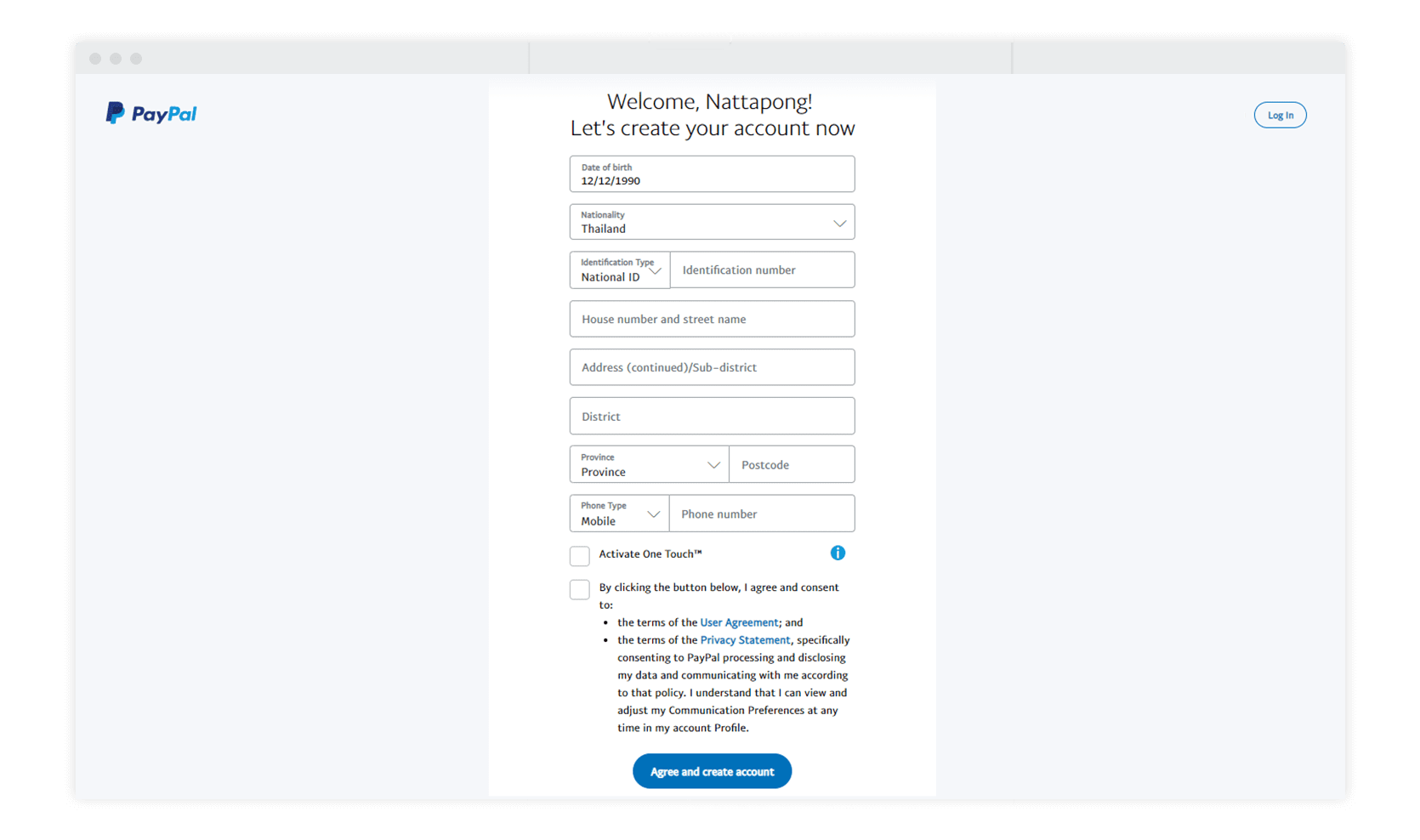
Joining PayPal means entering a regulated financial environment. Because the platform operates globally, it adheres to stringent “Know Your Customer” (KYC) and Anti-Money Laundering (AML) regulations. This means that “joining” is a multi-step process of verification. Understanding this from the outset prevents frustration. You aren’t just signing up for a social media profile; you are establishing a digital financial identity that requires accuracy and transparency to ensure the safety of your funds.
The Step-by-Step Onboarding Process for New Users
The actual mechanics of joining PayPal are designed to be intuitive, yet they require attention to detail to ensure your account remains in good standing and is fully functional from day one.
Setting Up Your Profile
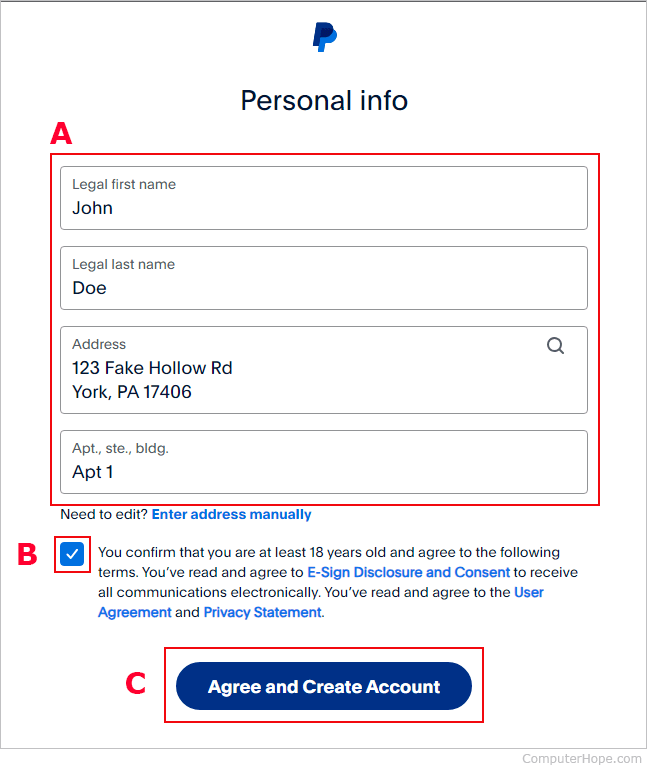
To begin, visit the official PayPal website or download the mobile application. You will be prompted to choose your account type (Personal or Business). You will then enter a valid email address—which serves as your primary financial “address” for receiving funds—and create a robust password.
It is a common mistake to use a secondary or “junk” email for financial services. In the PayPal ecosystem, your email is your account identifier. Using a secure, primary email that you monitor frequently is crucial for receiving transaction alerts, security notifications, and tax documents.
Verifying Your Identity and Linking Financial Assets
Once the basic profile is created, the next phase is “verification.” This is where the platform moves from a basic interface to a functional financial tool. You will need to link a funding source—typically a debit card, credit card, or a direct bank account.
Linking a bank account involves a process where PayPal sends two micro-deposits (usually a few cents) to your bank. You then log back into PayPal and enter those amounts to prove you have authorized access to the account. This step is vital for “Verified” status, which often lifts initial limits on how much money you can send or withdraw. From a personal finance perspective, linking a bank account allows for the seamless “sweep” of funds from your digital wallet to your high-yield savings account or checking account.
Navigating the Mobile Experience
In the current economy, financial management is increasingly mobile. The PayPal app offers features that the desktop version sometimes obscures, such as the ability to scan QR codes for touchless payments at physical retail locations. Joining through the app also allows for biometric security (fingerprint or facial recognition), which adds a significant layer of protection to your financial data compared to traditional password-entry on a shared computer.
Maximizing PayPal for Personal Finance and Budgeting
Once you have joined, the focus shifts from setup to optimization. PayPal offers several features that can enhance an individual’s financial health and budgeting accuracy.
Peer-to-Peer Transfers and Bill Splitting
One of the most immediate benefits of joining is the ability to handle peer-to-peer (P2P) transactions. For those focused on strict budgeting, the “Send and Request” feature is invaluable. Whether it is splitting a utility bill with a roommate or paying a vendor at a local farmer’s market, these transactions are often free when funded by a linked bank account or PayPal balance. This eliminates the need for physical cash and creates a digital paper trail that can be exported into budgeting software or spreadsheets.
Using PayPal Savings and Crypto Integration
In recent years, PayPal has expanded into wealth management. New users can now access “PayPal Savings,” a high-yield savings account provided through partner banks. For a new user, this simplifies the financial stack by keeping spending and saving tools in one dashboard. Furthermore, for those interested in diversifying into digital assets, the platform allows for the purchase, holding, and selling of major cryptocurrencies. This provides a regulated, user-friendly entry point into the volatile world of crypto without needing to navigate complex external exchanges.
Leveraging PayPal for Online Income and Business Growth
For many, joining PayPal is the first step toward launching a side hustle or an online business. The platform acts as a bridge between a creative idea and a revenue-generating enterprise.
Merchant Tools and Invoicing for Freelancers
If you are joining to earn an online income, the invoicing tool is your best friend. Instead of manually tracking payments, you can generate professional PDFs that include itemized lists, tax calculations, and “Pay Now” buttons. This reduces the friction between completing work and getting paid. For the freelancer, this is a matter of cash flow management—the lifeblood of any small business.
Global Reach: Handling Multiple Currencies
One of the most complex aspects of business finance is international trade. PayPal simplifies this by allowing users to hold balances in multiple currencies. When you receive a payment in Euros but live in the United States, you have the choice to hold that currency or convert it based on the current exchange rate. While there are fees associated with currency conversion, the ability to accept payments from over 200 countries is a powerful tool for anyone looking to scale their income beyond local borders.
Best Practices for Financial Security and Account Maintenance
Joining the platform is only the beginning. To protect your wealth and maintain the integrity of your account, you must adopt a proactive approach to security.
Two-Factor Authentication (2FA)
The single most important step after joining is enabling Two-Factor Authentication. By requiring a code from your mobile device in addition to your password, you create a formidable barrier against unauthorized access. In the world of digital finance, this is non-negotiable.
Understanding Dispute Resolution and Protections
PayPal’s “Buyer and Seller Protection” programs are central to its value proposition. As a buyer, if an item doesn’t arrive or isn’t as described, you have a financial safety net. As a seller, if you follow the platform’s guidelines—such as shipping only to verified addresses and maintaining tracking information—you are protected against certain types of fraudulent claims. Understanding these rules is essential for protecting your “Money” niche interests. It ensures that a single bad transaction does not derail your monthly budget or business capital.
Regular Account Audits
Finally, treat your PayPal account with the same diligence as a traditional bank account. Regularly review your pre-approved payments and subscriptions. It is easy to join a service and forget about the recurring monthly charge. By auditing your “Automatic Payments” section, you can “find” money that was previously being leaked to unused subscriptions, thereby tightening your personal financial plan.
Joining PayPal is more than a technical task; it is an entry into a global financial community. By selecting the right account type, meticulously verifying your identity, and utilizing the platform’s advanced budgeting and business tools, you position yourself to thrive in an increasingly digital economy. Whether you are sending five dollars to a friend or five thousand dollars to a supplier, the platform provides the infrastructure necessary to manage your money with precision and security.
aViewFromTheCave is a participant in the Amazon Services LLC Associates Program, an affiliate advertising program designed to provide a means for sites to earn advertising fees by advertising and linking to Amazon.com. Amazon, the Amazon logo, AmazonSupply, and the AmazonSupply logo are trademarks of Amazon.com, Inc. or its affiliates. As an Amazon Associate we earn affiliate commissions from qualifying purchases.