
Why Choose Chase? Understanding Your Banking Needs
Opening a new bank account is a significant financial decision that requires careful consideration of one’s personal banking needs and long-term financial goals. Among the myriad of financial institutions, Chase Bank stands as one of the largest and most recognized full-service banks in the United States. Its extensive network, diverse product offerings, and robust digital platforms appeal to a broad spectrum of individuals, from those just starting their financial journey to seasoned investors. Before diving into the practical steps of opening an account, understanding the inherent value proposition of a banking giant like Chase can help ascertain if it aligns with your specific requirements.

A Legacy of Financial Services
Chase has a rich history dating back to 1799, evolving into a financial behemoth known for its stability and comprehensive services. This extensive experience translates into a deep understanding of market dynamics and customer needs, offering a sense of security and reliability often sought in a primary financial institution. Customers benefit from a vast physical footprint, with thousands of branches and ATMs nationwide, providing convenient access to funds and in-person assistance when required. This blend of traditional banking strength and modern financial solutions makes Chase a compelling choice for many.
Diverse Product Offerings
Beyond basic checking and savings accounts, Chase provides a wide array of financial products tailored to different life stages and financial objectives. This includes various checking account options, each with unique features, minimum balance requirements, and fee structures; savings accounts designed for different savings goals; certificates of deposit (CDs) for longer-term, higher-interest savings; and a comprehensive suite of credit cards catering to diverse spending habits and reward preferences. Furthermore, Chase offers mortgages, auto loans, personal loans, and investment services, positioning itself as a potential one-stop shop for all financial needs. This breadth of products allows individuals to consolidate their financial relationships, often leading to streamlined management and potential benefits from relationship banking.
Digital Banking Convenience
In today’s fast-paced digital world, accessible and intuitive online and mobile banking is paramount. Chase excels in this area, offering a highly rated mobile app and an extensive online banking portal. These digital tools empower customers to manage their accounts virtually anywhere, anytime. Features include mobile check deposit, bill pay, funds transfers between accounts (internal and external), budgeting tools, account alerts, and Zelle for quick peer-to-peer payments. The emphasis on digital convenience ensures that customers can maintain control over their finances efficiently, minimizing the need for physical branch visits for routine transactions.
Essential Documents and Eligibility for Opening an Account
Opening a bank account, whether online or in person, requires a standard set of identification and personal information to comply with federal regulations designed to prevent fraud and money laundering. Prospective account holders must gather these documents beforehand to ensure a smooth application process.
Personal Information Requirements
Applicants will generally need to provide their full legal name, date of birth, Social Security Number (SSN) or Individual Taxpayer Identification Number (ITIN), and contact information including phone number and email address. This information is crucial for identity verification and for establishing a secure financial profile.
Proof of Identity
To verify your identity, Chase typically requires at least one form of government-issued photo identification. Acceptable documents commonly include:
-
A valid U.S. Driver’s License
-
A U.S. State ID Card
-
A U.S. Passport or Passport Card
-
A U.S. Military ID
It is essential that the identification is current, not expired, and clearly shows your photo, name, and date of birth.
Proof of Address
Federal regulations also mandate proof of your current physical residential address. This helps confirm your residency and further verify your identity. Common documents accepted for this purpose include:
-
A recent utility bill (e.g., electricity, gas, water)
-
A current lease agreement or mortgage statement
-
A recent bank statement from another financial institution
-
A valid driver’s license or state ID (if it shows your current address and was not used as primary ID)
Ensure the document is recent, usually within the last 60 days, and clearly displays your name and address. A P.O. Box is generally not sufficient as a physical address for opening a new account.
Initial Deposit Considerations
Most new bank accounts require an initial deposit to activate the account. The minimum amount can vary significantly depending on the specific account type chosen. For instance, some checking accounts might require as little as $25, while others, particularly those with premium features, could demand $100 or more. This initial deposit can typically be made via a debit card from another bank, an electronic funds transfer (EFT), a check, or cash if applying in person. Understanding the minimum deposit for your chosen account is crucial before beginning the application.
Eligibility for Minors and International Applicants
Chase does offer options for minors to open accounts, typically requiring a parent or legal guardian to be a joint owner on the account. Specific age requirements and documentation for both the minor and the adult co-owner will apply. For international applicants or non-U.S. citizens residing in the U.S., opening an account might require additional documentation beyond the standard, such as a U.S. visa, proof of residency status, and an ITIN if an SSN is not available. It’s advisable for these individuals to visit a branch in person or contact Chase directly to understand specific requirements.
Step-by-Step Guide to Opening Your Chase Account
Once you’ve identified the right Chase account for your needs and gathered all necessary documentation, the process of opening the account is straightforward, whether you choose to do it online or in person.

Online Application Process
Applying for a Chase bank account online offers unparalleled convenience, allowing you to complete the process from the comfort of your home.
-
Visit the Chase Website: Navigate to Chase’s official website and locate the ‘Checking’ or ‘Savings’ accounts section.
-
Browse Account Options: Carefully review the various checking and savings accounts available. Pay close attention to features, monthly fees, minimum balance requirements, and any sign-up bonuses. Select the account that best fits your financial habits.
-
Start the Application: Click on “Open an account” or “Apply now” for your chosen product.
-
Provide Personal Information: Fill out the online application form with your full name, date of birth, SSN/ITIN, contact information, and residential address.
-
Upload/Verify Documents: While some information might be instantly verified, you may be prompted to securely upload digital copies of your photo ID and proof of address.
-
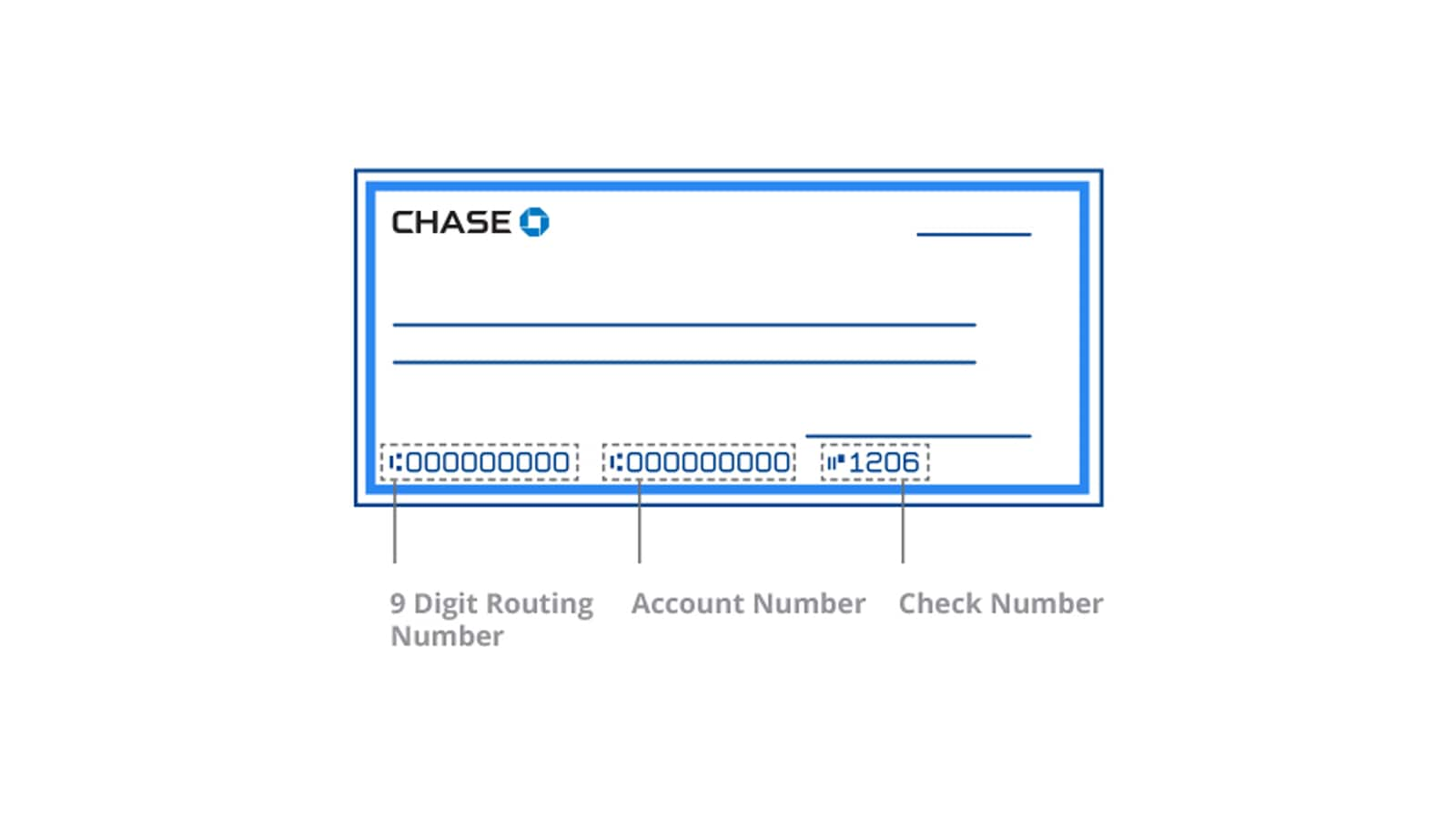
Fund Your Account: Make your initial deposit using a linked external bank account (via routing and account numbers), a debit card, or another accepted online method.
-
Review and Submit: Carefully review all the information you’ve provided to ensure accuracy before submitting your application.
-
Confirmation: You will typically receive an instant or near-instant decision. If approved, you will receive confirmation via email, often with details on how to set up online banking and when to expect your debit card.
In-Branch Application Process
For those who prefer a more personal touch or require assistance, opening an account at a Chase branch is an excellent option.
-
Locate a Branch: Use the Chase website or mobile app to find the nearest branch location.
-
Schedule an Appointment (Optional but Recommended): While walk-ins are usually accepted, scheduling an appointment can minimize wait times and ensure a banker is available to assist you.
-
Gather Documents: Bring all your original identification documents (photo ID, proof of address, SSN/ITIN) and your initial deposit funds (cash or check).
-
Meet with a Banker: A Chase representative will guide you through the available account options, explain the terms and conditions, and help you complete the application form.
-
Complete Application: The banker will verify your identity and documents.
-
Fund Your Account: Make your initial deposit directly with the banker.
-
Receive Initial Information: You may receive temporary checks, information about setting up online banking, and details about when your debit card will arrive.
Choosing the Right Account Type
This critical step often precedes the actual application. Chase offers several checking accounts (e.g., Chase Total Checking, Chase Sapphire Checking, Chase Premier Plus Checking) and savings accounts (e.g., Chase Savings, Chase Premier Savings, Chase Liquid Card). Evaluate factors such as:
-
Monthly Fees and Waivers: Can you meet the requirements (e.g., minimum balance, direct deposit) to waive monthly service fees?
-
ATM Access: How important is fee-free access to ATMs?
-
Interest Rates: While checking accounts typically offer low interest, some savings accounts might offer tiered rates.
-
Overdraft Protection: Understand the options and associated costs.
-
Sign-Up Bonuses: Chase frequently offers cash bonuses for new accounts that meet certain criteria, which can be a significant incentive.
Setting Up Your Online Banking and Mobile App
Immediately after your account is approved, it is highly recommended to set up your online banking access and download the Chase Mobile app. This provides immediate control over your finances. You will typically use your new account number and potentially a temporary password provided during the application process to register your username and permanent password. Enable two-factor authentication for enhanced security.
Managing Your New Chase Account and Maximizing Benefits
Opening an account is just the first step. Effective management ensures you get the most out of your banking relationship and avoid unnecessary fees.
Understanding Account Fees and Minimum Balances
Each Chase account comes with a set of terms and conditions, including potential monthly service fees. It is imperative to understand how these fees can be waived. Common waivers include maintaining a specific minimum daily balance, having eligible direct deposits totaling a certain amount, or linking other Chase accounts (e.g., a mortgage or investment account). Actively monitoring your account to ensure you meet these criteria can save you money annually. Be aware of other potential fees such as out-of-network ATM fees, foreign transaction fees, and overdraft fees.
Leveraging Chase’s Digital Tools
The Chase Mobile app and online banking portal are powerful tools for financial management. Utilize features like:
-
Budgeting Tools: Track spending and categorize transactions to gain insight into your financial habits.
-
Account Alerts: Set up notifications for low balances, large transactions, or direct deposits to stay informed.
-
Bill Pay: Schedule one-time or recurring payments to manage your bills efficiently and avoid late fees.
-
Zelle: Quickly send and receive money from friends and family, often without fees.
-
Secure Messaging: Communicate directly with Chase customer service through secure channels.
Exploring Additional Financial Products
As your financial needs evolve, explore other Chase products. If you initially opened a basic checking account, consider linking a savings account to build an emergency fund, or explore their credit card options for rewards and credit building. Chase Private Client offers enhanced services for individuals with significant assets. Consolidating your financial services with one institution can often lead to better rates, personalized service, and relationship-based benefits.
Best Practices for Account Security
Protecting your financial information is paramount.
-
Strong Passwords: Use unique, complex passwords for your online banking.
-
Two-Factor Authentication: Always enable this feature, which adds an extra layer of security.
-
Monitor Transactions: Regularly review your account statements and transaction history for any unauthorized activity.
-
Be Wary of Phishing: Chase will never ask for your password or sensitive information via unsolicited email or text message.
-
Secure Wi-Fi: Avoid accessing your banking accounts on unsecured public Wi-Fi networks.
Frequently Asked Questions and Troubleshooting
Addressing common queries can help new account holders navigate potential issues smoothly.
What if my application is denied?
If your application for a Chase bank account is denied, you have the right to know the reasons for the denial. Common reasons include a poor ChexSystems report (a consumer reporting agency for banking activity, similar to credit bureaus for loans), insufficient identification, or previous negative banking history. Chase will typically send a letter outlining the reasons, and you can request a copy of your ChexSystems report to understand and dispute any inaccuracies.
How long does it take to open an account?
The online application process can often be completed in as little as 10-15 minutes, with an instant decision in many cases. If additional verification is needed or you apply in-branch, the process might take slightly longer, but you usually leave with an active account or a clear timeline for activation. Receiving your debit card and checkbook (if ordered) typically takes 5-7 business days.
Can I open a joint account?
Yes, Chase offers the option to open joint checking and savings accounts. Both applicants will need to be present (if applying in-branch) or provide their respective personal information and identification during the online application process. Joint accounts provide shared access and responsibility for the funds and transactions within the account.
aViewFromTheCave is a participant in the Amazon Services LLC Associates Program, an affiliate advertising program designed to provide a means for sites to earn advertising fees by advertising and linking to Amazon.com. Amazon, the Amazon logo, AmazonSupply, and the AmazonSupply logo are trademarks of Amazon.com, Inc. or its affiliates. As an Amazon Associate we earn affiliate commissions from qualifying purchases.