
Choosing the right institution for your liquid capital is a foundational step in building a robust personal finance strategy. Chase, the consumer banking division of JPMorgan Chase & Co., stands as one of the largest and most accessible financial institutions in the United States. For many individuals, opening a Chase savings account is not merely about finding a place to store cash; it is about integrating into a massive financial ecosystem that offers convenience, digital sophistication, and a clear path toward broader wealth management.
Whether you are looking to build an emergency fund, save for a specific short-term goal, or simply establish a relationship with a major national bank, understanding the nuances of the Chase application process and account structures is essential. This guide provides an in-depth analysis of the requirements, the step-by-step application procedures, and the strategic considerations necessary to maximize the utility of a Chase savings account.

Selecting the Right Chase Savings Product
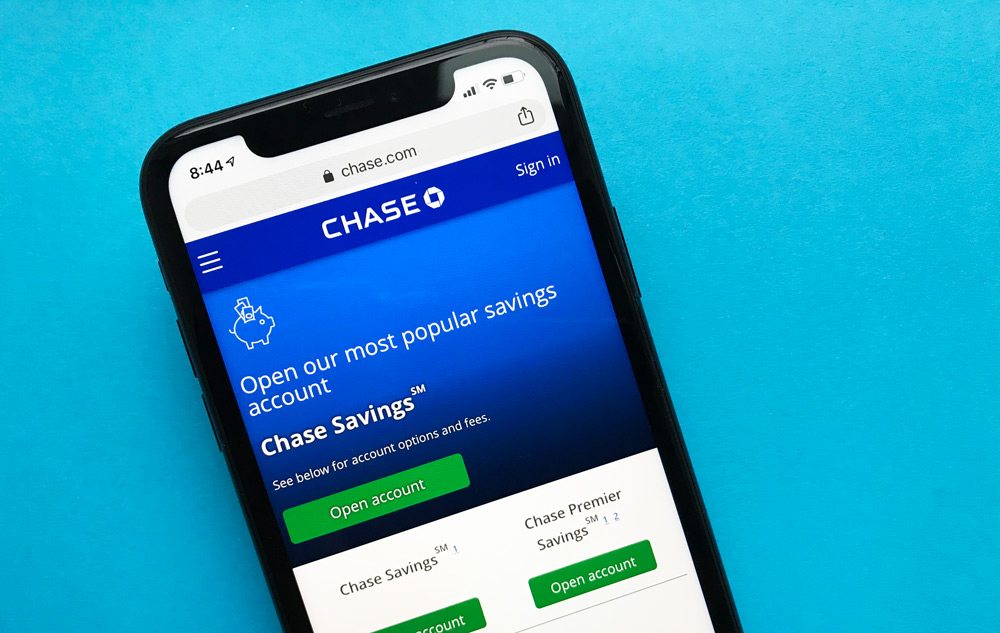
Before initiating the application process, it is vital to distinguish between the primary savings vehicles offered by Chase. The bank primarily offers two distinct tiers of savings accounts, each designed for different financial profiles and liquidity needs.
Chase Savings: The Entry-Level Standard
The “Chase Savings” account is the bank’s most popular and accessible option. It is designed for individuals who need a basic, reliable place to store money with low barriers to entry. This account is characterized by a low minimum opening deposit and is widely used as a companion to a Chase checking account.
While the interest rates on this account are typically modest compared to high-yield online savings accounts, the value proposition lies in its convenience. It provides immediate access to funds via the Chase mobile app, thousands of ATMs, and physical branches nationwide. This makes it an ideal “overflow” account for monthly budgeting or a primary vehicle for a beginner’s emergency fund.
Chase Premier Savings: Higher Rates for Larger Balances
For clients who maintain higher balances, the “Chase Premier Savings” account offers a tiered interest rate structure. This account is geared toward individuals who can maintain a larger daily balance or who have linked their savings to a Chase Premier Plus or Sapphire Checking account.
The primary advantage of the Premier tier is the “Relationship Rate.” When you link your Premier Savings account to a qualifying Chase checking account and make at least five qualifying transactions per month, you become eligible for an enhanced interest rate. While still subject to market fluctuations, this rate is significantly more competitive than the standard tier and rewards those who consolidate their financial activities within the Chase ecosystem.
Preparation and Eligibility Requirements
Efficiency in the application process depends largely on preparation. Chase, like all regulated financial institutions, must adhere to federal “Know Your Customer” (KYC) regulations. This means you must have specific documentation ready before you begin, whether you are applying from your smartphone or sitting across from a personal banker.
Personal Documentation Checklist
To open a savings account, you will need to provide the following information:
-
Social Security Number (SSN) or Taxpayer Identification Number (TIN): This is mandatory for tax reporting and identity verification.
-
Government-Issued Photo ID: A valid driver’s license, state-issued ID, or passport is required.
-
Contact Information: This includes your physical residential address (P.O. boxes are generally not accepted for the primary address), phone number, and email address.
-
Employment and Income Information: Chase may ask for your current employer’s name and your approximate annual income to better understand your financial profile.
Eligibility and Initial Funding
Most individuals over the age of 18 who are U.S. citizens or permanent residents can open an account online. If you are a non-resident alien or are looking to open an account for a minor (such as a Chase First Savings account), you will typically need to visit a physical branch location to provide additional documentation.
Additionally, you should have a plan for your initial deposit. While the required opening deposit is often $0 for certain promotional periods or specific accounts, you will eventually need to fund the account to avoid closure or monthly fees. You can fund the account via an electronic transfer from an external bank, a wire transfer, or a mobile check deposit.
The Step-by-Step Application Process
Chase has invested billions into its digital infrastructure, making the application process for a savings account remarkably streamlined. You generally have two paths: the digital application or the in-branch experience.
Navigating the Online and Mobile Application
For most users, applying through the Chase website or mobile app is the most efficient method, often taking less than ten minutes.
-
Visit the Chase Official Site: Navigate to the “Savings” section under the “Banking” tab.
-
Compare and Select: Choose between Chase Savings and Chase Premier Savings. Look for any active “New Account” promotions or coupon codes, which can sometimes offer a cash bonus for meeting specific deposit requirements.
-
Enter Personal Data: Input your SSN, address, and ID information into the secure portal.
-
Security Verification: You may be asked a series of “out-of-wallet” security questions (e.g., “Which of the following addresses have you lived at previously?”) to confirm your identity.
-
Terms and Conditions: Review the “Deposit Account Agreement” and the “Fee Schedule.” This is where the bank outlines its policies on withdrawals, interest calculations, and service fees.
-
Initial Funding: Connect an external bank account using its routing and account numbers to move your first deposit into the new Chase account.
The In-Branch Experience: When to Seek Professional Assistance
While digital applications are convenient, visiting a Chase branch can be beneficial in complex scenarios. If you are opening a joint account with another person, setting up a trust account, or if you are a high-net-worth individual looking to discuss “Chase Private Client” status, an in-person meeting is advisable.
In a branch, a personal banker can help you navigate the nuances of “Relationship Banking.” They can look at your total financial picture—including credit cards, mortgages, and investments—to ensure you are placed in the account tier that provides the most fee waivers and the highest possible interest rates.
Optimization: Waiving Fees and Managing Liquidity
Opening the account is only the first step. To ensure the account remains a tool for wealth building rather than a drain on your resources, you must understand how to manage it strategically.
Strategies for Waiving Monthly Service Fees
Chase Savings accounts typically come with a $5 monthly service fee, while Premier Savings often carries a $25 fee. However, these are easily avoidable with the right strategy. For the standard Chase Savings account, you can waive the fee by:
-
Maintaining a beginning daily balance of $300 or more.
-
Setting up at least one recurring automatic transfer of $25 or more from your Chase checking account.
-
Linking the account to a Chase College Checking, Chase Better Banking, or other premium checking tiers.
-
Being under the age of 18 (for the owner of the account).
For the Premier Savings account, the $25 fee is waived if you maintain a daily balance of $15,000 or link it to a Chase Sapphire or Private Client checking account. Understanding these thresholds is critical for maintaining the “Money” health of your portfolio.
Leveraging the Chase Mobile App for Financial Discipline
The true power of a Chase savings account lies in its integration with the Chase mobile app. The app features a tool called “Autosave,” which allows users to set specific goals—such as a vacation, a down payment, or an emergency fund—and automate the transfer of funds.
Automating your savings removes the psychological friction of moving money. By setting a rule to transfer $50 every payday, you treat savings as a non-negotiable expense, which is a hallmark of successful personal finance management. Furthermore, the app provides “Spend and Save” insights, helping you identify areas where you can cut back to increase your savings contributions.
Integrating Chase Savings into Your Broader Financial Plan
A savings account at Chase should not exist in a vacuum. To maximize its value, it should be integrated into your broader financial ecosystem. One of the primary benefits of banking with Chase is the ability to move money instantly between your savings, checking, and investment accounts (via J.P. Morgan Self-Directed Investing).
Using Savings as Overdraft Protection
One strategic move is to link your Chase Savings account to your Chase Checking account as a backup for overdraft protection. If you accidentally spend more than what is in your checking account, Chase can automatically pull funds from your savings to cover the transaction, potentially saving you from expensive overdraft fees. While there may be a limit on the number of these transfers per month due to federal regulations (though Regulation D was recently relaxed), it remains a vital safety net for cash flow management.
The Power of the Chase Ecosystem
For many, a Chase savings account is the gateway to the “Chase Trifecta”—a strategy involving the use of multiple Chase credit cards (like the Freedom and Sapphire series) to maximize travel rewards and points. Having a well-funded savings account with Chase strengthens your internal “banker score,” which can be a qualitative factor in credit limit increases or loan approvals.
In conclusion, opening a savings account with Chase is a straightforward process that offers significant long-term benefits. By selecting the right account tier, preparing your documentation, and utilizing automated tools to waive fees, you create a secure foundation for your liquid capital. Within the broader context of personal finance, a Chase savings account serves as both a safety net and a springboard toward more complex financial goals.
aViewFromTheCave is a participant in the Amazon Services LLC Associates Program, an affiliate advertising program designed to provide a means for sites to earn advertising fees by advertising and linking to Amazon.com. Amazon, the Amazon logo, AmazonSupply, and the AmazonSupply logo are trademarks of Amazon.com, Inc. or its affiliates. As an Amazon Associate we earn affiliate commissions from qualifying purchases.