
In an increasingly digital financial world, the necessity for physical checks might seem like a relic of the past. Yet, for many individuals and businesses, paper checks remain an indispensable tool for a variety of transactions. Whether you’re paying rent, sending a gift, making a charitable donation, or handling specific business expenses, having a supply of checks readily available is often a matter of financial preparedness. For customers of Bank of America, one of the largest financial institutions in the United States, ordering new checks is a straightforward process, though understanding the various methods, costs, and security considerations can optimize your experience.

This comprehensive guide will walk you through everything you need to know about ordering checks from Bank of America. From navigating their online portal to understanding the nuances of phone or in-person orders, we’ll ensure you’re equipped with the knowledge to manage your check supply efficiently and securely. We’ll delve into why checks still hold relevance, explore the step-by-step procedures for placing an order, discuss pricing and delivery, and touch upon crucial security measures, all while maintaining a focus on savvy financial management within the Bank of America ecosystem.
The Enduring Relevance of Physical Checks in a Digital Age
Despite the proliferation of digital payment methods like online transfers, mobile apps, and contactless payments, physical checks continue to play a significant role in various financial transactions. Dismissing them entirely would be a premature oversight for anyone aiming for comprehensive financial agility. Understanding why checks still matter can illuminate their continued importance in your personal finance toolkit.
Why Checks Still Matter for Certain Transactions
While digital transactions offer unparalleled speed and convenience, they aren’t universally accepted or always the preferred method. For instance, many landlords, especially those managing smaller properties, still prefer or even require rent payments via physical check. This often stems from established accounting practices, a desire to avoid processing fees associated with digital platforms, or simply a comfort with traditional record-keeping. Similarly, specific government agencies, courts, or utility providers might have procedures in place that make check payments the most straightforward or only acceptable option for certain fees or obligations. Moreover, when making significant purchases, such as a down payment on a car or home, a cashier’s check (a type of check guaranteed by the bank) or a personal check can often be the required form of payment, offering a tangible record that a digital transfer might not provide as readily to all parties involved.
Common Scenarios Requiring a Physical Check
Beyond rent and official payments, several everyday scenarios underscore the utility of physical checks. Gifting money, for example, often feels more personal and formal with a check enclosed in a card, rather than a digital transfer that might lack the same sentimental touch. Charitable donations, particularly to smaller, local organizations, frequently prefer checks, simplifying their bookkeeping and allowing them to avoid transaction fees that would otherwise reduce the amount of your donation. Furthermore, when dealing with service providers who might not have sophisticated digital payment systems, such as independent contractors, local repair services, or even some small businesses, a check can be the easiest and most reliable way to compensate them. For business owners, checks are indispensable for payroll, vendor payments, and managing expenses where a clear, physical paper trail is critical for audits and financial reconciliation. In essence, while digital solutions abound, the humble check still fills critical gaps where formality, specific requirements, or traditional preferences dictate its use, making its availability a cornerstone of robust financial preparedness.
Step-by-Step Guide to Ordering Checks from Bank of America
For Bank of America customers, ordering or reordering checks is designed to be a user-friendly process, with multiple avenues available to suit varying preferences and needs. Whether you’re comfortable with online banking, prefer a phone call, or like the personal touch of an in-branch visit, Bank of America offers a method for you.
Ordering Online Through Bank of America’s Website
The most common and often quickest way to order checks is directly through Bank of America’s secure online banking portal. Begin by logging into your Bank of America online account using your user ID and passcode. Once logged in, navigate to the “Accounts” section, and typically you’ll find an option like “Order Checks & Deposit Slips” or a similar link within the details of your checking account. This link will usually redirect you to a third-party vendor that Bank of America partners with, most commonly Harland Clarke. You’ll be prompted to confirm your account details, select the style and quantity of checks you desire, and review pricing. This online portal allows for extensive customization, from basic designs to more elaborate themes, and lets you add security features or accessories like checkbook covers. The system will guide you through each step, culminating in a final review of your order and payment processing, usually by deducting the cost directly from your linked Bank of America checking account.
Placing an Order via Phone Banking
For those who prefer speaking with a representative or have specific questions, ordering checks over the phone is another convenient option. You can call Bank of America’s customer service line. Have your account number, routing number, and personal identification information (like your Social Security number or mother’s maiden name for verification purposes) ready before you call. A customer service representative will be able to assist you with placing a new order or reorder, guiding you through the available options for check designs, quantities, and pricing. This method is particularly useful if you’re experiencing issues with the online portal, need to update your address, or have special requests that might require direct assistance. Ensure you confirm all details, including the shipping address and total cost, before concluding the call.
Visiting a Bank of America Branch in Person
If you prefer face-to-face interaction or need immediate assistance, visiting your nearest Bank of America branch is a viable option. A personal banker can help you place an order for new checks. This method can be especially helpful if you’re a new customer and need assistance setting up your first order, if you have complex account structures, or if you simply feel more comfortable discussing your options with someone in person. Be sure to bring a valid form of identification, such as a driver’s license or state ID, along with your account information. The banker can guide you through the available check styles, discuss pricing, and process the order directly from the branch. While potentially taking a bit more time than an online order due to travel and wait times, it offers a personalized service experience.
Reordering Checks Made Easy
One of the most frequent check-ordering scenarios is a simple reorder. If you’ve previously ordered checks from Bank of America (or their preferred vendor Harland Clarke), your most recent order details are usually saved. Many checkbooks come with a reorder form or instructions, often including a “reorder ID” number. When reordering online, you might simply input this ID to quickly pull up your previous order specifications, making the process even faster. This streamlines the process by pre-filling your personal and account information, allowing you to confirm the quantity and design with minimal input. Bank of America’s online portal is particularly adept at handling reorders, often presenting it as the primary option once you navigate to the check ordering section, ensuring a seamless experience when your supply starts running low.
Understanding Costs, Delivery, and Customization Options
When ordering checks, it’s not just about the “how”; it’s also about the “what” and the “when.” Understanding the various costs, delivery expectations, and customization possibilities can help you make informed decisions and manage your budget effectively.

Pricing Structures and Associated Fees
The cost of ordering checks from Bank of America (via their preferred vendor Harland Clarke) can vary significantly based on several factors. The most basic checks, often referred to as “standard” or “value” checks, are typically the least expensive. Prices increase with enhanced designs, such as scenic backgrounds, personalized themes, or special emblems. The quantity also plays a role; ordering larger quantities can sometimes reduce the per-check cost. Furthermore, opting for additional security features, such as advanced fraud prevention measures beyond the standard protections, can add to the total price. It’s also important to be aware of potential expedited shipping fees if you need your checks sooner than the standard delivery timeframe. Bank of America often has agreements with certain account types (e.g., specific checking account tiers, or those with preferred banking status) that might include free basic checks or discounts on premium options. Always review the detailed pricing breakdown before finalizing your order, as costs can range from a few dollars for a basic box to significantly more for specialized options and expedited shipping.
Delivery Timelines and Tracking Your Order
Once you’ve placed your check order, anticipation often builds. Standard delivery for checks typically takes anywhere from 7 to 14 business days. This timeframe allows for printing, packaging, and ground shipping. It’s crucial to factor this into your planning, especially if you foresee needing checks for an upcoming payment. If you require checks more urgently, expedited shipping options are usually available for an additional fee, which can reduce the delivery time to as little as 3-5 business days. When ordering online, you’ll often receive a confirmation email with an estimated delivery date and, in some cases, a tracking number from the vendor (Harland Clarke). This tracking number allows you to monitor the shipment’s progress, giving you peace of mind regarding its arrival. If you ordered via phone or in-branch, ask the representative about tracking information and expected delivery during the ordering process.
Personalization: Designs, Security Features, and Add-ons
Ordering checks isn’t just a functional necessity; it’s also an opportunity for a touch of personalization and enhanced security. When placing your order, you’ll typically be presented with a wide array of design options. These can range from simple, professional designs to vibrant scenic photographs, specific themes (like sports teams or hobbies), or even custom monograms. Beyond aesthetics, you can also choose to add extra security features. While all checks come with standard security measures (e.g., microprint, heat-sensitive ink), you might have the option to include additional layers of protection against fraud, such as holograms or more complex watermarks. These features can provide an extra layer of reassurance. Furthermore, various add-ons are often available, including duplicate checks (which provide a carbon copy for your records), deposit slips, checkbook covers (leather or vinyl), and endorsement stamps. While these add-ons come with additional costs, they can enhance the functionality and convenience of your check-writing experience, allowing you to tailor your check supply precisely to your financial management needs.
Verifying Your Order and Maintaining Financial Security
Ordering checks, by its very nature, involves sharing sensitive financial information. Therefore, ensuring the accuracy of your order and safeguarding your personal data throughout the process and upon receipt is paramount for maintaining robust financial security.
What Information You’ll Need to Provide
To successfully order checks, whether online, over the phone, or in person, you’ll need to provide several key pieces of information. At a minimum, this includes your Bank of America checking account number and the bank’s routing number (which is typically pre-filled or easily accessible). You’ll also need to confirm your personal details, such as your full name and current mailing address as they appear on your bank account. For verification purposes, especially when ordering over the phone or reordering with a new address, you might be asked for additional security questions, like the last four digits of your Social Security number, your mother’s maiden name, or answers to other personalized security questions. If you’re customizing checks, you’ll also provide the text you want printed on them (e.g., your name and address), and potentially details for any personalized designs or logos. Always ensure that the address provided for shipping is current and secure, as checks are valuable documents.
Protecting Your Account Information During the Process
The security of your financial information is crucial. When ordering checks online, always ensure you are on Bank of America’s official website or their authorized partner’s (like Harland Clarke) secure portal. Look for “https://” in the web address and a padlock icon in your browser’s address bar, indicating a secure connection. Avoid clicking on suspicious links in emails that claim to be from Bank of America, as these could be phishing attempts. When ordering over the phone, only call the official Bank of America customer service numbers listed on their website or your account statements – never respond to unsolicited calls asking for your banking details. If you visit a branch, ensure you are speaking with a verified Bank of America employee. Be wary of sharing unnecessary information. For instance, a check ordering service should never ask for your full Social Security number or your online banking password. Diligence in these areas helps prevent identity theft and fraud, ensuring your new checks don’t fall into the wrong hands.
What to Do Upon Receiving Your New Checks
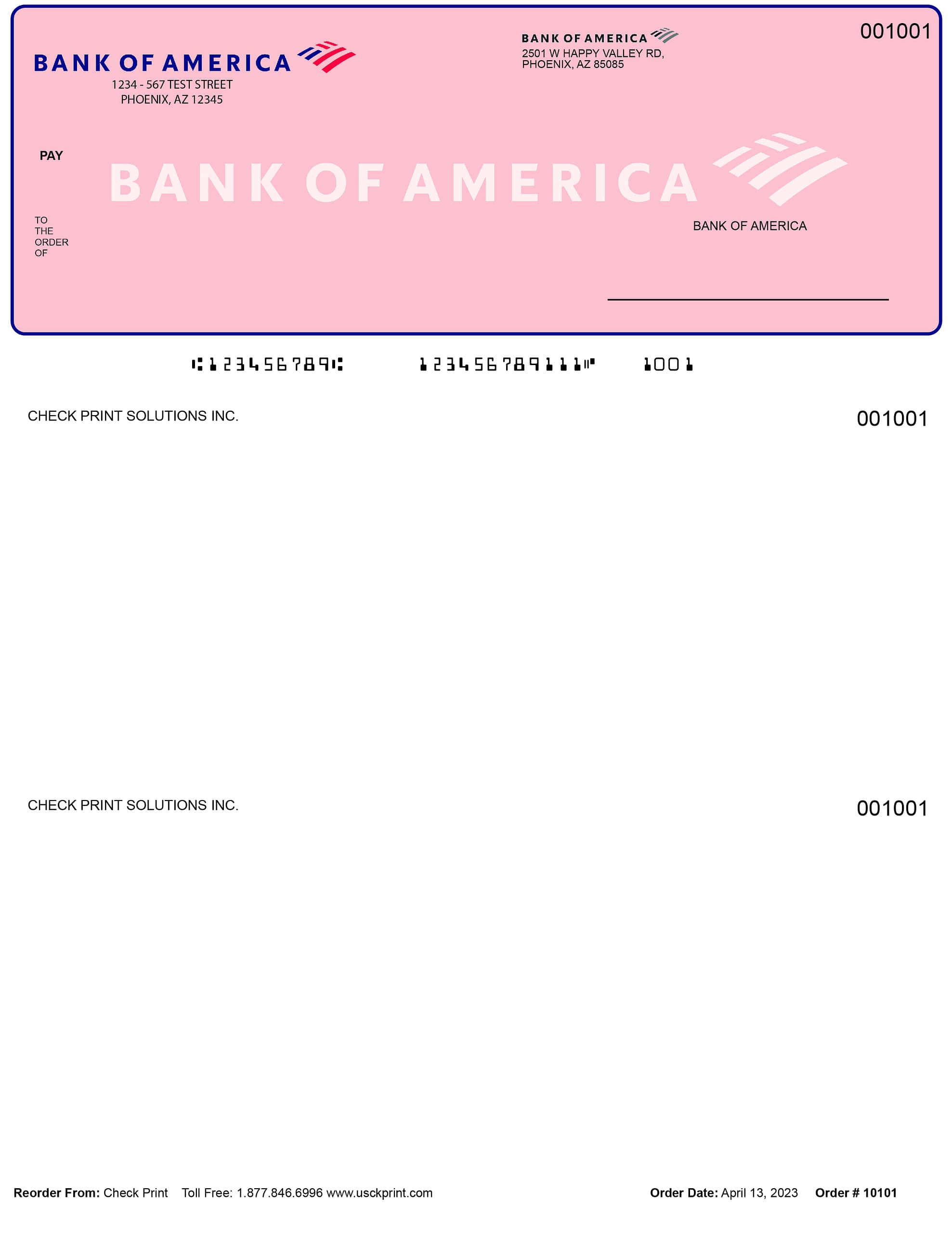
Once your new checks arrive, the process isn’t quite over. There are a few critical steps you should take to ensure everything is correct and secure. First, immediately inspect the checks for accuracy. Verify that your name, address, phone number (if included), and especially your Bank of America account number and routing number are printed correctly. Even a minor typo can cause significant issues when trying to cash or deposit a check. Second, count the checks to ensure the correct quantity was delivered. Third, and most importantly, securely store your checks. Keep them in a safe place, ideally a locked drawer or safe, where they are protected from theft or unauthorized access. Do not leave new checks lying around openly. If you find any discrepancies or errors, contact Bank of America or the check printer immediately to report the issue and arrange for replacements. Properly handling your new checks upon arrival is the final, vital step in securing your financial assets and preparing for their responsible use.
Beyond Traditional Checks: Digital Payments and Financial Preparedness
While this article focuses on ordering traditional checks, a truly comprehensive approach to personal finance in the modern era requires acknowledging and integrating digital payment solutions. Being financially prepared means having a diverse toolkit of payment methods and understanding when each is most appropriate.
Exploring Digital Alternatives: Zelle, Bill Pay, and More
Bank of America, like most major financial institutions, offers a robust suite of digital payment alternatives that can often replace the need for physical checks. Zelle is a popular peer-to-peer payment service integrated directly into the Bank of America mobile app and online banking platform. It allows you to send money directly from your bank account to another person’s bank account, often within minutes, using just their email address or U.S. mobile phone number. This is an excellent alternative for splitting bills with friends, paying contractors, or sending gifts. For recurring payments like utilities, rent (if the landlord accepts it), or subscriptions, Bank of America’s Online Bill Pay service is invaluable. You can schedule one-time or recurring payments to virtually any payee, and the bank handles the transfer, sometimes even sending a physical check on your behalf if the payee doesn’t accept electronic payments. Other digital options include wire transfers for large international or domestic payments, and using debit or credit cards for point-of-sale transactions or online purchases. Each of these methods offers unique advantages in speed, security, and record-keeping, complementing or even replacing the need for paper checks in many situations.
The Importance of Diversifying Payment Methods
Relying solely on one payment method, whether it’s physical checks or digital transfers, can leave you vulnerable. A diversified approach to payment methods offers greater flexibility and security. Imagine a scenario where your internet is down, preventing online transfers, but you need to pay a bill – a physical check becomes a lifeline. Conversely, if you’re traveling and need to send money instantly, a digital solution like Zelle is indispensable. Diversification also provides a layer of protection against fraud. If one payment method is compromised, you still have others to rely on. By understanding and utilizing various options – checks, debit cards, credit cards, online bill pay, Zelle, and even emerging digital wallets – you create a resilient financial system for yourself. This strategic approach ensures you’re never caught off guard and can always execute necessary financial transactions efficiently and securely, regardless of the circumstances or the specific requirements of the payee.
Maintaining Financial Agility in an Evolving Landscape
The financial landscape is constantly evolving, with new technologies and payment systems emerging regularly. Maintaining financial agility means staying informed and being adaptable. While ordering checks from Bank of America remains a fundamental necessity for many, it’s just one component of a broader strategy for managing your money. Regularly reviewing your payment habits, exploring new digital tools offered by Bank of America, and understanding the security implications of each method are key practices. This proactive approach ensures that your personal finance practices remain current, efficient, and secure. Whether it’s choosing the right check design, leveraging online bill pay, or securing your financial data, being financially agile means making informed decisions that align with your lifestyle and protect your assets in a world where both traditional and digital financial tools coexist and complement each other.
aViewFromTheCave is a participant in the Amazon Services LLC Associates Program, an affiliate advertising program designed to provide a means for sites to earn advertising fees by advertising and linking to Amazon.com. Amazon, the Amazon logo, AmazonSupply, and the AmazonSupply logo are trademarks of Amazon.com, Inc. or its affiliates. As an Amazon Associate we earn affiliate commissions from qualifying purchases.