
Establishing a secure and accessible bank account is a foundational step in effective personal finance management. For many, Chase, one of the largest and most well-established financial institutions in the United States, represents a compelling choice due to its extensive branch and ATM network, robust online and mobile banking platforms, and a diverse range of financial products. Opening an account with Chase can provide a reliable foundation for managing daily finances, saving for future goals, and accessing broader financial services.
This comprehensive guide will walk you through the process of opening a bank account at Chase, from understanding your initial banking needs to successfully managing your new account. We’ll explore the various account types, the essential documentation required, the step-by-step application process both online and in-branch, and crucial tips for maximizing your banking experience. Whether you’re a first-time account holder, looking to switch banks, or expanding your financial relationships, mastering the intricacies of opening a Chase account is a valuable exercise in financial literacy.

Understanding Your Banking Needs Before Choosing Chase
Before initiating the application process, it’s paramount to assess your individual financial requirements. Not all bank accounts are created equal, and Chase, like other major banks, offers a spectrum of options designed to cater to different financial habits and goals. A thoughtful evaluation of your needs will ensure you select the account that best aligns with your lifestyle and budget, preventing unnecessary fees and maximizing convenience.
Personal vs. Business Accounts
The first critical distinction to make is whether you need a personal or a business account.
- Personal Accounts are designed for individual financial management, covering everyday spending, savings, and personal investments. They are suitable for wages, household bills, and personal expenditures.
- Business Accounts are specifically tailored for commercial activities. If you own a small business, freelance, or generate income through a side hustle, it is crucial to separate your personal and business finances for clarity, tax purposes, and liability protection. Business accounts often come with specialized features like higher transaction limits, merchant services, and payroll solutions. While this guide primarily focuses on personal accounts, Chase offers a robust suite of business banking solutions as well.
Types of Personal Accounts Offered by Chase
Chase provides a variety of personal banking products, each with distinct features and benefits. Understanding these options is key to making an informed decision.
- Checking Accounts: These are the backbone of daily financial management, facilitating deposits, withdrawals, and payments.
- Chase Total Checking: Often the entry-level option, suitable for everyday banking with manageable monthly service fees that can usually be waived by meeting specific requirements (e.g., direct deposits, minimum daily balances). It offers a debit card, online bill pay, and access to Chase’s extensive ATM network.
- Chase Premier Plus Checking: Offers enhanced benefits over Total Checking, potentially including higher interest rates on linked savings accounts, no ATM fees at non-Chase ATMs (with rebates), and other perks, often with higher monthly service fees or stricter waiver requirements.
- Chase Sapphire Banking: A premium checking account designed for clients with significant balances, offering waived fees on certain services, no foreign transaction fees on debit card purchases, and potentially higher interest rates, alongside dedicated customer service.
- Savings Accounts: Designed for accumulating funds and earning interest.
- Chase Savings: A standard savings account that can be linked to a checking account for overdraft protection and easy transfers. It earns a modest interest rate and may have a monthly service fee that can be waived by maintaining a minimum balance, setting up an automatic transfer, or linking to certain Chase checking accounts.
- Chase Premier Savings: Often paired with Premier Plus Checking, this account typically offers higher interest rates with higher balances.
- Certificates of Deposit (CDs): For those willing to lock away funds for a specified period (term) in exchange for a fixed interest rate, which is typically higher than standard savings accounts. Chase offers various CD terms to suit different time horizons.
Key Features and Benefits to Consider
When comparing accounts, evaluate these critical aspects:
- Mobile and Online Banking: Assess the functionality of Chase’s digital platforms for ease of use, bill pay, mobile check deposit, transfers, budgeting tools, and Zelle (for quick person-to-person payments).
- ATM Access and Branch Network: Consider the convenience of Chase’s physical presence. Do they have branches and ATMs near your home, work, or frequently visited areas?
- Fraud Protection and Security: Understand the bank’s measures to protect your funds and personal information. Chase employs advanced security protocols, but knowing your role in maintaining security is also crucial.
- Customer Service: Evaluate the availability and quality of customer support channels (phone, chat, in-person).
- Sign-Up Bonuses: Chase frequently offers promotional bonuses for new checking and/or savings account customers who meet specific deposit or direct deposit requirements. These can provide a valuable incentive to open an account.
Fees and Minimum Balances
A crucial element of choosing the right account is understanding its cost structure.
- Monthly Service Fees: Most Chase checking and savings accounts have monthly maintenance fees, but these are frequently waivable by meeting specific conditions, such as maintaining a minimum daily balance, having eligible direct deposits, linking accounts, or being a student.
- ATM Fees: While using Chase ATMs is free, using out-of-network ATMs often incurs fees from both Chase and the ATM owner.
- Overdraft Fees: If you spend more than you have in your account, Chase may charge an overdraft fee. Understanding overdraft protection options (linking to savings, credit line) is important.
- Other Fees: Be aware of potential fees for services like stop payments, wire transfers, or international transactions. Reviewing the account disclosures thoroughly will provide a comprehensive understanding of all potential charges.
The Step-by-Step Process for Opening an Account
Once you’ve identified the Chase account that best suits your financial profile, the next step is to navigate the application process. Chase offers both online and in-branch options, each with its own advantages. Regardless of the method you choose, preparedness is key to a smooth experience.
Gathering Required Documents
Before you start, collect the necessary documents. This ensures a quick and efficient application.
- Proof of Identity: You will need at least one form of valid, government-issued photo identification. Common examples include:
- U.S. Driver’s License or State ID
- U.S. Passport or Foreign Passport (with valid visa if applicable)
- Military ID
- Proof of Address: A document verifying your current residential address, which must match the address on your ID or be presented as supplementary proof. Examples include:
- Utility Bill (electricity, gas, water) from the last 60 days
- Lease Agreement or Mortgage Statement
- Mail from a government agency (e.g., tax statement)
- Social Security Number (SSN) or Individual Taxpayer Identification Number (ITIN): This is required for tax reporting purposes and to verify your identity. Non-residents eligible to bank in the U.S. may use an ITIN.
- Initial Deposit Funds: You will need funds to make your initial deposit, which is required to fully open and activate most accounts. The minimum initial deposit varies by account type but can be as low as $0 or $25 for some checking accounts.
Online Application Process
Opening a Chase account online is often the quickest and most convenient method, available 24/7 from the comfort of your home.
- Visit the Chase Website: Navigate to Chase.com and look for the “Open an Account” or “Personal” banking section.
- Select Your Account Type: Choose the checking, savings, or other account you wish to open. Review the features and terms carefully.
- Start Application: Click the “Open Account” or “Apply Now” button.
- Provide Personal Information: You will be prompted to enter your personal details, including your full name, date of birth, SSN/ITIN, contact information (phone and email), and current address.
- Review and Consent: Read through the account terms and conditions, privacy policy, and other disclosures. You’ll need to provide your consent electronically.
- Identity Verification: Chase uses secure online methods to verify your identity. This might involve answering security questions based on your credit history, or in some cases, you may be asked to upload scans of your ID and proof of address.
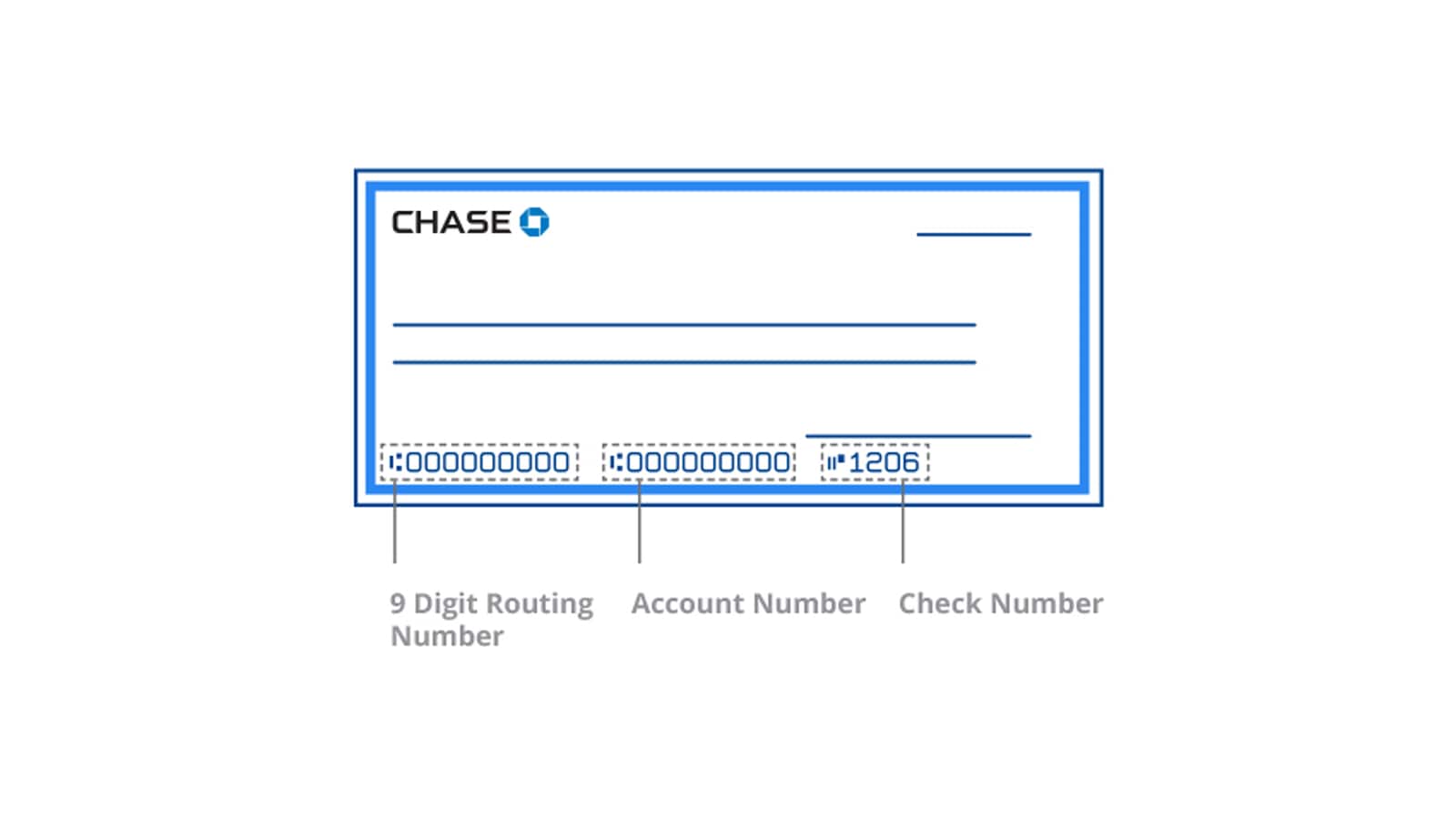
- Fund Your Account: You can typically make your initial deposit by transferring funds from an existing bank account (via account number and routing number), using a debit card, or by scheduling an electronic transfer.
- Confirmation: Once submitted, you’ll usually receive an immediate confirmation that your application is under review or approved. If approved, you’ll receive an account number and can often set up online banking right away. Your debit card and checks will be mailed to you within 7-10 business days.
In-Branch Application Process
For those who prefer face-to-face interaction, have complex banking needs, or encounter issues with the online application, visiting a Chase branch is an excellent option.
- Locate a Branch: Use the Chase branch locator tool on their website to find the nearest branch.
- Schedule an Appointment (Optional but Recommended): While walk-ins are welcome, scheduling an appointment can minimize wait times and ensure a banking specialist is available to assist you.
- Bring All Required Documents: Ensure you have your valid ID, proof of address, SSN/ITIN, and your initial deposit funds with you.
- Meet with a Banking Specialist: A Chase representative will guide you through the application forms, explain account features, and answer any questions you may have. They can help you choose the best account for your needs and explain fee waiver options.
- Complete and Sign Forms: You will fill out and sign the necessary account opening documents.
- Make Initial Deposit: Provide your initial deposit to the specialist, who will process it for you.
- Account Activation and Setup: Your account will typically be activated immediately. You may receive a temporary debit card on the spot. The specialist can also help you enroll in online banking and set up your mobile app. Your permanent debit card and checkbook will be mailed.
Setting Up Your Initial Deposit
Regardless of the application method, funding your account is a critical final step.
- Electronic Transfer: From an existing bank account via routing and account numbers.
- Debit Card: Using a debit card from another bank for an immediate transfer.
- Cash or Check: For in-branch applications, you can deposit cash or a physical check.
- Wire Transfer: Less common for initial deposits, but an option for larger sums.
Account Verification and Activation
After applying, there might be a short verification period, especially for online applications where documents are uploaded. Once approved, you’ll gain full access to your account.
- Receive Debit Card and Checks: These are typically mailed separately for security reasons. Activate your debit card upon receipt.
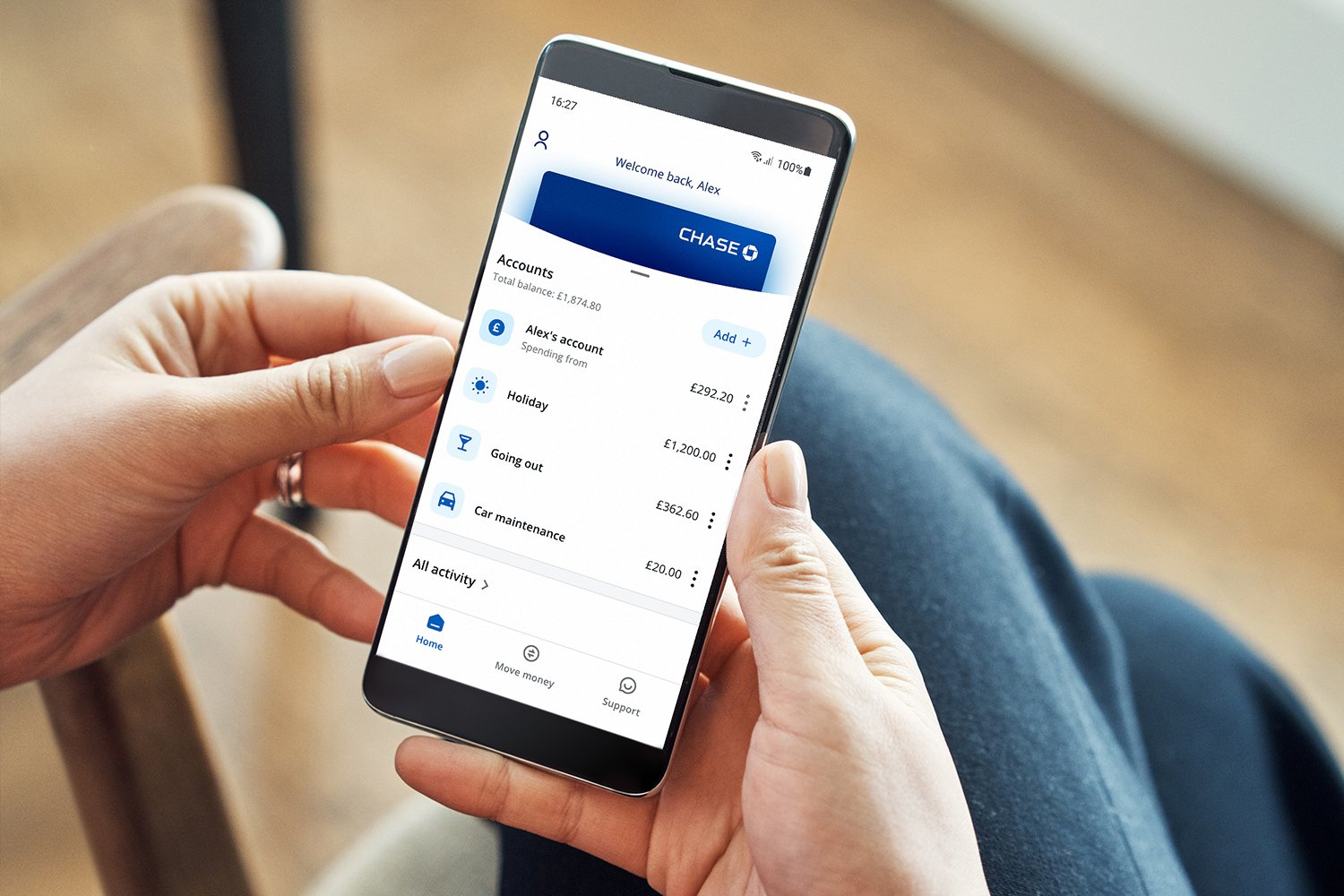
- Set Up Online Banking and Mobile App: Crucially, enroll in Chase Online and download the Chase Mobile app. This is where you’ll manage most of your day-to-day banking, from checking balances to paying bills.
Managing Your New Chase Account Effectively
Opening a Chase account is just the beginning; proficient management is essential for maximizing its benefits and avoiding pitfalls. By leveraging Chase’s digital tools and understanding best practices, you can streamline your financial operations and maintain healthy account standing.
Mastering Online and Mobile Banking
Chase offers industry-leading digital platforms that empower you to manage your finances with ease.
- Features: Explore functionalities such as:
- Bill Pay: Schedule one-time or recurring payments to various vendors.
- Transfers: Easily move money between your Chase accounts or to external accounts.
- Mobile Check Deposit: Deposit checks directly from your smartphone by taking a photo.
- Budgeting Tools: Utilize built-in tools or link to third-party apps for expense tracking and budgeting.
- Zelle: Send and receive money quickly with friends and family using just their email or phone number.
- Security Best Practices: Always use strong, unique passwords, enable two-factor authentication, monitor your account activity regularly, and be wary of phishing attempts. Never share your login credentials.
Understanding Account Statements and Notifications
Regularly reviewing your account information is vital for financial hygiene and fraud prevention.
- Regular Review: Check your monthly statements and online transaction history for any unauthorized activity, discrepancies, or errors.
- Setting Up Alerts: Customize alerts via email or text for low balances, large transactions, direct deposits, or potential fraud to stay informed in real-time.
Avoiding Common Fees
Proactive management can help you avoid unnecessary charges.
- Maintaining Minimum Balances: If your account has a monthly service fee that can be waived by maintaining a minimum daily balance, actively monitor your balance to ensure you meet this requirement.
- Using In-Network ATMs: Stick to Chase ATMs to avoid withdrawal fees. If you have an account that offers non-Chase ATM rebates, understand its specific terms.
- Overdraft Protection Options: Enroll in overdraft protection by linking your checking account to a savings account or a line of credit. This can prevent declined transactions and high overdraft fees, though transfers from a credit line might incur interest.
- Enroll in Direct Deposit: Often a key requirement for waiving monthly fees on checking accounts.
Leveraging Additional Chase Services
As you become comfortable with your core banking, explore other financial products and services Chase offers that could benefit you.
- Credit Cards: Chase offers a wide range of credit cards with various rewards programs, balance transfer options, and introductory APRs.
- Loans: Personal loans, mortgages, auto loans, and student loans are available through Chase.
- Investment Opportunities: Explore Chase’s investment platforms, including self-directed investing and advisor-guided options, for long-term wealth building.
- Financial Advisors: For more complex financial planning, Chase offers access to financial advisors who can help with retirement planning, estate planning, and investment strategies.
Important Considerations and Tips for Banking with Chase
Opening and managing a bank account is a significant financial step. Being aware of various practical aspects and additional considerations will enhance your banking experience with Chase and ensure you’re making the most informed decisions.
Eligibility Requirements and Restrictions
While Chase aims to serve a broad clientele, certain criteria must be met:
- Age: You must typically be at least 18 years old to open a primary checking or savings account. Minors may open joint accounts with an adult.
- Residency: Generally, you need to be a U.S. citizen or a resident alien with a valid SSN or ITIN. Some non-residents with specific visa types may also be eligible.
- Prior Banking History: Chase, like other banks, uses systems like ChexSystems to review your banking history. A history of frequent overdrafts, unpaid bank fees, or fraudulent activities with previous banks could make it difficult to open a new account.
Security and Fraud Protection
Chase employs robust security measures, but your vigilance is equally crucial:
- Bank’s Measures: Chase utilizes encryption, multi-factor authentication, and sophisticated fraud detection systems. They also offer zero liability protection for unauthorized debit card transactions.
- Your Role: Regularly monitor your account activity, safeguard your debit card and PIN, create strong unique passwords, be wary of suspicious emails or texts (phishing), and immediately report any lost or stolen cards or suspicious activity to Chase.
Customer Support Channels
Knowing how to reach Chase for assistance is vital:
- Phone Support: Available 24/7 for general inquiries, fraud reporting, and technical assistance.
- Secure Message/Chat: Accessible through your online banking portal for less urgent, secure communication.
- In-Person Branch Visits: For complex issues, personalized advice, or transactions that require a physical presence.
- Social Media: While not for sensitive account details, Chase’s social media teams can often direct you to the right resources for general questions.
Potential Account Switching Incentives
If you’re moving from another bank, look out for Chase’s sign-up bonuses. These promotions are designed to attract new customers and often involve meeting specific direct deposit or spending thresholds within a certain timeframe to receive a cash bonus. While attractive, always read the fine print to ensure you understand the requirements and any potential tax implications of receiving a bonus.
In conclusion, opening a bank account at Chase is a straightforward process that offers access to a comprehensive suite of financial services. By carefully evaluating your needs, preparing your documents, and understanding the application steps, you can successfully establish a secure and efficient banking relationship. Beyond the initial setup, proactive management of your account through online tools, diligent monitoring, and an awareness of fees will empower you to navigate your financial landscape effectively, making Chase a valuable partner in your personal finance journey.
aViewFromTheCave is a participant in the Amazon Services LLC Associates Program, an affiliate advertising program designed to provide a means for sites to earn advertising fees by advertising and linking to Amazon.com. Amazon, the Amazon logo, AmazonSupply, and the AmazonSupply logo are trademarks of Amazon.com, Inc. or its affiliates. As an Amazon Associate we earn affiliate commissions from qualifying purchases.