
Securing funding is often a critical juncture for any business, and for those structured as Limited Liability Companies (LLCs), the process comes with its own unique considerations. An LLC offers a distinct legal separation between the business and its owners, which has significant implications when seeking financial capital. While this structure provides liability protection, it also shapes how lenders assess risk and eligibility. Navigating the landscape of business loans for an LLC requires a clear understanding of financial preparedness, lender expectations, and the various funding avenues available. This comprehensive guide will illuminate the path for LLC owners looking to finance their entrepreneurial ventures, ensuring they are well-equipped to secure the capital needed for growth and sustainability.
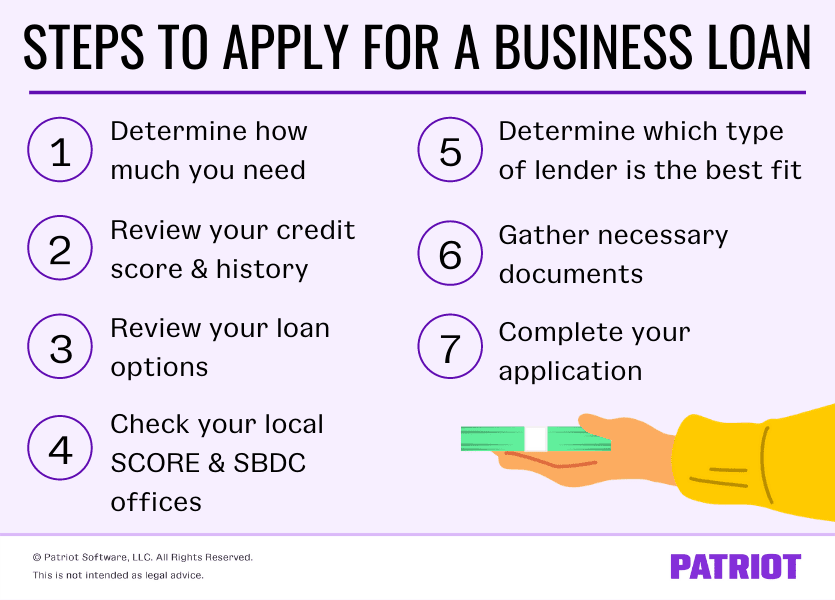
Understanding Your LLC and Loan Fundamentals
Before embarking on the journey to secure a business loan, it’s crucial for LLC owners to grasp the fundamental interplay between their business structure and the lending process. This foundational knowledge will inform every subsequent step, from preparing documents to selecting the right lender.
What is an LLC and Why Does it Matter for Loans?
A Limited Liability Company (LLC) is a popular business structure that offers its owners the liability protection of a corporation combined with the pass-through taxation benefits of a partnership or sole proprietorship. This legal separation means that the personal assets of the owners are generally shielded from business debts and liabilities. From a lender’s perspective, this separation is a double-edged sword. While it’s beneficial for the owner, it can sometimes make it harder for the business itself to establish its own credit history, especially for newer LLCs. Lenders primarily assess the business’s ability to repay the loan, and without substantial operating history or assets within the LLC, they might require personal guarantees from the owners, blurring the lines of liability protection temporarily. Understanding this dynamic is crucial for setting realistic expectations and preparing accordingly.
Distinguishing Between Personal and Business Credit
One of the most significant aspects for an LLC seeking a loan is the distinction between personal and business credit. In the early stages of an LLC, particularly if it lacks a robust financial history or significant assets, lenders will often heavily scrutinize the personal credit score and financial standing of the principal owner(s). This is because the business itself may not yet have a distinct credit profile.
- Personal Credit: Your personal credit score (FICO, VantageScore) reflects your individual history of managing debt, including credit cards, mortgages, and personal loans. A strong personal credit score (typically 680+) is often a prerequisite for an LLC to secure its first business loan, as it demonstrates your reliability as a borrower. Lenders use it as an indicator of your ability to manage financial obligations, even if those obligations are separate from the business.
- Business Credit: Business credit is built over time through consistent and responsible financial activities directly linked to your LLC. This includes paying suppliers on time, obtaining business credit cards, and managing business loans or lines of credit. Establishing a strong business credit profile—separate from your personal credit—is a strategic goal for any LLC. It allows the business to qualify for larger loans with more favorable terms in the future, often without requiring personal guarantees, thereby fully leveraging the liability protection of the LLC structure. Building business credit involves obtaining a Dun & Bradstreet (DUNS) number, ensuring all business expenses are paid on time, and establishing vendor accounts that report to business credit bureaus.
Essential Preparations Before Applying
The success of your loan application hinges significantly on the thoroughness of your preparation. Lenders are looking for a clear demonstration of your business’s viability and your ability to manage debt. Skipping these crucial steps can lead to delays or outright rejection.
Gathering Key Financial Documents
Lenders require a comprehensive suite of financial documents to assess your LLC’s current financial health and historical performance. This provides them with the data necessary to evaluate risk and determine loan terms. Essential documents typically include:
- Business Bank Statements: Usually for the last 6-12 months, these show cash flow, revenue, and consistent operational activity.
- Personal Bank Statements: Lenders might request these, especially for newer LLCs or if a personal guarantee is involved, to assess personal financial stability.
- Profit and Loss (P&L) Statements: Also known as income statements, these report your business’s revenues, costs, and profits over a specific period (e.g., quarterly, annually).
- Balance Sheets: These provide a snapshot of your LLC’s financial health at a specific point in time, detailing assets, liabilities, and owner’s equity.
- Tax Returns: Business tax returns (e.g., Form 1120-S, Form 1065) for the past 2-3 years, and potentially personal tax returns (Form 1040), demonstrate declared income and financial consistency.
- Accounts Receivable and Payable Aging Reports: These show how quickly customers pay you and how quickly you pay your vendors, indicating cash flow management.
Having these documents meticulously organized and up-to-date will streamline the application process and present your LLC in the best possible light.
Building a Strong Business Plan
Beyond financial statements, a well-crafted business plan serves as a roadmap for your LLC’s future and a persuasive argument for potential lenders. It articulates your vision, strategy, and how the loan funds will be utilized for growth. A strong business plan should include:
- Executive Summary: A concise overview of your business, its mission, products/services, and growth objectives.
- Company Description: Details about your LLC’s structure, history, and legal standing.
- Market Analysis: Research on your industry, target market, competitors, and competitive advantages.
- Organization and Management: Information about your management team, their experience, and legal structure.
- Service or Product Line: Detailed descriptions of what your LLC offers.
- Marketing and Sales Strategy: How you plan to reach customers and generate revenue.
- Funding Request: A clear explanation of how much money you need, how it will be used, and how it will contribute to profitability.
- Financial Projections: Realistic forecasts of future income, expenses, and cash flow, demonstrating your ability to repay the loan.
A robust business plan reassures lenders that you have a clear understanding of your market, a viable strategy, and a concrete use for their funds.
Understanding Your Credit Profile (Personal and Business)
As discussed earlier, both your personal and business credit profiles are vital. Before applying, obtain copies of your personal credit reports from Experian, Equifax, and TransUnion. Review them for accuracy and dispute any errors. Similarly, pull your business credit report from agencies like Dun & Bradstreet, Experian Business, and Equifax Business. Understanding these reports allows you to identify areas for improvement and address any red flags proactively. A strong credit profile, both personal and business, will significantly enhance your loan eligibility and help secure more favorable interest rates and terms. If either profile is weak, dedicate time to improve it before applying, even if it means delaying your application for a few months.
Navigating Loan Types and Lenders for LLCs
The lending landscape offers a diverse array of options for LLCs, each suited to different needs, stages of business, and risk profiles. Understanding these options is key to identifying the best fit for your specific situation.
Traditional Bank Loans vs. Online Lenders
When it comes to sourcing business loans, LLCs typically choose between traditional banks and the growing ecosystem of online lenders.
- Traditional Bank Loans: Banks, credit unions, and other conventional financial institutions often provide the most competitive interest rates and favorable terms for well-established LLCs with strong credit histories and collateral. They offer various products like term loans, lines of credit, and commercial mortgages. However, their application processes are usually more rigorous, require extensive documentation, and can take several weeks or even months for approval. They tend to favor businesses with a proven track record, making them potentially harder for newer LLCs to access without significant personal guarantees.
- Online Lenders: The rise of FinTech has brought forth a multitude of online lenders offering a faster, more streamlined application process. They often have more flexible eligibility criteria, making them accessible to newer LLCs or those with less-than-perfect credit. Online lenders specialize in various products, from short-term loans and merchant cash advances to invoice factoring and longer-term financing. While convenience and speed are major advantages, interest rates can be higher, and terms might be less flexible than traditional banks. They are an excellent option for urgent funding needs or for LLCs that don’t meet strict bank criteria.
The choice between these two largely depends on your LLC’s age, financial health, credit profile, and the urgency of your funding needs.
SBA Loans: A Powerful Option for Small Businesses
The U.S. Small Business Administration (SBA) doesn’t lend money directly but guarantees a portion of loans made by approved lenders (banks and credit unions). This government backing reduces the risk for lenders, encouraging them to provide financing to small businesses that might not otherwise qualify. SBA loans are particularly attractive for LLCs due to their:
- Lower Interest Rates: Often comparable to prime rates, making them very affordable.
- Longer Repayment Terms: Providing more manageable monthly payments.
- Lower Down Payments: Reducing the initial financial burden.
- Flexible Use of Funds: Can be used for working capital, equipment purchases, real estate, and more.
Popular SBA loan programs include the 7(a) loan (the most common, for general business purposes), the CDC/504 loan (for real estate and equipment), and microloans (smaller loans for startups and very small businesses). While the application process for SBA loans can be extensive, requiring substantial documentation and a strong business plan, the benefits often outweigh the effort for qualifying LLCs.
Alternative Funding Solutions (e.g., Lines of Credit, Invoice Factoring)

Beyond traditional term loans and SBA options, several alternative funding solutions can be beneficial for LLCs, especially for managing cash flow or addressing specific short-term needs:
- Business Lines of Credit: Similar to a credit card, a line of credit provides access to a revolving pool of funds up to a certain limit. You only pay interest on the amount you draw, making it ideal for managing seasonal fluctuations, unexpected expenses, or bridging cash flow gaps.
- Invoice Factoring/Financing: If your LLC deals with clients who pay on net 30, 60, or 90-day terms, invoice factoring allows you to sell your outstanding invoices to a third party (the factor) at a discount. You receive immediate cash, and the factor collects the payment from your client. Invoice financing, a variation, uses invoices as collateral for a loan. These are excellent options for LLCs with significant accounts receivable needing quick access to working capital.
- Equipment Financing: If your LLC needs to purchase heavy machinery, vehicles, or technology, equipment financing provides specific loans where the equipment itself serves as collateral. This can reduce the risk for lenders and make it easier to qualify.
- Merchant Cash Advances (MCAs): An MCA provides a lump sum of cash in exchange for a percentage of your future debit and credit card sales. While quick and easy to obtain, MCAs often come with very high effective interest rates and are generally considered a last resort due to their cost.
Choosing the right type of financing involves carefully assessing your LLC’s specific needs, cash flow patterns, and tolerance for risk and cost.
The Application Process: Step-by-Step
Once your LLC is prepared and you’ve identified suitable loan types and lenders, it’s time to dive into the application process. A methodical approach will maximize your efficiency and chances of success.
Crafting a Compelling Loan Application
A loan application is more than just a form; it’s your LLC’s opportunity to present itself as a creditworthy and reliable borrower.
- Read Instructions Carefully: Each lender has specific requirements. Ensure you understand every field and requested document.
- Accuracy and Consistency: Double-check all financial figures, dates, and contact information. Inconsistencies or errors can raise red flags.
- Clarity and Conciseness: Provide direct answers. While your business plan provides depth, the application itself should be easy to digest.
- Tell Your Story (Briefly): In any narrative sections, articulate your LLC’s mission, its value proposition, and how the loan will specifically drive growth or solve a critical need. This demonstrates purpose and strategic thinking.
- Address Weaknesses Proactively: If your LLC has a weakness (e.g., a dip in revenue, a recent large expense), be prepared to explain it in a cover letter or during the discussion. Transparency builds trust.
- Review Before Submission: Have someone else review your application for clarity, completeness, and errors.
A well-presented, thorough application reflects professionalism and competence, signaling to the lender that your LLC is well-managed.
What Lenders Look For in an LLC Applicant
Lenders employ a set of criteria, often referred to as the “5 Cs of Credit,” to evaluate the creditworthiness of an LLC:
- Character: Your personal and business integrity. This is often judged by your credit history, professional reputation, and the clarity of your business plan.
- Capacity: Your LLC’s ability to repay the loan. This is assessed through cash flow analysis, debt-to-income ratios, and financial projections. Lenders want to see sufficient and consistent revenue.
- Capital: The amount of money the owners have personally invested in the business. This demonstrates commitment and reduces the lender’s risk.
- Collateral: Assets that can be pledged to secure the loan, reducing the lender’s risk if the LLC defaults. For LLCs, this could include real estate, equipment, inventory, or accounts receivable.
- Conditions: The economic conditions of your industry, the general economy, and the specific terms of the loan (e.g., interest rates, repayment schedule). Lenders want to see that your business operates in a stable or growing market.
For LLCs, especially newer ones, lenders will also pay close attention to the individual owners’ credit scores and willingness to provide personal guarantees, as the business itself might not have enough established “character” or “capital” of its own.
Common Pitfalls to Avoid
Navigating the loan application process can be fraught with potential missteps. Being aware of these common pitfalls can help your LLC avoid unnecessary delays or rejections:
- Incomplete or Disorganized Documentation: This is a major red flag for lenders, suggesting poor management or a lack of attention to detail.
- Poor Credit History (Personal or Business): A low credit score signals high risk. Address credit issues before applying.
- Insufficient Cash Flow: Even with strong revenue, if your cash flow isn’t consistently positive enough to cover loan payments, you’ll struggle to qualify.
- Lack of a Clear Business Plan: Without a well-defined plan, lenders won’t understand your vision or how you intend to use and repay the funds.
- Unrealistic Financial Projections: Overly optimistic forecasts can undermine your credibility. Be realistic and base projections on solid market research.
- Applying for the Wrong Loan Type: Seeking a long-term real estate loan for short-term working capital needs, for instance, is a mismatch that signals a lack of understanding.
- Failure to Address Past Financial Issues: If your LLC has experienced financial difficulties, be transparent and explain the steps taken to rectify the situation.
- Not Shopping Around: Settling for the first offer without comparing terms from multiple lenders can lead to higher costs.
Avoiding these common mistakes will significantly improve your LLC’s chances of securing a business loan on favorable terms.
Maximizing Your Chances of Approval and Beyond
Once you’ve submitted your application, the journey isn’t over. Strategic actions can enhance your approval odds, and successful loan management is crucial for your LLC’s long-term financial health.
Strategies to Strengthen Your Application
Even with a comprehensive application, there are additional steps LLCs can take to make their proposal more compelling:
- Provide a Personal Guarantee: While an LLC structure aims to protect personal assets, offering a personal guarantee (especially for newer businesses) can significantly reduce the lender’s risk and increase your approval chances. It demonstrates your personal commitment to the business’s success and willingness to stand behind its obligations.
- Offer Collateral: If your LLC has valuable assets (e.g., equipment, real estate, inventory, accounts receivable), offering them as collateral can make your loan application more attractive. Secured loans typically come with lower interest rates and better terms because the lender has recourse in case of default.
- Improve Your Credit Scores: If your personal or business credit scores are borderline, take active steps to improve them before applying. This might involve paying down existing debts, disputing errors on your credit report, or ensuring all payments are made on time.
- Show Strong Cash Reserves: Demonstrating that your LLC has sufficient cash reserves to cover several months of operating expenses, including potential loan payments, reassures lenders about your liquidity.
- Have a Clear Exit Strategy (for the loan): While repayment is the primary strategy, some businesses also present a plan for refinancing or paying off the loan early if specific milestones are met, showing forward-thinking financial management.
- Cultivate a Relationship with a Banker: Establishing a relationship with a local bank or credit union before you need a loan can be invaluable. They will get to know your business, making the lending process smoother when the time comes.
Implementing these strategies can transform a good application into an exceptional one, significantly improving your LLC’s prospects for loan approval.
Managing Your Loan and Future Growth
Securing a business loan is a significant achievement, but it’s just the beginning. Effective loan management is paramount to ensuring the loan contributes positively to your LLC’s growth and doesn’t become a burden.
- Adhere to Repayment Schedule: Make all payments on time, every time. This is critical for maintaining a good relationship with your lender and building your business credit score.
- Monitor Cash Flow: Continuously track your LLC’s income and expenses to ensure you always have sufficient funds to cover loan payments. Adjust your budget or operational strategies as needed.
- Utilize Funds Wisely: Stick to the plan outlined in your loan application. Using funds for unapproved purposes can lead to issues with your lender and jeopardize your LLC’s financial health.
- Maintain Financial Records: Keep impeccable records of all financial transactions, including loan statements and payments. This is essential for tax purposes and future financial planning.
- Communicate with Your Lender: If your LLC faces unexpected financial challenges that might affect your ability to make payments, communicate proactively with your lender. They may be willing to work with you on modified terms rather than letting you default.
- Review and Refinance: As your LLC grows and establishes a stronger financial track record, periodically review your loan terms. You might qualify for refinancing at a lower interest rate or with more favorable terms, potentially saving your business a substantial amount over the life of the loan.
Responsible loan management not only ensures the successful repayment of your current loan but also strengthens your LLC’s financial reputation, paving the way for easier access to capital in the future.

When to Seek Professional Guidance
While this guide provides extensive information, the world of business finance can be complex. There are several instances where seeking professional guidance can be invaluable for your LLC:
- Complex Financial Situations: If your LLC has intricate financial structures, multiple revenue streams, or unusual asset classes, a financial advisor or accountant can help untangle the complexities and present your finances clearly to lenders.
- Difficulty in Preparing Financial Documents: If compiling accurate profit and loss statements, balance sheets, or cash flow projections seems daunting, a professional accountant can ensure your documents are correct and lender-ready.
- Struggling with a Business Plan: An experienced business consultant or mentor can provide expert advice on refining your business plan, making it more compelling and realistic for lenders.
- Unclear on Loan Options: If you’re overwhelmed by the array of loan products and lenders, a financial advisor specializing in small business finance can help you identify the most suitable options for your LLC’s specific needs and stage of development.
- Repeated Loan Rejections: If your LLC has been repeatedly denied loans, a professional can help identify the underlying issues, address weaknesses, and strategize a more successful approach.
- Legal Considerations: For complex loan agreements or when collateralizing significant assets, consulting with a business attorney is crucial to ensure all terms are understood and your LLC’s interests are protected.
Investing in professional guidance can save your LLC time, money, and frustration, ultimately leading to a more successful funding outcome and stronger financial foundation.
Securing a business loan with an LLC is a strategic undertaking that requires diligent preparation, a clear understanding of financial requirements, and careful selection of lending partners. By focusing on building strong credit, maintaining meticulous financial records, crafting a compelling business plan, and understanding the diverse landscape of lending options, LLC owners can confidently navigate the path to securing the capital necessary to fuel their ventures and achieve their growth ambitions.
aViewFromTheCave is a participant in the Amazon Services LLC Associates Program, an affiliate advertising program designed to provide a means for sites to earn advertising fees by advertising and linking to Amazon.com. Amazon, the Amazon logo, AmazonSupply, and the AmazonSupply logo are trademarks of Amazon.com, Inc. or its affiliates. As an Amazon Associate we earn affiliate commissions from qualifying purchases.