
The enigmatic world of prion proteins represents one of biology’s most compelling and, at times, terrifying puzzles. While inherently a biological entity, understanding and combating prions has increasingly become a domain heavily reliant on cutting-edge technology. From advanced computational modeling to sophisticated diagnostic tools and innovative therapeutic approaches, the quest to unravel “what is prion protein” is a testament to the power of interdisciplinary technological integration. These unique proteinaceous infectious particles defy conventional definitions of life, lacking nucleic acids, yet possessing the ability to self-propagate by inducing normal proteins to misfold. This anomaly presents profound challenges that only advanced technology can begin to address.

The Fundamental Challenge: Understanding Protein Misfolding with Advanced Computing
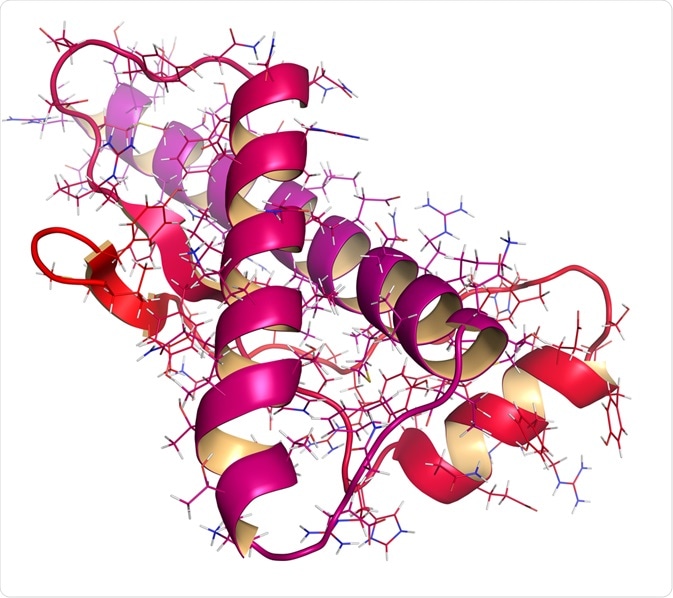
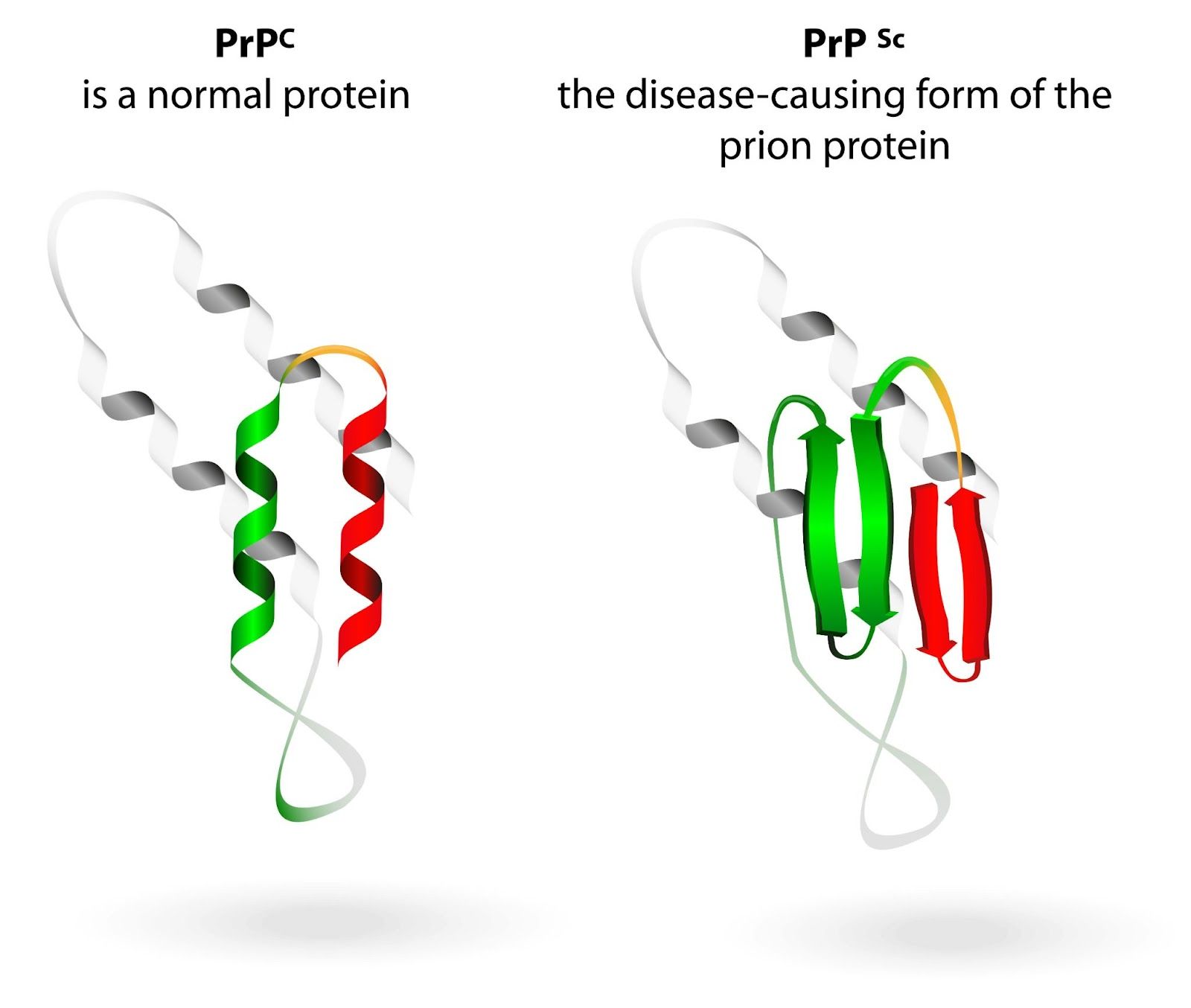
At its core, a prion protein (PrP) is a normal cellular protein, PrPC (cellular prion protein), that undergoes a conformational change to an abnormal, disease-causing form, PrPSc (scrapie prion protein). This misfolded PrPSc then acts as a template, forcing other normal PrPC molecules to adopt the same pathological structure, leading to aggregation and neurodegeneration. Deciphering this intricate process of protein misfolding and propagation is a monumental task, one where traditional wet-lab experiments are significantly augmented by computational prowess.
AI in Decoding Protein Structure and Function
Artificial intelligence (AI) and machine learning (ML) are at the forefront of efforts to understand prion behavior. Predictive algorithms, trained on vast datasets of protein structures and folding patterns, are being deployed to model the complex transitions from PrPC to PrPSc. Tools like AlphaFold and RosettaFold, initially developed for general protein structure prediction, are now being adapted to analyze the subtle conformational shifts that initiate prion conversion. AI can identify critical amino acid sequences or structural motifs that make a protein susceptible to misfolding, or conversely, those that might confer resistance. This deep learning approach can process data faster and identify patterns invisible to the human eye, accelerating the hypothesis generation process for prion research. Furthermore, AI is crucial for dissecting the myriad interactions between PrP and other cellular components, providing a holistic view of the disease pathology that informs targeted therapeutic development.
Predictive Modeling and Simulation Software
Beyond static structure prediction, dynamic simulation software is indispensable for understanding the temporal evolution of prion misfolding and aggregation. Molecular dynamics simulations, leveraging high-performance computing clusters, allow researchers to observe protein behavior at an atomic level over femtosecond to microsecond timescales. These simulations can map the energy landscapes of protein folding, identifying transition states and intermediate structures that are fleeting and difficult to capture experimentally. By simulating the interaction of PrPSc with PrPC, scientists can visualize the “seeding” mechanism and the subsequent fibril formation, which is characteristic of prion diseases. These virtual experiments provide invaluable insights into the thermodynamics and kinetics of prion propagation, helping to pinpoint potential intervention points for drug design. Furthermore, software suites for bioinformatics and cheminformatics are used to screen vast libraries of compounds for potential inhibitors of prion conversion or aggregation, an endeavor that would be impossibly slow without digital acceleration.
Diagnosing the Invisible: Breakthroughs in Detection Technology
One of the most significant hurdles in managing prion diseases, such as Creutzfeldt-Jakob disease (CJD) in humans or bovine spongiform encephalopathy (BSE) in cattle, is the difficulty of early and accurate diagnosis. Prions accumulate slowly, and clinical symptoms often appear late in the disease progression, by which time significant neurological damage has occurred. Technological advancements in diagnostics are crucial for early detection, enabling potential interventions and improved disease management.
Advanced Imaging and Spectroscopy
Traditional diagnostic methods often rely on post-mortem brain tissue analysis. However, non-invasive or minimally invasive techniques are emerging. Advanced magnetic resonance imaging (MRI) sequences, for instance, are being refined to detect subtle changes in brain tissue density or fluid dynamics that might correlate with early prion pathology. Beyond standard MRI, Diffusion Tensor Imaging (DTI) and functional MRI (fMRI) offer insights into white matter integrity and neuronal activity, respectively, which can be altered in prion diseases. Furthermore, spectroscopic techniques like Fourier-transform infrared (FTIR) spectroscopy and Raman spectroscopy are being explored for their ability to detect the conformational differences between PrPC and PrPSc in biological samples. These techniques analyze the vibrational modes of molecules, providing a “fingerprint” of protein secondary structure, which can differentiate between healthy and misfolded forms. The development of portable and sensitive spectroscopic devices could revolutionize point-of-care diagnostics for prion-related conditions.
Biosensors and Rapid Diagnostic Tools
The development of highly sensitive biosensors is another frontier in prion detection. Researchers are engineering biosensors that can detect minute quantities of PrPSc in biological fluids like blood, cerebrospinal fluid, or urine, potentially enabling pre-symptomatic diagnosis. Technologies being explored include surface plasmon resonance (SPR) biosensors, electrochemical biosensors, and quartz crystal microbalance (QCM) sensors, which can detect specific binding events or mass changes indicative of PrPSc presence. These sensors are often coupled with amplification techniques, such as real-time quaking-induced conversion (RT-QuIC) or protein misfolding cyclic amplification (PMCA), which can rapidly amplify small amounts of PrPSc into detectable quantities. RT-QuIC, for example, uses recombinant PrPC as a substrate and monitors its aggregation in the presence of PrPSc seeds. These automated, high-throughput technologies offer the promise of rapid, sensitive, and specific prion detection, crucial for both clinical diagnosis and surveillance in agricultural settings to prevent disease transmission.
Engineering Solutions: Biotech Approaches to Prion Diseases
Understanding “what is prion protein” inevitably leads to the question of how to stop its devastating effects. Biotechnology offers a diverse toolkit for developing therapeutic strategies, ranging from genetic interventions to novel drug delivery systems.
Gene Editing and Therapeutic Interventions
The advent of gene-editing technologies like CRISPR-Cas9 opens new avenues for therapeutic intervention in genetic prion diseases. For inherited forms of prion disease, which result from mutations in the PRNP gene (encoding PrPC), gene editing could potentially correct the faulty gene or reduce the expression of the normal PrPC protein, thereby depriving the misfolded PrPSc of its substrate. While still in early research phases for prion diseases due to the challenges of in vivo delivery to the brain, the precision and power of CRISPR technology offer tantalizing prospects. Beyond gene editing, RNA interference (RNAi) and antisense oligonucleotides (ASOs) are being investigated to reduce PRNP gene expression, thereby lowering the overall PrPC levels and theoretically slowing down or preventing PrPSc propagation. These strategies leverage sophisticated molecular biology techniques to target the underlying mechanisms of prion formation.
Nanotechnology for Drug Delivery
One of the significant challenges in treating neurodegenerative diseases, including prion conditions, is the blood-brain barrier (BBB), which restricts the entry of most therapeutic agents into the central nervous system. Nanotechnology offers innovative solutions to circumvent this barrier. Nanoparticles can be engineered to encapsulate drugs, protect them from degradation, and facilitate their transport across the BBB, either through active targeting (e.g., by attaching ligands that bind to BBB receptors) or passive diffusion. Liposomes, polymeric nanoparticles, and solid lipid nanoparticles are examples of platforms being explored for delivering anti-prion compounds directly to affected brain regions. Furthermore, nanotechnology is also being utilized in developing novel diagnostic agents, such as quantum dots or magnetic nanoparticles, which can enhance the sensitivity and specificity of imaging techniques for prion aggregates.
The Digital Frontier: Data Management and Collaborative Platforms
The complexity of prion biology generates vast amounts of data—genomic sequences, proteomic profiles, structural data, patient demographics, and experimental results. Effectively managing, analyzing, and sharing this data is a technological challenge in itself, requiring robust digital infrastructure and collaborative platforms.
Big Data Analytics in Prion Research
Big data analytics tools are essential for extracting meaningful insights from the heterogeneous datasets generated in prion research. Machine learning algorithms can identify correlations between genetic predispositions, environmental factors, and disease progression. Statistical modeling helps to interpret epidemiological data, tracing the spread of prion diseases and evaluating intervention strategies. Cloud computing platforms provide the necessary computational power and storage capacity to handle petabytes of data, enabling researchers worldwide to run complex analyses without the need for localized supercomputers. This digital infrastructure transforms raw data into actionable knowledge, accelerating scientific discovery.
Open Science and Shared Computational Resources
The global nature of scientific inquiry into “what is prion protein” benefits immensely from open science initiatives and shared computational resources. Platforms that facilitate data sharing, standardized protocols, and collaborative analysis environments foster inter-institutional and international cooperation. Open-source software tools for bioinformatics, structural biology, and statistical analysis democratize access to advanced analytical capabilities, allowing researchers from diverse backgrounds to contribute. The digital transformation of scientific collaboration ensures that insights gained in one lab can rapidly inform work in another, collectively pushing the boundaries of our understanding of prion proteins and our ability to combat the diseases they cause.
In conclusion, while the prion protein remains a biological mystery, its elucidation, diagnosis, and potential treatment are inextricably linked to technological advancement. From the algorithmic precision of AI in structural biology to the engineering marvels of biosensors and nanomedicine, technology provides the tools to confront one of medicine’s most confounding adversaries. The future of prion research lies at the intersection of biology and cutting-edge technology, promising deeper insights and, ultimately, effective solutions for these devastating diseases.
aViewFromTheCave is a participant in the Amazon Services LLC Associates Program, an affiliate advertising program designed to provide a means for sites to earn advertising fees by advertising and linking to Amazon.com. Amazon, the Amazon logo, AmazonSupply, and the AmazonSupply logo are trademarks of Amazon.com, Inc. or its affiliates. As an Amazon Associate we earn affiliate commissions from qualifying purchases.