
Navigating the complexities of tax season can often feel like deciphering an intricate puzzle, but understanding and strategically utilizing tax deductions is one of the most powerful tools in your financial arsenal. Far from being merely a yearly obligation, tax planning, particularly the optimization of deductions, is a critical component of sound financial management for individuals and businesses alike. Maximizing your tax deductions effectively lowers your taxable income, which in turn reduces your overall tax liability, potentially freeing up significant capital that can be reinvested, saved, or used to meet other financial goals.
This comprehensive guide will demystify the world of tax deductions, offering actionable strategies and insightful advice to help you keep more of your hard-earned money. We’ll explore various categories of deductions, from common individual write-offs to nuanced business expenses, and equip you with the knowledge to approach tax season with confidence and a clear roadmap for financial optimization. The goal is not just to file your taxes, but to file them intelligently, leveraging every legitimate opportunity to reduce your tax burden.

Understanding the Fundamentals of Tax Deductions
Before diving into specific strategies, it’s crucial to grasp the basic concepts that underpin tax deductions. A clear understanding of what they are, how they differ from tax credits, and the foundational requirements for claiming them will set the stage for effective planning.
What Are Tax Deductions?
In simple terms, a tax deduction is an expense that can be subtracted from your gross income, thereby reducing your adjusted gross income (AGI) and, consequently, your taxable income. For instance, if you earn $70,000 and have $10,000 in eligible deductions, your taxable income drops to $60,000. This reduction means you pay tax on a smaller portion of your earnings.
It’s vital to differentiate deductions from tax credits. While both reduce your tax liability, they do so in distinct ways:
- Tax Deductions: Reduce your taxable income. The actual tax savings depend on your marginal tax bracket. For example, a $1,000 deduction in the 22% tax bracket saves you $220.
- Tax Credits: Directly reduce the amount of tax you owe, dollar-for-dollar. A $1,000 tax credit means you owe $1,000 less in taxes, regardless of your tax bracket. Tax credits are generally more valuable than deductions of the same amount.
Understanding this distinction helps you appreciate the impact of each on your overall tax picture. While credits offer a direct reduction, deductions lay the groundwork by lowering the base upon which taxes are calculated.
The Critical Role of Record-Keeping
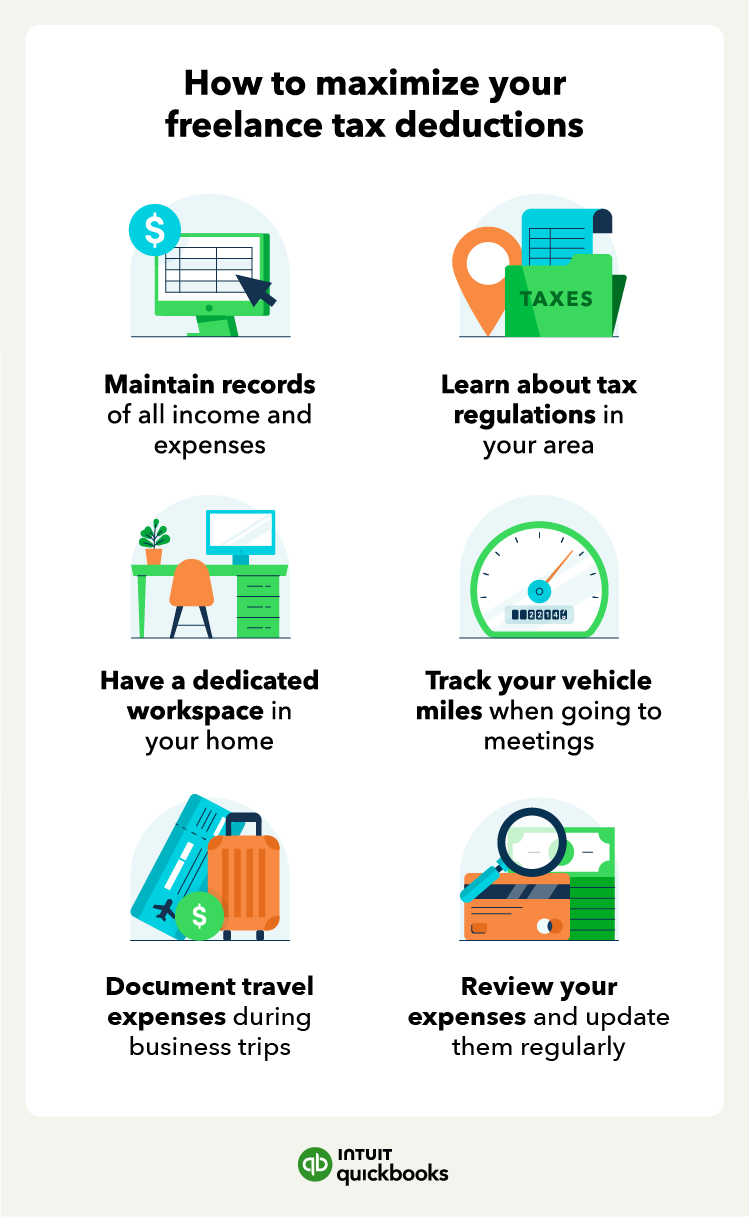
The bedrock of maximizing tax deductions is meticulous record-keeping. Without proper documentation, even the most legitimate deductions can be disallowed by tax authorities. This isn’t merely about gathering receipts at the last minute; it’s an ongoing process that should be integrated into your financial habits throughout the year.
Essential records typically include:
- Receipts and Invoices: For all deductible expenses, clearly itemizing the cost, date, and purpose.
- Bank and Credit Card Statements: To corroborate expenses and income.
- Mileage Logs: For business-related travel.
- Appointment Books and Calendars: To document business meetings or charitable activities.
- Contribution Statements: For charitable donations.
- Loan Documents: For student loan interest or mortgage interest.
- Proof of Insurance Premiums: For self-employed health insurance deductions.
Digital solutions, such as expense tracking apps, cloud storage for scanned documents, and accounting software, can significantly streamline this process, making it less daunting and more accurate. Consistent record-keeping not only safeguards your deductions in case of an audit but also provides a clear overview of your financial activities, aiding in future planning.
Maximizing Individual Tax Deductions
For most individuals, the primary decision point for deductions is whether to take the standard deduction or itemize. The choice often hinges on the total value of your eligible itemized deductions compared to the standard deduction amount for your filing status.
Standard vs. Itemized Deductions
- Standard Deduction: A fixed dollar amount that you can subtract from your income, determined by your filing status (e.g., Single, Married Filing Jointly, Head of Household). It simplifies tax filing for many taxpayers and is adjusted annually for inflation. For many, especially after recent tax reforms increased standard deduction amounts, this is the most advantageous option.
- Itemized Deductions: Specific expenses that individuals can deduct, potentially exceeding the standard deduction. These are listed on Schedule A (Form 1040). Common itemized deductions include:
- Medical and Dental Expenses: Amounts exceeding 7.5% of your AGI.
- State and Local Taxes (SALT): Capped at $10,000 per household. This includes property taxes, and either state income or sales taxes.
- Home Mortgage Interest: Interest paid on mortgage debt for a primary or secondary home, up to certain limits.
- Charitable Contributions: Cash or non-cash contributions to qualified organizations.
- Casualty and Theft Losses: Limited to losses from federally declared disaster areas.
To decide which to choose, you must calculate your total eligible itemized deductions. If that total is greater than your standard deduction, then itemizing will result in a lower tax bill. This requires careful tracking of all potential itemized expenses throughout the year.
Above-the-Line Deductions
These deductions are particularly valuable because they reduce your gross income before calculating your AGI. This is often referred to as “above-the-line” because they are listed higher up on the tax form, before the line where AGI is calculated. A lower AGI can be beneficial for several reasons, including qualifying for other tax credits or deductions that have AGI-based limits.
Key above-the-line deductions include:
- IRA Contributions: Deductible contributions to a traditional IRA, up to annual limits, if you or your spouse aren’t covered by a retirement plan at work, or if your income is below certain thresholds.
- Student Loan Interest Deduction: Up to $2,500 of interest paid on qualified student loans.
- Health Savings Account (HSA) Contributions: Contributions to an HSA are tax-deductible, provided you are enrolled in a high-deductible health plan (HDHP). HSAs offer a triple tax advantage: tax-deductible contributions, tax-free growth, and tax-free withdrawals for qualified medical expenses.
- Self-Employment Tax Deduction: If you’re self-employed, you can deduct one-half of your self-employment taxes (Social Security and Medicare).
- Educator Expenses: K-12 educators can deduct up to $300 for unreimbursed classroom expenses.
These deductions are often overlooked but can provide significant savings regardless of whether you take the standard deduction or itemize.
Leveraging Business Deductions for Entrepreneurs
For freelancers, small business owners, and entrepreneurs, tax deductions are an integral part of business profitability. Understanding and claiming legitimate business expenses can drastically reduce your net business income, and thus your tax liability.
Home Office Deduction
If you use a portion of your home exclusively and regularly for your business, you may qualify for the home office deduction. There are two methods for claiming this:
- Simplified Option: A straightforward calculation of $5 per square foot of home used for business, up to 300 square feet (maximum deduction of $1,500).
- Actual Expense Method: Requires calculating the percentage of your home used for business and then applying that percentage to actual expenses like mortgage interest, rent, utilities, insurance, and depreciation. This method can yield a higher deduction but requires more detailed record-keeping.
It’s crucial that the space is used exclusively and regularly for business to avoid triggering an audit.
Business Travel, Meals, and Entertainment
Expenses incurred for legitimate business travel can be deductible. This includes:
- Transportation: Airfare, car rentals, taxi fares, and personal vehicle mileage (at a standard rate or actual expenses).
- Lodging: Hotel stays while away from your tax home overnight for business.
- Meals: Business meals are generally 50% deductible if they are ordinary and necessary, not lavish, and the taxpayer (or employee) is present during the meal.
It’s important to keep detailed records, including the date, location, business purpose, and attendees for all business meals and travel.
Professional Development and Education
Investments in yourself and your skills, when directly related to maintaining or improving skills needed for your current business or job, can be deductible. This includes:
- Conferences and Seminars: Registration fees, travel, and lodging for industry-specific events.
- Subscriptions: To professional journals, trade publications, and industry-specific software.
- Continuing Education: Courses and certifications that maintain or improve professional qualifications.
Equipment, Software, and Supplies
Virtually anything you purchase to run your business can be deducted. This includes:
- Office Supplies: Pens, paper, printer ink, etc.
- Technology: Computers, printers, software licenses, website hosting.
- Furniture: Desks, chairs, filing cabinets.
- Depreciation: For larger assets with a useful life of more than one year, you can deduct a portion of the cost each year through depreciation, or often in the first year through Section 179 expensing or bonus depreciation rules.
Health Insurance Premiums (Self-Employed)
If you are self-employed and not eligible to participate in an employer-sponsored health plan, you can deduct the cost of health insurance premiums for yourself, your spouse, and your dependents. This deduction is taken above the line, further reducing your AGI.
Retirement Plan Contributions
For self-employed individuals, contributing to retirement plans like a SEP IRA, Solo 401(k), or SIMPLE IRA offers substantial tax deductions and allows for significant contributions. These plans enable you to save for retirement while simultaneously lowering your current taxable income.
Strategic Planning for Deduction Optimization
Beyond simply identifying deductions, strategic planning can help you maximize their impact across tax years. This involves understanding timing and specific financial maneuvers.
Bunching Deductions
One smart strategy for itemizers is “bunching” deductions. If your total itemized deductions hover just below the standard deduction amount in most years, you might consider accelerating certain deductible expenses into a single tax year. For example, if you plan to make significant charitable contributions over a few years, you could make them all in one year, pushing your itemized deductions above the standard deduction for that year. In the subsequent year, you might take the standard deduction. This strategy can be particularly effective with medical expenses, charitable contributions, and state and local taxes (if you’re below the SALT cap).
Tax Loss Harvesting
This strategy involves selling investments at a loss to offset capital gains and, potentially, a limited amount of ordinary income. If you have investments that have declined in value, selling them can generate a capital loss. This loss can first offset any capital gains you realized during the year. If your capital losses exceed your capital gains, you can deduct up to $3,000 of the remaining loss against your ordinary income. Any unused loss can be carried forward to future tax years. This strategy is best implemented towards the end of the year, before December 31st.
Maximizing Retirement Contributions
Contributing the maximum allowable to tax-advantaged retirement accounts is one of the most effective ways to reduce your taxable income. For employees, this includes 401(k)s, 403(b)s, and traditional IRAs. For the self-employed, SEP IRAs and Solo 401(k)s offer even higher contribution limits. These contributions are pre-tax, meaning they reduce your taxable income for the year they are made, while your investments grow tax-deferred until retirement.
Donor-Advised Funds for Charitable Giving
For those who are charitably inclined, a donor-advised fund (DAF) can be an excellent tool, especially when bunching deductions. You can contribute a lump sum of cash or appreciated assets (like stocks) to a DAF in one year, immediately receiving a tax deduction for the entire contribution. You can then recommend grants from the DAF to your favorite charities over several years. This allows you to claim a large deduction in the year of contribution while maintaining your philanthropic giving schedule.
Essential Practices for Success and Compliance
Maximizing tax deductions isn’t just about knowing what to deduct; it’s also about approaching the process responsibly and strategically to ensure compliance and avoid issues.
Diligent Record-Keeping and Documentation
As emphasized earlier, this cannot be overstated. Develop a robust system for tracking all income and expenses throughout the year. Utilize digital tools, maintain physical files, and keep a backup of everything. In the event of an audit, comprehensive and organized records are your best defense. The IRS generally has a three-year statute of limitations for auditing tax returns, so keep records for at least that long, and longer for significant assets.
Staying Updated on Tax Law Changes
Tax laws are not static; they evolve frequently. New legislation, adjustments for inflation, and changes in interpretations by the IRS can all impact what you can deduct and how. Regularly review IRS publications, consult reputable financial news sources, or work with a tax professional to stay informed about changes that could affect your tax strategy. Proactive awareness allows you to adapt your financial planning to optimize deductions under current law.
When to Seek Professional Advice
While this guide provides valuable information, complex financial situations or significant business operations warrant the expertise of a qualified tax professional (e.g., a CPA or Enrolled Agent). A professional can:
- Identify obscure deductions specific to your industry or personal circumstances.
- Ensure compliance with ever-changing tax laws.
- Provide strategic advice for long-term tax planning.
- Represent you in case of an audit.
The cost of professional advice is often outweighed by the tax savings and peace of mind it provides. They can help you navigate intricate rules, such as those related to depreciation, passive activity losses, or multi-state income.
Avoiding Red Flags and Audits
While the goal is to maximize deductions, it’s crucial to do so legitimately. Overstating deductions, claiming expenses without proper documentation, or claiming deductions that are disproportionately high compared to your income can raise red flags with the IRS. Be honest and accurate in your reporting. Focus on claiming all legitimate deductions, rather than trying to push the boundaries, which can lead to audits, penalties, and interest.

Conclusion
Maximizing tax deductions is a fundamental aspect of intelligent financial management. It requires a proactive approach, diligent record-keeping, and a sound understanding of the various opportunities available to individuals and businesses. By consistently implementing the strategies outlined in this guide—from choosing between standard and itemized deductions to leveraging specific business expenses and employing strategic planning techniques like bunching—you can significantly reduce your tax burden.
Remember, the objective is not to avoid taxes, but to pay only what you legally owe, no more and no less. By approaching tax planning with insight and engagement, you empower yourself to retain more of your earnings, contribute to your financial growth, and build a more secure future. Make tax optimization an ongoing process, not just a once-a-year scramble, and watch your financial picture improve.
aViewFromTheCave is a participant in the Amazon Services LLC Associates Program, an affiliate advertising program designed to provide a means for sites to earn advertising fees by advertising and linking to Amazon.com. Amazon, the Amazon logo, AmazonSupply, and the AmazonSupply logo are trademarks of Amazon.com, Inc. or its affiliates. As an Amazon Associate we earn affiliate commissions from qualifying purchases.