
Selling a used car can feel like a daunting task, a complex transaction laden with financial considerations, market research, and the inherent desire to maximize your return on investment. Whether you’re upgrading, downsizing, or simply need to free up some capital, understanding the most effective avenues and strategies is crucial. This comprehensive guide will navigate the intricate landscape of the used car market, arming you with the knowledge to make informed, financially astute decisions, ensuring a smooth and profitable sale. From accurately assessing your vehicle’s worth to navigating the myriad sales channels and safeguarding your financial transaction, we’ll explore every facet designed to put more money back into your pocket.
Understanding Your Car’s Value: The Foundation of a Profitable Sale
Before you even consider listing your car, establishing its true market value is the single most critical step. This isn’t just about picking a number; it’s a strategic financial assessment that will dictate your asking price, influence negotiation power, and ultimately determine your net profit. An accurate valuation ensures you don’t undersell your asset, nor do you overprice it and deter potential buyers.
Researching Market Prices and Depreciation
The used car market is dynamic, influenced by economic trends, supply and demand, and regional specifics. Your car’s value began depreciating the moment it left the dealership, and understanding this rate of depreciation for your specific make and model is vital. Start by researching what similar cars (same make, model, year, trim, and approximate mileage) are currently selling for in your local area and nationally. Look beyond asking prices; try to find data on actual sales if possible. Websites like Kelley Blue Book (KBB), Edmunds, and NADAguides offer excellent starting points for understanding benchmark values. Remember that these are guides; your specific car’s condition will adjust these figures.
Factors Influencing Resale Value (Condition, Mileage, Features)
Several tangible and intangible factors contribute to your car’s final resale value:
- Condition: This is paramount. A well-maintained car with minimal cosmetic and mechanical issues will command a significantly higher price. Be realistic about dents, scratches, interior wear, and any outstanding maintenance.
- Mileage: Generally, lower mileage fetches a higher price, as it suggests less wear and tear on critical components. However, excessively high mileage can drastically reduce value, irrespective of condition.
- Make and Model Reputation: Some brands and models hold their value better than others due to their reputation for reliability, fuel efficiency, or desirability. Luxury brands, while expensive new, can sometimes depreciate faster.
- Optional Features: Premium sound systems, navigation, sunroofs, leather seats, and advanced safety features can enhance appeal and value, especially if they are desirable options for your specific vehicle segment.
- Service History: A complete and documented service history is a goldmine for buyers. It provides transparency and assurance that the vehicle has been properly cared for, mitigating future financial risks for the buyer.
Leveraging Online Valuation Tools
Don’t guess your car’s worth. Utilize the robust online valuation tools provided by reputable sites like Kelley Blue Book, Edmunds, and CarGurus. These platforms typically ask for your car’s year, make, model, trim, mileage, ZIP code, and a detailed assessment of its condition. They will then provide a range of values based on different selling scenarios (e.g., trade-in, private party, dealer retail). Use these figures as your anchor, understanding that the final price will still be subject to negotiation and specific market demand.
Exploring Diverse Sales Channels: Maximizing Your Return
Once you have a firm grasp of your car’s value, the next financial decision involves choosing the most advantageous sales channel. Each option presents a different balance of potential profit, convenience, and time commitment. Strategic selection here can significantly impact your financial outcome.
Selling to Dealerships: Trade-ins vs. Outright Sales
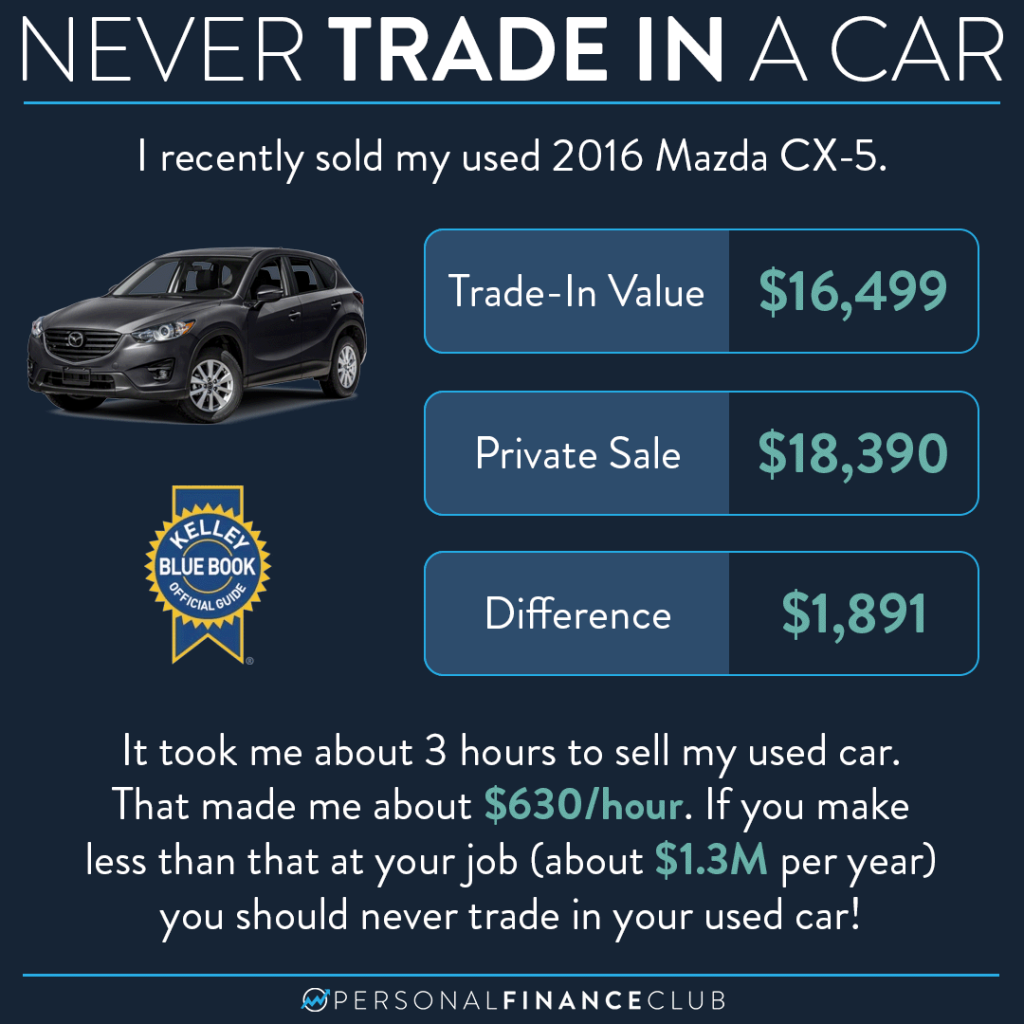
- Trade-in: This is arguably the most convenient option. You bring your old car to the dealership when purchasing a new or used vehicle, and its value is deducted from the price of your new car. The primary financial benefit here can be potential sales tax savings in some states, as you only pay tax on the net difference. However, dealerships typically offer the lowest price for your car, as they need to recondition it and resell it for a profit. It’s a trade-off: convenience for a lower payout.
- Outright Sale: You sell your car directly to a dealership without buying another from them. This can sometimes fetch a slightly better price than a trade-in, but it’s still generally less than what you’d get from a private sale. Dealers are businesses focused on inventory acquisition at wholesale prices.
The Private Sale Route: Higher Profit, More Effort
Selling your car privately means advertising it yourself and dealing directly with individual buyers. This method almost invariably yields the highest financial return, as you cut out the middleman (the dealership’s profit margin). However, it demands a significant investment of time and effort:
- Advertising: Creating compelling listings with high-quality photos and detailed descriptions.
- Communication: Responding to inquiries, scheduling test drives.
- Negotiation: Haggling over price and terms.
- Paperwork: Handling the transfer of title and other legal documents.
- Security: Ensuring safe transactions and avoiding scams.
Despite the effort, if your goal is maximum profit, a private sale is often the financially superior choice.
Online Marketplaces and Auction Platforms
The digital age has revolutionized private sales, making them more accessible.
- Online Classifieds/Marketplaces: Websites like Craigslist, Facebook Marketplace, and local online forums allow you to list your car for free or a nominal fee. They connect you with local buyers, making private sales more efficient. However, vigilance against scammers is crucial.
- Dedicated Car Sales Platforms: Autotrader, CarGurus, and Cars.com offer more structured and often safer environments for selling. They typically charge listing fees but provide tools for communication, valuation, and sometimes even secure payment processing, enhancing the legitimacy and reach of your listing.
- Online Auction Sites (e.g., eBay Motors, Bring a Trailer): For unique, classic, or high-value vehicles, auction sites can create a competitive bidding environment that drives up the price. They cater to specific niches and can attract buyers from across the country, potentially yielding exceptional financial results for the right car.
Car Buying Services: Convenience at a Cost
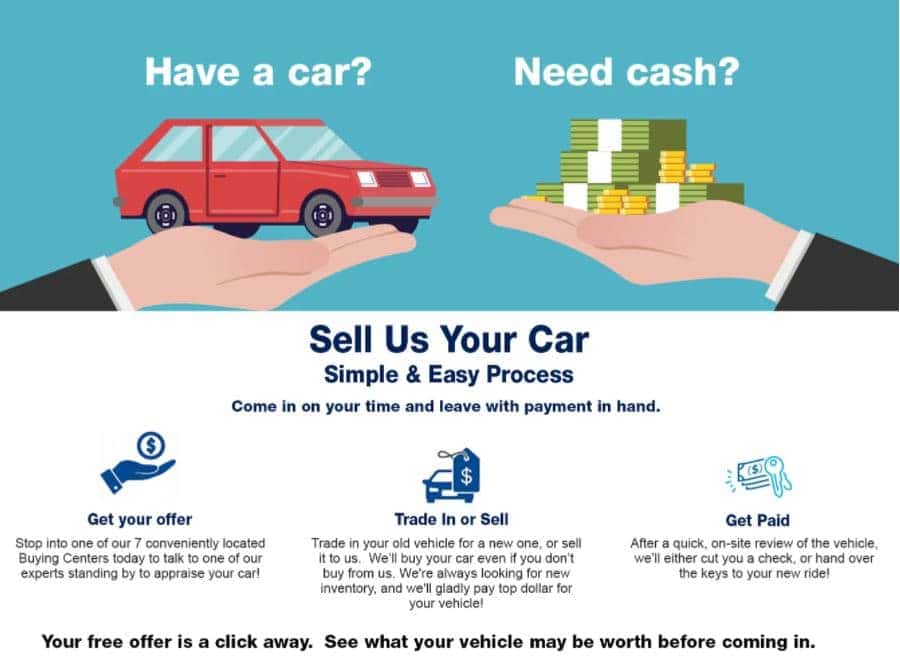
Companies like CarMax, Vroom, and Carvana offer a hybrid solution: they buy your car directly from you, often providing instant online offers. The process is incredibly convenient, eliminating the hassles of private sales or dealership negotiations. You get a firm offer, and they typically handle pickup and paperwork. Financially, these services usually offer more than a dealership trade-in but less than a successful private sale. They prioritize convenience and speed, making them an attractive option if your priority isn’t maximizing every last dollar but rather a quick, no-fuss transaction.
Preparing Your Car for Sale: Optimizing Appeal and Price
The condition and presentation of your car directly correlate to its perceived value and, ultimately, its selling price. A small investment of time and money in preparing your vehicle can lead to a significantly higher financial return. This isn’t just about making it look good; it’s about instilling confidence in potential buyers.
Cost-Benefit Analysis of Repairs and Detailing

Before spending money on repairs, conduct a cost-benefit analysis. Minor cosmetic fixes (e.g., paint touch-ups, dent removal, headlight restoration) are often worth the investment if they drastically improve curb appeal and can be done cheaply. Mechanical repairs, however, should be evaluated carefully. If a repair is expensive (e.g., transmission, major engine work) and your car’s value won’t increase enough to cover the cost, it might be better to sell the car “as-is” and disclose the issues. However, addressing common, relatively inexpensive issues (e.g., worn tires, brake pads, burnt-out bulbs) is almost always advisable, as they are immediate red flags for buyers. A professional detailing service can make a huge difference, transforming the interior and exterior and allowing you to justify a higher asking price.
Gathering Essential Documentation
Financial transparency builds trust. Have all necessary documents neatly organized and ready for inspection:
- Title/Pink Slip: This is proof of ownership. Ensure it’s clear and ready for transfer.
- Service Records: A complete maintenance history demonstrates proper care and helps justify your asking price.
- Owner’s Manual: Shows responsibility and care.
- Vehicle History Report (e.g., CarFax, AutoCheck): Consider purchasing one yourself to disclose any past accidents or issues upfront. This proactive approach can alleviate buyer concerns and speed up the sale.
Staging for Photos and Viewings
First impressions are critical. High-quality photos are your primary marketing tool online, and a clean car makes the best impression during in-person viewings.
- Photography: Wash and wax your car. Take photos in good lighting (preferably natural daylight) from multiple angles, including interior shots, the engine bay, and trunk. Highlight desirable features. Clear, well-lit photos can significantly increase interest and lead to quicker sales.
- Viewings: Ensure your car is spotless inside and out. Remove personal belongings. A clean, fresh-smelling car creates a positive impression and signals to the buyer that it has been well-maintained, translating into higher perceived value.
Navigating the Sales Process: Financial Prudence and Security
The actual sales transaction involves more than just handing over keys. It requires astute financial planning, negotiation skills, and rigorous attention to security to protect your assets and avoid potential scams.
Pricing Strategies: Setting a Competitive Yet Profitable Ask
Based on your valuation and market research, set an initial asking price. It should be competitive enough to attract interest but also leave room for negotiation, especially in a private sale. Consider pricing slightly above your absolute minimum acceptable price. If selling to a dealer or car-buying service, their offers are typically non-negotiable or have minimal wiggle room. Be firm but flexible.
Negotiating Effectively: Holding Your Ground Without Losing the Sale
Negotiation is an art. Be prepared for buyers to try and lower your price.
- Know Your Bottom Line: Before any negotiation, determine the lowest price you are willing to accept. Stick to it.
- Highlight Value: Be ready to articulate why your car is worth its price – its condition, maintenance history, features, and recent repairs.
- Be Patient and Confident: Don’t rush into a deal. If a buyer is low-balling, politely decline and wait for a more reasonable offer.
- Be Prepared to Walk Away: If a deal doesn’t meet your financial requirements, it’s okay to end discussions.
Secure Payment Methods and Avoiding Scams
Financial security is paramount. Never accept personal checks, cashier’s checks, or money orders without verifying funds, as these are common instruments in scams.
- Cash: The safest option, but only for the exact amount. Be cautious carrying large sums.
- Banker’s Check/Certified Check: Insist on meeting at the buyer’s bank to verify the check’s authenticity and watch it be drawn.
- Wire Transfer: Ensure the funds have cleared into your account before releasing the car or title.
- Escrow Services: For higher-value transactions, consider using a reputable third-party escrow service, though fees apply.
- Avoid Overpayment Scams: If a buyer offers to pay more than the asking price and asks you to wire back the difference, it’s a scam.
Finalizing the Deal: Transfer of Ownership and Paperwork
Once an agreement is reached and payment is secure, the final steps are critical for legal and financial protection.
- Bill of Sale: Always create a bill of sale, even if not legally required in your state. Include the date, buyer and seller names/addresses, vehicle VIN, mileage, sale price, and a statement that the car is sold “as-is.” Both parties should sign it, and you should keep a copy.
- Title Transfer: Sign the title over to the buyer as per your state’s DMV requirements. Ensure the odometer reading is accurately recorded. In many states, you’ll need to report the sale to the DMV immediately.
- License Plates: In most states, you keep your license plates. Remove them before the buyer drives away.
- Lien Release: If you have an outstanding loan on the car, you’ll need to satisfy the loan first to obtain a clear title, or arrange for a lien release directly with the buyer and your bank, which can be complex.
Tax Implications and Post-Sale Financial Considerations
Selling your used car isn’t just about the immediate transaction; it also has downstream financial implications that require attention. Understanding these can prevent future headaches and allow you to make the most of your newfound capital.
Understanding Sales Tax and Capital Gains (if applicable)
- Sales Tax: As the seller, you generally do not pay sales tax on your used car sale. The buyer typically pays sales tax to their state when registering the vehicle. However, it’s crucial to report the sale accurately to your state’s Department of Motor Vehicles to avoid any potential liability or confusion later.
- Capital Gains: For most personal vehicles, you will not incur capital gains tax. This is because cars are depreciating assets, and you will almost certainly sell it for less than you paid for it. Capital gains only apply if you sell an asset for more than its original purchase price (and any improvements made). This is a rare occurrence for personal vehicles but can happen with certain classic or collectible cars. Consult a tax professional if you believe this applies to your situation.
Updating Insurance and Registration
Immediately after the sale, contact your insurance company to remove the sold vehicle from your policy. Failure to do so could result in you paying for insurance on a car you no longer own, or worse, being implicated if the new owner causes an accident before registering it themselves. Similarly, update your vehicle registration with the DMV. Some states require you to notify them of the sale within a certain timeframe to absolve you of future liabilities like parking tickets or toll violations incurred by the new owner.
Reinvesting Your Proceeds
Once the sale is complete and funds are secured, consider how to best utilize the proceeds.
- Debt Reduction: Paying down high-interest debt (e.g., credit cards, personal loans) is often a financially wise move, as it saves you money on interest payments.
- Savings/Investment: Reinvesting the money into a high-yield savings account, a retirement fund, or a diversified investment portfolio can help grow your wealth over time.
- Down Payment: If you sold your car to buy another, the funds can serve as a substantial down payment, reducing your financing costs for the new vehicle.
- Emergency Fund: Bolstering your emergency savings provides a critical financial safety net.
Selling a used car is a multi-faceted financial endeavor that requires careful planning, market awareness, strategic execution, and vigilance. By approaching the process with a clear understanding of valuation, exploring all sales channels, preparing your vehicle meticulously, and navigating the transaction with financial prudence, you can ensure not only a successful sale but also a maximized return on your asset. This comprehensive approach empowers you to confidently manage one of your larger personal financial transactions, turning a potentially stressful experience into a rewarding one.
aViewFromTheCave is a participant in the Amazon Services LLC Associates Program, an affiliate advertising program designed to provide a means for sites to earn advertising fees by advertising and linking to Amazon.com. Amazon, the Amazon logo, AmazonSupply, and the AmazonSupply logo are trademarks of Amazon.com, Inc. or its affiliates. As an Amazon Associate we earn affiliate commissions from qualifying purchases.