
In an evolving economic landscape, the aspiration to not just earn money but to have it actively work for you has become a cornerstone of financial independence. Making your money generate additional wealth is not solely the domain of the super-rich; it’s a principle accessible to anyone willing to understand and apply fundamental financial strategies. This process involves strategic planning, astute investing, and the cultivation of multiple income streams, all underpinned by a disciplined approach to personal finance.
Understanding the Foundation: Building a Strong Financial Base
Before embarking on sophisticated investment strategies, establishing a robust financial foundation is paramount. This initial phase ensures stability and creates the necessary capital for your money to start working for you effectively.
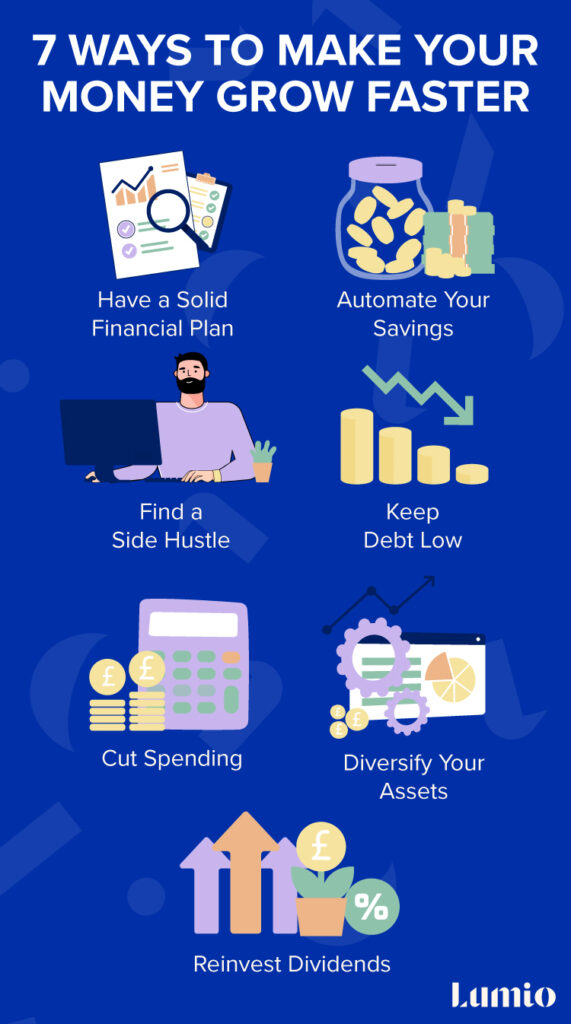
The Power of Budgeting and Tracking
The first step in any sound financial plan is to gain a clear understanding of your income and expenses. A detailed budget acts as your financial roadmap, revealing where your money is going and identifying areas for optimization. Tracking every dollar allows you to distinguish between needs and wants, empowering you to consciously allocate funds towards savings and investments. Tools ranging from simple spreadsheets to sophisticated budgeting apps can simplify this process, transforming vague financial goals into actionable steps. By controlling your outflow, you inherently increase your capacity for wealth creation.
Debt Management: Freeing Up Capital
High-interest debt, such as credit card balances or personal loans, can be a significant drag on your financial progress. The interest payments effectively siphon off money that could otherwise be invested. Prioritizing the elimination of consumer debt is crucial. Strategies like the debt snowball or debt avalanche can provide a structured approach to becoming debt-free. Once freed from burdensome interest payments, the money previously allocated to debt repayment can be redirected into avenues that generate returns, accelerating your journey towards financial growth.
Emergency Funds: Your Financial Safety Net
Before exposing capital to investment risks, it is imperative to build an emergency fund. This liquid savings account, ideally holding three to six months’ worth of essential living expenses, serves as a critical buffer against unforeseen financial shocks like job loss, medical emergencies, or significant home repairs. Without an emergency fund, unexpected expenses might force you to liquidate investments prematurely or incur new debt, derailing your wealth-building efforts. A robust safety net provides peace of mind and allows your investments to grow undisturbed by life’s inevitable curveballs.
Strategic Investing: Putting Your Capital to Work
Once your financial foundation is solid, investing becomes the primary engine for making your money generate more money. This involves intelligently allocating capital into various assets with the expectation of generating returns over time.
Diversification: Spreading Risk Across Asset Classes
The golden rule of investing is diversification: “Don’t put all your eggs in one basket.” Spreading your investments across different asset classes helps mitigate risk, as declines in one area may be offset by gains in another.
- Stocks (Equities): Growth Potential: Investing in stocks means owning a small piece of a company. Historically, stocks have offered higher returns than most other asset classes, making them powerful for long-term growth. However, they also carry higher volatility.
- Bonds: Stability and Income: Bonds represent loans made to governments or corporations. They are generally less volatile than stocks and provide predictable income through interest payments, making them suitable for portfolio stability.
- Real Estate: Tangible Assets and Income: Real estate can provide returns through rental income and property appreciation. It offers a tangible asset and can be a hedge against inflation, though it often requires significant capital and can be illiquid.
- Mutual Funds & ETFs: Diversification Made Easy: These investment vehicles pool money from many investors to buy a diversified portfolio of stocks, bonds, or other assets. They offer instant diversification and professional management at a lower cost, making them ideal for new investors.
Long-Term Growth Strategies
Patience and a long-term perspective are vital when investing. Two key principles underpin successful long-term growth:
- Compounding Interest: The Eighth Wonder of the World: Often called the most powerful force in finance, compounding allows your earnings to generate further earnings. When you reinvest the returns from your initial investment, those returns begin to earn their own returns, creating an exponential growth effect over time. The earlier you start investing, the more potent compounding becomes.
- Dollar-Cost Averaging: Mitigating Volatility: This strategy involves investing a fixed amount of money at regular intervals, regardless of market fluctuations. When prices are high, your fixed amount buys fewer shares; when prices are low, it buys more. This approach smooths out the average purchase price over time, reducing the risk of making a large investment at an market peak and removing emotional decision-making.
Understanding Risk Tolerance and Investment Horizons
Every investor has a unique risk tolerance – the degree of uncertainty they are willing to accept in exchange for potential returns. A younger investor with decades until retirement might tolerate more aggressive, higher-growth investments (like stocks) that come with greater short-term volatility. Conversely, someone nearing retirement might prefer more conservative assets (like bonds) to protect their accumulated capital. Your investment horizon, the length of time you plan to hold an investment, directly influences suitable strategies. Aligning your investments with your personal risk profile and timeline is critical for sustainable growth and peace of mind.
Generating Active & Passive Income Streams
Beyond traditional investments, actively creating new income streams can significantly accelerate your wealth-building journey, offering both immediate financial impact and long-term passive growth.

Developing Side Hustles for Immediate Impact
Side hustles are excellent ways to supplement your primary income, providing additional capital for savings and investments. They leverage existing skills or develop new ones, transforming spare time into profit.
- Freelancing and Consulting: Offering services like writing, graphic design, web development, marketing, or specialized consulting can generate substantial income. Platforms connect freelancers with clients globally, making it easier to find work based on your expertise.
- E-commerce and Digital Products: Setting up an online store to sell physical goods (dropshipping, handmade crafts) or digital products (e-books, online courses, templates) can tap into vast consumer markets. These ventures often have lower overheads than traditional brick-and-mortar businesses.
Cultivating Passive Income for Future Wealth
Passive income is money earned with minimal ongoing effort after the initial setup. It’s the ultimate goal of having your money work for you, allowing you to generate income even while you sleep.
- Rental Properties: Investing in real estate and renting it out can provide a steady stream of passive income, along with potential property value appreciation. This requires initial capital and some management, but can be highly rewarding.
- Dividend Stocks and REITs: Investing in companies that pay dividends or Real Estate Investment Trusts (REITs) allows you to receive a portion of the company’s profits regularly without selling your shares. Reinvesting these dividends further enhances the power of compounding.
- Royalties from Creative Works: If you have created intellectual property (books, music, patents, software), you can earn royalties each time your work is used or sold, providing a continuous income stream.
- High-Yield Savings Accounts (HYSAs): While not as aggressive as other investment vehicles, HYSAs offer significantly better interest rates than traditional savings accounts. They provide a safe place for your emergency fund or short-term savings to earn a modest return.
Leveraging Financial Tools for Growth
The modern financial landscape offers a plethora of tools designed to streamline and optimize your wealth-building efforts, from automated investing to sophisticated budgeting.
Robo-Advisors and Investment Platforms
For those new to investing or seeking a hands-off approach, robo-advisors offer an excellent solution. These platforms use algorithms to build and manage diversified portfolios tailored to your risk tolerance and financial goals, often with lower fees than traditional financial advisors. Online brokerage platforms also provide direct access to a wide range of investment options, empowering self-directed investors with tools for research, trading, and portfolio management.
Budgeting and Expense Tracking Apps
To maintain control over your spending and ensure adherence to your financial plan, budgeting apps have become indispensable. Apps like Mint, YNAB (You Need A Budget), or Personal Capital link to your bank accounts and credit cards, categorizing transactions, tracking spending habits, and setting financial goals. They provide real-time insights into your financial health, making it easier to identify areas for saving and allocate more funds towards wealth generation.
Retirement Accounts: Tax-Advantaged Growth
Utilizing tax-advantaged retirement accounts is a cornerstone of making your money work harder.
- 401(k)s (Employer-Sponsored): Many employers offer 401(k) plans, often with matching contributions, which is essentially free money. Contributions are pre-tax, reducing your taxable income in the present, and grow tax-deferred until retirement.
- IRAs (Individual Retirement Accounts): Traditional IRAs offer similar pre-tax contribution benefits and tax-deferred growth. Roth IRAs, on the other hand, are funded with after-tax dollars, but qualified withdrawals in retirement are entirely tax-free. Choosing the right retirement vehicle depends on your current income, expected future tax bracket, and financial goals.
Protecting and Sustaining Your Wealth
Building wealth is only half the battle; protecting it and ensuring its longevity for future generations is equally crucial. A comprehensive approach includes guarding against economic threats and planning for legacy.
Inflation Hedging Strategies
Inflation erodes the purchasing power of your money over time. To combat this, smart investors incorporate inflation-hedging assets into their portfolios. These can include real estate, commodities (like gold or silver), and Treasury Inflation-Protected Securities (TIPS), which are government bonds designed to protect against inflation. By holding assets that tend to perform well during inflationary periods, you can help preserve the real value of your wealth.
Estate Planning and Legacy Building
Ensuring your hard-earned money and assets are distributed according to your wishes requires thoughtful estate planning. This involves creating wills, trusts, and appointing beneficiaries. Proper planning minimizes taxes and legal complications, ensuring your financial legacy benefits your loved ones and aligns with your long-term vision. It’s not just about what you accumulate, but how effectively you pass it on.

Continuous Learning and Adaptation
The financial world is dynamic, with new investment opportunities, economic shifts, and regulatory changes constantly emerging. Successful wealth builders are perpetual learners, staying informed about market trends, refining their strategies, and adapting to new information. Whether through financial news, books, courses, or professional advice, a commitment to continuous education is vital for making your money not just grow, but thrive sustainably over the long term.
aViewFromTheCave is a participant in the Amazon Services LLC Associates Program, an affiliate advertising program designed to provide a means for sites to earn advertising fees by advertising and linking to Amazon.com. Amazon, the Amazon logo, AmazonSupply, and the AmazonSupply logo are trademarks of Amazon.com, Inc. or its affiliates. As an Amazon Associate we earn affiliate commissions from qualifying purchases.