
The perception of hake within the global culinary market has undergone a significant transformation, evolving from a “budget” alternative to a staple of sustainable seafood dining. For culinary professionals, seafood wholesalers, and discerning consumers, understanding the flavor profile of hake is essential for value-driven purchasing and menu engineering. To define its taste is to understand its place in the modern fish economy—a sector increasingly defined by the necessity for accessible, high-yield, and environmentally responsible protein sources.
The Sensory Profile of Hake: A Technical Breakdown
Hake (primarily Merluccius merluccius and its closely related species) occupies a distinct niche in the whitefish category. Its flavor profile is best described as mild, slightly sweet, and notably clean. Unlike more assertive oily fish such as mackerel or salmon, hake functions as a “blank canvas” for culinary application.
Texture and Mouthfeel
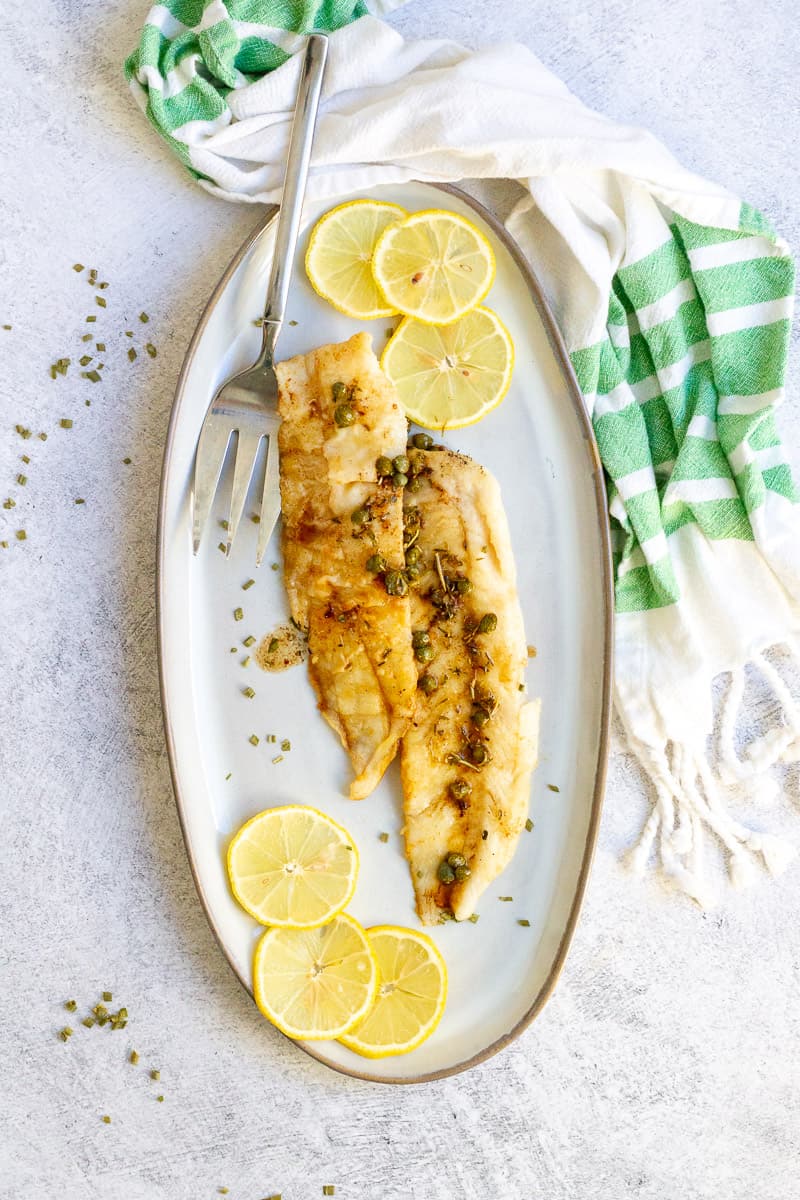
The texture of hake is perhaps its most defining characteristic. It features large, firm, yet flaky white muscle fibers. When cooked properly, the flesh separates into succulent, translucent flakes. Unlike cod, which can occasionally lean toward a denser, more fibrous texture, hake possesses a delicate consistency that makes it highly versatile. It does not disintegrate easily under moderate heat, yet it is tender enough to dissolve pleasingly on the palate.
Flavor Nuances
The sweetness inherent in hake is a result of its diet and deep-water habitat. Because hake is a groundfish that feeds on smaller organisms in cold, nutrient-rich currents, its flesh maintains a lack of “fishiness.” Consumers who are hesitant to try seafood due to strong odors or pungent tastes find hake to be an approachable entry point. It carries a subtle oceanic brine that acts more as a background note than a primary flavor, allowing the characteristics of butter, herbs, or acidity from citrus and wine to take center stage.
Economic Value and Market Positioning
From a business and financial perspective, hake represents one of the most efficient investments in the seafood supply chain. Its reputation as an affordable alternative to premium whitefish like halibut or Atlantic cod is not merely a result of perceived quality, but a reflection of its abundance and the efficiency of modern fisheries.
Cost-Effectiveness in Culinary Operations
For restaurateurs and institutional buyers, the cost-per-portion of hake offers a favorable margin. In an era where food inflation exerts significant pressure on menu pricing, hake allows for the delivery of high-quality, protein-dense meals without the prohibitive costs associated with overfished, endangered, or highly sought-after species. By mastering the preparation of hake, businesses can offer “premium” seafood experiences at a price point that retains customer loyalty during economically volatile periods.
The Role of Sustainability in Marketability
Consumers today are increasingly brand-conscious regarding environmental impact. Hake is frequently MSC (Marine Stewardship Council) certified, depending on the fishery. This certification is a powerful marketing tool. Brands that highlight the sustainable sourcing of their hake can command higher price points and attract a demographic of “conscious consumers.” Positioning hake as a sustainable, economical, and delicious choice allows businesses to differentiate themselves from competitors who rely on more environmentally compromised species.
Culinary Versatility: Maximizing Yield and Profit
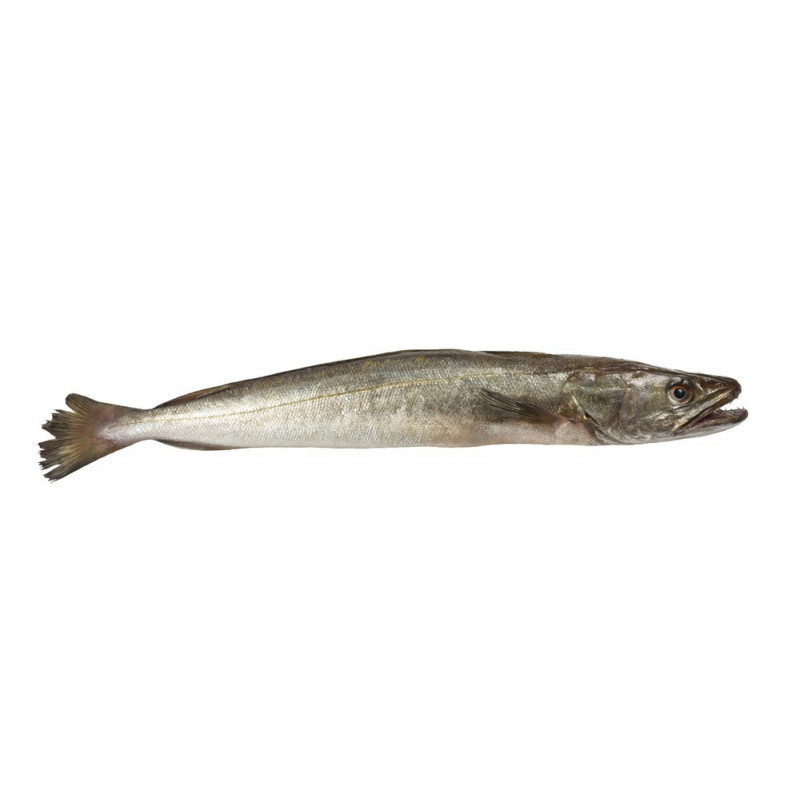
The true financial and culinary potential of hake lies in its versatility. It is a workhorse in the professional kitchen, capable of being transformed through various heat-transfer methods to suit high-end fine dining or casual fast-service models.
Pan-Searing and Sautéing
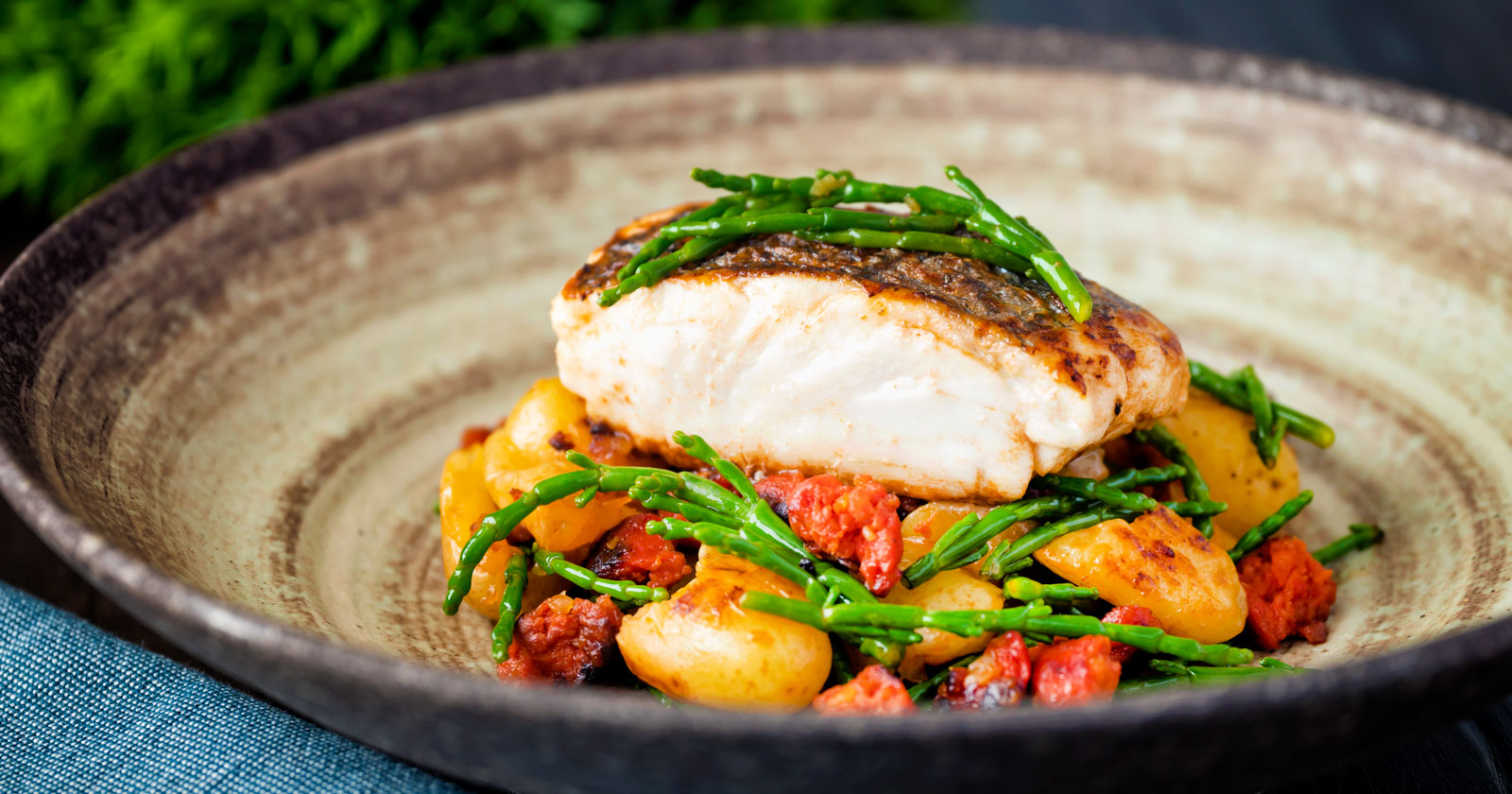
When pan-seared, the skin (if left on) and the protein structure of hake react well to the Maillard reaction. Because the fish is lean, it requires a controlled amount of fat—typically high-quality butter or neutral oil—to ensure the exterior crisps while the interior remains moist. This method preserves the delicate, sweet profile of the flesh. Economically, this is an ideal method for high-turnover restaurants, as a perfectly seared hake fillet can be presented as a flagship entree with minimal prep time.
Stews, Curries, and Braises
The structural integrity of hake makes it an exceptional choice for wet cooking methods. Unlike more fragile whitefish that disintegrate in liquid, hake holds its shape in bouillabaisse, fish curries, and Mediterranean-style tomato braises. This is a critical insight for food business owners: because hake can withstand the rigors of simmering without losing its texture, it is a high-yield ingredient for batch cooking. It absorbs the aromatic qualities of spices, garlic, and wine, allowing the chef to infuse high-value flavors into a cost-effective protein.
The Rise of Hake in Processed Goods
Beyond the whole fillet, hake’s financial footprint is expanding into the processed seafood sector. Because the yield from a hake carcass is high, it is increasingly used in the manufacturing of fish cakes, croquettes, and premium fish sticks. For food manufacturers, hake offers a consistent, uniform quality that reduces waste in industrial production lines. This uniformity is a key driver in the commodification of the fish, ensuring that the product remains a reliable financial asset for suppliers.
Navigating the Hake Supply Chain: A Business Perspective
For those involved in the procurement of seafood, understanding the difference between regional hake varieties is essential to maintaining brand consistency.
Sourcing and Freshness
The market for hake is global, with major supplies coming from the waters off the coasts of South Africa, Spain, South America, and the Pacific Northwest. While the general flavor profile remains consistent, the size, fat content, and sustainability status can vary by region. Smart procurement involves securing relationships with suppliers who prioritize cold-chain management. Because hake is a lean fish, its quality degrades rapidly if not handled at the correct temperature. A consistent supply chain ensures that the “clean, sweet” taste promised to the consumer is never compromised by spoilage or poor freezing techniques.
Managing Inventory Expectations
From an inventory management standpoint, hake is a highly predictable product. It is available year-round, which allows for stable menu planning and consistent profit margins. Unlike seasonal catches that force restaurants to adjust their pricing and marketing strategies frequently, hake acts as a stabilizing force in the kitchen’s inventory. It allows managers to set a baseline for food costs that is not subject to the dramatic fluctuations seen in the crab or lobster markets.
Final Reflections on the Value of Hake
Hake is a study in quiet efficiency. While it may lack the fame of salmon or the historical prestige of cod, its flavor profile—characterized by its mild sweetness and clean finish—makes it a superior choice for the modern, efficiency-driven seafood industry. Whether one is evaluating the fish for a high-end menu or as a commodity within a retail supply chain, the takeaways remain the same: it is a versatile, sustainable, and economically sound product.
As global seafood markets continue to tighten due to climate factors and increasing demand, the importance of underutilized but high-quality proteins will only grow. By shifting focus toward the inherent benefits of hake, culinary professionals and business leaders can leverage a product that meets the triple requirement of the modern marketplace: it is environmentally responsible, financially viable, and consistently delicious. For those willing to embrace its subtle profile, hake is not merely a fish, but a strategic asset in the future of seafood consumption.
aViewFromTheCave is a participant in the Amazon Services LLC Associates Program, an affiliate advertising program designed to provide a means for sites to earn advertising fees by advertising and linking to Amazon.com. Amazon, the Amazon logo, AmazonSupply, and the AmazonSupply logo are trademarks of Amazon.com, Inc. or its affiliates. As an Amazon Associate we earn affiliate commissions from qualifying purchases.