
Cash App, a widely adopted peer-to-peer (P2P) payment service developed by Block, Inc. (formerly Square), has revolutionized the way individuals send, receive, and manage money. While its primary function is facilitating quick and easy transactions, a growing number of users are exploring its potential as a platform for generating income. This article delves into the various avenues through which individuals can leverage Cash App to earn money, focusing on the practical strategies and considerations involved.
Maximizing Cash App’s Built-in Earning Opportunities
Cash App itself offers several integrated features designed to reward users and provide avenues for earning. These opportunities, while often requiring active participation and strategic engagement, can contribute to a user’s overall financial gain.
Cash App Boost and Referral Programs
One of the most direct ways to benefit from Cash App is through its “Boost” feature and referral program. Cash App Boost offers discounts and rewards on purchases made with the Cash App card at participating merchants. While not direct cash in hand, these savings effectively increase the purchasing power of your money, acting as a form of indirect earning. By strategically utilizing these boosts on everyday expenses, users can reduce their overall spending and effectively “make” money by not spending as much.
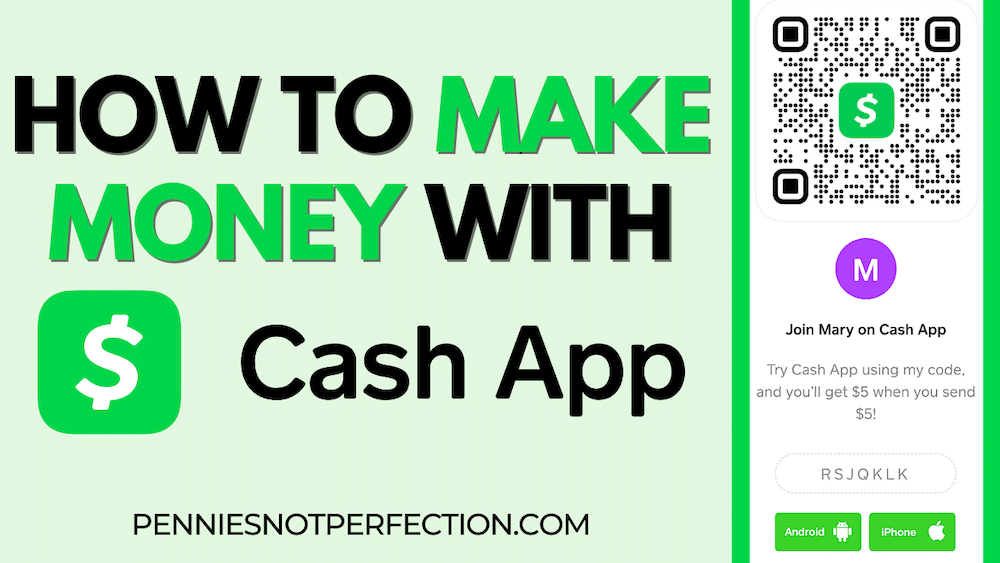
The referral program is another significant income stream. Cash App incentivizes users to bring new customers onto the platform. When you refer a friend or family member who signs up for Cash App using your unique referral code and then completes a qualifying transaction (typically sending at least $5), both you and the referred individual receive a cash bonus. These bonuses can vary and are often updated by Cash App, so it’s important to check the app for the latest offers. To maximize earnings from referrals, focus on sharing your code with individuals who are likely to use the app for its intended purposes. Building a network of active users can lead to a consistent stream of referral bonuses.
Participating in Cash App Games and Competitions
Cash App occasionally hosts or facilitates access to games and competitions where users can win cash prizes. These can range from trivia contests to skill-based games. While these opportunities are often time-limited and may require a small entry fee or active participation, they present a chance to earn money through entertainment. It’s crucial to approach these with a clear understanding of the odds and potential returns. Treat them as a form of entertainment with a possibility of reward rather than a guaranteed income source. Always ensure you are participating in legitimate Cash App-sanctioned events to avoid scams.
Leveraging Cash App for Side Hustles and Freelance Work
Beyond its intrinsic features, Cash App serves as a convenient payment processor for a multitude of side hustles and freelance endeavors. Its ease of use and widespread adoption make it an attractive option for both service providers and clients.
Accepting Payments for Goods and Services
If you are an entrepreneur, freelancer, or simply someone looking to sell items or offer services, Cash App can be an efficient way to get paid. Whether you’re selling crafts on social media, offering tutoring services, performing freelance design work, or even selling used items, you can provide your Cash App Cashtag as a payment option. This eliminates the need for traditional invoicing for smaller transactions and allows for near-instantaneous payment receipt. It’s important to clearly communicate your Cashtag to clients and ensure they are aware of the transaction details before sending funds. For businesses, consider integrating Cash App into your payment options alongside other methods to cater to a wider customer base.
Building a Client Base Through Social Media and Online Platforms
Many individuals have successfully built a client base for their services by promoting their Cash App payment option on social media platforms like Instagram, Twitter, or Facebook. When offering services such as graphic design, writing, social media management, virtual assistance, or even personal training, clearly displaying your Cashtag in your bio or on promotional materials makes it easy for potential clients to pay. Remember to establish clear payment terms and expectations with your clients before commencing any work. This approach leverages Cash App’s accessibility to streamline the payment process for your burgeoning business.
Offering Micro-Gigs and Task-Based Services
Cash App can also be used to facilitate payments for smaller, task-based services. Think of tasks like running errands for neighbors, offering pet-sitting services, providing simple technical support, or assisting with minor household chores. When you complete these tasks, the client can easily send you payment through Cash App. This is particularly useful for informal arrangements where a formal contract or invoicing system would be overly cumbersome. Clearly agreeing on the price beforehand is essential to avoid any misunderstandings.
Advanced Strategies and Considerations for Earning with Cash App
While the direct and side hustle methods are straightforward, more advanced strategies involve understanding Cash App’s ecosystem and applying financial literacy to your earnings.
Utilizing Cash App for Small Business Transactions
For small businesses and sole proprietors, Cash App can be more than just a payment gateway; it can be an integral part of managing revenue. By tracking incoming payments through the app, business owners can gain a clearer picture of their earnings. Some businesses also use Cash App for petty cash needs or to quickly disburse funds to contractors or employees for small, immediate payments. It’s crucial to remember that while Cash App is convenient, it’s important for businesses to maintain proper accounting practices, especially as their earnings grow. This might involve periodically transferring funds from Cash App to a dedicated business bank account for better financial organization and tax compliance.
Understanding Transaction Fees and Limits
It is imperative to be aware of Cash App’s transaction fees and limits when using it for earning purposes. While sending and receiving money between friends and family is generally free, there might be fees associated with specific transactions, such as using a credit card to add funds or for certain business-related activities. Similarly, Cash App has daily and weekly sending and receiving limits that can impact larger transactions. Understanding these limitations is key to ensuring your earning activities are not hindered and that you are not incurring unexpected costs. Regularly checking Cash App’s terms of service for the most up-to-date information on fees and limits is highly recommended.
Exploring Investment Opportunities Linked to Cash App
While Cash App itself is not a stock brokerage, it has integrated features that allow users to invest in Bitcoin and stocks directly within the app. For users who have earned money through Cash App’s other features, they can choose to reinvest a portion of their earnings into these investment options. This transforms Cash App from merely a payment tool into a platform that can facilitate wealth building. When investing, it’s vital to conduct thorough research, understand the inherent risks involved, and invest only what you can afford to lose. The ability to seamlessly transfer earnings to investment accounts within the same app simplifies the process of putting your money to work.

Staying Compliant with Tax Obligations
Any income earned through Cash App, regardless of the method used, is generally subject to taxation. It is crucial for users to maintain accurate records of all earnings and transactions. Depending on the amount earned and the nature of the income (e.g., freelance services versus referral bonuses), you may need to report this income on your tax returns. For business-related earnings, it’s particularly important to understand your local tax regulations and consider consulting with a tax professional to ensure compliance. While Cash App facilitates the earning process, the responsibility for tax obligations ultimately rests with the user.
In conclusion, Cash App offers a multifaceted approach to earning money, extending beyond its core peer-to-peer payment functionality. By strategically leveraging its built-in rewards, embracing its utility for side hustles and freelance work, and understanding its advanced features and financial implications, individuals can effectively utilize Cash App as a tool for income generation and even wealth building. As with any financial platform, informed usage, awareness of terms, and adherence to tax obligations are paramount to maximizing the benefits and ensuring a positive experience.
aViewFromTheCave is a participant in the Amazon Services LLC Associates Program, an affiliate advertising program designed to provide a means for sites to earn advertising fees by advertising and linking to Amazon.com. Amazon, the Amazon logo, AmazonSupply, and the AmazonSupply logo are trademarks of Amazon.com, Inc. or its affiliates. As an Amazon Associate we earn affiliate commissions from qualifying purchases.