
Renting a car, a seemingly straightforward transaction, has evolved significantly, becoming an increasingly digital and interconnected experience. While the fundamental need – temporary access to personal transportation – remains constant, the how has been revolutionized by technology, offering a spectrum of choices, conveniences, and even cost-saving opportunities. This exploration delves into the modern landscape of car rental, focusing on the technological advancements and digital tools that have reshaped the process, from initial search to final return.
The Digital Evolution of Car Rental Discovery
Gone are the days of solely relying on physical travel agencies or phone calls to book a rental car. The internet has democratized access to rental information, empowering consumers with unprecedented levels of comparison and choice.
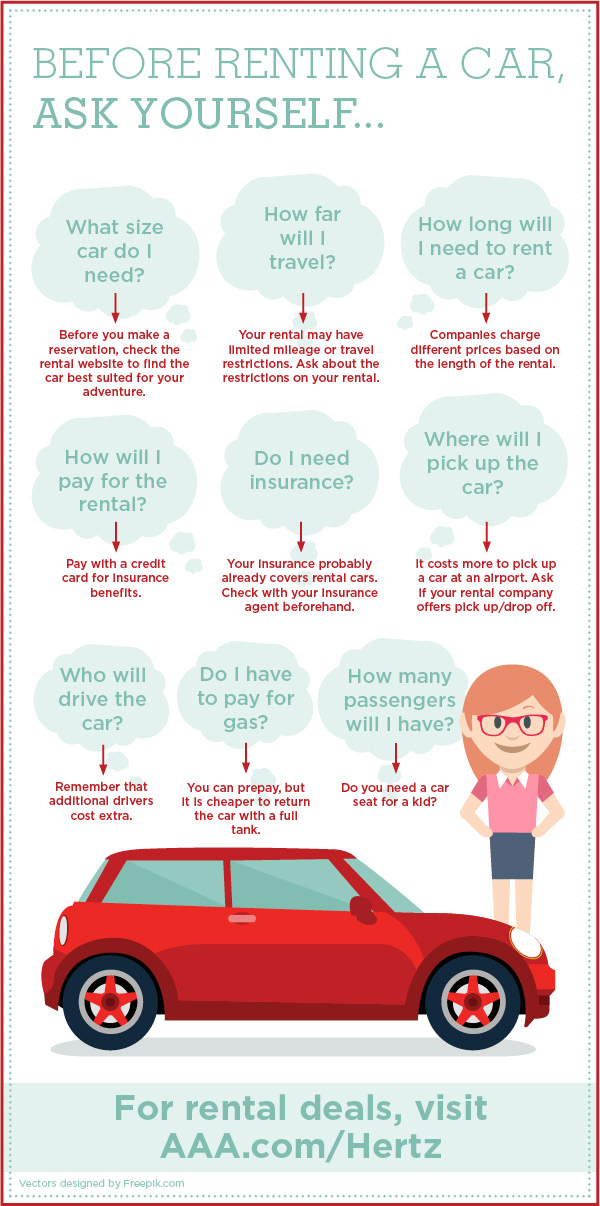
Online Travel Agencies (OTAs) and Aggregators: Your Digital Concierge
Online Travel Agencies and car rental aggregators act as powerful digital marketplaces, consolidating offerings from numerous rental companies. These platforms have become the primary starting point for many renters, providing a centralized hub to compare prices, vehicle types, and rental conditions.
Harnessing the Power of Comparison Engines
The core functionality of these platforms lies in their sophisticated comparison engines. Users input their desired pickup and drop-off locations, dates, and times, and the engine scours a vast database of rental providers. The results are typically presented in a clear, sortable format, allowing users to easily identify the most cost-effective options. Factors like rental duration, vehicle class (economy, sedan, SUV, luxury), and included amenities (GPS, child seats) are all laid bare, enabling informed decision-making.
Understanding Dynamic Pricing and Real-Time Availability
A key technological aspect of these platforms is their ability to display dynamic pricing. Rental car rates are not static; they fluctuate based on demand, seasonality, day of the week, and even the time of day. Aggregators leverage real-time data feeds to reflect these changes instantly, allowing renters to capitalize on price drops or book in advance to secure favorable rates. This constant flux also means that availability can change rapidly, highlighting the advantage of booking as soon as your travel plans are solidified.
Direct Booking with Rental Companies: Leveraging Company-Specific Platforms
While aggregators offer breadth, booking directly with a rental company’s website or app can sometimes yield additional benefits. Many major rental brands have invested heavily in their digital infrastructure, creating user-friendly platforms that enhance the booking and rental experience.
Loyalty Programs and Exclusive Deals
Rental companies often use their direct platforms to promote loyalty programs. By joining these programs, renters can accrue points for future discounts, receive priority service, and access exclusive member-only deals not always visible on third-party sites. These programs are often managed through sophisticated CRM (Customer Relationship Management) systems that track rental history and personalize offers.
Advanced Filtering and Customization Options
Direct booking sites may offer more granular control over vehicle selection and rental add-ons. This can include the ability to specify particular models within a car class, select preferred transmission types, or add specialized insurance options directly. The underlying technology here involves robust inventory management systems that provide detailed information about available vehicles.
The Mobile-First Rental Experience: Apps and On-Demand Access
The proliferation of smartphones has transformed car rental into an app-centric experience. Rental companies and third-party providers are increasingly prioritizing their mobile offerings, recognizing the convenience and immediacy they provide.
Streamlining the Booking and Pickup Process with Mobile Apps
Modern car rental apps go far beyond simple booking. They integrate with various backend systems to offer a seamless end-to-end experience.
Digital Check-In and Keyless Entry
A significant technological leap has been the advent of digital check-in and keyless entry. Through a mobile app, renters can often complete much of the paperwork before arriving at the rental counter. This can include uploading driver’s licenses and credit card information, digitally signing rental agreements, and even selecting their vehicle. In some advanced scenarios, the app itself acts as the key, allowing renters to unlock and start the car via Bluetooth or NFC technology, bypassing the traditional counter entirely. This relies on sophisticated IoT (Internet of Things) integration within the vehicle and the rental company’s infrastructure.
Real-Time Notifications and Support
Rental apps provide real-time updates on reservation status, vehicle assignments, and even potential delays. Many also offer in-app chat support or direct access to customer service, leveraging communication technologies to resolve issues quickly and efficiently. This immediate feedback loop is a direct result of advancements in cloud computing and mobile connectivity.
Car-Sharing Platforms: A New Paradigm in Accessibility
Car-sharing services, often app-based, represent a different but related approach to accessing vehicles. While not strictly traditional car rental, they leverage similar technological underpinnings and cater to short-term transportation needs.
On-Demand and Peer-to-Peer Models
Platforms like Turo or Getaround utilize an app to connect vehicle owners with renters. The technology facilitates the booking, payment, and often the vehicle access process (e.g., through smart locks). This peer-to-peer model leverages GPS tracking, secure communication channels, and digital verification to enable a decentralized rental market.
Flexible Rental Durations and Locations
Car-sharing offers unparalleled flexibility, allowing rentals by the hour, day, or even longer. The distributed nature of the fleet means vehicles can often be found in more convenient locations than traditional rental depots, further enhanced by real-time mapping and availability displays within the apps.

Navigating the Rental Agreement and Vehicle Pick-up Digitally
The technological integration extends to the finer details of the rental process, simplifying traditionally cumbersome aspects.
Digitalizing Rental Agreements and Insurance Options
The paper-heavy rental contract is rapidly becoming a relic of the past. Modern rental companies employ digital signature technology and electronic document management systems.
E-Signatures and Digital Archiving
Upon booking, renters are often presented with their rental agreement electronically, which they can review and sign using a stylus or finger on a tablet or smartphone. These documents are then securely stored in a digital archive, accessible to both the renter and the rental company. This not only speeds up the process but also improves record-keeping and reduces paper waste, aligning with broader digital transformation trends.
Understanding and Selecting Insurance Digitally
Insurance can be a confusing aspect of car rental. Digital platforms now present insurance options in a clearer, more digestible format. Interactive tools or explainer videos within the app or website can help renters understand the coverage provided by various policies, from collision damage waivers (CDW) to liability insurance. The selection and purchase of these options are integrated directly into the digital booking flow.
Pre-Rental Inspections and Damage Reporting
Technology is also revolutionizing how vehicle condition is assessed before and after rental.
Digital Condition Reports and Photo Documentation
Instead of relying on a paper slip and a pen, many rental companies now use tablet-based applications for pre-rental inspections. Renters and rental agents can digitally document the existing condition of the vehicle by annotating images or taking specific photos of any scratches, dents, or other imperfections. This creates a verifiable digital record, minimizing disputes over damage that may have been present before the rental began. Some advanced systems even use AI to analyze images for subtle damage.
Telematics and In-Car Technology for Enhanced Service
The vehicles themselves are increasingly becoming connected devices. Telematics systems, embedded within modern rental cars, allow rental companies to monitor vehicle location, fuel levels, and even driving behavior (though privacy considerations are paramount).
GPS Navigation and Infotainment Integration
Most rental cars today come equipped with integrated GPS navigation systems, often accessible through a touchscreen interface. These systems are frequently updated wirelessly and can offer real-time traffic information, enhancing the driving experience. Similarly, infotainment systems allow for seamless smartphone integration via Apple CarPlay or Android Auto, providing access to music, calls, and navigation from the renter’s personal device.
Post-Rental Procedures: Hassle-Free Returns and Digital Billing
The technological enhancements don’t cease once the rental period concludes. The return process and billing are also being streamlined.
Automated Return Processes and Digital Receipts
Many rental locations now offer automated return kiosks, similar to those found at airports for airline check-in. Renters can drive up, scan a QR code, and complete the return process within minutes.
Fuel Level and Mileage Tracking
Telematics systems can automatically record the fuel level and mileage at the time of return, eliminating the need for manual checks and speeding up the processing. This data is then used to generate the final invoice.
Digital Invoicing and Payment Processing
Final invoices are almost universally sent electronically via email, often with a link to a secure payment portal. This ensures promptness and provides the renter with a digital record of their transaction. Advanced payment systems can even handle automated charges for any additional fees incurred, such as late returns or tolls, directly to the credit card on file.
Utilizing Data for Future Rentals and Customer Service
The data generated throughout the rental journey – from booking preferences to driving patterns (anonymized and aggregated for statistical purposes) – is valuable for rental companies.
Personalization and Targeted Marketing
This data can be used to personalize future rental offers, recommend vehicle types based on past rentals, and improve the overall customer experience. It informs marketing campaigns and helps rental companies understand customer needs and preferences.

Predictive Maintenance and Fleet Management
For the rental companies, telematics data also plays a crucial role in fleet management. It can help predict maintenance needs, optimize vehicle allocation, and improve the overall efficiency of their operations, ultimately contributing to a smoother rental experience for customers.
In conclusion, renting a car has moved beyond a simple transaction to become a digitally driven service. The integration of comparison engines, mobile applications, keyless entry, digital documentation, and connected vehicles has created a more convenient, efficient, and user-friendly experience. As technology continues to advance, we can anticipate even more innovative solutions that will further simplify and enhance the way we access temporary transportation.
aViewFromTheCave is a participant in the Amazon Services LLC Associates Program, an affiliate advertising program designed to provide a means for sites to earn advertising fees by advertising and linking to Amazon.com. Amazon, the Amazon logo, AmazonSupply, and the AmazonSupply logo are trademarks of Amazon.com, Inc. or its affiliates. As an Amazon Associate we earn affiliate commissions from qualifying purchases.