
In the world of personal finance, few variables carry as much weight as the interest rate. Often referred to as the “price of money,” interest rates dictate everything from the monthly payment on your home to the growth potential of your retirement savings. When consumers ask, “What is the interest rate right now?” they are rarely looking for a single number. Instead, they are seeking to understand a complex ecosystem of benchmark rates, lending margins, and economic forecasts that influence their purchasing power.
Understanding the current interest rate environment requires looking beyond the headlines. We are currently navigating a unique period in economic history, transitioning away from a decade of “easy money” into a landscape defined by inflation management and strategic fiscal tightening. This article explores the current state of interest rates, how they are determined, and how you can position your finances to thrive regardless of which way the needle moves.
The Foundations of Current Interest Rates: The Federal Reserve and Macroeconomics
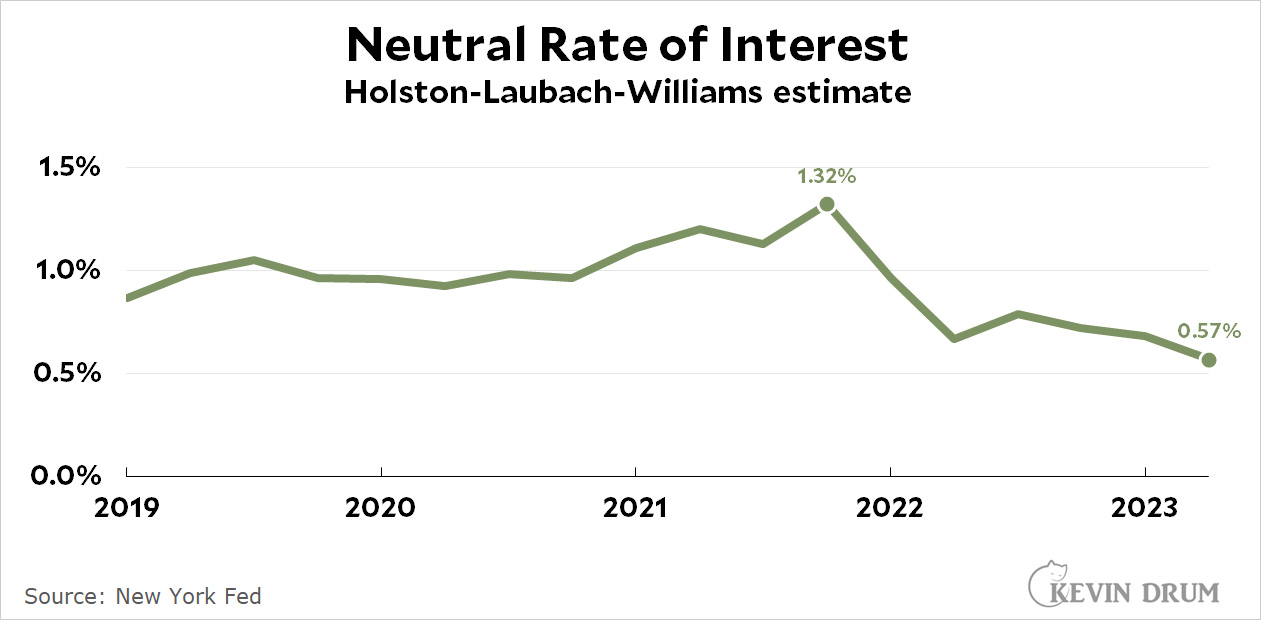
To understand what the interest rate is today, one must first look at the Federal Open Market Committee (FOMC) and the federal funds rate. This is the interest rate at which commercial banks borrow and lend their excess reserves to each other overnight. While it isn’t the rate you pay on a car loan, it serves as the baseline for almost all other interest rates in the economy.
The Role of the Federal Reserve in Rate Setting
The Federal Reserve has a “dual mandate”: to promote maximum employment and stable prices. When inflation rises above the target goal of 2%, the Fed typically raises interest rates to “cool” the economy. By making borrowing more expensive, they reduce consumer spending and corporate investment, which ideally slows down price increases. Conversely, when the economy is sluggish, they lower rates to encourage borrowing and growth. Right now, we are in a phase where the Fed is balancing the need to squash residual inflation without triggering a deep recession—a “soft landing.”
Inflation and the Consumer Price Index (CPI)
The most significant driver of interest rates over the past 24 months has been the Consumer Price Index. When the cost of goods and services spikes, the purchasing power of the dollar diminishes. To protect the economy, the central bank maintains higher rates to ensure that the currency remains stable. For the average individual, this means that as long as groceries and gas remain expensive relative to historical norms, interest rates are likely to remain elevated compared to the near-zero rates seen during the mid-2010s.
Quantitative Tightening and Market Liquidity
Beyond the federal funds rate, the Fed also manages interest rates through its balance sheet. By selling off government bonds (Quantitative Tightening), they reduce the amount of money circulating in the system. This scarcity of capital naturally pushes interest rates higher across the board. For investors and borrowers, this means that even if the Fed stops “hiking” rates, the cost of borrowing may stay high because there is less “easy” money available in the private banking sector.
How Current Interest Rates Impact Your Borrowing Power
When the benchmark rate moves, it ripples through the economy, affecting different types of debt in varying ways. Whether you are looking to buy a home, finance a vehicle, or manage credit card debt, the “current rate” is a moving target influenced by your credit score and the type of loan.
The Mortgage Market and Real Estate
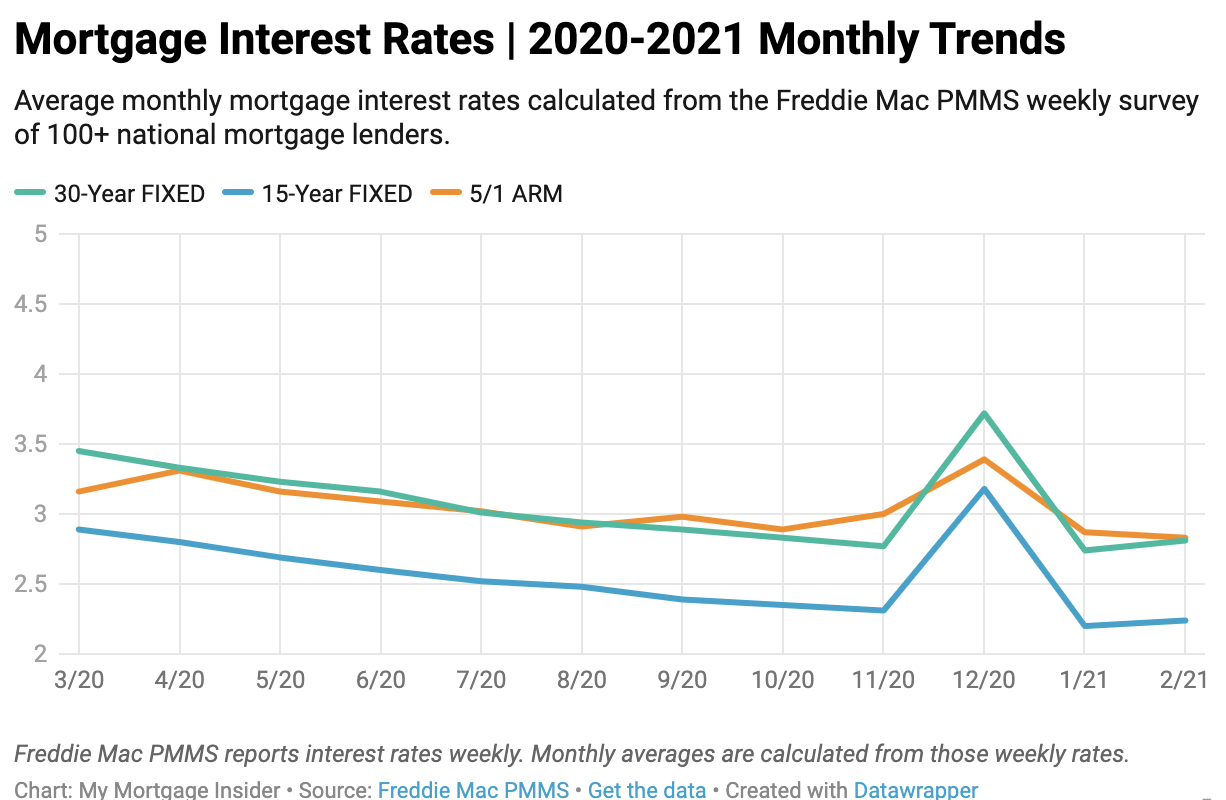
For most households, the 30-year fixed-rate mortgage is the most critical interest rate. Mortgage rates are closely tied to the yield on the 10-year Treasury note. Currently, mortgage rates have seen significant volatility, moving far above the historic lows of 2020-2021. This has created a “lock-in effect,” where homeowners with low rates are hesitant to sell, reducing housing inventory and keeping prices high despite higher borrowing costs. For a prospective buyer right now, the interest rate represents a significant hurdle in monthly affordability, making it essential to shop around for various lending products like ARMs (Adjustable-Rate Mortgages) or FHA loans.
Credit Cards and Variable Interest Rates
Unlike a fixed-rate mortgage, most credit card interest rates are variable and tied directly to the “Prime Rate.” The Prime Rate is typically 3% higher than the federal funds rate. Consequently, when the Fed raises rates, credit card APRs (Annual Percentage Rates) climb almost immediately. In the current environment, many consumers are seeing APRs north of 20%. This makes carrying a balance more dangerous than ever, as the compounding interest can quickly outpace a consumer’s ability to pay down the principal.
Auto Loans and Personal Lending
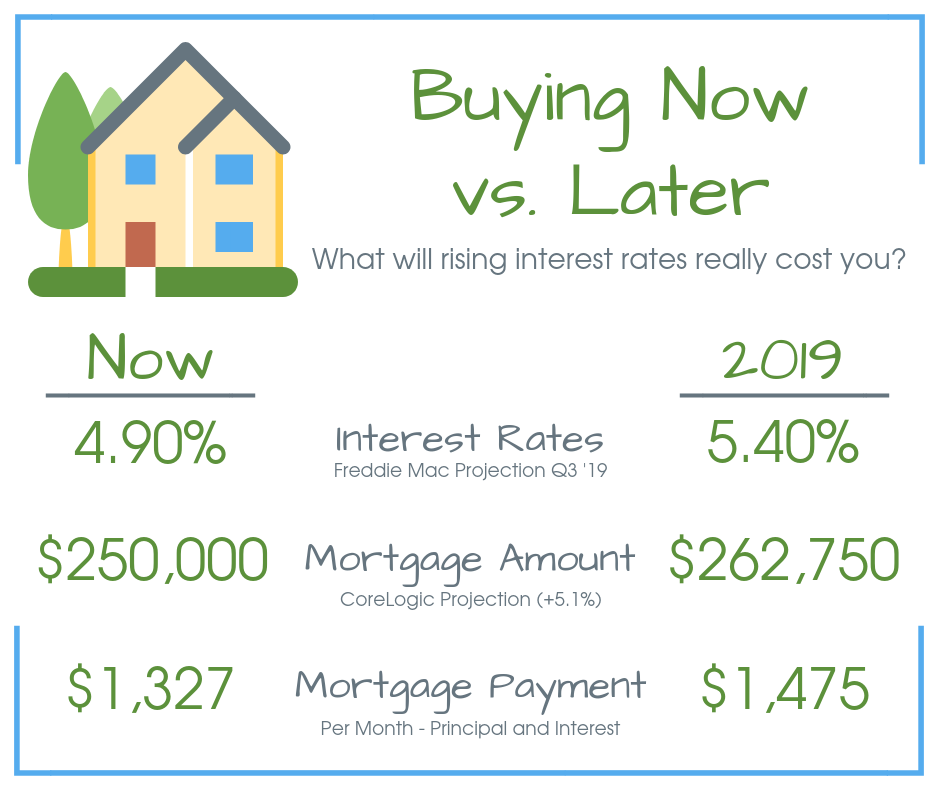
The auto industry is particularly sensitive to interest rate fluctuations. As rates have risen, the “cheap” 0% or 1% financing deals from manufacturers have largely disappeared, replaced by rates that can range from 6% to 12% depending on creditworthiness. This shift has forced many consumers to reconsider the total cost of ownership, as a higher interest rate can add thousands of dollars to the price of a vehicle over a five-year term.
The Upside: Maximizing Returns in a High-Rate Environment
While high interest rates are a burden for borrowers, they are a boon for savers and conservative investors. After years of earning near-zero interest on bank deposits, individuals are finally seeing meaningful returns on their “safe” money.
High-Yield Savings Accounts (HYSA)
One of the most immediate benefits of the current interest rate environment is the rise of High-Yield Savings Accounts. While traditional “big box” banks may still offer negligible interest, online banks and credit unions are currently offering rates between 4% and 5% or more. For someone with an emergency fund, moving that cash from a standard checking account to an HYSA can result in hundreds of dollars of passive income annually with zero risk to the principal.
Certificates of Deposit (CDs) and the “CD Ladder”
Certificates of Deposit allow you to lock in a specific interest rate for a set period, ranging from three months to five years. In a “higher for longer” interest rate environment, CDs are an excellent way to guarantee a return if you believe rates might fall in the future. Many savvy investors are currently utilizing a “CD Ladder” strategy—buying multiple CDs with staggered maturity dates—to ensure they have regular access to liquidity while still capturing high yields.
Bonds and Fixed-Income Securities
Treasury bills (T-bills) and government bonds have become highly attractive lately. With yields on short-term Treasuries often exceeding the returns of more volatile assets, investors are flocking to the safety of government-backed debt. For those looking for inflation protection, I-Bonds (Series I Savings Bonds) remain a popular choice, as their interest rates are partially determined by the current inflation rate, ensuring that your savings keep pace with the rising cost of living.
Strategic Financial Planning for the “New Normal”
Navigating the current interest rate landscape requires a shift in strategy. We are no longer in an era where debt is “free,” which means every financial decision must be scrutinized through the lens of interest costs and opportunity costs.
Debt Prioritization and the Avalanche Method
With high rates on credit cards and personal loans, the “Avalanche Method” of debt repayment is more effective than ever. This involves paying off the debt with the highest interest rate first while making minimum payments on others. In a 20%+ interest rate environment, the “mathematical” win of saving on interest outweighs the “psychological” win of paying off small balances first (the Snowball Method).
The Refinancing Question
Many people ask if they should wait for rates to drop before making a move. While market timing is difficult, it is important to remember that you can “marry the house and date the rate.” If you find a necessary asset (like a home) at a good price, purchasing now and planning to refinance when rates eventually decline can be a viable strategy. However, this requires having the financial “breathing room” to handle the current high payments for an indefinite period.
Diversification in a Volatile Market
High interest rates often lead to stock market volatility, as higher borrowing costs can cut into corporate profits. This is a time to ensure your portfolio is well-diversified. While tech stocks might struggle with higher rates, sectors like insurance or banking may actually benefit. Balancing your investments between equities and the high-yielding fixed-income assets mentioned earlier can provide a smoother ride through economic uncertainty.
Conclusion: Staying Agile in an Evolving Market
“What is the interest rate right now?” is a question that requires a multifaceted answer. While the Federal Reserve’s benchmark remains the primary driver, the reality for most individuals is a tapestry of varying rates across different financial products.
In this environment, the most successful individuals are those who remain agile. By aggressively paying down high-interest debt, moving idle cash into high-yield vehicles, and being selective about new borrowing, you can turn a high-interest-rate environment into a period of wealth building. The era of low rates may return eventually, but for now, the premium on capital rewards those who are disciplined, informed, and strategic with their money. Keep a close eye on the Fed’s monthly announcements and the CPI data, as these remain the most reliable signals for where your money—and the interest it earns or costs—is headed next.
aViewFromTheCave is a participant in the Amazon Services LLC Associates Program, an affiliate advertising program designed to provide a means for sites to earn advertising fees by advertising and linking to Amazon.com. Amazon, the Amazon logo, AmazonSupply, and the AmazonSupply logo are trademarks of Amazon.com, Inc. or its affiliates. As an Amazon Associate we earn affiliate commissions from qualifying purchases.