
In the rapidly evolving landscape of digital finance, the phrase “how to make Bitcoin” can evoke a variety of meanings. For some, it conjures images of powerful computers solving complex puzzles; for others, it’s about strategic investment or even earning through everyday activities. Regardless of the interpretation, the core interest lies in acquiring this revolutionary digital asset, which has redefined notions of currency, value, and financial independence. This guide will meticulously explore the primary avenues through which individuals can “make” or acquire Bitcoin, dissecting each method from a financial perspective, offering insights into their mechanisms, opportunities, and inherent risks.
Bitcoin, launched in 2009 by the pseudonymous Satoshi Nakamoto, introduced the world to decentralized digital money, free from government or institutional control. Its finite supply, transparent blockchain ledger, and cryptographic security have established it as a significant player in the global financial arena. Understanding how to participate in its ecosystem, whether as a miner, earner, or investor, requires a clear grasp of both the underlying technology and the economic realities. Our focus here will be squarely on the financial strategies and implications for individuals looking to add Bitcoin to their personal or business financial portfolio.
Understanding Bitcoin Acquisition Methods
Acquiring Bitcoin isn’t a singular path; it’s a multi-faceted journey with options suitable for different risk appetites, technical proficiencies, and financial goals. Broadly, these methods can be categorized into three main approaches: active participation through mining, earning through services or rewards, and passive acquisition through direct investment. Each method offers unique advantages and challenges, making it crucial for prospective participants to align their chosen strategy with their individual circumstances.
The Fundamental Approach: Bitcoin Mining
Bitcoin mining is the original method for “making” new Bitcoin. It’s a highly specialized process where participants use powerful computers to validate and add new transactions to the Bitcoin blockchain. Miners compete to solve complex cryptographic puzzles; the first to find the solution gets to add the next block of transactions and is rewarded with a set amount of new Bitcoin (the block reward) plus any transaction fees associated with the transactions in that block. This process is essential for maintaining the security and integrity of the Bitcoin network, but its financial viability for individual participants has significantly shifted over time. Initially accessible to anyone with a home computer, mining has evolved into an industrial-scale operation, primarily due to increasing difficulty and energy consumption.
Earning Bitcoin Through Everyday Activities
Beyond mining, a growing number of platforms and services allow individuals to earn Bitcoin directly for their time, skills, or even for simply performing routine online activities. This category encompasses a wide range of opportunities, from micro-task websites and freelancing platforms to affiliate programs and rewards for online shopping. These methods typically involve exchanging effort or data for small denominations of Bitcoin, often referred to as ‘satoshis’ (the smallest unit of Bitcoin, equivalent to 0.00000001 BTC). For those without significant capital to invest or the technical prowess for mining, earning Bitcoin can be an accessible entry point into the cryptocurrency ecosystem, akin to earning traditional currency for services rendered.
Investing in Bitcoin: Direct Purchase
The most straightforward and increasingly common way to “make” Bitcoin is through direct purchase on cryptocurrency exchanges. This involves using fiat currency (like USD, EUR, or GBP) to buy Bitcoin at its current market price. This method positions Bitcoin as an investment asset, similar to stocks or commodities, where individuals aim to profit from its price appreciation over time. It requires a fundamental understanding of market dynamics, risk management, and the security protocols associated with holding digital assets. For the majority of individuals seeking exposure to Bitcoin, direct purchase offers the highest liquidity and flexibility, enabling them to acquire specific amounts of Bitcoin whenever they deem market conditions favorable.
Deep Dive into Bitcoin Mining
While the romantic notion of mining Bitcoin from a home computer persists, the reality of profitable Bitcoin mining in today’s environment is far more complex and capital-intensive. It’s a field dominated by large-scale operations, but understanding its mechanics remains crucial for anyone interested in the foundational process of Bitcoin’s creation.
The Mechanics of Mining
At its core, Bitcoin mining is about cryptographic proof-of-work. Miners use specialized hardware to repeatedly guess a random number (nonce) until they find one that, when combined with the block’s data and hashed, produces a result below a target threshold set by the network. This process is computationally intensive. Once a miner finds the correct nonce, they broadcast the new block to the network for verification, and upon acceptance, receive the block reward. This intricate dance ensures network security and prevents double-spending, but its difficulty adjusts roughly every two weeks to maintain a consistent block creation time (approximately 10 minutes), irrespective of the total mining power on the network.
Hardware and Software Requirements
Gone are the days of CPU or GPU mining for Bitcoin. Modern Bitcoin mining requires Application-Specific Integrated Circuits (ASICs), which are hardware devices specifically designed to perform Bitcoin’s hashing algorithm (SHA-256) with extreme efficiency. These machines are expensive, consume significant amounts of electricity, and generate considerable heat and noise. In addition to ASICs, miners need specific software to connect to the Bitcoin network, manage their hardware, and receive block rewards. The initial capital outlay for ASICs, coupled with ongoing operational costs (primarily electricity), creates a substantial barrier to entry for individual miners.
Solo vs. Pool Mining: Weighing the Options
Given the immense computational power required to find a block, the chances of a solo miner successfully discovering a block are astronomically low. To mitigate this, most miners join mining pools. A mining pool combines the computational power of many individual miners, significantly increasing the probability of finding a block. When a pool successfully mines a block, the reward is distributed among its participants proportionally to the amount of hashing power each contributed. While pool mining reduces the variance in earnings, it also introduces a pool fee and centralizes some control within the pool operator. For serious miners, the choice between solo and pool mining is a balance between potential but highly improbable large payouts and smaller, more consistent distributions.
Economic Considerations and Challenges
The profitability of Bitcoin mining is a delicate balance of several factors: the current Bitcoin price, the network’s mining difficulty, the energy efficiency of the mining hardware, and the cost of electricity. With increasing global energy prices and the relentless rise in mining difficulty, many individual and smaller-scale operations find it challenging to remain profitable. Large mining farms often benefit from economies of scale, access to cheaper electricity (e.g., in regions with abundant hydroelectric or geothermal power), and the ability to negotiate bulk prices for hardware. Prospective miners must conduct a thorough financial analysis, considering not only the potential revenue from block rewards but also the significant operational expenses and the risk of hardware obsolescence. From a financial perspective, mining is now largely an industrial venture rather than a personal income stream for most.
Exploring Avenues for Earning Bitcoin
For those not inclined towards the complexities and capital demands of mining, earning Bitcoin through active participation offers a more accessible pathway. These methods involve leveraging skills, time, or online presence to accumulate Bitcoin.
Bitcoin Faucets and Rewards Programs
Bitcoin faucets are websites or apps that dispense small amounts of Bitcoin (satoshis) to users who complete simple tasks, such as solving captchas, playing games, or viewing ads. While the individual payouts are minuscule, they serve as an introduction to Bitcoin and the concept of micro-transactions. More substantial rewards can be earned through various online platforms that offer Bitcoin for completing surveys, watching videos, or engaging with specific content. Some companies also integrate Bitcoin rewards into loyalty programs or cashback schemes for online shopping, turning everyday consumption into an opportunity to accumulate digital assets.
Freelancing and Gig Work Paid in Bitcoin
The rise of the global gig economy has opened doors for freelancers to offer their services in exchange for Bitcoin. Platforms dedicated to connecting clients with freelancers, or even direct agreements, allow individuals to be paid in BTC for web development, graphic design, writing, translation, digital marketing, and more. This method not only provides a direct way to earn Bitcoin but also allows freelancers to tap into a global client base that might prefer or require cryptocurrency payments. For those with marketable skills, freelancing for Bitcoin can be a viable and often more lucrative alternative to traditional fiat payments, especially in cross-border transactions where traditional banking can be slow and expensive.
Affiliate Marketing and Referrals
Many cryptocurrency-related businesses, including exchanges, wallets, and service providers, offer affiliate programs. By promoting their products or services and referring new users, individuals can earn a commission, often paid in Bitcoin. This leverages one’s online presence, whether through a blog, social media, or a YouTube channel, to generate passive income in Bitcoin. The success of this method largely depends on the individual’s ability to create engaging content and effectively reach a relevant audience interested in cryptocurrency.
Staking and Lending Bitcoin
While not directly “making” new Bitcoin in the same way mining does, staking and lending are methods to earn more Bitcoin from existing holdings. Staking involves holding cryptocurrency in a wallet to support the operations of a proof-of-stake blockchain network, thereby earning rewards. While Bitcoin itself uses proof-of-work, many other cryptocurrencies are proof-of-stake, and by acquiring and staking them, one can increase their overall crypto holdings, which could then be converted to Bitcoin. Lending involves entrusting your Bitcoin to a decentralized finance (DeFi) platform or centralized lending service, which then lends it out to borrowers. In return, you earn interest on your Bitcoin, effectively growing your holdings without active trading. Both methods offer opportunities for passive income, though they come with their own set of risks, including smart contract vulnerabilities, platform insolvency, and market volatility.
Strategic Investment: Buying Bitcoin
For the majority of individuals, the most practical and efficient way to “make” Bitcoin is through strategic investment—directly purchasing it on the open market. This approach requires diligence, a clear investment strategy, and a strong emphasis on security.
Choosing a Reputable Exchange
The first step in buying Bitcoin is selecting a reliable and secure cryptocurrency exchange. Reputable exchanges offer a user-friendly interface, competitive fees, robust security measures (including two-factor authentication and cold storage for assets), and regulatory compliance. Factors to consider include supported fiat currencies, available payment methods, liquidity, customer support, and the exchange’s reputation within the crypto community. Major exchanges like Coinbase, Binance, Kraken, and Gemini are popular choices, each with their own unique features and fee structures. Due diligence in selecting an exchange is paramount to safeguarding your investment.
Understanding Different Purchase Methods
Exchanges typically offer several ways to purchase Bitcoin. These commonly include bank transfers (ACH, SEPA, wire transfers), debit/credit card payments, and sometimes peer-to-peer (P2P) trading. Bank transfers are often the cheapest method but can take longer to process. Debit/credit card purchases are usually instant but come with higher fees. P2P trading allows users to buy directly from other individuals, offering more payment flexibility but requiring careful verification of the counterparty. Understanding the fee structure and processing times for each method is crucial for optimizing your purchasing strategy.
Implementing an Investment Strategy
Treating Bitcoin as a serious investment requires a strategy. Many investors adopt a Dollar-Cost Averaging (DCA) approach, where they invest a fixed amount of money into Bitcoin at regular intervals (e.g., weekly or monthly), regardless of the price. This strategy helps to mitigate the impact of Bitcoin’s notorious price volatility by averaging out the purchase price over time. Another strategy involves value investing, where investors analyze market conditions and fundamental indicators to buy Bitcoin when they believe it is undervalued and sell when it is overvalued. Regardless of the strategy, it’s vital to invest only what you can afford to lose and to have a long-term perspective, given Bitcoin’s historical price fluctuations.
Securing Your Bitcoin Investment
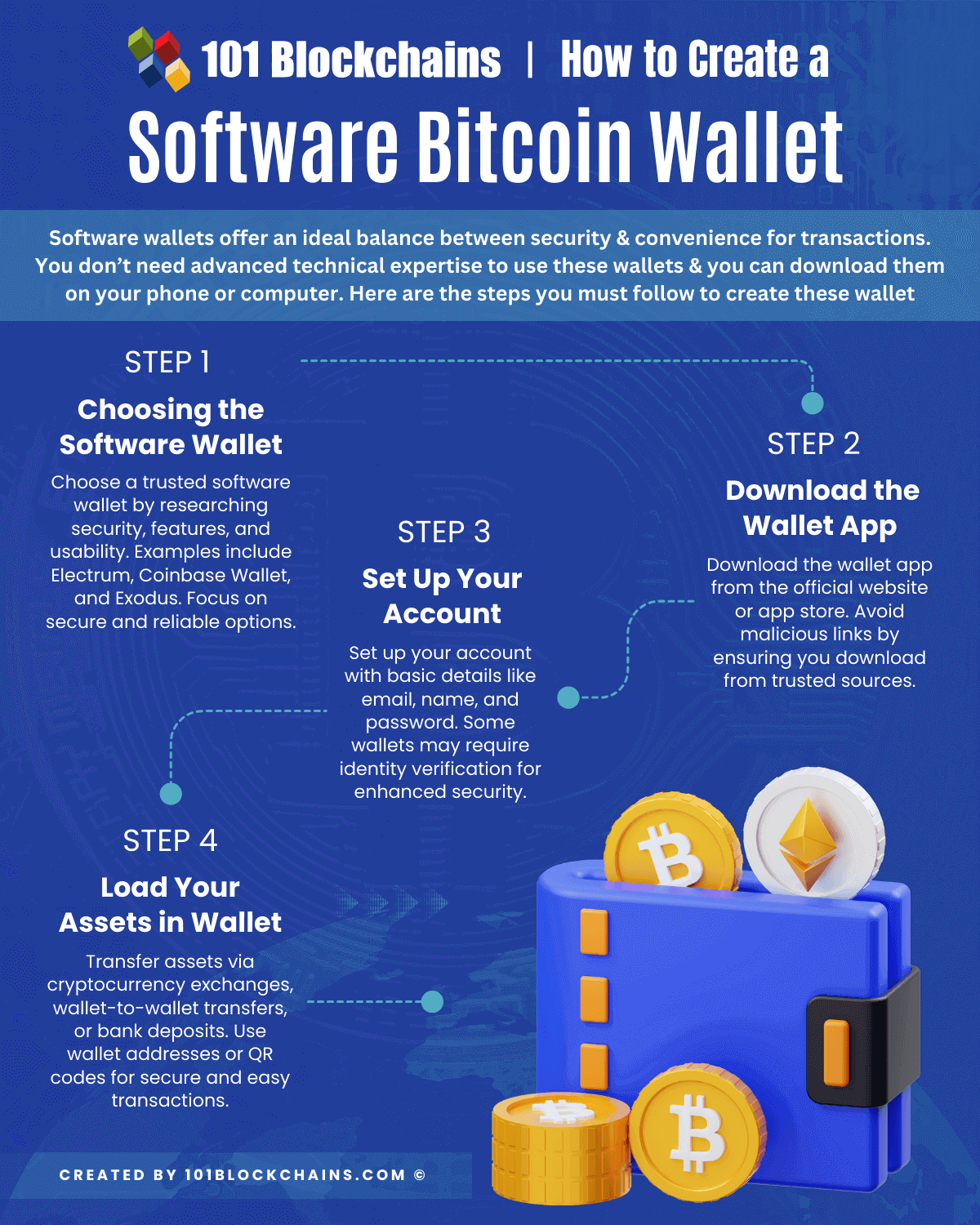
Once you’ve purchased Bitcoin, securing it is paramount. Leaving large amounts of Bitcoin on an exchange carries inherent risks, as exchanges can be targets for hackers. The adage “not your keys, not your crypto” emphasizes the importance of self-custody. Hardware wallets (like Ledger or Trezor) are considered the most secure option for storing Bitcoin, as they keep your private keys offline, away from internet-connected threats. Software wallets (desktop or mobile apps) offer a balance of convenience and security, while paper wallets (physical printouts of keys) offer cold storage but require careful handling and protection against loss or damage. Understanding wallet types and implementing robust security practices, including strong passwords, 2FA, and backup procedures for recovery phrases, is non-negotiable for any Bitcoin investor.
Navigating Risks and Regulatory Landscapes
While the allure of “making” Bitcoin is strong, it’s crucial to approach this endeavor with a clear understanding of the associated risks and the evolving regulatory environment. Bitcoin, like any financial asset, is not without its challenges.
Market Volatility and Price Fluctuations
Bitcoin is renowned for its extreme price volatility. Its value can swing dramatically within short periods, driven by market sentiment, regulatory news, technological developments, macroeconomic factors, and liquidity events. While this volatility presents opportunities for significant gains, it also carries the risk of substantial losses. Investors must be prepared for these fluctuations and avoid making impulsive decisions based on short-term price movements. A disciplined approach, based on a well-defined investment strategy, is essential for navigating these market dynamics.
Security Concerns and Best Practices
The decentralized and pseudonymous nature of Bitcoin, while offering privacy, also attracts malicious actors. Scams, phishing attempts, ransomware, and exchange hacks are persistent threats in the crypto space. It is imperative to practice stringent digital security: use unique, strong passwords; enable two-factor authentication (2FA) on all accounts; be wary of suspicious links or unsolicited messages; and use reputable wallets and exchanges. Understanding how to identify common scams and continuously updating your security knowledge are critical components of protecting your Bitcoin holdings.
Regulatory Compliance and Taxation
The regulatory landscape for Bitcoin is still maturing and varies significantly across jurisdictions. Governments worldwide are grappling with how to classify and regulate cryptocurrencies, leading to a patchwork of laws concerning their usage, trading, and taxation. In many countries, Bitcoin is treated as property for tax purposes, meaning capital gains taxes may apply when it’s sold or used for purchases. It’s the responsibility of each individual to understand and comply with the tax laws and regulations in their specific jurisdiction. Consulting with a tax professional specializing in cryptocurrency can help ensure compliance and optimize financial planning related to Bitcoin holdings.
Conclusion
“How to make Bitcoin” is a question with diverse answers, each leading down a distinct path of engagement with the digital economy. From the complex, industrial-scale endeavor of mining to the active earning through services, and the increasingly popular method of direct investment, opportunities abound for individuals to acquire this transformative digital asset. Each approach comes with its own set of technical requirements, financial commitments, and inherent risks, underscoring the importance of thorough research and a tailored strategy.
For most, strategic investment through reputable exchanges, coupled with robust security practices, represents the most accessible and practical route to accumulating Bitcoin. Earning Bitcoin through freelancing or rewards programs offers a lower-barrier entry point, while mining remains a highly specialized and capital-intensive pursuit. Regardless of the chosen method, success in the Bitcoin space hinges on a combination of informed decision-making, disciplined execution, and a vigilant approach to security and regulatory compliance. As the world continues its journey into the digital age, understanding how to interact with and acquire assets like Bitcoin will undoubtedly become an increasingly valuable financial skill.
aViewFromTheCave is a participant in the Amazon Services LLC Associates Program, an affiliate advertising program designed to provide a means for sites to earn advertising fees by advertising and linking to Amazon.com. Amazon, the Amazon logo, AmazonSupply, and the AmazonSupply logo are trademarks of Amazon.com, Inc. or its affiliates. As an Amazon Associate we earn affiliate commissions from qualifying purchases.