
The Sweet Science Behind the Name
The term “truffle dessert” conjures images of rich, decadent, and intensely flavored chocolate confections. While the culinary world often borrows nomenclature from other domains, in the case of truffles, the connection is direct and evocative. The name itself is a tribute to the luxurious and prized fungus from which it draws its inspiration: the truffle. But what exactly elevates a chocolate creation to the status of a “truffle dessert,” and what are the key characteristics that define it? This exploration delves into the essence of truffle desserts, unraveling their core components, historical evolution, and the artistry involved in their creation.
The Mushroom’s Influence: A Foundation of Earthy Elegance
The origin of the truffle dessert’s name lies in the subterranean fungus, Tuber melanosporum (black truffle) or Tuber magnatum (white truffle), revered in gastronomy for its intensely earthy, musky, and complex aroma. These highly sought-after fungi are notoriously difficult to cultivate, often requiring specific soil conditions and the assistance of trained animals (like pigs or dogs) to locate them. Their rarity, potent fragrance, and astronomical price point have cemented their status as a symbol of ultimate culinary luxury.
Early chocolatiers, inspired by the rich, dark, and somewhat mysterious allure of these fungi, sought to replicate their essence and prestige in the realm of sweets. The visual resemblance of early chocolate confections, often molded into irregular, earthy shapes reminiscent of unearthed truffles, further solidified the connection. More importantly, the complex and profound flavor profiles associated with truffles, particularly the deeply savory and umami notes, were a challenging yet alluring benchmark for chocolatiers. They aimed to create chocolate experiences that offered a similar depth, sophistication, and a lingering, memorable sensory impression.
From Humble Beginnings to Sophisticated Indulgence
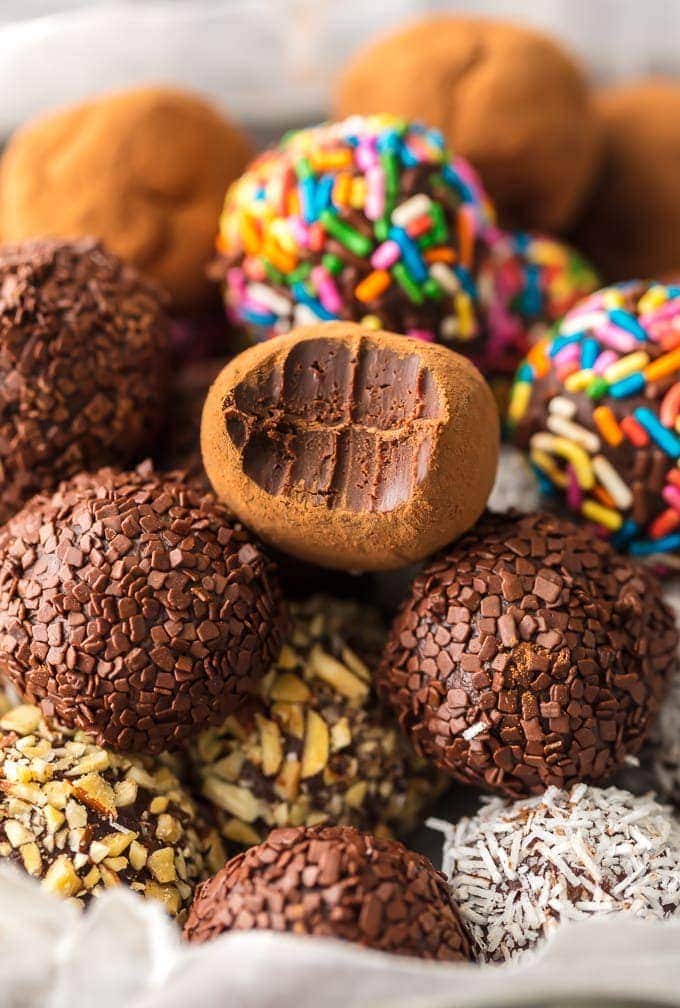
The evolution of the truffle dessert is a fascinating journey, mirroring the advancement of chocolate-making techniques and the growing appreciation for artisanal confectionery. The earliest iterations of what we now recognize as truffle desserts were relatively simple. Typically, they involved a ganache – a rich mixture of chocolate and cream – which was then rolled into balls and sometimes coated in cocoa powder. This basic structure provided a canvas for the chocolatier to explore flavor and texture.
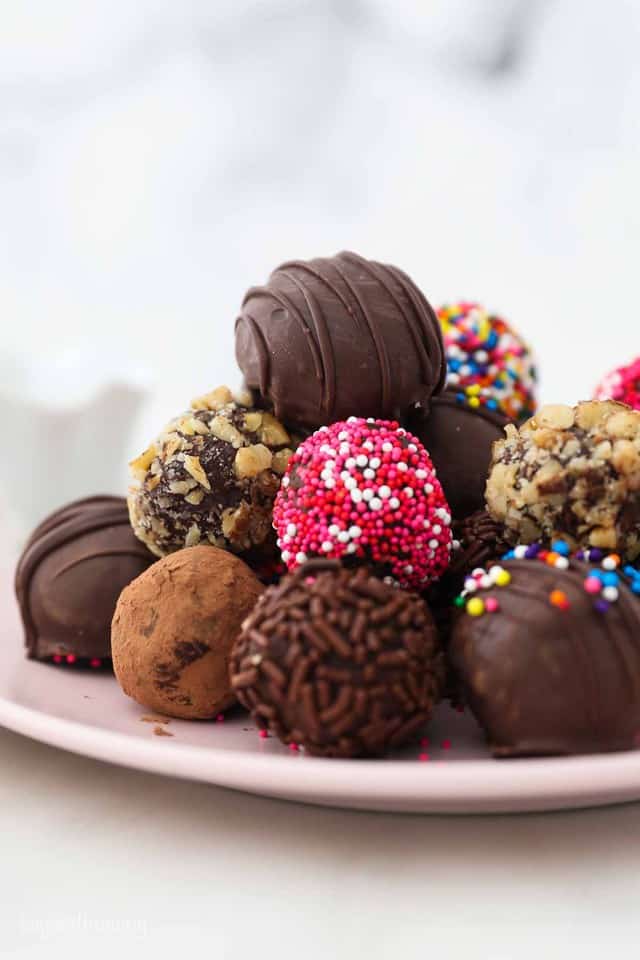
Over time, as chocolate technology progressed and chefs gained a deeper understanding of flavor pairings, the truffle dessert began to diversify. The simple cocoa dusting gave way to more elaborate coatings: finely chopped nuts, melted chocolate, edible gold leaf, or even finely grated truffle shavings themselves for the most opulent creations. The internal texture also evolved. While the classic smooth ganache remains popular, modern truffle desserts can feature multiple layers, contrasting textures like crunchy feuilletine or soft caramel inserts, and a wider spectrum of flavor infusions.
The term “truffle dessert” has also broadened its scope. While traditionally associated with individual, bite-sized confections, it can now encompass larger desserts that incorporate truffle-like elements or draw inspiration from the truffle’s characteristics. This might include layered cakes with ganache fillings reminiscent of truffles, or even savory-sweet dishes that cleverly integrate dark chocolate with earthy undertones.
The Core Components: Ganache as the Foundation
At its heart, a truffle dessert is built upon a foundation of ganache. This fundamental element is the unsung hero, providing the creamy, melt-in-your-mouth texture and the concentrated chocolate flavor that defines the truffle experience. Understanding the art of ganache is crucial to appreciating the construction of any authentic truffle dessert.
The Delicate Balance: Chocolate and Cream
Ganache is essentially an emulsion of chocolate and cream. The ratio of chocolate to cream is the primary determinant of its texture and consistency.
- Higher Chocolate Ratio: A ganache with a higher proportion of chocolate (e.g., 2:1 chocolate to cream) will result in a firmer, more solid ganache. This is ideal for rolling into balls and coating, as it holds its shape well. It typically yields a richer, more intense chocolate flavor.
- Equal Parts Ratio: A 1:1 ratio of chocolate to cream creates a softer, more fluid ganache. This is often used as a filling for cakes or as a glaze, where a smoother, more flowing consistency is desired.
- Higher Cream Ratio: While less common for traditional truffles, a higher cream ratio can create a very soft, almost sauce-like ganache. This might be used for drizzling or as a component within a layered dessert.
The type of chocolate used also plays a significant role. Dark chocolate, with its higher cocoa solids content, provides a more robust flavor and firmer set. Milk chocolate, with its added sugar and milk solids, results in a sweeter, softer ganache. White chocolate, technically a confection as it contains no cocoa solids but rather cocoa butter, sugar, and milk, creates a very sweet and creamy ganache that is often infused with other flavors.
The Art of Emulsification: Achieving Smoothness
The process of making ganache involves gently heating the cream and then pouring it over finely chopped chocolate. The heat from the cream melts the chocolate, and the fat from the chocolate emulsifies with the water in the cream to create a smooth, homogenous mixture. This process requires care; overheating can cause the chocolate to seize, resulting in a grainy texture. Conversely, insufficient heating may prevent proper emulsification, leading to an oily separation.
The quality of the ingredients is paramount. High-quality chocolate with a good percentage of cocoa butter will yield a superior ganache with a superior mouthfeel. Similarly, fresh, full-fat cream contributes to the richness and luxuriousness of the final product. After initial emulsification, the ganache is typically left to cool and set, either at room temperature or in the refrigerator, depending on the desired final consistency.
Beyond the Basics: Variations and Innovations
While the ganache-based, cocoa-dusted ball is the quintessential truffle dessert, the category has expanded significantly, embracing a wide array of flavors, textures, and presentations. Modern chocolatiers and pastry chefs continually push the boundaries, transforming the humble truffle into a canvas for culinary artistry.
Flavor Infusions: A World of Possibilities
The plain chocolate ganache is just the starting point. The true magic of contemporary truffle desserts often lies in the imaginative infusion of flavors. This can be achieved in several ways:
- Steeping: Herbs, spices, or even tea leaves can be steeped in the cream before it’s combined with the chocolate. This allows for subtle, nuanced flavor integration. Popular infusions include lavender, mint, Earl Grey tea, and various chili peppers for a touch of heat.
- Liquids: Liqueurs, spirits, and fruit juices can be incorporated into the ganache. This not only adds flavor but can also influence the texture. For example, a splash of Grand Marnier can enhance the chocolate orange notes, while a high-quality espresso can deepen the chocolate’s complexity.
- Purees and Extracts: Fruit purees (like raspberry or passionfruit) or concentrated flavor extracts (like vanilla bean paste or almond extract) are frequently used to create vibrant, fruity, or nutty truffle variations.
- Spices: From warming cinnamon and cardamom to exotic saffron, spices offer an incredible spectrum of flavor possibilities that can complement or contrast with the richness of chocolate.
The key to successful flavor infusion is balance. The added flavors should complement and enhance the chocolate, not overpower it. The chocolatier must possess a keen understanding of flavor profiles and how different ingredients interact.
Textural Contrasts: Adding Depth and Interest
Beyond the smooth, melting texture of ganache, modern truffle desserts often incorporate elements that provide textural contrast, adding another layer of sensory delight. These can be internal or external:
- Internal Inclusions:
- Crunchy Bits: Small pieces of feuilletine (crispy crepe flakes), finely chopped nuts (hazelnuts, almonds, pistachios), crispy rice cereal, or even small shards of toffee can be folded into the ganache before it sets, creating pockets of delightful crunch.
- Soft Centers: A liquid or semi-liquid center can be enclosed within a firmer ganache shell. This could be a gooey caramel, a vibrant fruit compote, or even a creamy praline paste. This “burst” of flavor and texture upon biting into the truffle is a hallmark of sophisticated confectionery.
- External Coatings:
- Nuts and Seeds: Whole, chopped, or finely ground nuts and seeds (sesame, poppy) provide both flavor and a satisfying crunch.
- Cocoa Nibs: These roasted and crushed cocoa beans offer a bitter, slightly chocolatey crunch that contrasts beautifully with the sweetness of the ganache.
- Edible Glitter and Sprinkles: While sometimes seen as purely decorative, these can add a subtle textural element.
- Crystallized Flowers and Fruits: These add visual appeal and a delicate crispness.
The interplay of smooth, rich ganache with crunchy inclusions or a liquid center creates a multi-dimensional dessert experience that is far more engaging than a simple uniform texture.
The Artistry of Presentation: Visualizing the Truffle
The visual appeal of a truffle dessert is as important as its taste and texture. The way a truffle is presented can elevate it from a simple sweet to a work of edible art, reflecting the skill and creativity of the chocolatier. This artistry extends from the initial shaping to the final decorative touches.
Shaping and Molding: The Foundation of Form
The classic truffle shape is irregular and rounded, mimicking the unearthed fungus. This often involves scooping portions of firm ganache and rolling them between the palms. However, the pursuit of aesthetic appeal has led to a wider range of shaping techniques:
- Hand-Shaping: The traditional method, allowing for a rustic, artisanal feel.
- Molding: Using silicone or polycarbonate molds allows for precise, uniform shapes, from perfect spheres to intricate geometric designs. These molds can also be used to create hollow truffle shells that can then be filled.
- Dipping and Coating: Once shaped and chilled, truffles are often dipped in tempered chocolate. This process requires skill to achieve a smooth, even, and glossy coating that snaps pleasingly when bitten. The tempering process ensures the chocolate hardens correctly and has a good shelf life.
Decorative Flourishes: The Final Polish
The finishing touches are where the chocolatier truly expresses their artistic vision. These decorative elements serve to enhance the visual appeal and sometimes hint at the flavors within:
- Dusting and Rolling: The classic cocoa powder dusting remains popular, but variations include finely ground nuts, powdered freeze-dried fruits, or even edible metallic dusts for a touch of glamour.
- Drizzling: Melted chocolate, often of a contrasting color or flavor, can be drizzled in elegant patterns over the truffle’s surface.
- Toppings: Small edible decorations like chocolate curls, edible flowers, gold leaf, silver leaf, or even tiny crystallized fruits add intricate detail and sophistication.
- Airbrushing: For a more uniform and professional finish, some chocolatiers use airbrushes to apply colored cocoa butter or edible paints, creating subtle gradients or intricate designs.
- Marbling: Combining different colors of melted chocolate and swirling them together before coating creates a marbled effect, offering a unique visual for each truffle.
The presentation of truffle desserts is often a reflection of the occasion and the desired brand image. A rustic, hand-rolled truffle dusted in cocoa might be perfect for a cozy cafe, while a geometrically molded truffle adorned with gold leaf and intricate piping might be destined for a high-end patisserie or a special event. Ultimately, the artistry in presentation transforms a delicious confection into a memorable sensory experience.
aViewFromTheCave is a participant in the Amazon Services LLC Associates Program, an affiliate advertising program designed to provide a means for sites to earn advertising fees by advertising and linking to Amazon.com. Amazon, the Amazon logo, AmazonSupply, and the AmazonSupply logo are trademarks of Amazon.com, Inc. or its affiliates. As an Amazon Associate we earn affiliate commissions from qualifying purchases.