
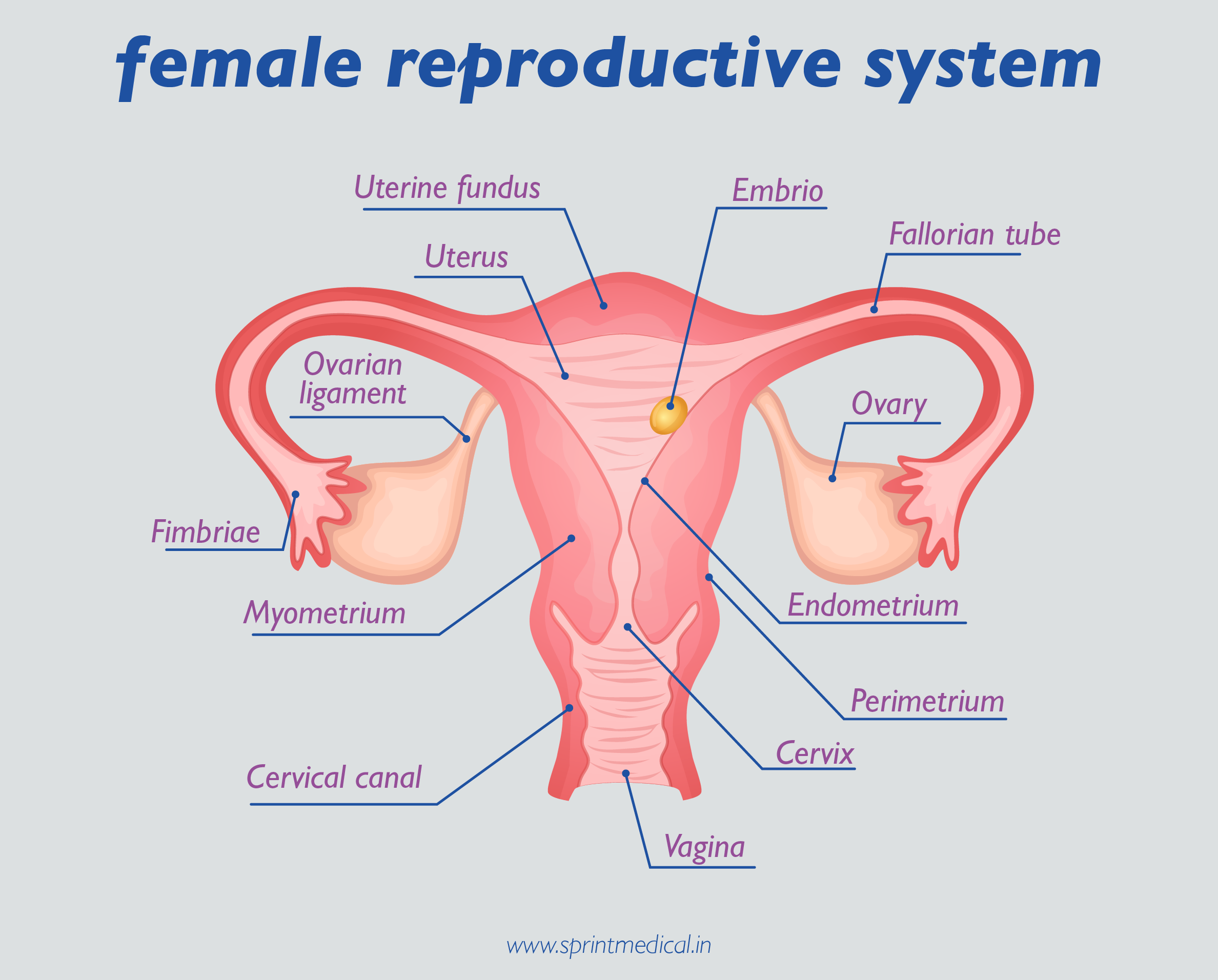
In the realm of women’s health, the phrase “thick endometrium” often raises questions and can be a source of concern. Medically, the endometrium is the inner lining of the uterus, a tissue that undergoes monthly cycles of growth and shedding in preparation for potential pregnancy. When this lining becomes unusually thick, it’s known as endometrial hyperplasia, and while often benign, it can sometimes be a precursor to more serious conditions, including endometrial cancer. Understanding what constitutes a thick endometrium, why it occurs, and its implications is crucial for proactive health management.
However, in the rapidly evolving landscape of healthcare, our understanding, diagnosis, and management of conditions like thick endometrium are no longer solely confined to traditional clinical practices. Instead, technology has emerged as an indispensable ally, revolutionizing how we perceive and interact with complex medical phenomena. From advanced imaging and artificial intelligence to wearable sensors and digital health platforms, technology is reshaping the narrative around endometrial health, offering unprecedented precision, accessibility, and patient empowerment. This article delves into what thick endometrium entails, viewed through the lens of modern technological advancements that are transforming its detection, monitoring, and management.

The Digital Revolution in Women’s Reproductive Health
The journey of diagnosing and understanding thick endometrium has been dramatically altered by innovations in medical technology. What once relied heavily on invasive procedures and subjective interpretations is now being augmented and refined by digital tools that offer greater accuracy, less discomfort, and broader accessibility. The digital revolution is not just about faster processes; it’s about fundamentally changing the paradigm of women’s reproductive health, bringing sophisticated diagnostics and insights closer to patients and clinicians alike.
AI and Advanced Imaging for Early Detection
One of the most significant technological leaps in diagnosing thick endometrium comes from the synergy of artificial intelligence (AI) and advanced imaging techniques. Traditional methods like transvaginal ultrasound, while foundational, can be subject to human interpretation variability. AI-powered diagnostic tools are changing this. Machine learning algorithms are now being trained on vast datasets of ultrasound and MRI images, enabling them to identify subtle patterns and anomalies indicative of endometrial thickening with remarkable precision. These systems can highlight suspicious areas, calculate endometrial thickness more consistently, and even predict the likelihood of malignancy, thereby assisting radiologists and gynecologists in making more informed decisions. This leads to earlier detection of concerning changes, potentially catching pre-cancerous conditions or early-stage cancers when they are most treatable. Moreover, image processing algorithms can standardize readings across different clinics and operators, reducing diagnostic discrepancies and improving overall care quality.
Telemedicine’s Role in Accessible Care
Access to specialized gynecological care, particularly for conditions like thick endometrium, can be a challenge for many, especially those in rural areas or with limited mobility. Telemedicine has emerged as a game-changer, breaking down geographical barriers and making expert consultations more accessible than ever. For follow-up appointments, discussions of lab results, or initial symptom evaluations, virtual consultations allow patients to connect with specialists from the comfort of their homes. While physical examinations or procedures like endometrial biopsies still require in-person visits, telemedicine facilitates preliminary screenings, ongoing monitoring, and patient education. Doctors can review imaging reports uploaded securely by local clinics, discuss findings with patients, and provide guidance on next steps, all through a secure video link. This not only enhances convenience but also reduces the burden on healthcare infrastructure, ensuring timely care delivery and better patient compliance with treatment plans.
Leveraging Wearables and Health Apps for Personal Monitoring
Beyond clinical diagnostics, personal technology is empowering individuals to play a more active role in monitoring their reproductive health. The ubiquity of smartphones and the rapid advancement of wearable health devices are creating a new frontier for symptom tracking, cycle management, and data collection that can be invaluable in understanding conditions like thick endometrium. This shift towards personalized health monitoring provides a continuous stream of data, offering insights that sporadic clinical visits might miss.
Tracking Cycles and Symptoms with Precision
For women experiencing irregular bleeding, spotting, or changes in menstrual patterns – common indicators that might prompt an investigation into endometrial thickness – health apps provide a powerful tool for detailed symptom logging. Menstrual cycle tracking apps, many of which are now sophisticated health diaries, allow users to record not only their periods but also symptoms like pelvic pain, bloating, mood changes, and unusual bleeding. By consistently logging this information, patterns can emerge that might signal underlying issues. For instance, prolonged or heavy bleeding, or bleeding between periods, can be clearly documented and presented to a healthcare provider. This granular data helps clinicians connect symptoms to potential causes more effectively, forming a comprehensive historical record that aids in diagnosis and treatment planning. The objective data provided by these apps reduces reliance on subjective recall, making consultations more efficient and accurate.
Data-Driven Insights for Personalized Management
The data collected through wearables and health apps isn’t just for tracking; it’s for generating insights. Some advanced apps integrate with wearable devices that monitor basal body temperature, heart rate variability, and sleep patterns, offering a holistic view of the user’s physiological state. While not directly diagnosing thick endometrium, changes in these metrics, especially when correlated with reported symptoms, can indicate hormonal imbalances or stress responses that may indirectly influence endometrial health. The true power lies in the aggregation and analysis of this data. Future applications could leverage AI to cross-reference personal symptom data with known clinical profiles of endometrial conditions, offering personalized risk assessments or suggesting when it might be prudent to seek medical advice. This data-driven approach moves beyond generic health advice, enabling more tailored and proactive management strategies for individuals.
Digital Education and Community Support
A diagnosis of thick endometrium, especially with its potential implications, can be daunting. Access to reliable information and a supportive community is paramount for patient empowerment and mental well-being. Technology has revolutionized how individuals access health education and connect with others facing similar challenges, transforming passive patients into informed advocates for their own health.
Empowering Patients Through Information
The internet has democratized access to health information, and for complex conditions like thick endometrium, high-quality digital resources are invaluable. Reputable health websites, patient advocacy groups, and academic institutions provide articles, videos, and infographics that explain the condition in layman’s terms, detailing causes, symptoms, diagnostic procedures, and treatment options. These resources empower patients to understand their diagnosis, prepare informed questions for their doctors, and actively participate in their care decisions. Interactive platforms can even offer personalized educational pathways based on a patient’s specific diagnosis or stage of condition. By providing clear, accessible, and evidence-based information, digital education demystifies the medical process, reduces anxiety, and fosters a sense of control for individuals navigating a health challenge.
Virtual Platforms for Peer Connection
Beyond formal education, the emotional and psychological aspects of a medical diagnosis cannot be overstated. Online forums, social media groups, and dedicated patient communities provide virtual spaces where individuals with thick endometrium can connect, share experiences, and offer mutual support. These platforms allow people to ask questions anonymously, share personal stories of diagnosis and treatment, and find comfort in knowing they are not alone. Moderated by healthcare professionals or patient advocates, these communities often become invaluable sources of practical advice, emotional solace, and a sense of belonging. The peer-to-peer support facilitated by these digital platforms complements clinical care, addressing the psychosocial needs that are crucial for holistic well-being during a health journey.
The Future of Endometrial Health: Predictive Analytics and Personalized Medicine
The current technological advancements are merely a precursor to an even more integrated and personalized future for endometrial health. The convergence of big data, advanced analytics, and genomic medicine promises a paradigm where the risk of conditions like thick endometrium can be predicted, and interventions can be tailored with unprecedented precision.
Genomic Data Integration
The next frontier involves integrating genomic data into endometrial health assessments. As the cost of genetic sequencing decreases, it becomes feasible to analyze an individual’s genetic predisposition to conditions like endometrial hyperplasia or cancer. Future diagnostic models could combine imaging data, symptom tracking, and genetic markers to create highly personalized risk profiles. For instance, if an individual carries specific genetic variants associated with an increased risk of endometrial abnormalities, combined with signs of thickening on a routine scan, AI systems could flag a higher level of concern, prompting earlier or more aggressive monitoring. This preventative approach, guided by an individual’s unique genetic blueprint, could transform reactive treatment into proactive risk management.

Ethical Considerations in Health Tech
As technology continues to advance in managing sensitive health conditions, ethical considerations become increasingly important. Data privacy and security are paramount, especially when dealing with personal health information. Robust encryption, strict access controls, and transparent data usage policies are essential to maintain patient trust. Furthermore, the potential for algorithmic bias in AI diagnostics, where models might perform differently across various demographic groups, requires careful development and rigorous testing to ensure equitable healthcare outcomes. Addressing the digital divide, ensuring that technological advancements benefit all segments of the population regardless of socioeconomic status or geographical location, is also a critical ethical imperative. The promise of health tech must be tempered with a commitment to responsible innovation that prioritizes patient well-being, privacy, and equity.
In conclusion, “what is thick endometrium” is a question that now invites a technologically rich answer. From the precise diagnostic capabilities offered by AI and advanced imaging to the empowering tools of telemedicine, health apps, and digital education platforms, technology has fundamentally reshaped our ability to understand, monitor, and manage this important aspect of women’s reproductive health. As we look to the future, the ongoing integration of genomic data and predictive analytics promises an era of even more personalized and proactive care, ensuring that women have the best possible tools and information to navigate their health journeys.
aViewFromTheCave is a participant in the Amazon Services LLC Associates Program, an affiliate advertising program designed to provide a means for sites to earn advertising fees by advertising and linking to Amazon.com. Amazon, the Amazon logo, AmazonSupply, and the AmazonSupply logo are trademarks of Amazon.com, Inc. or its affiliates. As an Amazon Associate we earn affiliate commissions from qualifying purchases.