
The S&P 500 is more than just a number; it’s a barometer of the American economy and a benchmark for global investors. Representing 500 of the largest publicly traded companies in the United States by market capitalization, it offers a diversified slice of the market’s performance. For decades, investing in the S&P 500 has been a cornerstone strategy for both novice and seasoned investors seeking long-term growth and capital appreciation. This comprehensive guide will demystify the S&P 500, explore various investment avenues, and provide actionable steps to help you integrate this powerful index into your financial portfolio.
Investing directly into an index like the S&P 500 is, by definition, impossible, as an index is merely a mathematical construct tracking a basket of securities. Instead, investors gain exposure to the S&P 500’s performance through various financial products designed to mimic its composition and returns. This article will delve into the mechanisms and strategies for effectively achieving this exposure, emphasizing a professional, insightful, and engaging approach to personal finance and investing.
Understanding the S&P 500 Index
Before diving into investment strategies, it’s crucial to grasp what the S&P 500 truly represents and why it holds such significance in the financial world. Its influence extends beyond mere stock tracking; it’s a key indicator of market health and investor sentiment.
What is the S&P 500?
The S&P 500, or Standard & Poor’s 500, is a stock market index that tracks the stock performance of 500 of the largest companies listed on U.S. exchanges. It is a market-capitalization-weighted index, meaning companies with larger market values have a greater impact on the index’s performance. The constituents are selected by a committee at S&P Dow Jones Indices based on criteria such as market size, liquidity, public float, and sector representation, ensuring it accurately reflects the broader U.S. economy. These companies span all major sectors, from technology and finance to healthcare and industrials, offering a broad snapshot of corporate America.
Why Invest in the S&P 500?
The appeal of investing in the S&P 500 stems from several compelling advantages. Historically, it has demonstrated robust long-term growth, averaging returns of around 10-12% annually over many decades, though past performance is not indicative of future results. This impressive track record is primarily due to the inherent benefits of diversification and the continuous innovation and growth of the underlying companies.
Firstly, diversification is a powerful risk management tool. By investing in 500 different companies across various sectors, you significantly reduce the risk associated with any single company or industry performing poorly. A downturn in one sector might be offset by growth in another, smoothing out overall portfolio volatility. Secondly, the S&P 500 acts as a filter, as companies that falter are eventually replaced by more dynamic, growing ones, ensuring the index remains representative of economic leaders. This “survival of the fittest” mechanism inherently builds a quality screen into your investment. Finally, it offers a simple, low-cost way to invest in the broader market, eliminating the need for extensive research into individual stocks.
Key Characteristics and Composition
The S&P 500 is dynamic, with its components changing over time. Companies are added and removed based on strict criteria, ensuring the index remains relevant and reflective of leading U.S. businesses. As a market-cap-weighted index, tech giants like Apple, Microsoft, Amazon, and Alphabet (Google) often command the largest weightings, given their enormous market capitalizations. This means their stock movements have a greater impact on the index’s overall performance. Understanding this weighting helps investors appreciate why certain sectors might drive performance more than others at different times. The committee that manages the S&P 500 also considers liquidity and financial viability to ensure the index components are investable and stable.
Primary Investment Avenues for S&P 500 Exposure
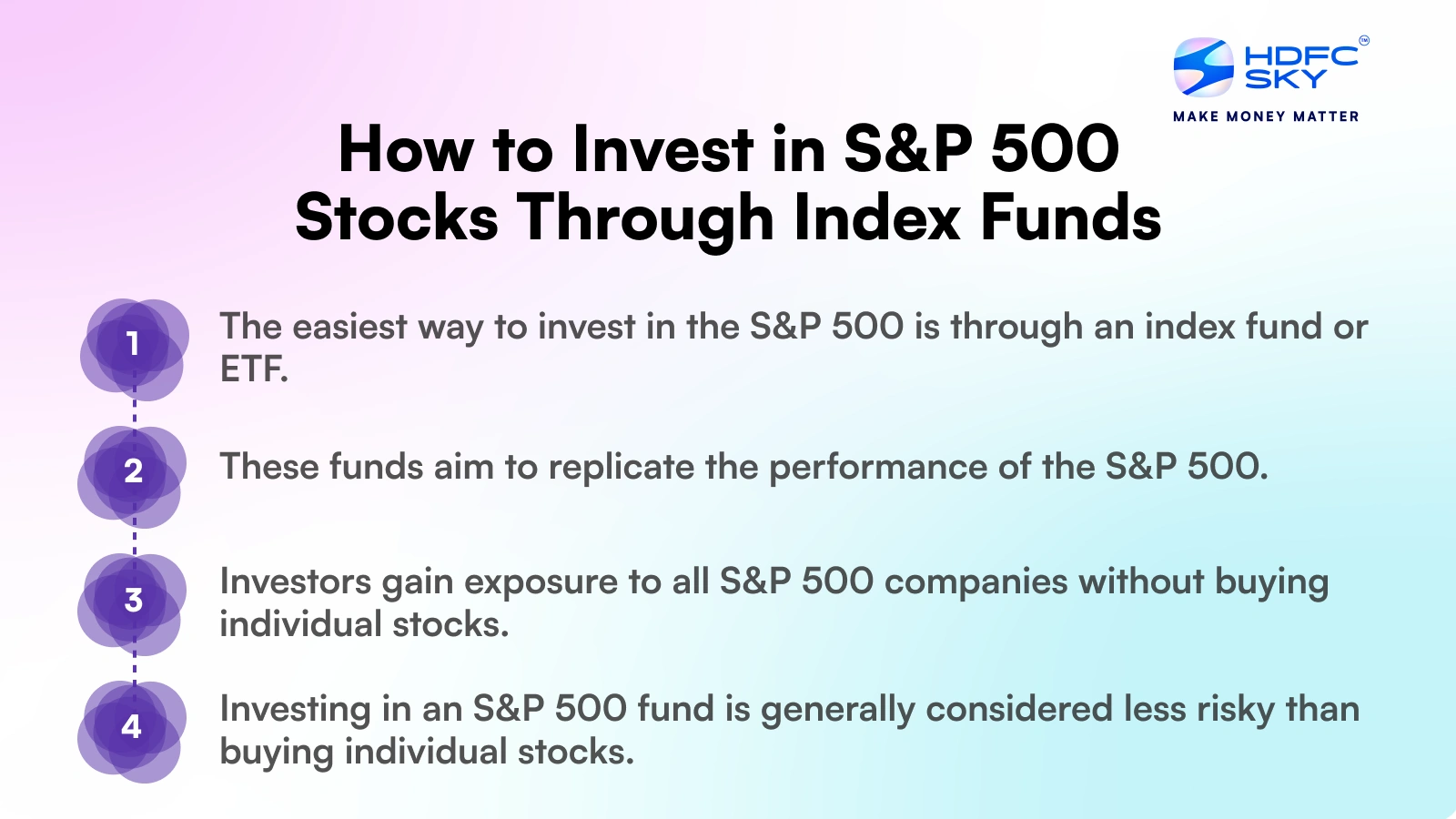
Since you cannot directly purchase the S&P 500 index, investors rely on financial instruments designed to mirror its performance. The two most popular and accessible options are Exchange-Traded Funds (ETFs) and Mutual Funds, specifically index funds.
Exchange-Traded Funds (ETFs)
ETFs are a popular choice for gaining S&P 500 exposure due to their flexibility and typically lower costs. An S&P 500 ETF is a type of fund that holds a basket of stocks designed to track the performance of the S&P 500 index. When you buy shares of an S&P 500 ETF, you are essentially buying a small piece of all 500 companies in the index without having to purchase each stock individually.
Key benefits of S&P 500 ETFs:
-
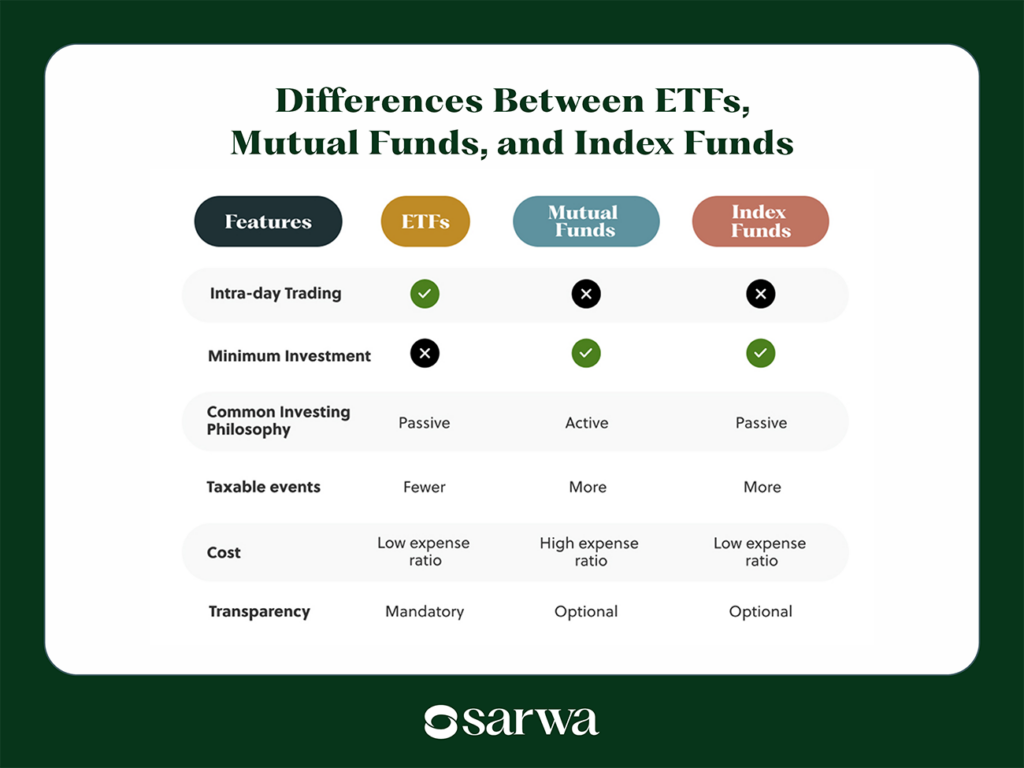
Intraday Trading: Unlike mutual funds, ETFs can be bought and sold throughout the trading day at market prices, just like individual stocks.
-
Lower Expense Ratios: ETFs generally have very low expense ratios (annual fees), making them a cost-efficient way to invest. Funds like IVV, SPY, and VOO are prominent examples, often with expense ratios below 0.1%.
-
Tax Efficiency: ETFs can be more tax-efficient than traditional mutual funds, especially in taxable accounts, due to their structure and how they handle capital gains distributions.
-
Transparency: The holdings of most ETFs are disclosed daily, offering full transparency into what you own.
Mutual Funds (Specifically Index Funds)
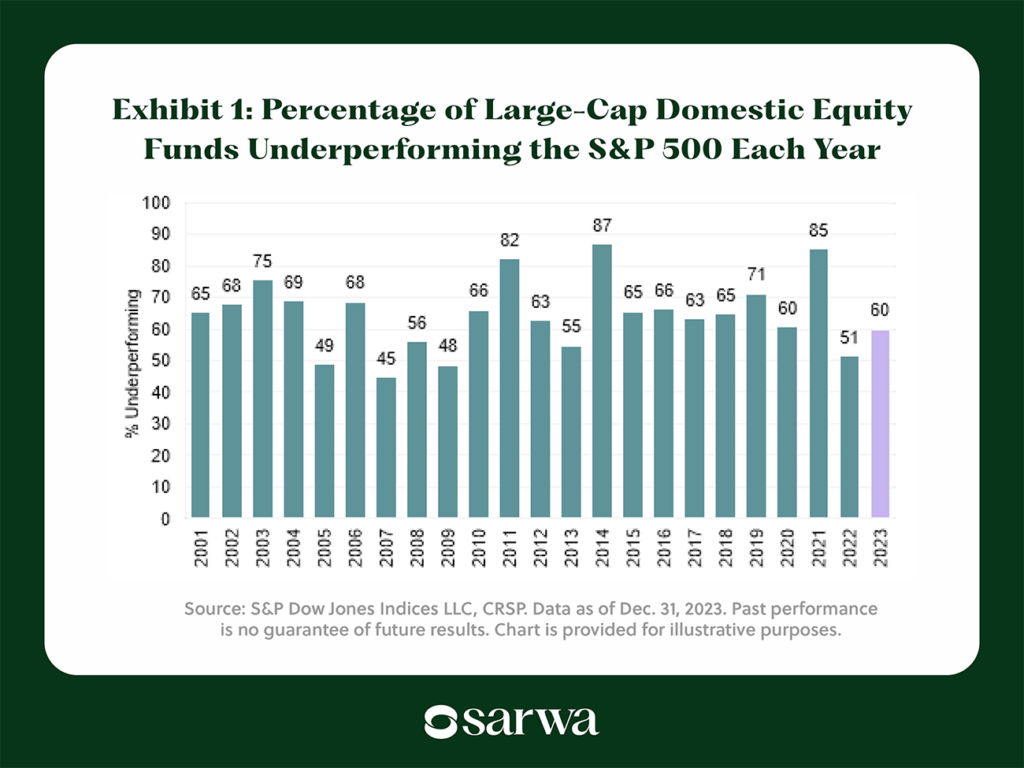
Mutual funds are professionally managed portfolios of stocks, bonds, or other investments. S&P 500 index mutual funds pool money from many investors to buy the stocks that comprise the S&P 500 index in the same proportions. They are designed to replicate the index’s performance, rather than trying to beat it (which is the goal of actively managed funds).
Key benefits of S&P 500 Index Mutual Funds:
-
Automatic Investment: Many mutual funds allow for automatic, recurring investments, making it easy to implement a dollar-cost averaging strategy.
-
Professional Management: While passively managed, the fund manager ensures the fund accurately tracks the index, handling rebalancing and other administrative tasks.
-
Accessibility: Often available directly from fund providers or through brokerage platforms, many have relatively low minimum initial investments.
-
Diversification: Like ETFs, they offer instant diversification across 500 companies.
While typically having slightly higher expense ratios than comparable ETFs, many low-cost S&P 500 index funds from providers like Vanguard (e.g., VFIAX), Fidelity (e.g., FXAIX), and Charles Schwab are excellent choices for long-term investors.
Individual Stocks: A Different Approach
While it’s possible to try and replicate the S&P 500 by buying all 500 individual stocks, this approach is highly impractical for most investors due to the capital required and the administrative burden of maintaining such a portfolio. Moreover, selecting a subset of S&P 500 stocks would no longer guarantee tracking the index’s performance, thus losing the core benefit of broad market diversification. For this reason, investing in the S&P 500 almost exclusively refers to using ETFs or index mutual funds.
Practical Steps to Get Started
Embarking on your S&P 500 investment journey is straightforward once you understand the underlying mechanisms. Here’s a step-by-step guide to help you initiate your investment.
Choose a Brokerage Account
The first essential step is to open an investment account with a reputable brokerage firm. Major online brokers like Fidelity, Charles Schwab, Vanguard, E*TRADE, and Interactive Brokers offer a wide range of investment products, including S&P 500 ETFs and index funds. Consider factors such as:
-
Fees and Commissions: Look for platforms with low or zero commissions on ETF and stock trades.
-
Minimum Investment Requirements: Some mutual funds have minimum investment thresholds (e.g., $3,000), while ETFs can be bought for the price of a single share.
-
Available Investment Products: Ensure the broker offers the specific S&P 500 ETFs or index funds you are interested in.
-
Research Tools and Educational Resources: Especially helpful for new investors.
-
Customer Service: Reliable support can be invaluable.
You can open various types of accounts, including a taxable brokerage account, a Traditional or Roth IRA (for retirement savings with tax advantages), or a 401(k) or 403(b) through your employer if S&P 500 index funds are offered.
Select Your Investment Vehicle
Once your account is set up, you need to decide whether an S&P 500 ETF or an S&P 500 index mutual fund better suits your investment style and goals.
-
For active traders or those preferring flexibility: ETFs might be more appealing due to intraday trading capabilities.
-
For hands-off, long-term investors who prefer automated investing: Mutual funds, especially with dollar-cost averaging, can be more convenient.
-
Compare Expense Ratios: Always prioritize funds with the lowest expense ratios, as these fees can significantly impact your long-term returns. For example, choose between Vanguard S&P 500 ETF (VOO), SPDR S&P 500 ETF Trust (SPY), or iShares Core S&P 500 ETF (IVV) for ETFs, or Vanguard 500 Index Fund Admiral Shares (VFIAX) or Fidelity 500 Index Fund (FXAIX) for mutual funds.
Develop an Investment Strategy
Consistency is key in investing. Many investors find success with a strategy called dollar-cost averaging (DCA). This involves investing a fixed amount of money at regular intervals (e.g., $200 every month), regardless of market fluctuations. DCA helps reduce the risk of investing a large sum at a market peak and smooths out the average purchase price over time. Alternatively, if you have a lump sum, research suggests investing it all at once (lump-sum investing) often outperforms DCA in the long run, though DCA offers psychological comfort during volatile periods. Your chosen strategy should align with your risk tolerance and financial capacity.
Monitor and Rebalance (If Necessary)
For a pure S&P 500 investment, constant monitoring is largely unnecessary, as the index itself is self-rebalancing through its committee. However, if your S&P 500 exposure is part of a broader portfolio (e.g., alongside international stocks or bonds), you may need to periodically rebalance your portfolio. Rebalancing means adjusting your asset allocation back to your target percentages. For example, if your S&P 500 holdings have grown significantly and now represent a larger portion of your portfolio than you intended, you might sell some to reinvest in underperforming assets, maintaining your desired risk profile. This typically happens once a year or every few years.
Important Considerations and Risks
While investing in the S&P 500 offers numerous advantages, it’s not without its considerations and potential risks. An informed investor is a prepared investor.
Market Volatility and Downturns
The stock market is inherently volatile. While the S&P 500 has shown strong long-term growth, it experiences short-term fluctuations, corrections, and even bear markets (declines of 20% or more). It’s crucial to remember that your investment’s value will go up and down. Investing in the S&P 500 should be viewed as a long-term strategy, ideally for horizons of 10 years or more, to ride out these inevitable market cycles. Panic selling during a downturn can lock in losses and derail your financial goals.
Expense Ratios and Fees
Even though S&P 500 index funds and ETFs are known for their low costs, it’s vital to be aware of expense ratios. This annual fee, expressed as a percentage of your total investment, is deducted directly from the fund’s assets. While 0.03% might seem negligible, over decades, even small differences in expense ratios can amount to tens of thousands of dollars in lost returns. Always compare expense ratios when choosing between similar funds. Beyond expense ratios, be mindful of any trading commissions or account maintenance fees charged by your brokerage, though many now offer commission-free trading for stocks and ETFs.
Taxes on Investments
Understanding the tax implications of your S&P 500 investments is essential.
-
Capital Gains Tax: When you sell your ETF or mutual fund shares for a profit, you’ll incur capital gains tax. If you hold the investment for less than a year, it’s considered a short-term capital gain, taxed at your ordinary income tax rate. If held for over a year, it’s a long-term capital gain, which typically has lower tax rates.
-
Dividend Tax: Many S&P 500 companies pay dividends, which are often passed through to investors. These dividends are generally taxable in the year they are received, whether you reinvest them or take them as cash.
-
Tax-Advantaged Accounts: Investing in an S&P 500 fund within a tax-advantaged account like a Roth IRA or Traditional IRA can offer significant tax benefits, such as tax-free growth and withdrawals (Roth) or tax-deductible contributions (Traditional). Prioritizing these accounts for long-term investments is often a smart move.
Long-Term Perspective is Key
Perhaps the most important consideration is maintaining a long-term perspective. The power of compounding returns truly shines over decades. Trying to time the market by buying low and selling high is incredibly difficult, even for professional investors, and often leads to suboptimal results. A disciplined approach of consistent investing, irrespective of market sentiment, and allowing your investments ample time to grow, is the most reliable path to wealth creation through the S&P 500. Patience and conviction in the resilience of the U.S. economy and its leading companies are your greatest allies.
Investing in the S&P 500 offers an accessible, diversified, and historically rewarding pathway to participate in the growth of the U.S. economy. By understanding the index, choosing appropriate investment vehicles, and adhering to a disciplined long-term strategy, you can effectively build wealth and achieve your financial aspirations. Remember to always conduct your due diligence, consider your personal financial situation, and if necessary, consult with a qualified financial advisor to tailor an investment plan that suits your individual needs.
aViewFromTheCave is a participant in the Amazon Services LLC Associates Program, an affiliate advertising program designed to provide a means for sites to earn advertising fees by advertising and linking to Amazon.com. Amazon, the Amazon logo, AmazonSupply, and the AmazonSupply logo are trademarks of Amazon.com, Inc. or its affiliates. As an Amazon Associate we earn affiliate commissions from qualifying purchases.