
Investing in the stock market is one of the most effective ways to build long-term wealth and achieve financial independence. While the fluctuations of the market can seem intimidating to the uninitiated, the underlying principles of equity investment are grounded in logic, discipline, and the power of compounding. By transitioning from a consumer to an owner, you allow your capital to work for you, capturing the growth of global industries.
This guide provides a structured roadmap for navigating the complexities of the stock market. From understanding the foundational mechanics of shares to executing sophisticated portfolio strategies, we will explore the essential steps required to become a confident and successful investor.
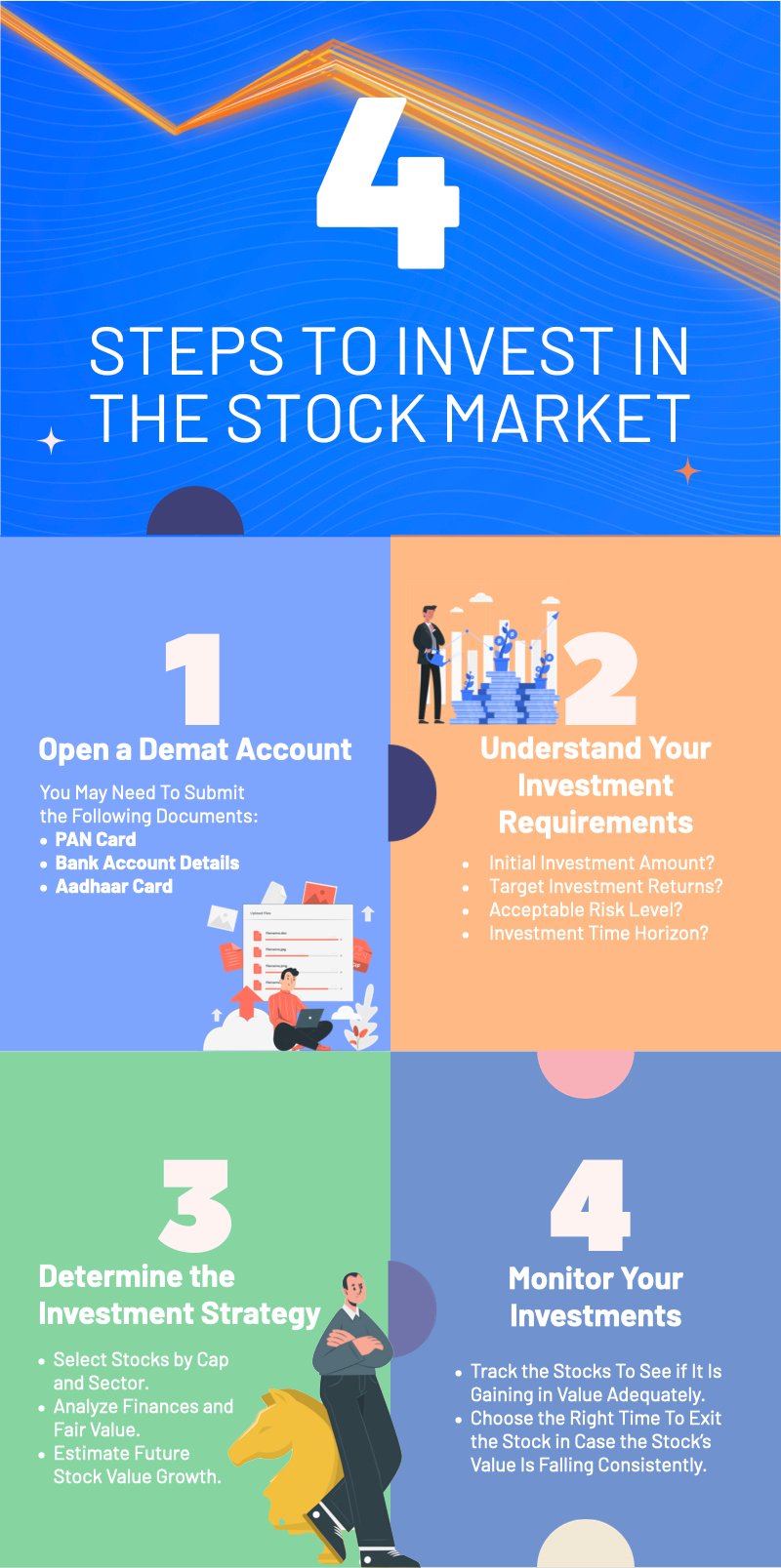
Foundations of Stock Market Investing
Before deploying your first dollar, it is crucial to understand exactly what it means to invest in stocks and why this asset class has historically outperformed most other investment vehicles over long periods.
Understanding Stocks and Ownership
At its core, a stock (or share) represents a fractional ownership interest in a corporation. When you purchase a share, you are buying a piece of that company’s assets and a claim on its future earnings. This entitles you to participate in the company’s success through two primary mechanisms: capital appreciation—where the price of the stock increases over time—and dividends, which are periodic payments made to shareholders from the company’s profits. By investing, you are essentially betting on the ingenuity and productivity of the business world.
The Power of Compounding and Long-Term Thinking
The most potent tool in an investor’s arsenal is time. Compound interest—often described as the “eighth wonder of the world”—occurs when the returns on your investments start to generate their own returns. For example, if you reinvest your dividends, those new shares generate more dividends, creating a snowball effect. Because of this, the duration of your investment is often more important than the specific timing of your entry into the market. A long-term horizon allows you to weather short-term volatility and benefit from the upward trajectory of the broader economy.
Defining Your Financial Goals and Risk Tolerance
Every investment journey must begin with a clear objective. Are you investing for a retirement that is thirty years away, or are you saving for a down payment on a home in five years? Your timeline dictates your risk tolerance. Risk tolerance is your psychological and financial ability to endure market downturns without panicking. Generally, younger investors can afford to take more risks because they have more time to recover from losses, while those nearing retirement often shift toward more conservative, income-generating assets.
Setting Up Your Investment Infrastructure
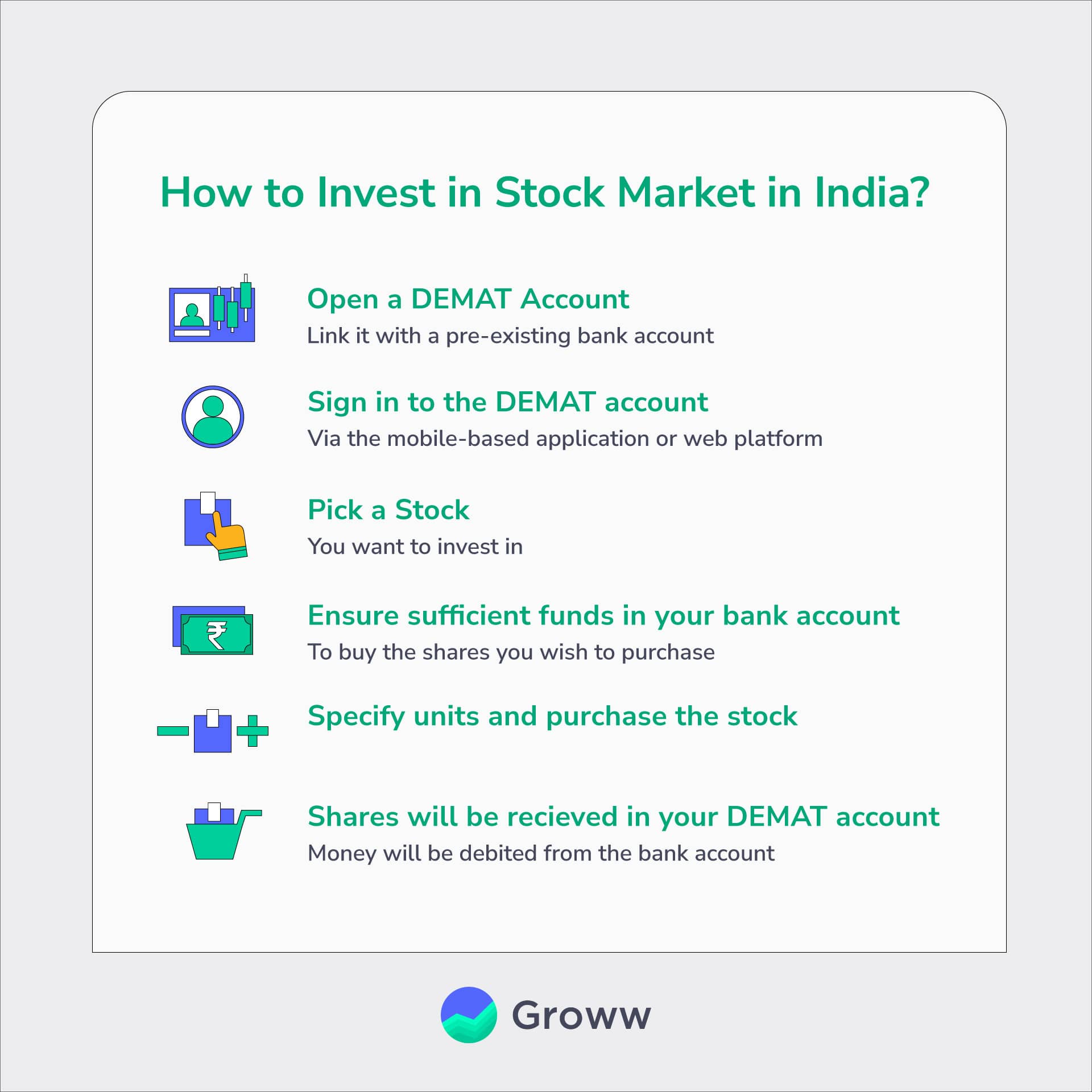
Once you have the right mindset, the next step is to establish the practical framework for your investments. Modern finance has made the barriers to entry lower than ever, but choosing the right tools is still vital.
Choosing the Right Brokerage Platform
A brokerage is your gateway to the stock market. When selecting a platform, consider factors such as commission fees, user interface, research tools, and customer service. Many modern brokers offer zero-commission trading for stocks and Exchange-Traded Funds (ETFs), which is a significant advantage for small-scale investors. Look for established firms that offer robust security measures and educational resources to help you make informed decisions.
Account Types: Taxable vs. Retirement Accounts
The “wrapper” you put your investments in can have a massive impact on your net returns due to taxation.
- Standard Taxable Accounts: These offer the most flexibility, allowing you to withdraw money at any time, but you will owe capital gains taxes on your profits.
- Tax-Advantaged Retirement Accounts: Instruments like the 401(k) or IRA (Individual Retirement Account) offer significant tax benefits. Contributions might be tax-deductible, or growth might be tax-free. Utilizing these accounts should generally be the priority for long-term wealth building, as the tax savings can equate to hundreds of thousands of dollars over a lifetime.
Executing Your First Trade: Market vs. Limit Orders
When you are ready to buy your first stock, you will encounter different order types. A Market Order instructs the broker to buy or sell the stock immediately at the best available current price. While fast, it offers no control over the price paid. A Limit Order, conversely, allows you to set a specific price at which you are willing to buy or sell. This provides more control and ensures you don’t pay more than intended, though the trade will only execute if the stock hits your target price.
Strategies for Building a Diversified Portfolio
Success in the stock market rarely comes from “picking a winner.” Instead, it comes from building a resilient portfolio that can withstand various economic climates through diversification.
Individual Stocks vs. Exchange-Traded Funds (ETFs)
For many beginners, buying individual stocks like Apple or Amazon is the most exciting way to start. However, this requires significant research and carries the risk of “unsystematic risk”—where a single company’s failure can derail your portfolio.
ETFs, on the other hand, allow you to buy a basket of hundreds or thousands of stocks in a single transaction. An S&P 500 index fund, for instance, gives you exposure to the 500 largest companies in the U.S. This provides instant diversification and is the strategy recommended by legendary investors like Warren Buffett for the majority of people.
The Role of Dividend Investing
Dividend investing focuses on buying shares in established companies that have a history of returning a portion of their profits to shareholders. This strategy is particularly popular among those seeking passive income. Companies known as “Dividend Aristocrats”—those that have increased their dividends for at least 25 consecutive years—often provide a cushion during market downturns because their steady payouts indicate financial health and management discipline.
Sector Allocation and Risk Mitigation
A truly diversified portfolio doesn’t just hold many stocks; it holds stocks in different sectors. If your entire portfolio consists of technology companies, a downturn in the tech industry will hit you hard. By spreading your investments across healthcare, consumer staples, energy, and financials, you ensure that if one sector underperforms, others may balance the scales. This is known as asset allocation and is the cornerstone of risk management.
Analyzing Stocks: From Fundamentals to Sentiment
If you choose to invest in individual companies, you must move beyond “gut feelings” and learn how to evaluate a business’s intrinsic value.
Fundamental Analysis: Reading the Balance Sheet
Fundamental analysis involves looking at a company’s financial health and economic environment. Key metrics to watch include:
- Earnings Per Share (EPS): The portion of a company’s profit allocated to each outstanding share.
- Price-to-Earnings (P/E) Ratio: A valuation metric that compares the current share price to its per-share earnings.
- Debt-to-Equity Ratio: A measure of how much a company is financing its operations through debt versus wholly-owned funds.
By understanding these numbers, you can determine if a stock is overvalued (expensive) or undervalued (a bargain).
Growth vs. Value Investing Styles
Investors generally fall into two camps. Growth Investors look for companies that are expanding rapidly, often in new industries. These stocks may have high P/E ratios and pay no dividends, as they reinvest all profits into expansion. Value Investors, meanwhile, look for established companies that are currently “on sale”—trading for less than their intrinsic value due to temporary market pessimism. Both styles can be profitable, and many modern investors use a “blend” approach to capture the best of both worlds.
Staying Disciplined Amidst Market Volatility
The stock market is driven by two primary emotions: fear and greed. During a “bull market,” greed can drive prices to unsustainable highs (bubbles). During a “bear market,” fear can cause investors to sell at the bottom. The most successful investors are those who remain disciplined. They understand that volatility is the “price of admission” for the high returns that stocks provide. Having a written investment policy statement can help you stay the course when the headlines turn negative.
Maintenance and Long-Term Success
Investing is not a “set it and forget it” activity. It requires periodic maintenance to ensure your strategy remains aligned with your goals.
The Importance of Portfolio Rebalancing
Over time, some of your investments will grow faster than others. This can lead to a portfolio that is “tilted”—for example, you might have started with 60% stocks and 40% bonds, but after a big market rally, you find yourself at 80% stocks. Rebalancing involves selling some of your winners and buying more of your underperformers to return to your original target allocation. This forced discipline encourages you to “buy low and sell high.”
Managing Taxes and Transaction Costs
High turnover (buying and selling frequently) can eat into your returns through transaction fees and short-term capital gains taxes. For most investors, a “buy and hold” strategy is the most tax-efficient. Additionally, techniques like “Tax-Loss Harvesting”—selling losing positions to offset gains in other areas—can be used at the end of the year to minimize your tax liability.
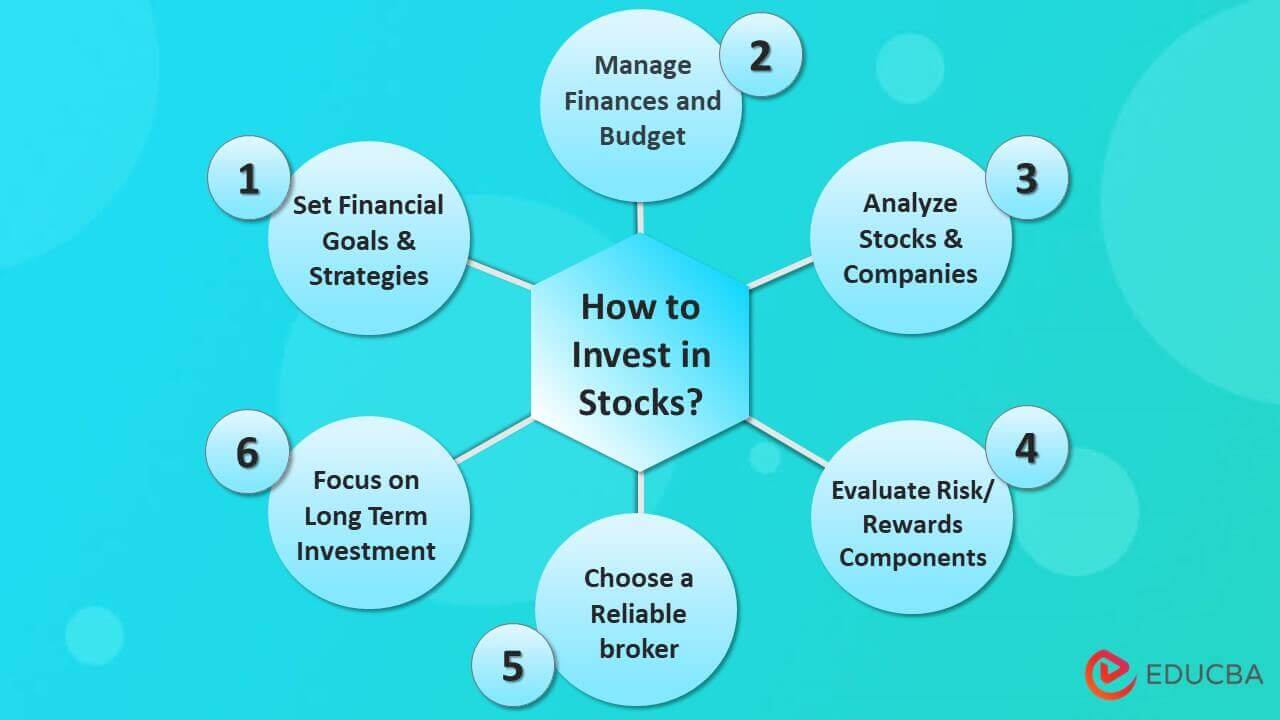
Continuous Learning in an Evolving Market
The financial world is constantly changing. New industries emerge, interest rates fluctuate, and global economic shifts alter the landscape. To be a successful long-term investor, you must remain a student of the market. Read annual reports, stay informed about macroeconomic trends, and never stop refining your strategy. The goal isn’t to be right every time; the goal is to make informed decisions that tilt the odds of success in your favor over the long haul.
By following these principles—focusing on long-term growth, maintaining diversification, and staying disciplined through market cycles—you can transform the stock market from a source of anxiety into a powerful engine for your personal financial freedom.
aViewFromTheCave is a participant in the Amazon Services LLC Associates Program, an affiliate advertising program designed to provide a means for sites to earn advertising fees by advertising and linking to Amazon.com. Amazon, the Amazon logo, AmazonSupply, and the AmazonSupply logo are trademarks of Amazon.com, Inc. or its affiliates. As an Amazon Associate we earn affiliate commissions from qualifying purchases.