
Navigating the complexities of the tax season can often feel like trekking through a dense forest of jargon, forms, and deadlines. However, understanding how to get your tax return—and more importantly, how to maximize the refund you may be owed—is a cornerstone of personal finance management. A tax return is more than just a legal obligation; it is a financial snapshot of your year and an opportunity to reclaim overpaid capital that can be redirected toward your savings, investments, or debt reduction goals.

This guide provides a strategic roadmap for filing your taxes, from the initial gathering of documentation to the final submission, ensuring you remain in compliance while optimizing your financial outcome.
1. Understanding the Fundamentals of the Tax Filing Process
Before diving into the paperwork, it is essential to understand what a tax return actually represents. In the realm of personal finance, your “tax return” is the set of forms you submit to the government (such as the IRS in the United States) that calculates your tax liability based on your annual income. If the taxes you paid throughout the year—via withholding from your paycheck or estimated payments—exceed what you actually owe, you receive a “tax refund.”
Determining Your Filing Status
Your filing status is the first major pillar of your tax return. It dictates your standard deduction and your tax brackets. There are generally five categories: Single, Married Filing Jointly, Married Filing Separately, Head of Household, and Qualifying Surviving Spouse. Choosing the correct status is vital because it directly impacts the amount of tax you owe. For example, the “Head of Household” status often provides more favorable tax rates and a higher standard deduction than filing as “Single,” provided you meet the criteria for supporting dependents.
Recognizing Key Deadlines and Timelines
In the financial world, timing is everything. For most individual taxpayers, the deadline to file a federal tax return falls on April 15th. However, if that date falls on a weekend or holiday, it may be shifted. Missing these deadlines can result in “failure-to-file” penalties, which can accrue interest over time. If you cannot meet the deadline, you can apply for an extension, which typically gives you until October 15th to file. However, it is a common misconception that an extension gives you more time to pay; any taxes owed must still be paid by the April deadline to avoid interest charges.
The Difference Between Deductions and Credits
To effectively manage your money during tax season, you must distinguish between a deduction and a credit. A tax deduction reduces the amount of your income that is subject to tax. If you are in the 22% tax bracket, a $1,000 deduction saves you $220. A tax credit, on the other hand, is a dollar-for-dollar reduction of your actual tax bill. A $1,000 credit saves you exactly $1,000. Understanding this distinction allows you to prioritize which financial records are most valuable to your bottom line.
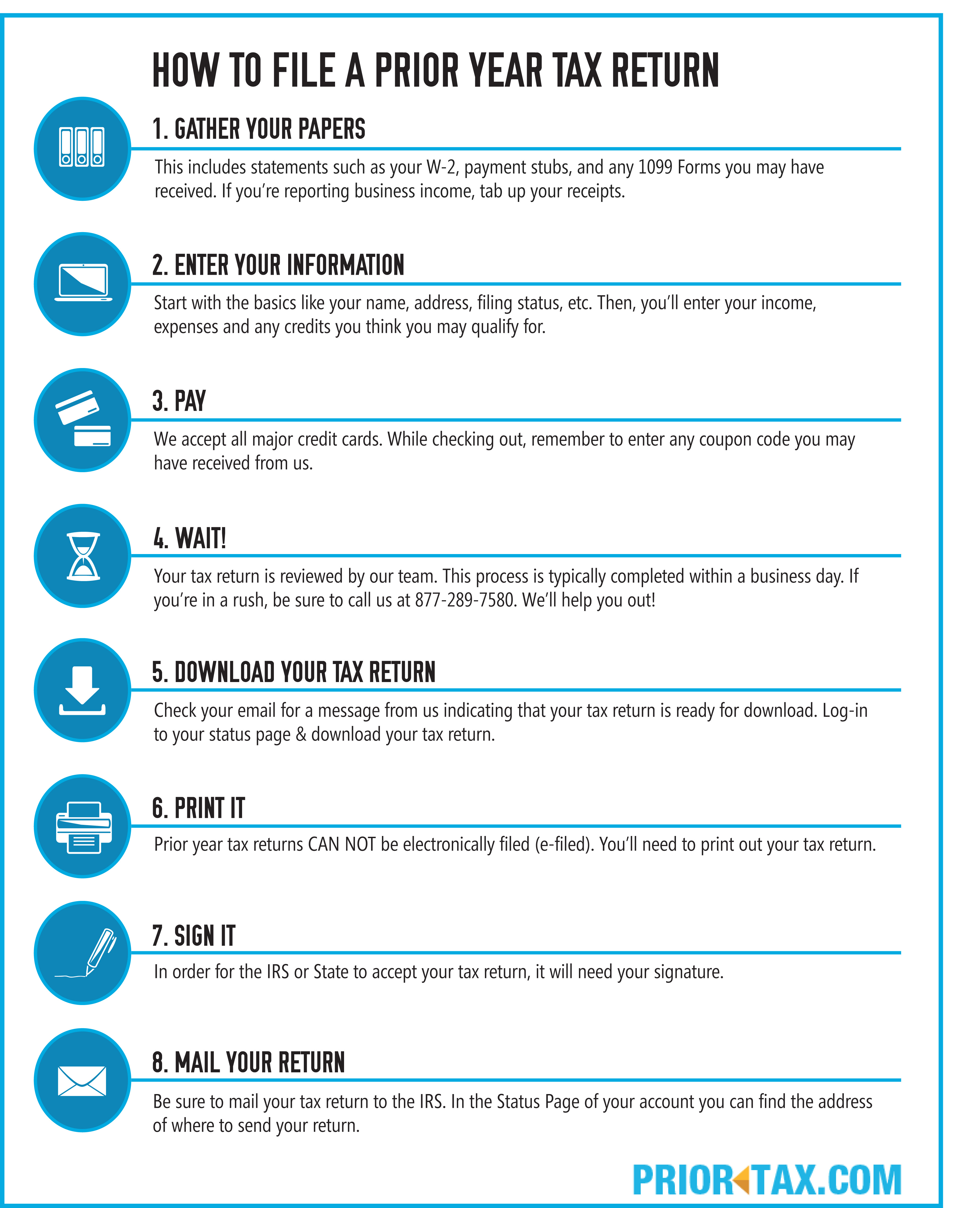
2. Gathering Essential Documentation and Financial Records
The quality of your tax return is only as good as the data you provide. To ensure accuracy and prevent delays in receiving your refund, you must systematically organize your financial records. This stage is where many taxpayers lose money by overlooking small but significant pieces of information.
Primary Income Statements: W-2s and 1099s
Your primary income records are the bedrock of your return. If you are an employee, your employer will provide a Form W-2, which lists your total earnings and the taxes already withheld. If you participate in the “gig economy,” work as a freelancer, or have a side hustle, you will likely receive various 1099 forms (such as the 1099-NEC for non-employee compensation). Additionally, do not forget interest income from savings accounts (1099-INT) or dividends from investments (1099-DIV).
Documenting Deductions for the Itemization Strategy
While most taxpayers take the “standard deduction,” those with significant expenses—such as high mortgage interest, large charitable contributions, or substantial medical bills—may benefit from itemizing. To do this, you need a meticulous paper trail. This includes:
- Receipts for charitable donations.
- Records of property taxes paid.
- Statements showing student loan interest paid (Form 1098-E).
- Records of home office expenses if you are self-employed.
Organizing Your Digital Financial Trail
In the modern era, most financial institutions provide digital copies of these forms. It is highly recommended to create a dedicated, encrypted folder on your computer or cloud storage specifically for “Tax Year [Year].” By saving PDFs of your bank statements, investment reports, and receipts throughout the year, the “gathering” phase becomes a matter of minutes rather than hours of frantic searching.
3. Choosing the Right Filing Method for Your Financial Situation
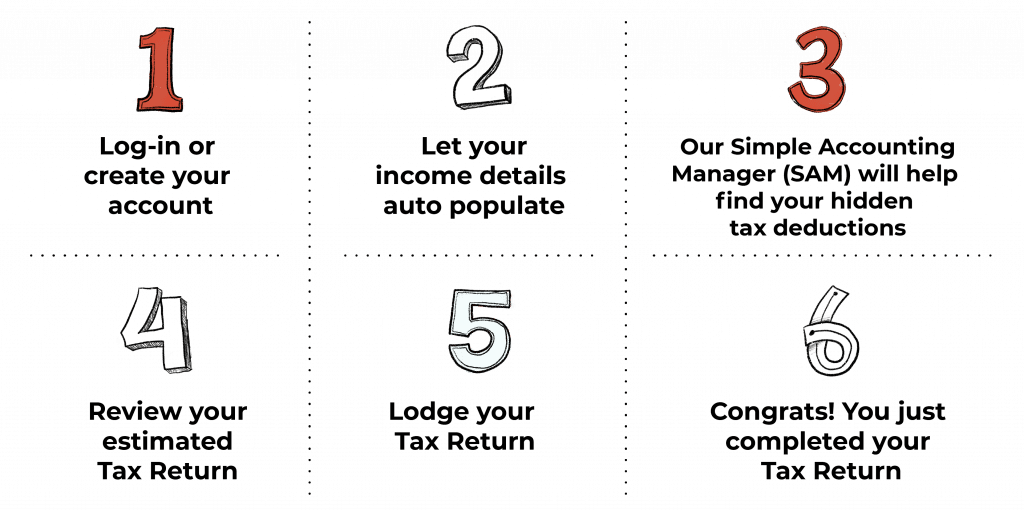
Once your documents are in order, you must decide how to physically (or digitally) process the information. The method you choose should align with the complexity of your financial life and your comfort level with financial software.
DIY Software vs. Professional CPAs
For a single filer with one W-2 and no complex investments, modern tax software (such as TurboTax, H&R Block, or FreeTaxUSA) is often the most cost-effective route. These platforms use interview-style questions to guide you through the process. However, if you own multiple rental properties, have complicated stock options (like RSU or ESPP), or own a business with employees, hiring a Certified Public Accountant (CPA) or a tax professional is a wise investment. A professional can provide strategic advice that software might miss, potentially saving you more in taxes than the cost of their fee.
Leveraging the IRS Free File Program
Financial literacy involves knowing how to minimize costs. If your adjusted gross income falls below a certain threshold (usually around $79,000), you are eligible for the IRS Free File program. This initiative allows you to use high-quality, name-brand tax software for free. This is an excellent tool for students, young professionals, and retirees to ensure they are getting their full return without paying unnecessary preparation fees.
The Benefits of Electronic Filing (E-filing)
Gone are the days of mailing thick envelopes to the IRS. E-filing is now the gold standard. It is faster, more secure, and significantly reduces the chance of manual entry errors. Furthermore, the IRS processes electronic returns much faster than paper ones, which is the most critical factor in shortening the timeframe for receiving your refund.
4. Strategies to Maximize Your Tax Refund
Getting a tax return is one thing; maximizing it is another. Strategic financial planning allows you to take advantage of the tax code to keep more of your hard-earned money.
Exploring Impactful Tax Credits
Tax credits are the most powerful tools for increasing your refund. Key credits to look for include:
- Child Tax Credit (CTC): Provides significant relief for parents with qualifying children.
- Earned Income Tax Credit (EITC): A refundable credit for low-to-moderate-income working individuals and couples, particularly those with children.
- Education Credits: The American Opportunity Tax Credit (AOTC) and the Lifetime Learning Credit (LLC) can help offset the costs of higher education.
Contributing to Retirement Accounts
One of the most effective “last-minute” strategies to lower your tax bill is contributing to a Traditional IRA or a simplified employee pension (SEP) IRA. In many cases, you have until the April filing deadline to make contributions for the previous tax year. By moving money into these accounts, you reduce your taxable income, which can lower your tax bracket or increase your refund, all while building your long-term wealth.
Health Savings Accounts (HSAs)
If you have a high-deductible health plan (HDHP), contributing to an HSA is a “triple tax-advantaged” move. Contributions are tax-deductible, the growth is tax-free, and withdrawals for qualified medical expenses are tax-free. Like IRAs, you can often contribute to an HSA up until the filing deadline to lower your tax liability for the preceding year.
5. Post-Filing: Tracking Your Refund and Planning for the Future
After you click “submit,” the focus shifts to monitoring the status of your refund and utilizing that capital wisely.
Utilizing the “Where’s My Refund?” Tool
The IRS provides an online portal and a mobile app called “IRS2Go.” By entering your Social Security number, filing status, and exact refund amount, you can track your money through three stages: Return Received, Refund Approved, and Refund Sent. Most refunds are issued within 21 days of an electronic filing.
The Power of Direct Deposit
If you want your money as quickly as possible, choose direct deposit. It eliminates the risk of a check being lost or stolen in the mail and places the funds directly into your savings or brokerage account. From a personal finance perspective, having the money sent directly to a high-yield savings account is a great way to ensure the refund is saved rather than impulsively spent.
Adjusting Your Withholding for Next Year
While a large tax refund feels like a windfall, it is technically an interest-free loan you gave to the government. If your refund is consistently several thousand dollars, you may want to adjust your Form W-4 with your employer. By decreasing your withholding, you will receive more money in each paycheck throughout the year. You can then invest that money monthly, allowing it to grow through compound interest, rather than waiting for a lump sum at the end of the year.
Conclusion: Tax Literacy as a Wealth-Building Tool
Learning how to get your tax return is not just a seasonal chore; it is an essential component of financial literacy. By staying organized, understanding the difference between credits and deductions, and choosing the right filing method, you transform tax season from a point of stress into a strategic financial win. Whether you use your refund to fund an emergency fund, invest in the stock market, or pay down high-interest debt, treating your tax return with professional rigor is a vital step on the path to long-term financial independence.
aViewFromTheCave is a participant in the Amazon Services LLC Associates Program, an affiliate advertising program designed to provide a means for sites to earn advertising fees by advertising and linking to Amazon.com. Amazon, the Amazon logo, AmazonSupply, and the AmazonSupply logo are trademarks of Amazon.com, Inc. or its affiliates. As an Amazon Associate we earn affiliate commissions from qualifying purchases.