
In today’s dynamic financial landscape, proficiency in accounting software is not just an advantage; it’s often a prerequisite for success. Among the myriad of tools available, QuickBooks stands out as a dominant force, powering the financial operations of millions of small to medium-sized businesses worldwide. For professionals seeking to excel in accounting, bookkeeping, or business management, obtaining a QuickBooks certification is a strategic move that can significantly accelerate career growth and enhance earning potential. This certification signifies a recognized level of expertise, validating your ability to effectively manage financial records, generate insights, and contribute to sound financial decision-making.
This article delves into the critical aspects of acquiring QuickBooks certification, framing it as an investment in your financial future. We will explore why this credential is a game-changer for individuals and businesses alike, navigate the various certification options available, outline a clear path to achieving it, and discuss how to leverage this expertise for maximum financial impact.
The Indispensable Value of QuickBooks Certification in the Financial World
The financial sector thrives on accuracy, efficiency, and informed decisions. QuickBooks certification directly addresses these needs, positioning certified professionals as invaluable assets. Beyond simply knowing how to use software, certification demonstrates a deep understanding of accounting principles as applied within the QuickBooks ecosystem, making it a powerful credential for anyone serious about a career in finance or managing business finances effectively.
Elevating Your Professional Profile
In a competitive job market, differentiation is key. A QuickBooks certification acts as a robust testament to your specialized skills and commitment to professional development. It tells prospective employers or clients that you possess a verified level of expertise in a tool that is central to modern business finance. This immediately sets you apart from uncertified peers, signaling reliability and competence. For those already in roles such as bookkeepers, accountants, or financial controllers, certification can solidify their standing and demonstrate proactive engagement with industry standards, paving the way for promotions and increased responsibilities. It’s an official stamp of approval from Intuit, the creators of QuickBooks, validating your mastery of their product.
Unlocking Diverse Career Opportunities
The scope of opportunities available to QuickBooks certified professionals is remarkably broad, extending across various industries and job functions. From traditional bookkeeping and accounting roles to financial analysis, tax preparation, and business consulting, the demand for QuickBooks-savvy individuals is consistently high. Small businesses, in particular, often rely on certified professionals to manage their entire financial operations, offering roles with significant autonomy and impact.
Here are just a few examples of positions where QuickBooks certification is highly valued:
- Bookkeepers: Managing daily transactions, reconciliations, and financial reporting.
- Accountants: Preparing financial statements, tax returns, and providing advisory services.
- Financial Analysts: Using QuickBooks data to derive insights and forecast financial performance.
- Business Consultants: Advising businesses on optimizing their financial processes using QuickBooks.
- QuickBooks ProAdvisors: Offering specialized support and training to other businesses and users.
This diversity means that a QuickBooks certification can open doors to roles that align with various career aspirations, whether you prefer working in-house for a single company, for a large accounting firm, or even as an independent contractor.
Enhancing Earning Potential
Perhaps one of the most compelling reasons to pursue QuickBooks certification is its direct impact on earning potential. Certified professionals often command higher salaries and rates compared to their uncertified counterparts. This premium reflects the perceived value of their specialized skills and the confidence employers have in their ability to contribute meaningfully from day one.
For freelancers and independent consultants, certification can be a critical factor in attracting higher-paying clients. It instills trust and credibility, allowing you to justify premium rates for your services. Furthermore, as businesses increasingly seek efficiency and digital solutions for their financial management, certified QuickBooks experts become essential, driving up demand and, consequently, compensation. Investing time and resources into obtaining this certification is not merely an expense; it’s a strategic financial decision designed to yield significant returns over your career.
Navigating the QuickBooks Certification Ecosystem
Intuit, the developer of QuickBooks, offers a structured certification program designed to cater to various levels of expertise and professional needs. Understanding this ecosystem is crucial for choosing the right path that aligns with your career goals and current skill level. The primary certification for professionals who advise other businesses on QuickBooks is the QuickBooks ProAdvisor Program, though other user-level certifications might also exist or be offered through educational institutions.
Overview of QuickBooks Certification Programs
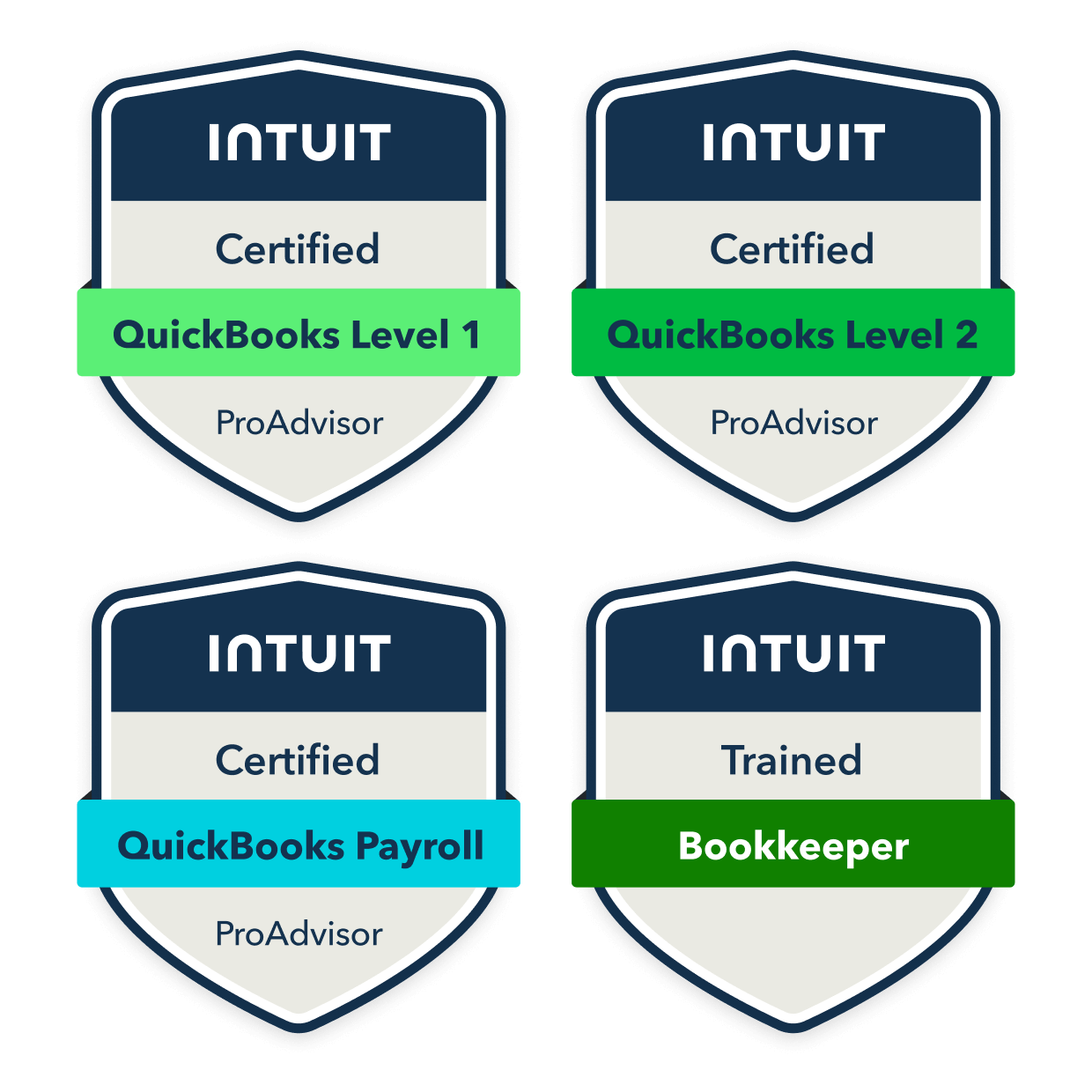
The cornerstone of professional QuickBooks certification is the QuickBooks ProAdvisor Program. This program is specifically designed for accounting professionals, bookkeepers, and consultants who work with multiple businesses and need to demonstrate a comprehensive understanding of various QuickBooks products. Within the ProAdvisor program, there are generally certifications available for different versions of QuickBooks:
- QuickBooks Online (QBO) Certification: This is arguably the most sought-after certification today, given the widespread adoption of cloud-based accounting. It covers all aspects of QuickBooks Online, including setup, banking, sales, expenses, reporting, payroll, and advanced features.
- QuickBooks Desktop Certification: While cloud versions are prevalent, many businesses still utilize desktop versions. This certification validates expertise in QuickBooks Desktop Pro, Premier, and Enterprise editions.
- QuickBooks Payroll Certification: Often an add-on or specialized certification, this focuses specifically on managing payroll within QuickBooks, including setup, processing, tax filings, and year-end procedures.
- QuickBooks Advanced Certification: For experienced ProAdvisors who want to demonstrate a master-level proficiency in QuickBooks Online, covering complex scenarios, advanced reporting, third-party app integrations, and sophisticated client management strategies.
Each certification pathway is designed to ensure professionals are not just familiar with the software’s features but can also apply them to real-world business scenarios, troubleshoot issues, and provide strategic financial advice.
Key Areas of Expertise Covered
Regardless of the specific certification, the core curriculum typically encompasses a broad range of critical financial management topics as implemented within QuickBooks. These include:
- Company File Setup and Preferences: Creating and configuring new company files, setting up chart of accounts, and customizing preferences to suit specific business needs.
- Managing Sales and Customers: Creating invoices, recording sales receipts, managing accounts receivable, and customer statements.
- Managing Expenses and Vendors: Entering bills, paying bills, tracking expenses, and managing accounts payable and vendor profiles.
- Banking and Reconciliation: Connecting bank accounts, categorizing transactions, and reconciling bank and credit card statements.
- Reporting and Financial Analysis: Generating various financial reports (P&Ls, balance sheets, cash flow), customizing reports, and interpreting financial data.
- Inventory Management: Tracking inventory, managing purchases and sales of products, and adjusting inventory levels (primarily in QBO Plus/Advanced and Desktop versions).
- Payroll Processing: Setting up payroll, running paychecks, managing payroll taxes, and generating payroll reports (for Payroll certifications).
- Year-End Procedures: Preparing for tax season, closing books, and generating necessary reports for tax filing.
- Troubleshooting and Support: Identifying and resolving common QuickBooks issues, providing client support, and understanding best practices.
Mastering these areas ensures a certified professional can handle virtually any financial management task a small or medium-sized business might encounter.
Prerequisites and Eligibility
Generally, there are no strict formal prerequisites (like a specific degree) to enroll in the QuickBooks ProAdvisor program or pursue certification. However, a foundational understanding of accounting principles and basic bookkeeping practices is highly recommended, as the certification exams assume this knowledge. Intuit provides free training and resources for ProAdvisors, making it accessible to individuals with varying levels of prior experience.
The most important “prerequisite” is a willingness to learn, practice with the software, and dedicate time to understanding both the mechanics of QuickBooks and the underlying financial concepts it supports. For the QuickBooks Advanced Certification, significant experience as a certified QuickBooks Online ProAdvisor is required, demonstrating a progression in expertise.
A Step-by-Step Guide to Earning Your QuickBooks Certification
Achieving QuickBooks certification is a structured process that requires dedication and a strategic approach. By following a clear roadmap, you can efficiently prepare for and pass your chosen certification exam, validating your financial expertise.
Choosing the Right Certification Path
The first crucial step is to identify which QuickBooks certification aligns best with your career objectives and the needs of your target clients or employer.
- For most aspiring professionals: The QuickBooks Online (QBO) Certification is the most relevant and in-demand, given the shift to cloud-based solutions. If you plan to work with businesses that primarily use online software, this is your primary focus.
- For those working with specific legacy clients: If your current or prospective clients heavily rely on QuickBooks Desktop, then the QuickBooks Desktop Certification would be a necessary addition.
- For specialized roles: If payroll management is a significant part of your responsibilities, consider the QuickBooks Payroll Certification.
- For experienced professionals seeking mastery: The QuickBooks Advanced Certification is for seasoned QBO ProAdvisors looking to distinguish themselves further.
Consider the types of businesses you wish to serve and the versions of QuickBooks they commonly use. If unsure, starting with QBO Certification is generally the safest and most beneficial option.
Effective Study Strategies and Resources
Intuit provides an extensive array of free training materials and resources for registered ProAdvisors, which are generally sufficient for preparing for the exams.
- Utilize the ProAdvisor Training Portal: Once you sign up for the free QuickBooks ProAdvisor program, you gain access to a dedicated training portal. This portal offers self-paced courses, video tutorials, practice exercises, and study guides for each certification exam.
- Hands-on Practice: The most effective way to learn QuickBooks is by using it. Create a practice company file or utilize the sample company provided by Intuit. Work through various scenarios: set up a new company, create invoices, record expenses, reconcile bank accounts, and generate reports. This practical application solidifies your understanding.
- Review Official Study Guides: Intuit provides detailed study guides that outline the topics covered in each exam. Use these as a checklist to ensure you’ve covered all necessary areas.
- Practice Exams/Quizzes: Many courses and resources offer practice quizzes or mock exams. Taking these helps you become familiar with the exam format, question types, and time constraints.
- Join Online Communities: Engage with other accounting professionals and ProAdvisors in online forums and social media groups. These communities can be excellent sources of tips, insights, and support, helping you clarify doubts and learn from collective experiences.
- Consider Third-Party Courses (Optional): While Intuit’s resources are comprehensive, some individuals may benefit from structured, instructor-led courses or additional study materials offered by third-party training providers. These can offer different perspectives and reinforce learning.
Mastering the Certification Exam
QuickBooks certification exams are designed to test both your theoretical knowledge and practical application of the software.
- Understand the Exam Format: Most QuickBooks certification exams are multiple-choice, often including scenario-based questions that require you to apply your knowledge to specific business situations. They are typically timed, so efficient decision-making is essential.
- Focus on Concepts, Not Just Clicks: While knowing where buttons are is important, the exams also test your understanding of why certain actions are taken and their financial implications. For example, understanding the difference between cash and accrual accounting within QuickBooks.
- Manage Your Time: Pace yourself during the exam. If you get stuck on a question, mark it for review and move on. Return to challenging questions later if time permits.
- Review Thoroughly: Before submitting, if time allows, review all your answers, especially those you flagged. Double-check for any misinterpretations or simple errors.
Understanding Costs and Time Commitment
The QuickBooks ProAdvisor program itself is free to join, and the basic certification exams (like QBO Certification) are also typically free for ProAdvisors. This makes it an incredibly cost-effective way to gain a valuable professional credential. However, specialized certifications or advanced training might have associated fees.
The time commitment varies significantly based on your prior accounting knowledge, familiarity with QuickBooks, and study pace. For someone with a basic accounting background, preparing for the QBO Certification might take anywhere from 20 to 60 hours of dedicated study and practice. For more comprehensive certifications or if you are new to accounting, this could extend to 100 hours or more. It’s an investment of time that pays substantial dividends in terms of career opportunities and financial growth.
Maximizing Your Certification for Financial Success
Obtaining your QuickBooks certification is a significant achievement, but it’s just the beginning. The real value lies in how you apply and leverage this expertise to drive financial success, whether for your own business, an employer, or clients.
Applying Your Skills in Real-World Business Scenarios
The true test of your certification comes in its practical application.
- Optimize Business Operations: For internal roles, use your certification to streamline existing financial processes, identify inefficiencies, and implement best practices within QuickBooks. This could involve setting up automated workflows, optimizing chart of accounts, or improving reporting accuracy, all contributing to cost savings and better financial oversight.
- Strategic Financial Planning: Leverage QuickBooks’ robust reporting features to provide deeper insights into a company’s financial health. Help management understand profitability, cash flow, and key performance indicators (KPIs), enabling more informed strategic decisions for growth and stability.
- Ensure Compliance and Accuracy: Your expertise ensures that all financial records are maintained accurately and in compliance with relevant accounting standards and tax regulations, mitigating risks and avoiding costly errors or penalties. This is particularly crucial for year-end financial closing and tax preparation.
Building a Profitable Financial Service Business
For entrepreneurs and independent professionals, QuickBooks certification provides a solid foundation for building a thriving financial service business.
- Establish Credibility: The ProAdvisor badge immediately enhances your credibility, making it easier to attract and retain clients seeking reliable bookkeeping or accounting services. Clients are more likely to trust a certified professional with their sensitive financial data.
- Offer Specialized Services: Beyond basic bookkeeping, your certification enables you to offer a range of value-added services such as financial clean-up projects, custom report generation, budget development, payroll services, and even QuickBooks training for clients. These specialized offerings can command higher fees.
- Access ProAdvisor Benefits: As a certified ProAdvisor, you gain access to exclusive benefits from Intuit, including discounted QuickBooks software for your clients, priority support, and listing in the Find-a-ProAdvisor directory. This directory is a powerful lead generation tool, connecting you with businesses actively seeking certified experts.
- Scale Your Practice: With a strong foundation and Intuit’s support, you can strategically grow your practice, take on more clients, and potentially even build a team of certified professionals to serve a larger market.

The Long-Term Benefits for Business Finance and Personal Wealth
Investing in QuickBooks certification is a forward-thinking decision with long-term financial implications.
- Career Resilience: In an ever-evolving digital economy, financial professionals who embrace technology like QuickBooks remain highly valuable and adaptable, future-proofing their careers against automation and changing industry demands.
- Continuous Learning and Adaptation: The financial world is constantly changing, with new regulations, technologies, and business models emerging. QuickBooks certification encourages a mindset of continuous learning, ensuring you stay updated with the latest software features and financial best practices. Intuit regularly updates its certifications to reflect changes in the software and tax laws, requiring ProAdvisors to re-certify annually. This ongoing professional development keeps your skills sharp and relevant.
- Building Personal Wealth: Whether through increased earning potential in an employed role or by building a successful financial service business, the expertise gained from QuickBooks certification directly contributes to your personal wealth accumulation. It equips you with the skills to manage not only clients’ finances but also your own, leading to better personal financial planning and investment decisions.
In conclusion, pursuing QuickBooks certification is more than just learning software; it’s about acquiring a robust skill set that is foundational to modern financial management. It’s an investment in your professional standing, your career trajectory, and ultimately, your financial success. By diligently working towards this credential and strategically applying your newfound expertise, you position yourself as an indispensable asset in the financial world, ready to navigate its complexities and contribute significantly to economic prosperity.
aViewFromTheCave is a participant in the Amazon Services LLC Associates Program, an affiliate advertising program designed to provide a means for sites to earn advertising fees by advertising and linking to Amazon.com. Amazon, the Amazon logo, AmazonSupply, and the AmazonSupply logo are trademarks of Amazon.com, Inc. or its affiliates. As an Amazon Associate we earn affiliate commissions from qualifying purchases.